


How to Remove Pet Odors From Rugs Safely
Learn how to remove pet odors from rugs without harming color or fibers, plus when professional washing is the smarter choice for a fresh home that lasts.
A room can feel almost finished and still fall flat. The sofa is right, the lighting is warm, and the walls are pulled together, but the floor feels like an afterthought. That is usually the moment homeowners start asking how to layer rugs in a way that feels intentional instead of busy.
Layering rugs is one of the easiest ways to make a space feel more collected, more comfortable, and more deeply personal. It adds softness underfoot, introduces texture, and helps define seating areas or sleeping spaces with a little more nuance than a single rug can offer. But the difference between effortlessly styled and visually crowded comes down to proportion, material, and placement.
A layered rug look brings dimension to a room in a way that paint, pillows, and accent pieces cannot quite match. The base rug establishes scale and structure. The top rug adds personality. Together, they create a finished look that feels curated rather than overly matched.
This approach also solves practical design problems. If you have a large room and a favorite smaller rug, layering lets you use it without the space looking undersized. If you love a vintage rug but need more softness or coverage, adding a larger neutral rug underneath can make it work beautifully in everyday living. In family homes, it can also help balance style with function by protecting special pieces while still letting them be seen.
The first rug should anchor the room. In most spaces, that means choosing the larger rug first and treating it as the foundation. Natural fiber rugs like jute, sisal, and wool blends are common base choices because they offer subtle texture and a quieter visual pattern.
Size matters here more than anything. The base rug should be large enough to relate properly to the furniture in the room. In a living room, it often needs to sit under at least the front legs of the main seating pieces. In a bedroom, it should extend generously around the bed so the layered effect looks intentional instead of squeezed in.
If the bottom rug is too small, the whole arrangement can feel accidental. If it is large enough, the upper rug gets room to shine.
A strong base rug usually has one or more of these qualities: a simple pattern, low to medium pile, durable construction, and a color palette that supports the room rather than dominates it. Think soft ivory, sand, charcoal, muted taupe, or a lightly textured weave with natural variation.
That does not mean the base has to be plain. It simply should not compete too aggressively with the rug on top. If both rugs are visually loud, the room can feel restless.
Once the foundation is in place, the top rug provides the focal point. This is where you can bring in richer color, a vintage-inspired motif, a plush texture, or a shape that shifts the mood of the room.
Contrast is what makes layering work. If the bottom rug is flat-woven and earthy, the top rug might be softer and more patterned. If the base is neutral and tailored, the upper rug can add warmth through terracotta, blue, olive, rust, or faded jewel tones. If both rugs are too similar in color and texture, the result can feel underwhelming rather than sophisticated.
There is still a balance to strike. Contrast should create depth, not confusion. A bold patterned rug over another bold patterned rug can work, but only if the palettes relate and one pattern clearly takes the lead.
The top rug should be noticeably smaller than the base rug, but not tiny. You want enough of the bottom rug visible around the edges to frame the layer above it. In many rooms, leaving 8 to 18 inches of the base rug exposed creates a pleasing border.
A very small top rug can look disconnected, while one that is nearly the same size as the base loses the layered effect altogether. Proportion is what gives the arrangement polish.
Layering works especially well in living rooms, bedrooms, home offices, and reading corners. Each room calls for a slightly different approach.
In a living room, layered rugs can soften a large seating area and help it feel more intimate. A broad neutral base with a patterned rug centered under the coffee table often creates a balanced, welcoming layout.
In a bedroom, layering can make the space feel quieter and more luxurious. A large foundational rug under the bed with a smaller rug placed at the foot or offset beneath the lower two-thirds of the bed creates warmth without making the room feel heavy.
In an office or study, layering can keep the room from feeling too flat or functional. This is especially useful when the furniture is streamlined and the architecture is simple.
Entryways and dining rooms are a little more case by case. In an entry, layering can be beautiful, but it needs to stay safe and stable. In a dining room, chair movement often makes a layered setup less practical unless the proportions are carefully managed.
This is usually the part people hesitate over, and for good reason. The most successful layered rug combinations have variety, but they still feel connected.
A reliable way to create that connection is to repeat at least one element across both rugs. That might be a shared color family, a similar undertone, or a common design mood. For example, a natural jute base pairs well with a faded traditional wool rug because the quiet texture below allows the pattern above to stand out. A creamy wool rug can also support a geometric flat weave if the tones feel related.
Texture often matters more than pattern. A chunky woven base under a soft, lower-pile vintage-style rug creates contrast that feels comfortable and refined. Two plush, high-pile rugs stacked together, on the other hand, can feel bulky and unstable.
If your furniture already has strong prints or a lot of visual detail, keep at least one of the rugs understated. If the room is mostly solid fabrics and clean lines, you have more freedom to introduce pattern through the upper rug.
The biggest mistake is ignoring scale. Even beautiful rugs will look awkward together if the sizes are off. Start with the room dimensions and furniture placement before falling in love with a combination.
Another common issue is choosing materials that slide too easily. A layered arrangement should feel grounded. Depending on the flooring and rug construction, a rug pad may be necessary between layers or beneath the base rug to help keep everything in place.
Color can also go wrong when there is no thread connecting the two rugs to the rest of the room. A layered look should support your furniture, pillows, artwork, and lighting rather than feel like a separate styling experiment happening on the floor.
And sometimes, less really is more. Not every room needs layered rugs. If a space already has strong architectural character, intricate flooring, or a statement rug that fills the room beautifully on its own, layering may not improve it.
Some pairings work again and again because they balance visual interest with restraint. A large jute rug under a vintage-patterned wool rug is a classic for good reason. It brings in both texture and character without trying too hard.
A tonal flat-weave base with a sheepskin or plush accent rug can soften a bedroom or sitting area nicely. A neutral wool rug with a smaller geometric rug layered on top can give a newer home more depth and charm.
In a showroom setting, these combinations are easier to judge in person because texture, color variation, and edge detail matter more than most people expect. That is often where layering becomes less intimidating and more exciting.
Some rooms resist standard rug sizes. Open-concept spaces, oversized bedrooms, and unusual furniture layouts can make layering harder because the base rug never quite fits the footprint correctly. In those cases, custom sizing can make the whole room feel more resolved.
This is also true if you are layering to highlight a special rug you already own. A custom base can give that piece the proper stage without forcing awkward compromises in placement.
At Home Rug Gallery, many homeowners find that seeing layered options in person helps them make clearer decisions about scale, texture, and how the rugs will actually live in the room.
The best layered rug interiors do not look styled within an inch of their life. They look comfortable, thoughtful, and quietly confident. Start with the right scale, choose contrast with restraint, and let each rug play a distinct role.
When it works, layering does more than add pattern to the floor. It gives the room a sense of depth that feels welcoming every time you walk in.
Learn how to remove pet odors from rugs without harming color or fibers, plus when professional washing is the smarter choice for a fresh home that lasts.
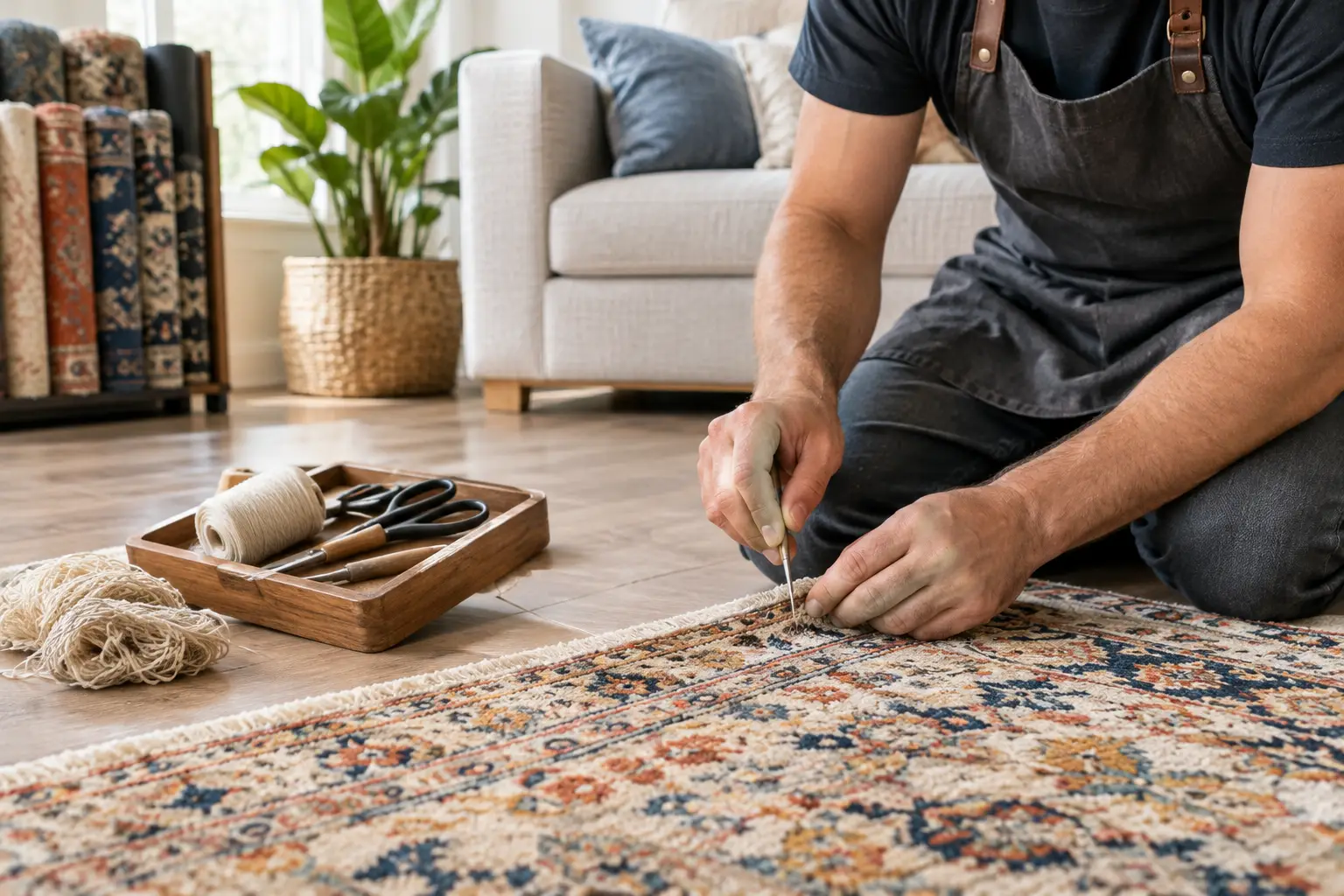
Use this Kennesaw rug repair guide to spot damage early, choose the right restoration, and protect the color, texture, and comfort of your favorite rug.
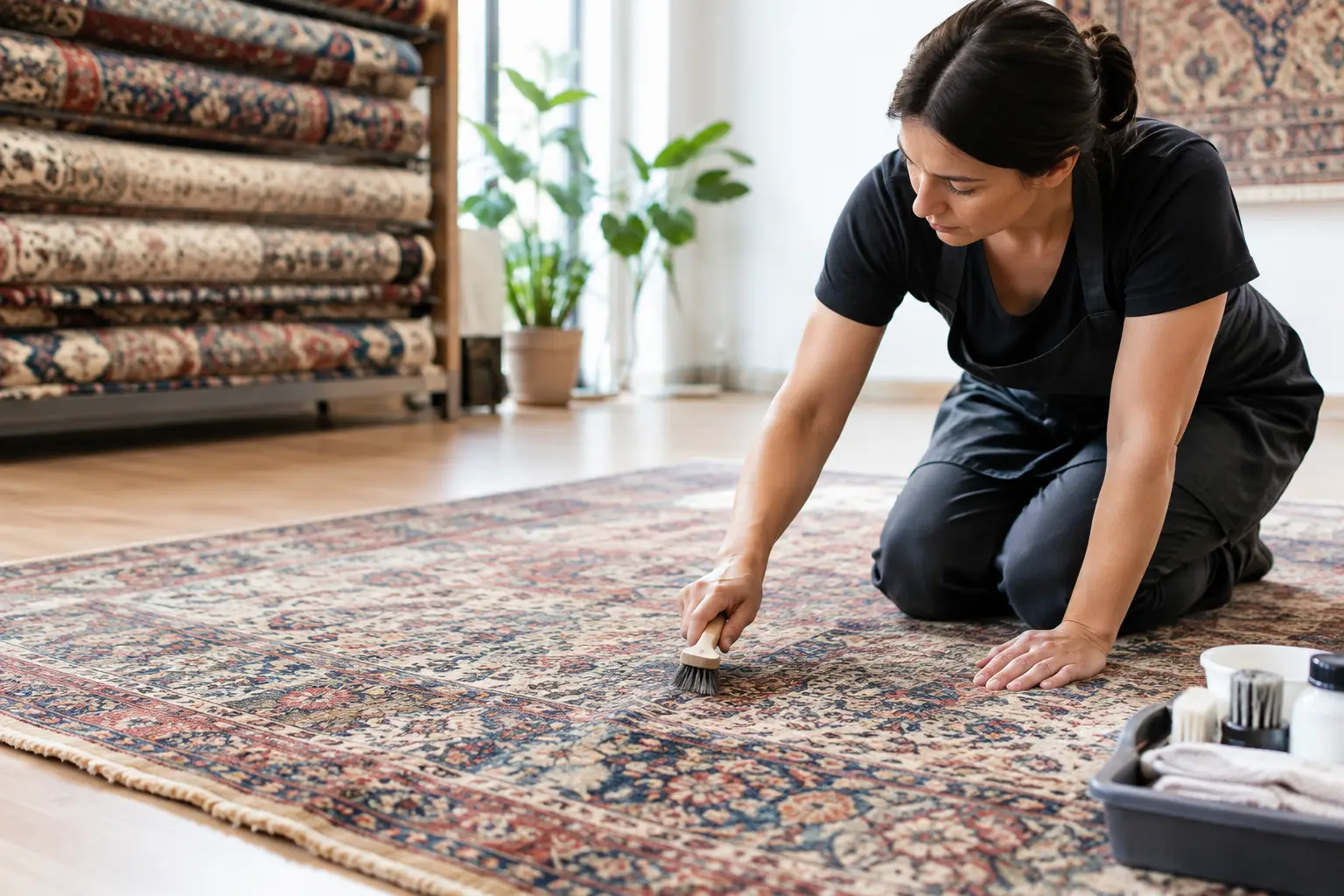
Marietta rug restoration can preserve color, texture, and history. Learn when repair makes sense and how thoughtful care protects a cherished rug at home.
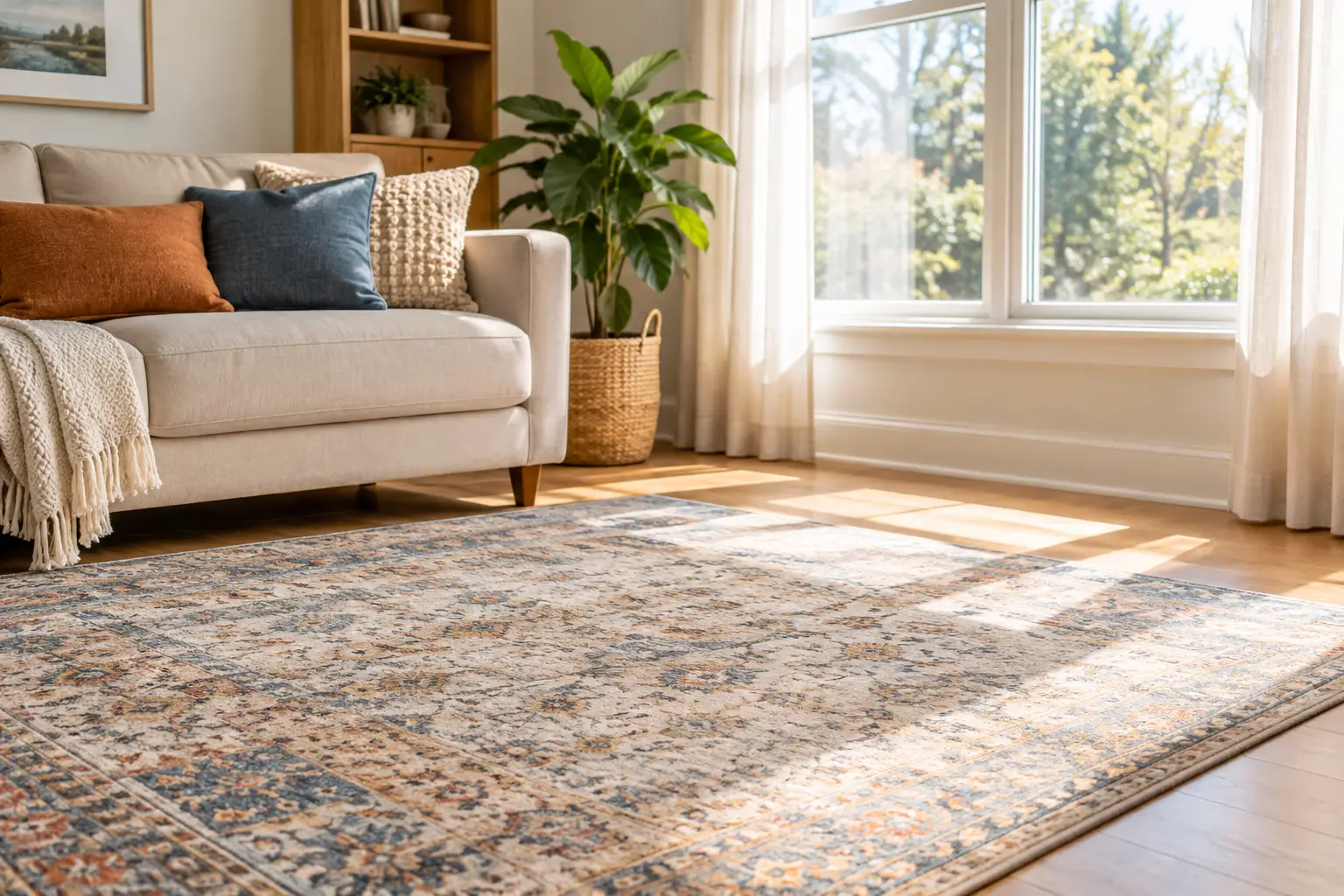
Learn how to protect rugs from sun fading with thoughtful window treatments, rotation, cleaning, and placement tips that preserve color and comfort daily.
From cozy area rugs to statement-making wall décor, our curated categories make it easy to explore what speaks to your space. Whether you’re refreshing a single corner or reimagining your whole home, start here and discover pieces that bring it all together.