

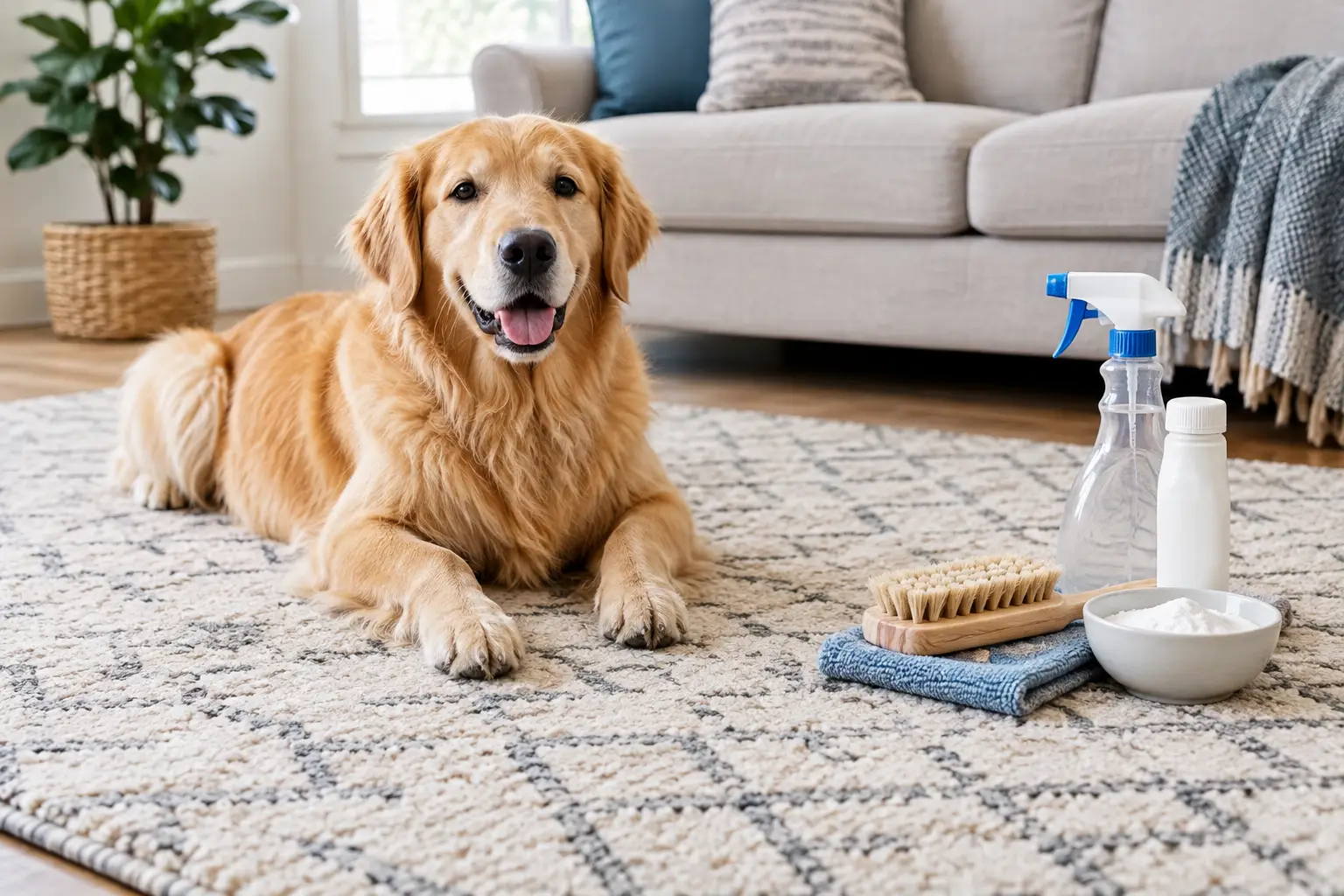
How to Remove Pet Odors From Rugs Safely
Learn how to remove pet odors from rugs without harming color or fibers, plus when professional washing is the smarter choice for a fresh home that lasts.
The first thing guests notice is rarely your wall color or lighting. It is the feeling they get when they step through the door. The best entryway rug ideas do more than fill a small patch of floor – they set the tone for the entire home, soften hard surfaces, and make an everyday pass-through feel thoughtfully styled.
An entryway asks a lot from a rug. It has to welcome guests, handle muddy shoes, stand up to constant traffic, and still look refined. That balance between beauty and utility is where smart rug selection matters most. A well-chosen rug can make a compact foyer feel layered and intentional, while the wrong one can shift, crowd the doorway, or show every speck of dirt by noon.
The right choice starts with the way your entry functions. Some homes have a true foyer with room for a statement piece. Others open directly into a living space and need the rug to create a visual boundary. In both cases, the goal is the same: define the entrance while keeping it easy to live with.
A classic patterned rug is often the easiest place to begin. Traditional motifs, muted medallions, and vintage-inspired designs bring instant depth to an entryway and tend to disguise everyday wear better than solids. If your surrounding finishes are neutral, a patterned rug can provide just enough movement without making the space feel busy.
Natural fiber rugs appeal to homeowners who want an organic, understated look. Jute, sisal, and wool blends bring texture that feels relaxed but tailored. They are especially effective in homes leaning into quiet luxury, where the interest comes from layers and materials rather than bold color. The trade-off is maintenance. Some natural fibers can be less forgiving with moisture or debris, so they work best in lower-exposure entryways or under a protective layered arrangement.
Layering is one of the most useful entryway rug ideas for homes that want both softness and durability. A flat, hardworking base rug can ground the space, while a smaller patterned or plush accent rug on top adds personality. This approach feels collected and deeply personal, but it does require attention to thickness and grip. Near a front door, too much height can create clearance issues.
For a more tailored look, a runner in a long entry hall creates rhythm and leads the eye inward. This works particularly well when you want the entrance to feel connected to the rest of the home rather than isolated. In a smaller square foyer, a compact rectangular rug or a soft-edged round rug can feel more proportional. Round rugs are especially effective when you want to break up strong lines from doors, consoles, and tile patterns.
Size is where many otherwise beautiful rugs go wrong. In an entryway, the rug should feel intentional, not accidental. Too small and it can look like an afterthought. Too large and it can interfere with the swing of the door or crowd the surrounding furniture.
Start with clearance. Your door should open freely without catching on the rug, and the rug should sit comfortably within the footprint of the space. In a true foyer, leave visible flooring around the rug so the room still feels framed. If your front door opens into a larger room, the rug should define the arrival zone without floating awkwardly in the middle of everything.
If you use a bench, console, or accent chair in the entry, think about whether the rug should anchor those pieces or sit independently in front of them. There is no universal rule here. In a formal foyer, a rug centered under the main open floor area often looks cleaner. In a casual family entry, it may make more sense for the rug to extend into the drop zone where shoes and bags actually land.
This is also where seeing rugs in person becomes valuable. Texture, border scale, and pile height can read very differently in a showroom than they do on a screen, especially in a compact area where every inch matters.
The most successful entry rugs usually strike a middle ground with color. Very light tones can feel airy and elegant, but they also show soil quickly near the front door. Very dark rugs can hide dirt yet reveal lint, dust, and pet hair just as easily. Mid-tone rugs with tonal variation are often the most forgiving choice.
Blue-gray, warm taupe, olive, rust, charcoal, and soft terracotta tend to wear beautifully in entryways. These shades bring richness without feeling heavy. They also connect easily with wood floors, painted trim, and a range of interior palettes.
Pattern matters just as much as color. A subtle allover design can mask traffic while keeping the space polished. Stripes can visually lengthen a narrow entrance, but they need to be used carefully if the flooring already has strong direction. Floral or geometric motifs can bring life to a simple foyer, though scale is important. In a small entry, oversized patterns can feel abrupt unless the rest of the home is equally bold.
If your home is already rich with art, wallpaper, or decorative finishes, a textural rug in a quieter pattern may be the better choice. If the entry feels plain or unfinished, a stronger motif can create the sense of curation that makes the whole home feel more complete.
Not every beautiful rug belongs in an entryway. This area takes daily wear, and the best material depends on how your household actually lives.
Wool remains one of the strongest options for many homes because it is resilient, naturally insulating, and capable of feeling both polished and comfortable underfoot. A low-pile wool rug can handle traffic well while still bringing softness to hard flooring. Synthetic performance rugs have improved significantly too, especially for busy households with children, pets, or frequent outdoor traffic. They can offer the look of natural fibers or traditional patterns with easier cleanup.
Flatweaves are especially practical near front doors because they keep a lower profile and are less likely to obstruct movement. If your entry tends to catch leaves, gravel, or damp shoes, this style is often easier to maintain than a thicker plush rug. On the other hand, if the goal is warmth in a more formal foyer that sees lighter use, a slightly more luxurious pile can make the entrance feel elevated.
The backing matters too. A rug that shifts every time someone steps inside never feels refined. Proper padding or grip is essential, both for safety and for preserving the rug over time.
A rug should not carry the whole design on its own. The most effortlessly styled entryways treat the rug as part of a larger composition. A console, mirror, lamp, art, or upholstered bench can all reinforce the feeling the rug introduces.
If your rug has a traditional pattern, try balancing it with cleaner silhouettes in nearby furnishings. If the rug is textural and understated, you have more room to bring shape and contrast through lighting or accessories. Even a simple basket for shoes or a well-placed pillow on a bench can help the space feel layered rather than purely functional.
This is also a good moment to think beyond the entry itself. Because the front door often opens directly into visible living areas, the rug should connect to the adjacent rooms. It does not need to match everything, but it should make sense with the palette, mood, and level of formality of the home overall.
For homes with kids or pets, washable or easy-care rugs can be a practical answer, especially in a secondary entrance. In a main front foyer, many homeowners prefer a more elevated look and use routine cleaning to maintain it. That choice often comes down to whether the front door is mostly for guests or a true everyday traffic zone.
In seasonal climates, it can help to rotate rugs or keep a durable option in place during wetter months. This does not have to compromise style. Many performance-oriented rugs now come in refined colors and patterns that still feel showroom worthy.
And if you have invested in a quality rug for your entry, regular cleaning and occasional repair can extend its life significantly. High-traffic placement does not have to mean short-lived, especially when the rug is chosen with purpose and cared for properly.
At Home Rug Gallery, we often see how a single entry rug changes the mood of the home before anything else does. When the scale is right, the texture feels inviting, and the design reflects your style, the entrance stops feeling like a pass-through and starts feeling like a welcome.
Learn how to remove pet odors from rugs without harming color or fibers, plus when professional washing is the smarter choice for a fresh home that lasts.
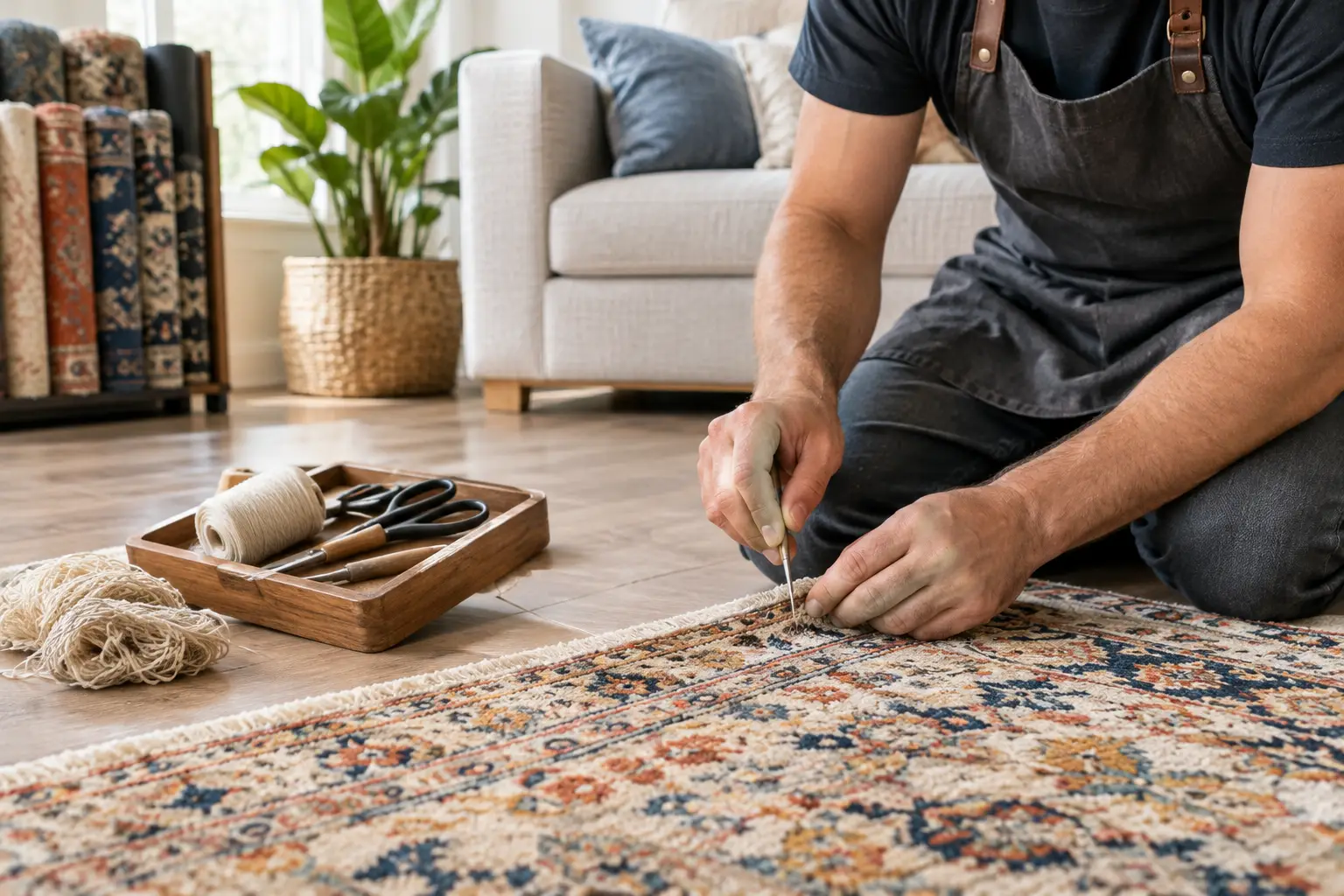
Use this Kennesaw rug repair guide to spot damage early, choose the right restoration, and protect the color, texture, and comfort of your favorite rug.
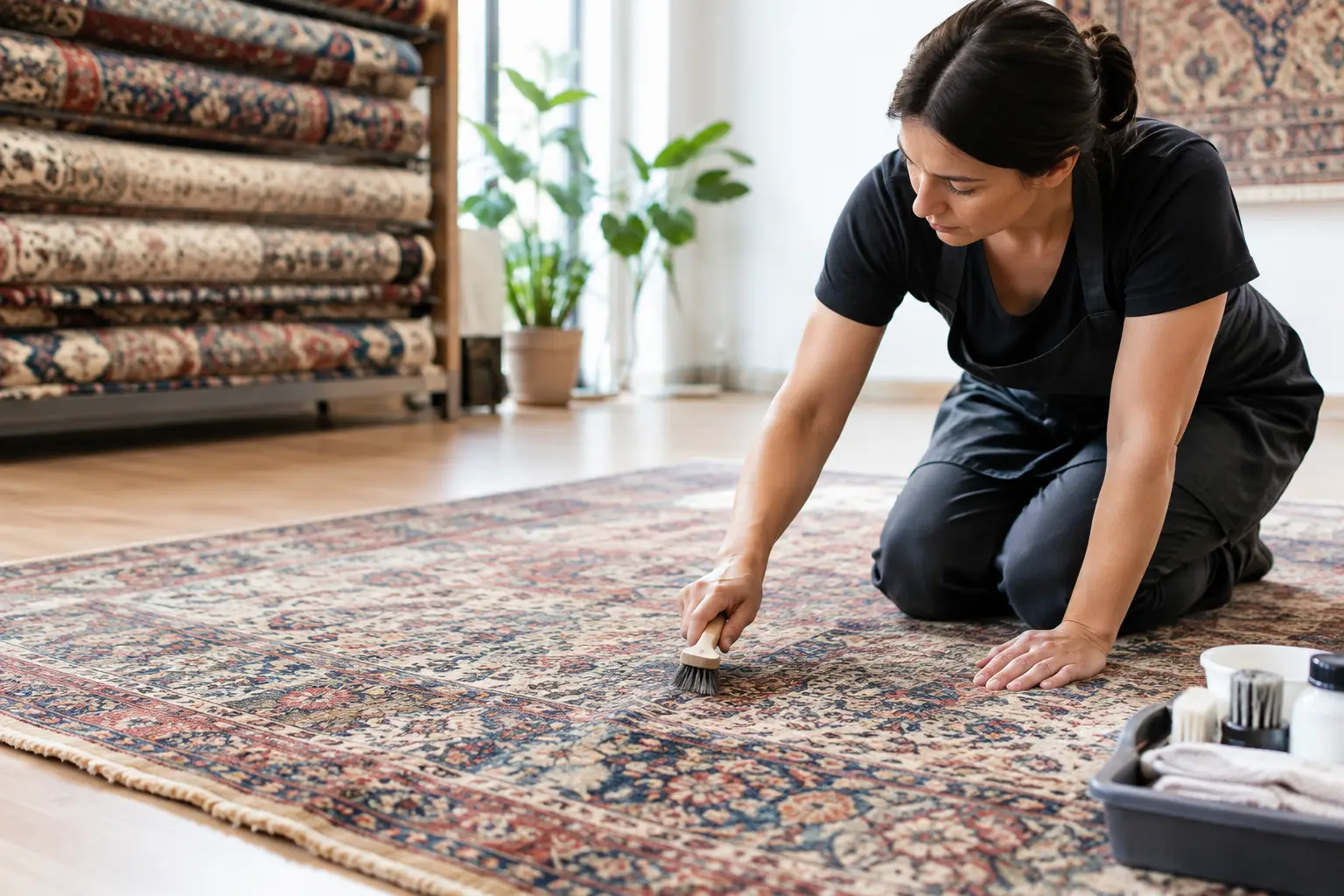
Marietta rug restoration can preserve color, texture, and history. Learn when repair makes sense and how thoughtful care protects a cherished rug at home.
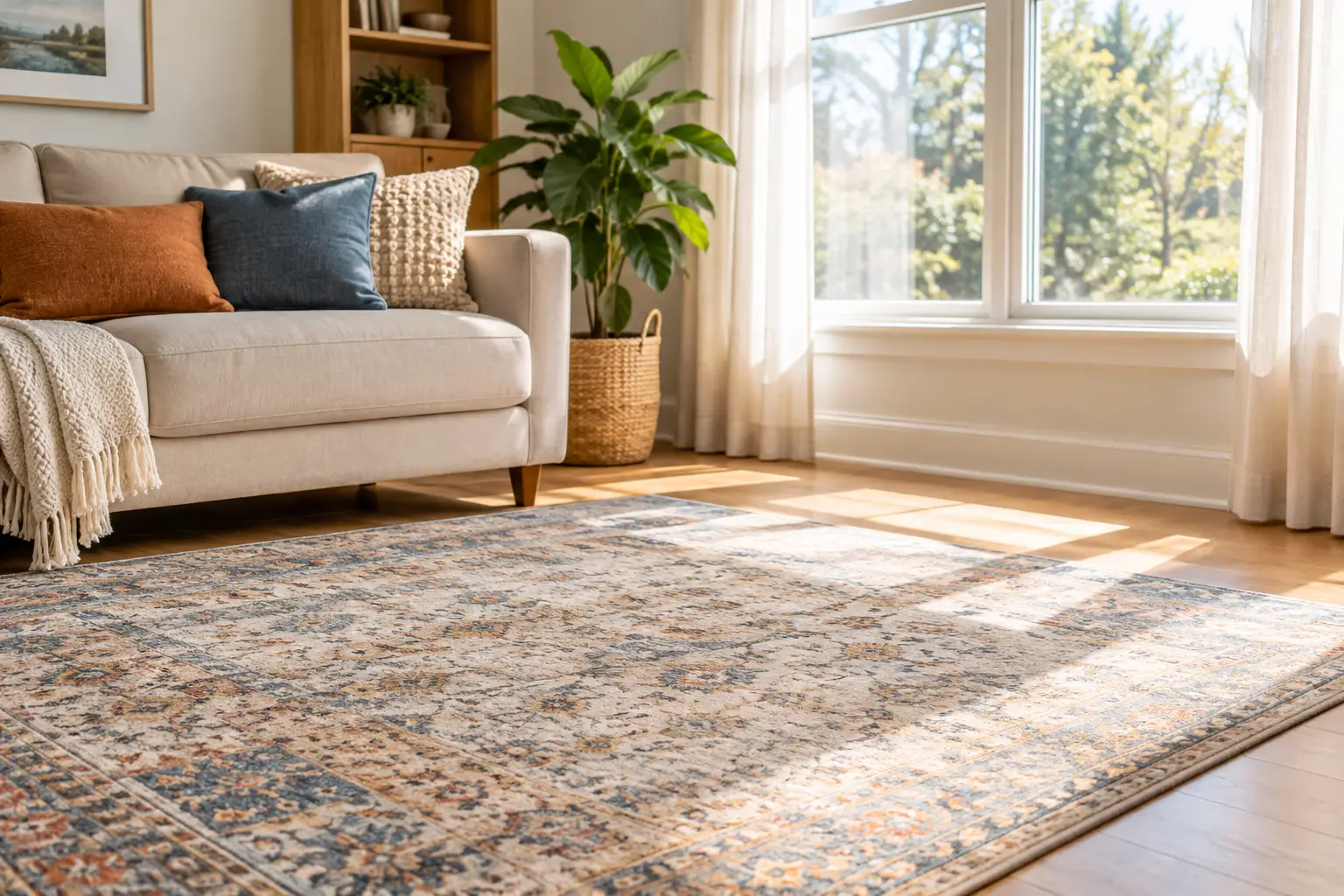
Learn how to protect rugs from sun fading with thoughtful window treatments, rotation, cleaning, and placement tips that preserve color and comfort daily.
From cozy area rugs to statement-making wall décor, our curated categories make it easy to explore what speaks to your space. Whether you’re refreshing a single corner or reimagining your whole home, start here and discover pieces that bring it all together.