


How to Remove Pet Odors From Rugs Safely
Learn how to remove pet odors from rugs without harming color or fibers, plus when professional washing is the smarter choice for a fresh home that lasts.
A rug can make a room feel finished in an instant – or slightly off, even when everything else is beautiful. If you have ever brought home a rug that looked perfect online but felt too small once it hit the floor, you already know how to choose an area rug size is less about guesswork and more about proportion. The right size grounds furniture, softens the room, and creates that effortlessly styled feeling homeowners are after.
The most common mistake is going too small. A rug that floats in the middle of the room without connecting to the furniture can make the entire space feel disconnected. In most cases, sizing up creates a more polished result and gives the room a sense of quiet luxury.
Start with the room layout, not the rug itself. Before you look at colors, patterns, or pile, think about where the furniture sits and how people move through the space. A rug should support the way the room functions while also framing it visually.
A good rule is to let the rug relate to the furniture, not just the open floor. In a well-designed room, the rug usually sits under at least the front legs of larger pieces. That connection makes the arrangement feel intentional instead of scattered.
It also helps to leave a border of exposed flooring around the rug. In many rooms, 8 to 18 inches of floor showing around the edges feels balanced. Smaller rooms may need a narrower border, while larger rooms can handle more breathing room. It depends on the scale of the furniture, the architecture, and how expansive you want the room to feel.
If you are unsure, use painter’s tape to outline a few standard rug sizes directly on the floor. This is one of the simplest ways to see what will actually fit before making a decision.
In the living room, the rug should anchor the seating area. That usually means it belongs under the front legs of the sofa and chairs at minimum. If the room is large enough, placing all furniture legs on the rug creates an especially tailored, cohesive look.
For smaller living rooms, an 8×10 rug often works well. In more spacious rooms, a 9×12 or even larger size may be the better choice. The exact fit depends on your furniture arrangement more than the room dimensions alone.
If your rug is too small, the seating group can feel like it is hovering around it instead of sitting within it. This is especially noticeable in open-concept homes where the rug needs to define the living zone. A larger rug gives the room structure and helps separate spaces without adding visual clutter.
There are cases where a smaller rug can work, but usually only when the room itself is compact and the furniture is scaled accordingly. Even then, you want the rug to feel connected to the main pieces rather than placed like an afterthought.
Measure the width of your seating area, then choose a rug that extends beyond the sofa on both sides when possible. That little bit of extra width tends to make the arrangement feel more generous and complete.
Bedrooms call for a different kind of comfort. Here, the rug is not only visual – it also shapes the experience of getting in and out of bed. The right size adds softness where your feet land and gives the room a layered, inviting look.
For a queen bed, an 8×10 rug is often a strong choice. For a king bed, 9×12 is typically more proportionate. In both cases, the rug generally sits under the lower two-thirds of the bed, extending out on the sides and foot of the bed so there is enough soft surface visible.
A rug that is too short can look tucked under the bed rather than integrated into the room. You want enough rug showing to frame the bed and support any benches or nightstands, depending on the layout.
If a full-size rug is not the right fit for the room or budget, runners on each side of the bed can work beautifully. This approach is especially useful in narrower rooms, guest rooms, or spaces where you want softness underfoot without covering as much floor.
Dining rooms are where rug size becomes especially practical. The rug should be large enough for the table and chairs, even when the chairs are pulled out. If chair legs catch on the rug edge every time someone sits down, the rug is too small.
A helpful guideline is to allow at least 24 inches of rug beyond each side of the dining table. This gives chairs enough room to stay on the rug when in use and keeps the space feeling balanced.
Shape matters here too. A rectangular table typically pairs best with a rectangular rug, while a round table often feels most natural on a round rug. Matching shape is not an absolute rule, but it usually creates the most harmonious result.
Low-pile or flatweave rugs are often easier in dining spaces because chairs move more smoothly across the surface. Beauty matters, but so does daily use.
In smaller areas, scale still matters. An entry rug should welcome people into the home without overwhelming the space or blocking door clearance. In hallways, a runner should feel substantial enough to guide the eye, with a few inches of floor visible on each side.
Bathrooms, kitchens, and laundry rooms can also benefit from rugs, but placement should follow the room’s working zones. In front of a sink, beside a bed, or under a console, the rug should feel aligned with the function of the area. Even a small rug can look elevated when the proportions are right.
When people ask how to choose an area rug size, they are often hoping for one standard rule. The truth is, furniture placement changes everything. A formal living room, a casual family room, and an open-concept great room may all need different approaches even if the room dimensions are similar.
If your furniture is pushed against the walls, you may need a larger rug to bring the arrangement together. If your seating floats in the room, the rug becomes even more important because it acts as the visual foundation. In bedrooms with large nightstands or a bench at the foot of the bed, you may want more rug extending outward so the room does not feel top-heavy.
This is where in-person comparison can be so helpful. Seeing scale, texture, and color together often changes what feels right.
The biggest mistake is buying the rug after the furniture is already in place and choosing the largest size that seems convenient rather than the size the room actually needs. Convenience rarely creates the best visual result.
Another common issue is ignoring the room’s border. If the rug nearly touches every wall, it can make the room feel cramped. If it is too far from the furniture, it can feel disconnected. The most attractive rooms usually have a clear relationship between rug, furniture, and visible flooring.
Pattern can also affect perceived size. A bold design on a small rug may feel busier and smaller than a quieter pattern on a larger rug. If you want the room to feel calm and expansive, size and pattern should work together.
Some rooms do not fit standard rug sizing well. Unusual floorplans, oversized sectionals, generously scaled primary bedrooms, and open-concept spaces can all benefit from a custom solution. If you have a room that feels difficult to finish, the issue may not be style – it may be scale.
At Home Rug Gallery, this is often where homeowners find the most relief. A custom rug can solve proportion challenges while giving you far more control over the finished look of the room.
The best rug size is the one that makes the room feel settled. Not crowded, not unfinished, not almost right. When the scale is right, the furniture relates naturally, the floor still has room to breathe, and the entire space feels more cohesive and deeply personal.
If you are deciding between two sizes, the larger one is often the better choice. A well-sized rug does more than cover the floor – it gives the whole room a sense of confidence.
Learn how to remove pet odors from rugs without harming color or fibers, plus when professional washing is the smarter choice for a fresh home that lasts.
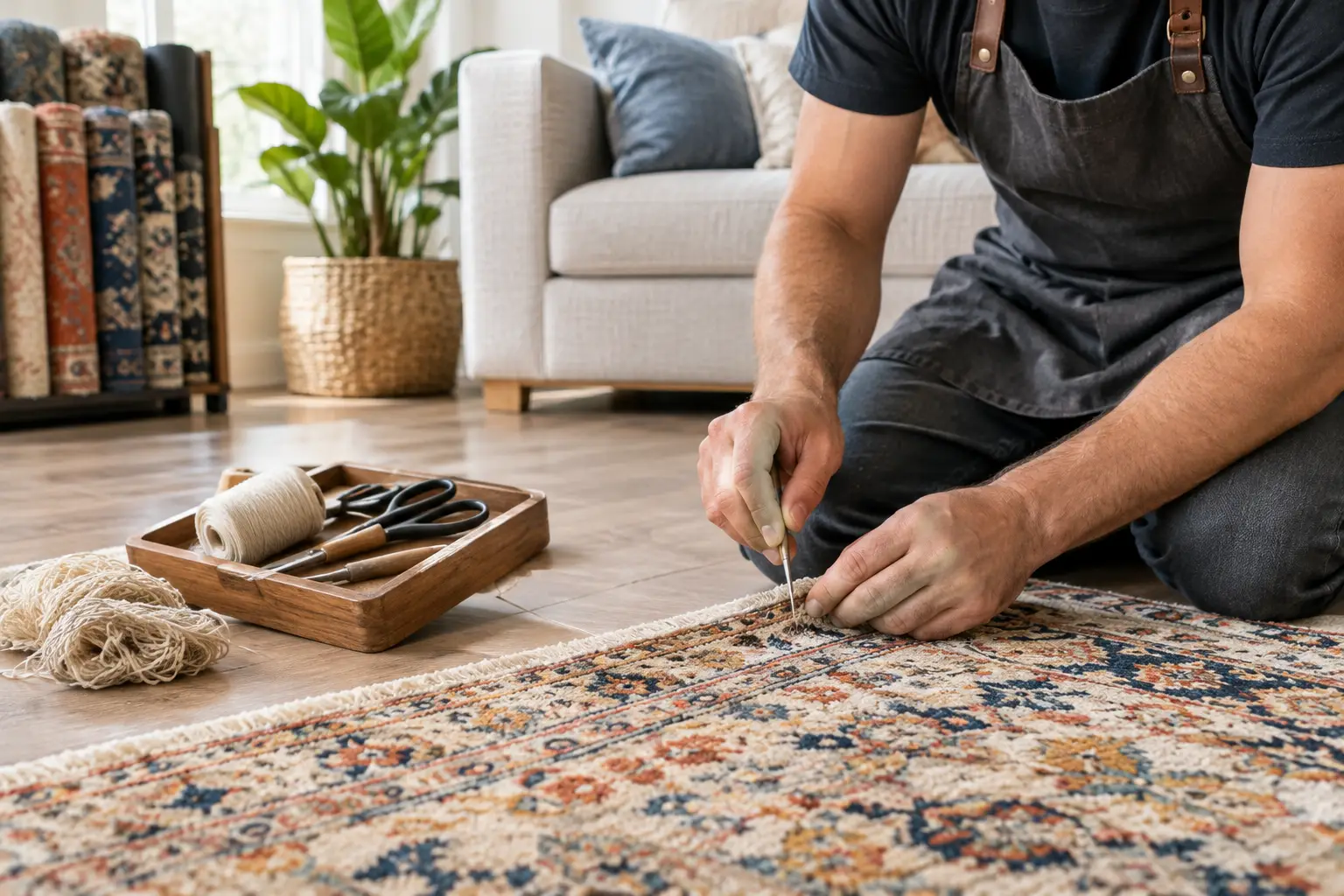
Use this Kennesaw rug repair guide to spot damage early, choose the right restoration, and protect the color, texture, and comfort of your favorite rug.
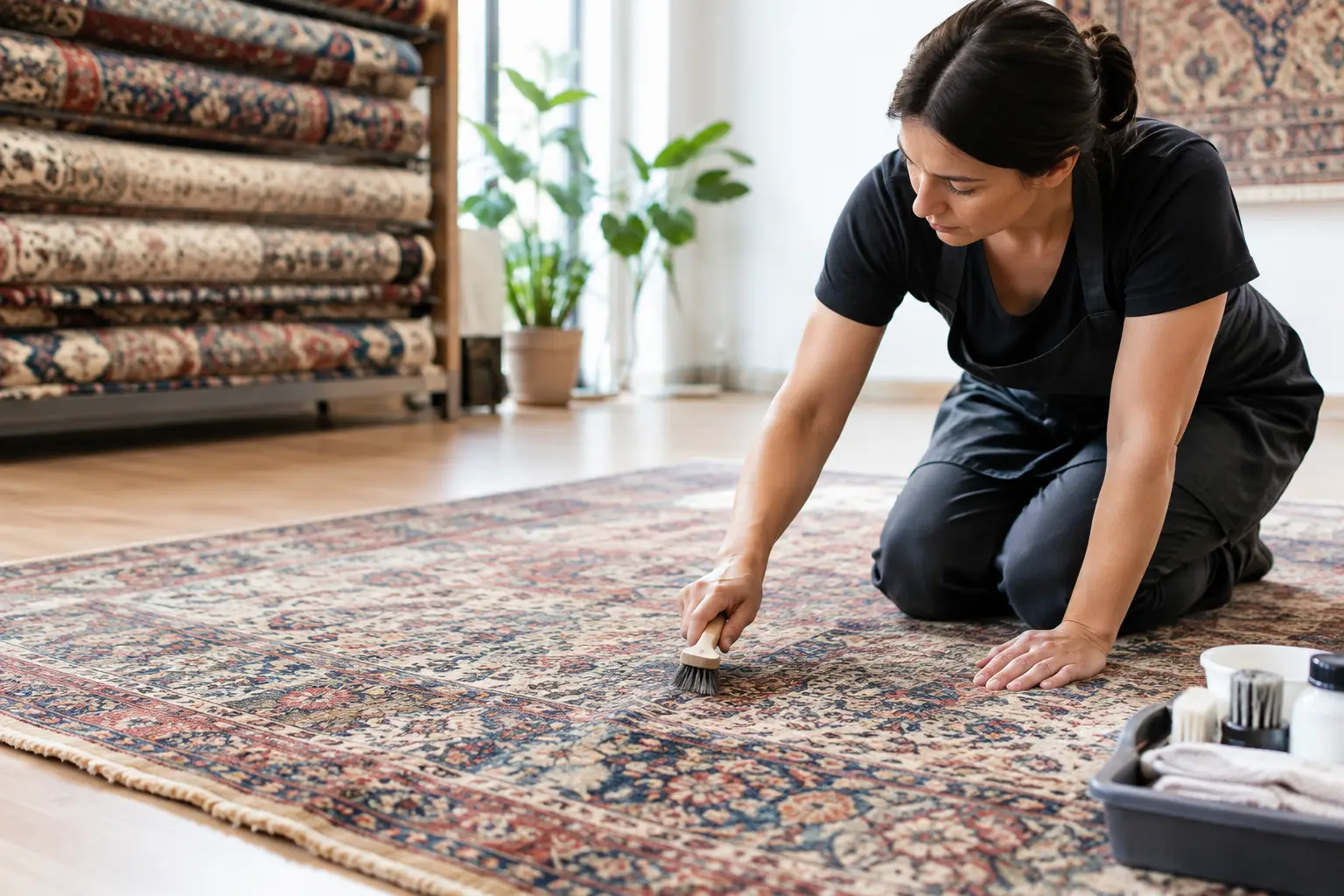
Marietta rug restoration can preserve color, texture, and history. Learn when repair makes sense and how thoughtful care protects a cherished rug at home.
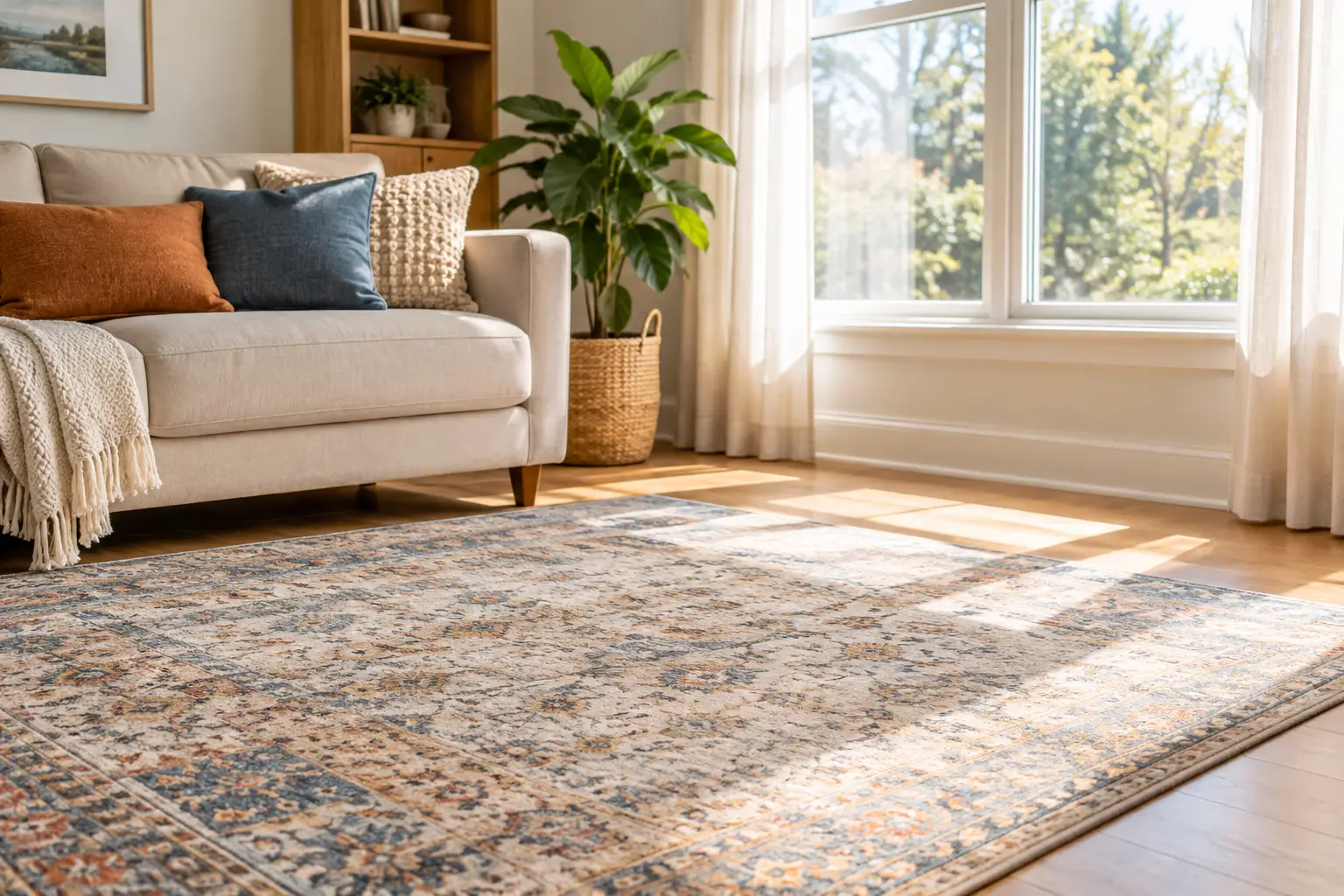
Learn how to protect rugs from sun fading with thoughtful window treatments, rotation, cleaning, and placement tips that preserve color and comfort daily.
From cozy area rugs to statement-making wall décor, our curated categories make it easy to explore what speaks to your space. Whether you’re refreshing a single corner or reimagining your whole home, start here and discover pieces that bring it all together.