

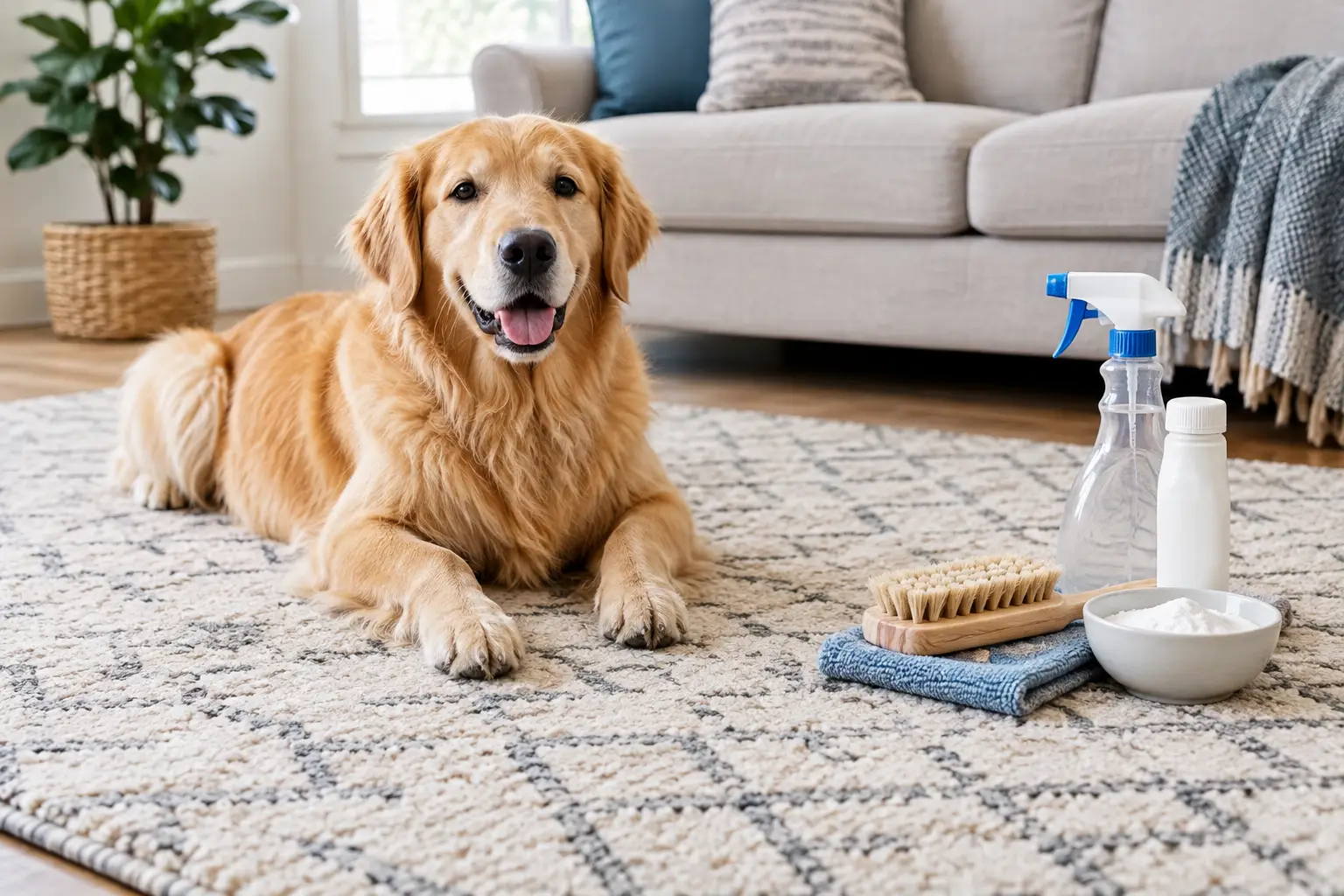
How to Remove Pet Odors From Rugs Safely
Learn how to remove pet odors from rugs without harming color or fibers, plus when professional washing is the smarter choice for a fresh home that lasts.
A dining room can feel beautifully finished or strangely off, and the rug is often the reason. The right scale makes the table feel grounded, the chairs move easily, and the whole room read as intentional. That is why a reliable dining room rug size guide matters so much – it helps you avoid a rug that looks skimpy, catches every chair leg, or overwhelms the space.
The simplest rule is also the most useful: your rug should extend far enough beyond the table that dining chairs stay on the rug, even when pulled out. In most homes, that means allowing at least 24 inches on every side of the table. If your chairs are generously sized or your dining room is used often for lingering meals, 30 inches can feel even better.
This is the detail people notice after the rug arrives, not before. A rug may look correct under the table when all the chairs are tucked in, but if chair legs slide off the edge each time someone sits down, the room never feels easy to use. Good proportion in a dining room is not just visual. It is functional.
For many standard setups, that translates into a few common pairings. A 36 x 60 inch table often works well with an 8 x 10 rug. A larger rectangular table around 42 x 72 inches may still fit on an 8 x 10, but a 9 x 12 usually gives the room a more relaxed, polished look. If your table is oversized or you host frequently, sizing up is usually the better decision.
Start by measuring your table, then add 48 to 60 inches to both the length and width. That gives you the rug size range that typically allows chairs to remain comfortably on the rug. If your table has leaves and you use them often, measure the table in its extended size, not its everyday footprint.
Next, look at the room itself. You do not need the rug to run wall to wall, but you do want a sense of balance around the perimeter. In many dining rooms, leaving 12 to 24 inches of floor visible between the rug edge and the walls creates a tailored look. In smaller rooms, that margin may be tighter. In larger rooms, a wider border can feel elegant and intentional.
This is where real homes require some flexibility. A perfectly sized rug on paper may compete with a buffet, crowd a doorway, or stop awkwardly near a cased opening. If the room has architectural features that shape the layout, use those as visual guides too.
Rectangular tables are the most common, and they usually pair best with rectangular rugs. The shape echoes the furniture and keeps the room feeling composed. For a four to six seat dining table, an 8 x 10 is often the starting point. For six to eight seats, 9 x 12 tends to offer better chair clearance and a more generous presence.
A smaller rug can work in a compact breakfast area, but in a formal or open-concept dining room, undersizing is the mistake that shows fastest. If you are deciding between two sizes and your room can accommodate both, larger is usually more convincing.
Round tables call for a different approach. A round rug generally feels most natural beneath a round table because it reinforces the shape and keeps the arrangement soft and balanced. As with rectangular tables, the key is extending far enough beyond the chair backs.
A 48 inch round table often needs at least an 8 foot round rug. A 60 inch round table may be better on a 9 foot round rug, especially if the chairs are broad or the room is meant to feel a bit more luxurious. In tighter spaces, a square rug can work under a round table, but the proportions need to be checked carefully.
Square tables usually look best on square rugs, though a round rug can sometimes soften a room with many angles. Most square dining tables benefit from the same 24 inch minimum extension on all sides. Because square tables often sit in square or nearly square rooms, getting the border around the rug right is especially important. Too little visible floor can make the room feel crowded. Too much can make the table feel adrift.
An 8 x 10 rug is one of the most popular dining room sizes for a reason. It suits many standard tables and rooms without overpowering the space. It is often right for a four to six seat setup, provided the chairs are not especially deep.
A 9 x 12 rug gives you more breathing room and tends to feel more elevated in a primary dining room. It is well suited to six to eight seat tables, larger chairs, and homes where the dining room is part of a more open layout.
A 10 x 14 rug is usually reserved for larger rooms and substantial tables. If your dining room is generously scaled, or if you are designing around a statement chandelier and larger casegoods, this size can create the kind of quiet luxury that makes the room feel complete rather than merely furnished.
Round rugs are commonly found in 8 foot and 9 foot sizes for dining spaces. The right one depends less on the room label and more on the actual footprint of your table and chairs.
A beautiful rug still has to live well under a table. Dining rooms see movement, crumbs, spills, and chair friction, so material and construction matter just as much as size.
Low-pile rugs are often the easiest choice because chairs slide more smoothly and the surface is simpler to maintain. Flatweaves and tightly woven wool rugs are especially practical. They offer enough softness to warm the room without creating a thick, uneven surface under the chair legs.
High-pile or heavily textured rugs can be striking, but they are not always ideal here. Chair legs may catch, crumbs settle more deeply, and the room can feel less crisp. If your priority is a refined, effortlessly styled dining room that also works for real life, a lower profile rug tends to strike the best balance.
Pattern can also be useful. In dining areas, a subtle pattern or tonal variation often wears better visually than a very light solid rug. It softens the appearance of everyday use and adds depth without making the room feel busy.
The best dining room rug does more than fit. It connects the table to the architecture, supports your color palette, and gives the room a finished point of view. A dark wood table may come alive on a lighter rug with gentle movement. Upholstered dining chairs often benefit from a rug with enough contrast to define their shape. If the room already has wallpaper, dramatic lighting, or bold art, a quieter rug can keep everything feeling composed.
If your dining room opens to surrounding spaces, consider what happens beyond the table. The rug should feel like part of a larger story, not a separate moment. This is especially true in open floor plans, where scale, texture, and color repetition help each area feel distinct yet cohesive.
For homeowners who want the room to feel deeply personal, custom sizing can solve problems that standard dimensions cannot. Awkward room proportions, heirloom tables, and unusual layouts often call for a more tailored solution.
The most common mistake is buying for the table alone rather than the table and chairs in use. The second is choosing a rug that technically fits the room but feels too small once installed. A dining room rarely benefits from a rug that looks tentative.
Another issue is ignoring the fully extended table. If you host during holidays and regularly add leaves, size for that version now rather than replacing the rug later. And while style matters, do not choose texture without thinking about movement. A rug can be gorgeous in the showroom and frustrating at home if the pile is too high for dining chairs.
Seeing rug scale, weave, and color in person often makes these decisions much clearer. At Home Rug Gallery, many homeowners find that once they compare sizes under real lighting and talk through their room layout, the right option becomes much easier to spot.
A dining room should feel welcoming before anyone even sits down. When the rug is the right size, the whole space feels calmer, more polished, and ready to be lived in.
Learn how to remove pet odors from rugs without harming color or fibers, plus when professional washing is the smarter choice for a fresh home that lasts.
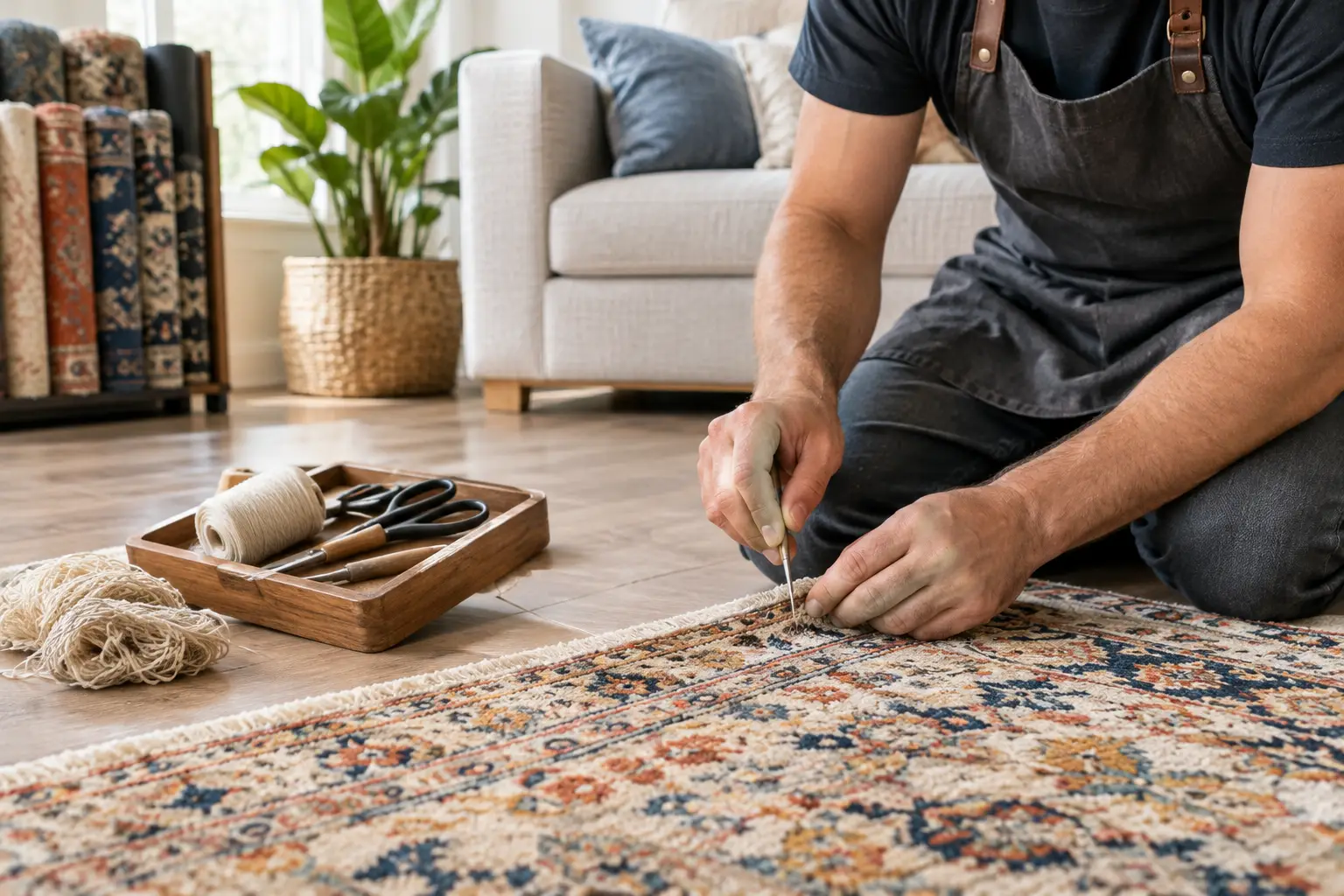
Use this Kennesaw rug repair guide to spot damage early, choose the right restoration, and protect the color, texture, and comfort of your favorite rug.
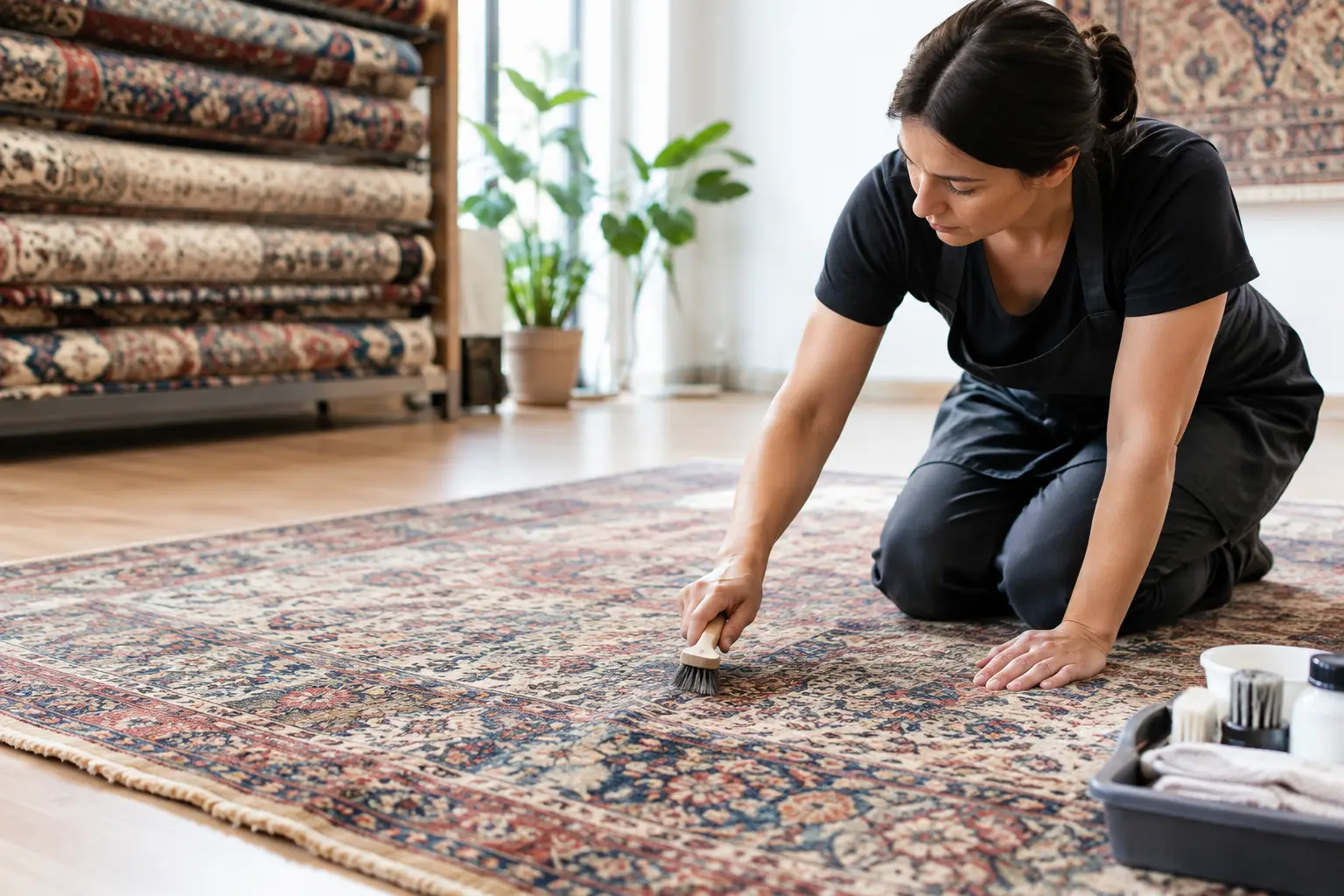
Marietta rug restoration can preserve color, texture, and history. Learn when repair makes sense and how thoughtful care protects a cherished rug at home.
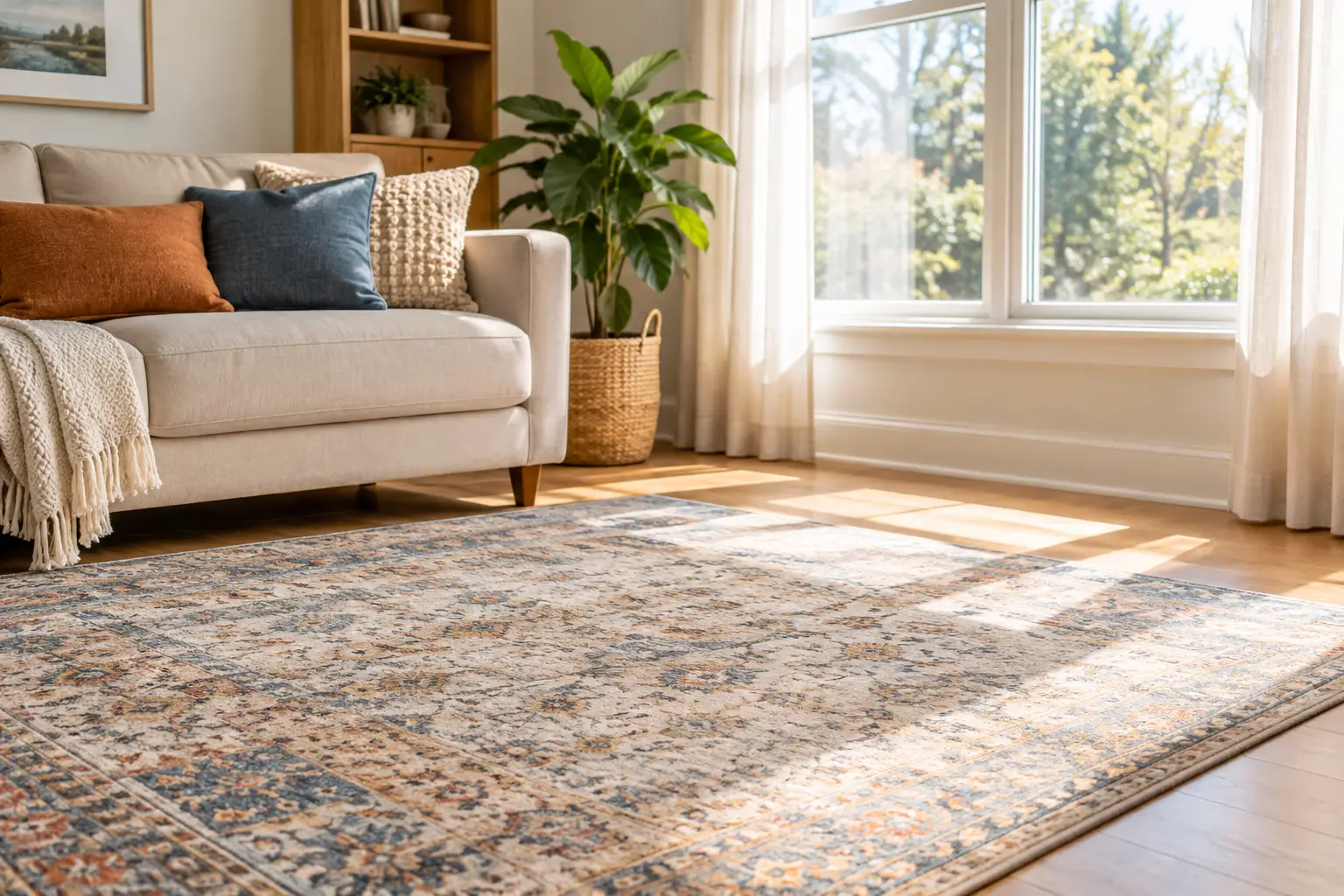
Learn how to protect rugs from sun fading with thoughtful window treatments, rotation, cleaning, and placement tips that preserve color and comfort daily.
From cozy area rugs to statement-making wall décor, our curated categories make it easy to explore what speaks to your space. Whether you’re refreshing a single corner or reimagining your whole home, start here and discover pieces that bring it all together.