

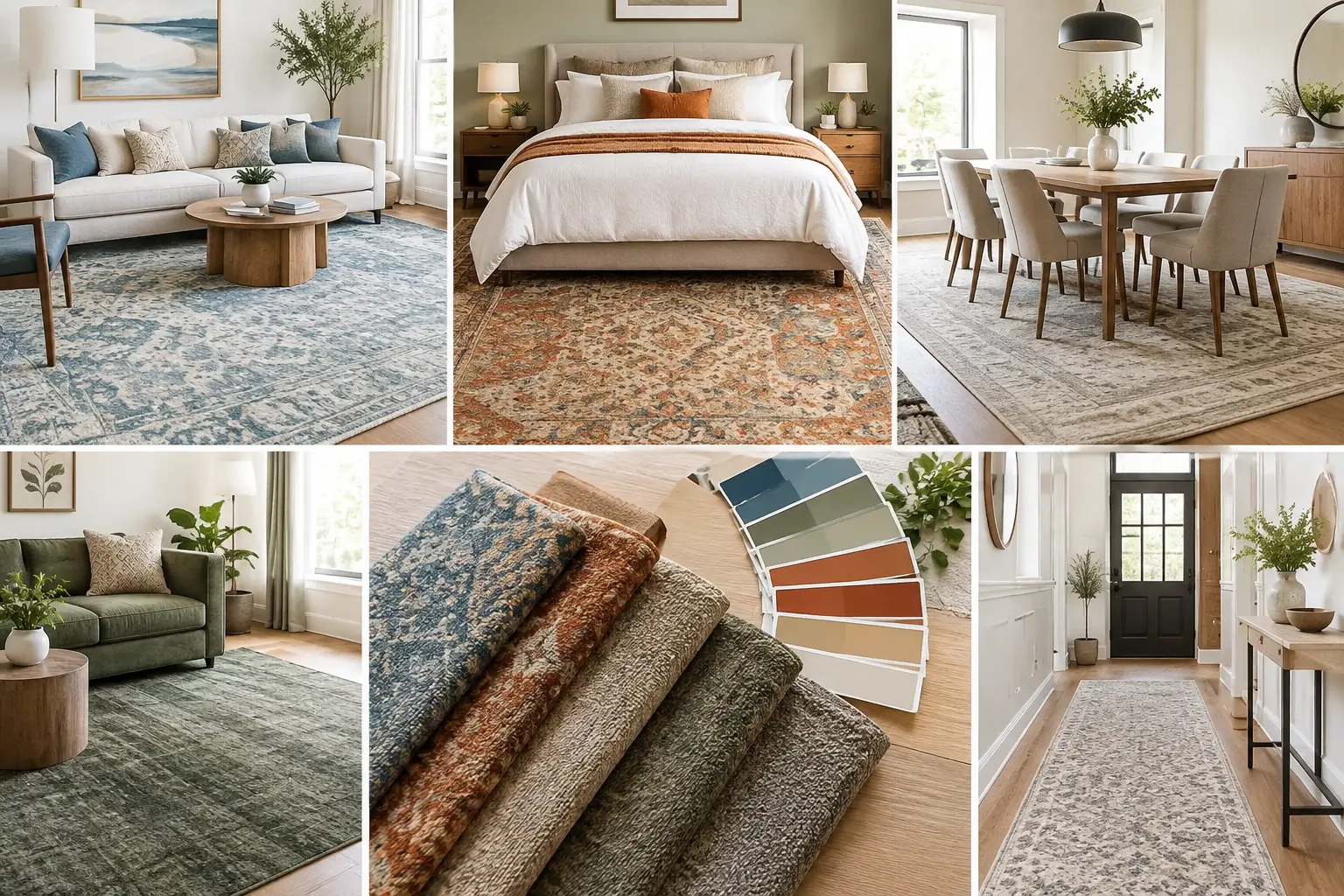
A Guide to Rug Color Matching for Every Room
This guide to rug color matching helps you choose tones, patterns, and textures that make every room feel balanced, personal, and effortlessly styled.
A rug that is two feet too small can make an entire room feel unfinished. It is one of those details homeowners notice without always knowing why. That is exactly where custom size area rugs make such a difference – they let the room feel intentional, balanced, and comfortably lived in rather than almost right.
For many homes, standard rug sizes work well enough. But enough is not always the goal. If you are furnishing a large great room, working around a sectional, anchoring an open-concept layout, or trying to bring warmth to an oddly shaped bedroom, a made-to-fit rug often creates a cleaner and more elevated result.
The most obvious benefit is fit, but the real value goes deeper than dimensions. A properly sized rug helps furniture feel connected to the architecture of the room. It can soften a large floor plan, create visual structure, and support the flow of everyday life.
When a rug is too small, furniture can appear to float. Seating groups feel disconnected. Dining chairs catch at the edges. Hallways and landings can look like an afterthought. With custom sizing, those common frustrations become design opportunities. The rug can frame the space instead of fighting it.
There is also a comfort factor that should not be overlooked. A bedroom rug that extends generously beyond the bed feels better underfoot in the morning. A family room rug sized for the full conversation area makes the room feel more grounded and inviting. In homes where comfort and polish need to live side by side, the right rug size does a surprising amount of work.
Not every room needs a custom solution. In a simple living room with a standard sofa and rectangular footprint, an 8×10 or 9×12 may be perfect. But many homes are not built around standard proportions.
Open-concept spaces are a common example. You may want one rug to define the seating area without drifting awkwardly into the dining space. Or you may need a rug wide enough to sit comfortably under a sectional and accent chairs, while still leaving a clean border of flooring around the edges.
Dining rooms often create another sizing problem. A rug may fit the table itself but not the chairs when they are pulled out. That tends to look cramped and feels inconvenient in daily use. A custom size gives you enough room for movement without overwhelming the room.
Bedrooms, bonus rooms, home offices, and stairs can be just as tricky. Bay windows, fireplaces, built-ins, and unusual room shapes all affect what size will actually feel right. In these spaces, going custom is less about luxury for its own sake and more about solving a real design issue.
The best starting point is not the rug. It is the furniture layout.
In a living room, the rug should usually connect the main seating pieces. Often that means at least the front legs of the sofa and chairs rest on the rug. In a larger room, all major furniture can sit fully on it. What matters most is that the arrangement feels deliberate.
In a dining room, measure the table and then allow enough additional rug on every side so chairs stay on the rug even when pulled out. This is one of the clearest cases where a custom size can improve both appearance and function.
In a bedroom, think about where your feet land. A rug should extend far enough beyond the sides and foot of the bed to create softness where you actually walk. If the room includes nightstands, benches, or a reading corner, those details can affect the ideal proportions.
It also helps to leave a visible border of flooring around the rug. The exact width depends on the room, but some breathing room around the perimeter tends to make everything look more composed. Too little floor showing can feel crowded. Too much can make the rug seem disconnected. This is where in-person guidance can be especially useful, because proportions are easier to judge when you are looking at materials and samples with a real floor plan in mind.
A custom fit will not rescue the wrong texture or fiber. Once size is decided, material becomes the next major choice.
Wool remains a favorite for good reason. It has a beautiful hand, natural resilience, and a quiet richness that works in both classic and more current interiors. For living rooms, bedrooms, and spaces where softness matters, wool often offers that sense of understated luxury many homeowners want.
Synthetic options can be a smart choice in homes with pets, children, or heavier day-to-day wear. They tend to be easier to clean and can perform well in hardworking spaces. Natural fibers like sisal or jute bring relaxed texture and an organic look, but they are not ideal for every room. They can feel wonderfully grounded in a casual sitting area, though less forgiving in places where spills are common.
Construction matters too. A low-profile rug may suit a dining room better because chairs move easily across it. A plusher cut pile might be perfect for a bedroom or den. The right answer depends on how the room is used, not just how you want it to look.
One of the biggest advantages of custom rugs is that they can support a full-room vision. Instead of choosing a rug first and forcing everything else to work around it, you can select a size, palette, and texture that tie into the room as a whole.
That may mean pulling a warm neutral from the upholstery, adding subtle pattern to keep a large room from falling flat, or choosing a refined texture that supports a quiet luxury look without demanding too much attention. Sometimes the most successful rug in a room is not the loudest piece. It is the one that makes everything else look better.
This is particularly true in layered interiors. If you are pairing the rug with lighting, pillows, throws, and accent furniture, proportion and tone matter as much as color. A custom-sized rug can become the foundation for an effortlessly styled room because it is working with the architecture and furnishings rather than simply filling space.
Custom is not automatically the right answer in every situation. It usually involves a longer lead time than taking home a standard size from the showroom floor. It can also cost more, depending on material, construction, and finishing.
There is also less room for casual guesswork. If you are ordering a rug made to your specifications, measurements need to be right. That is why many homeowners prefer to talk through the details with someone who understands layout, traffic flow, and how different fibers will perform over time.
Still, the added planning often pays off. If a room has been difficult to finish, or if standard sizes have left the space feeling slightly off, custom can be the difference between decorating and truly designing.
Photos can help you narrow down a style, but scale and texture are much easier to judge in person. The weight of the material, the way a pattern reads across a larger surface, and the subtle differences between warm and cool neutrals are all things that tend to be clearer in a showroom.
For homeowners in Woodstock who want a rug that feels deeply personal and beautifully practical, that hands-on process matters. Being able to compare textures, discuss room dimensions, and think through how a rug will live with your furniture often leads to better decisions than ordering by screen size and hope.
At Home Rug Gallery, custom rug conversations are usually less about chasing perfection and more about getting the room to feel right. That includes understanding how the rug will function day to day, how it complements the rest of the home, and what level of care will help it stay beautiful over time.
A well-chosen rug has a quiet way of finishing a room. When the size is right, the comfort is there, and the style feels naturally connected to the space, the result is not flashy. It simply feels like home, only more polished.
This guide to rug color matching helps you choose tones, patterns, and textures that make every room feel balanced, personal, and effortlessly styled.

Learn how to remove pet odors from rugs without harming color or fibers, plus when professional washing is the smarter choice for a fresh home that lasts.
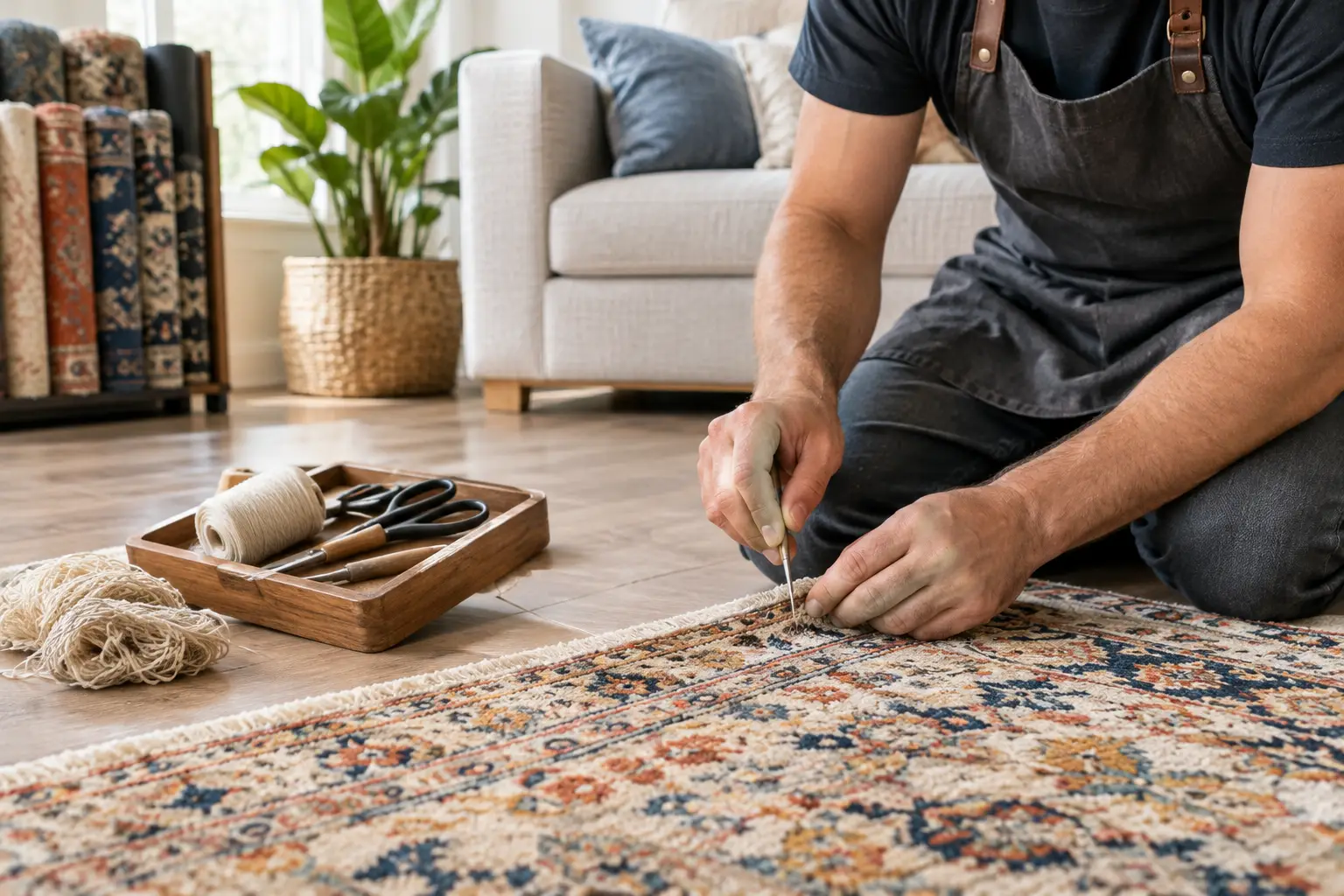
Use this Kennesaw rug repair guide to spot damage early, choose the right restoration, and protect the color, texture, and comfort of your favorite rug.

Marietta rug restoration can preserve color, texture, and history. Learn when repair makes sense and how thoughtful care protects a cherished rug at home.
From cozy area rugs to statement-making wall décor, our curated categories make it easy to explore what speaks to your space. Whether you’re refreshing a single corner or reimagining your whole home, start here and discover pieces that bring it all together.