


How to Remove Pet Odors From Rugs Safely
Learn how to remove pet odors from rugs without harming color or fibers, plus when professional washing is the smarter choice for a fresh home that lasts.
A rug that is two feet too small can make a beautiful room feel unfinished. A rug that is too delicate for a busy household can look tired far sooner than expected. That is why choosing area rugs is rarely just about pattern or color. The right rug shapes the room, softens the atmosphere, and helps everything around it feel more intentional.
For many homeowners, the challenge is not finding a rug they like. It is finding one that fits the room, supports the way they live, and still feels like their style six months from now. That balance is where good rug selection becomes part design decision, part practical planning.
Area rugs are often treated like finishing touches, but they do much more than fill empty floor space. They define conversation areas, add warmth underfoot, soften acoustics, and give furniture a visual anchor. In open floor plans especially, a rug helps one zone feel distinct from the next without adding walls or visual clutter.
They also carry a surprising amount of the room’s personality. A quiet, tonal rug can make a space feel calm and tailored. A vintage-inspired pattern can bring character to a newer home. A richly textured weave can create that layered, effortlessly styled look people want but often struggle to achieve.
Still, beauty alone is not enough. A rug has to suit the room’s scale and your household’s rhythm. That is where the best choices tend to come from seeing materials in person, comparing textures directly, and thinking through how the space is actually used.
If there is one mistake that affects a room more than any other, it is choosing the wrong size. Size comes before pattern, before color, and often before material. A rug that is properly scaled instantly makes a room feel more polished.
In a living room, the rug should connect the seating arrangement rather than float in the middle of it. In many spaces, that means at least the front legs of the sofa and chairs should sit on the rug. In larger rooms, all furniture legs can rest on it comfortably. When the rug is too small, the room tends to feel visually fragmented.
If your layout is compact, you may need to work within tighter dimensions, but the goal is still the same – the rug should look intentional, not incidental. Leaving a consistent border of exposed flooring around the rug usually helps the room feel balanced.
Dining rooms ask for a little extra clearance. The rug should extend beyond the table enough that chairs remain on the rug even when pulled out. Otherwise, the edges become a daily frustration. Flat weaves and lower-profile constructions tend to work especially well here because they allow chairs to move more easily.
Bedrooms benefit from softness and proportion. A large rug placed under the bed can frame the room beautifully and create a more finished look. Depending on the layout, the rug may sit under the lower two-thirds of the bed or extend generously around it. In smaller bedrooms, runners on each side can still add comfort and warmth without overcrowding the space.
These are hard-working spaces, so scale and durability matter equally. A runner should feel substantial enough for the length of the hall and leave a neat margin of flooring on each side. In an entry, the rug should welcome the space rather than obstruct doors or create a tripping point.
A rug may look perfect on display and still be wrong for the room if the fiber does not match the lifestyle. This is where trade-offs matter.
Wool remains a favorite for good reason. It has a rich hand, natural resilience, and a quality feel that suits both traditional and updated interiors. It tends to hold up beautifully in many living spaces, though some homeowners prefer lower-maintenance options in very active households.
Synthetic fibers can be an excellent choice where durability and ease matter most. Family rooms, play spaces, and high-traffic areas often benefit from materials that are easier to clean and less demanding day to day. The look of synthetic rugs has improved considerably, so choosing practicality no longer means sacrificing style.
Natural fibers like jute and sisal bring texture that feels organic and relaxed. They can be ideal in rooms that need warmth without heavy pattern. At the same time, they are not always the softest option under bare feet, and some spaces call for a gentler finish.
Then there is the question of pile. Plush rugs feel inviting in bedrooms and cozy sitting rooms, but they may not be the best fit beneath dining tables or in areas where door clearance is tight. Lower-pile rugs often deliver a cleaner, more tailored look and can be easier to maintain in active spaces.
Once size and material are right, the fun starts. Color and pattern shape how a room feels.
If your furniture is already making a strong statement, a rug can bring balance through quiet pattern, subtle variation, or a soft neutral palette. These rugs often create the sense of quiet luxury many homeowners want – elegant, grounded, and never overdone.
If the room feels flat or overly matched, pattern can add life. A well-chosen rug introduces movement and personality without requiring a full redesign. Traditional motifs can feel timeless, while modern geometrics or abstract designs offer a fresher edge. The best choice depends less on trend and more on the atmosphere you want to live with every day.
It also helps to think about tone, not just color. Warm undertones can make a room feel welcoming and layered. Cooler palettes can feel airy and refined. In homes with open sightlines, a rug does not need to match the next room exactly, but it should feel related.
Many rooms that feel unfinished are not lacking furniture or accessories. They are lacking contrast in texture. A rug can solve that quickly.
A smooth wood floor paired with linen upholstery, soft throws, and a textured rug creates depth that feels collected rather than flat. Even in neutral rooms, texture keeps the design from disappearing into itself. This is especially helpful if you prefer a restrained palette but still want the room to feel layered and deeply personal.
Texture also affects how formal or relaxed a space reads. A refined, low-pile rug can sharpen the look of a dining room or study. A thicker, more tactile weave tends to make family spaces feel more relaxed and inviting.
Photos are useful, but rugs are tactile by nature. The true color shifts with light. The pile changes the way a pattern reads. The softness underfoot matters more than many people expect. That is why in-person comparison remains so valuable, especially when you are trying to coordinate a rug with furniture, pillows, lighting, and the overall tone of a room.
In a showroom setting, homeowners can often spot differences they would miss online – whether a cream reads too yellow, whether a blue leans gray, or whether a texture feels substantial enough for the space. It is also much easier to picture how a rug fits into a broader design story when you can compare it alongside complementary home pieces.
For homeowners in Canton, Woodstock, Acworth, and Kennesaw, that local guidance can make the process far more confident. A rug is not a minor accessory. It is one of the largest visual elements in the room.
A beautiful rug lasts longer when care is considered from the start. That does not mean every room needs the same strategy. It means being realistic.
Homes with pets, children, or heavy entertaining may need materials and constructions that are easier to maintain. Delicate pieces can still have a place, but usually in rooms with lighter traffic. Rotating rugs periodically, using appropriate padding, and responding to spills quickly all help preserve appearance over time.
And when a rug has lasting value – visually, functionally, or sentimentally – professional cleaning and restoration matter. A well-made rug can often remain part of a home for years longer with the right attention.
The best rooms rarely come together by accident. They are built one thoughtful layer at a time, and the rug is often the layer that makes everything else make sense. Choose the piece that fits your room, your routines, and your eye, and the whole space begins to feel more settled.
Learn how to remove pet odors from rugs without harming color or fibers, plus when professional washing is the smarter choice for a fresh home that lasts.
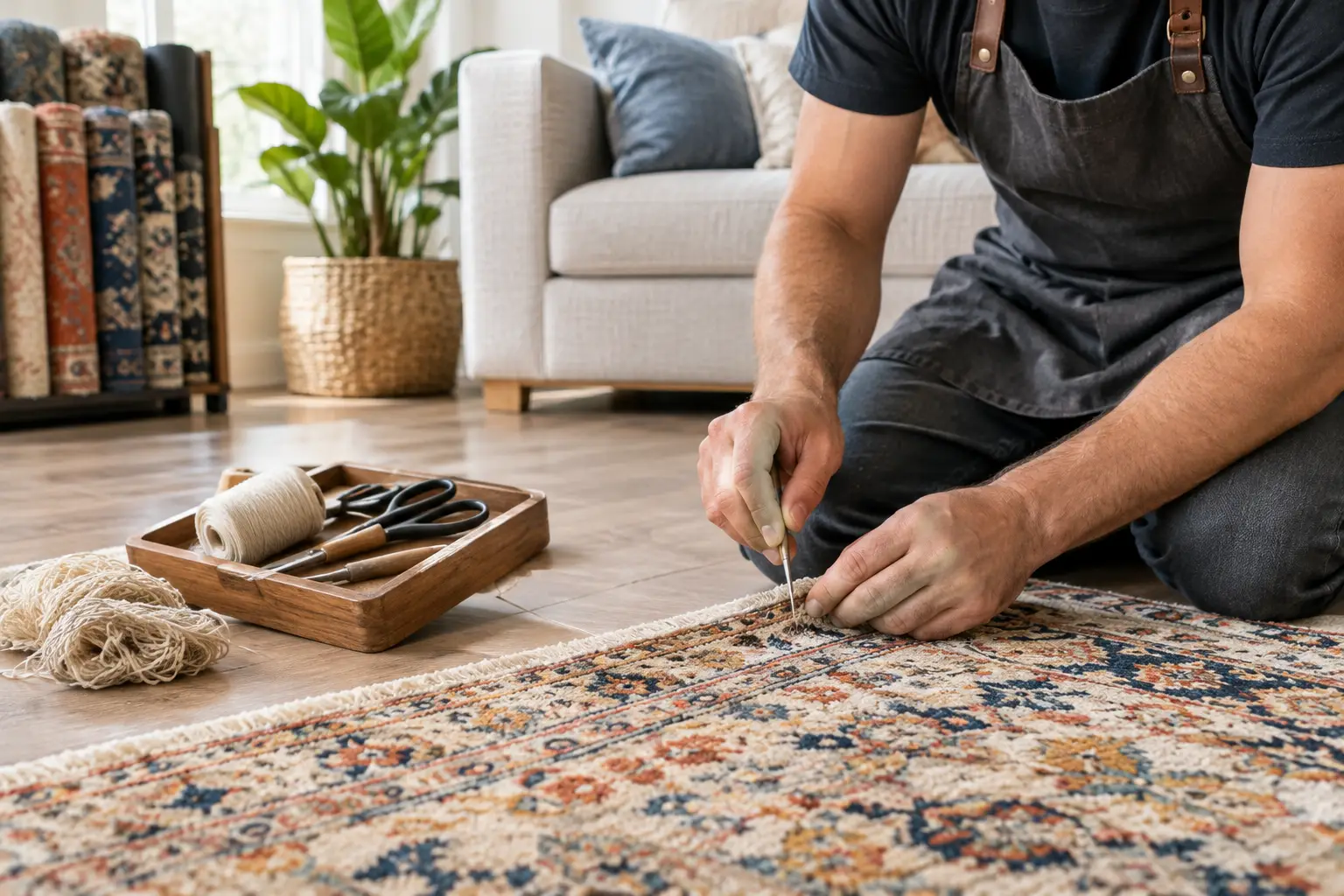
Use this Kennesaw rug repair guide to spot damage early, choose the right restoration, and protect the color, texture, and comfort of your favorite rug.
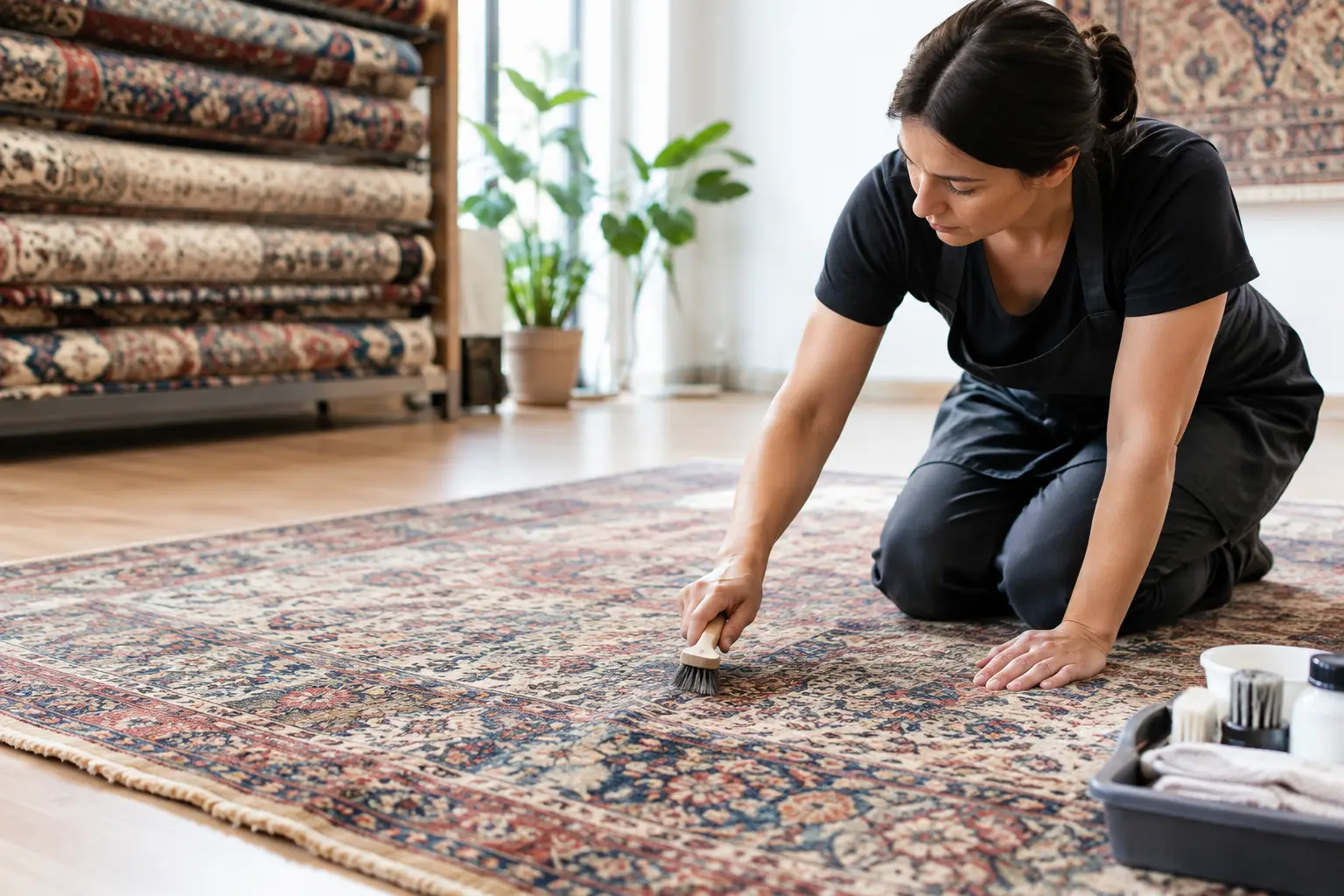
Marietta rug restoration can preserve color, texture, and history. Learn when repair makes sense and how thoughtful care protects a cherished rug at home.
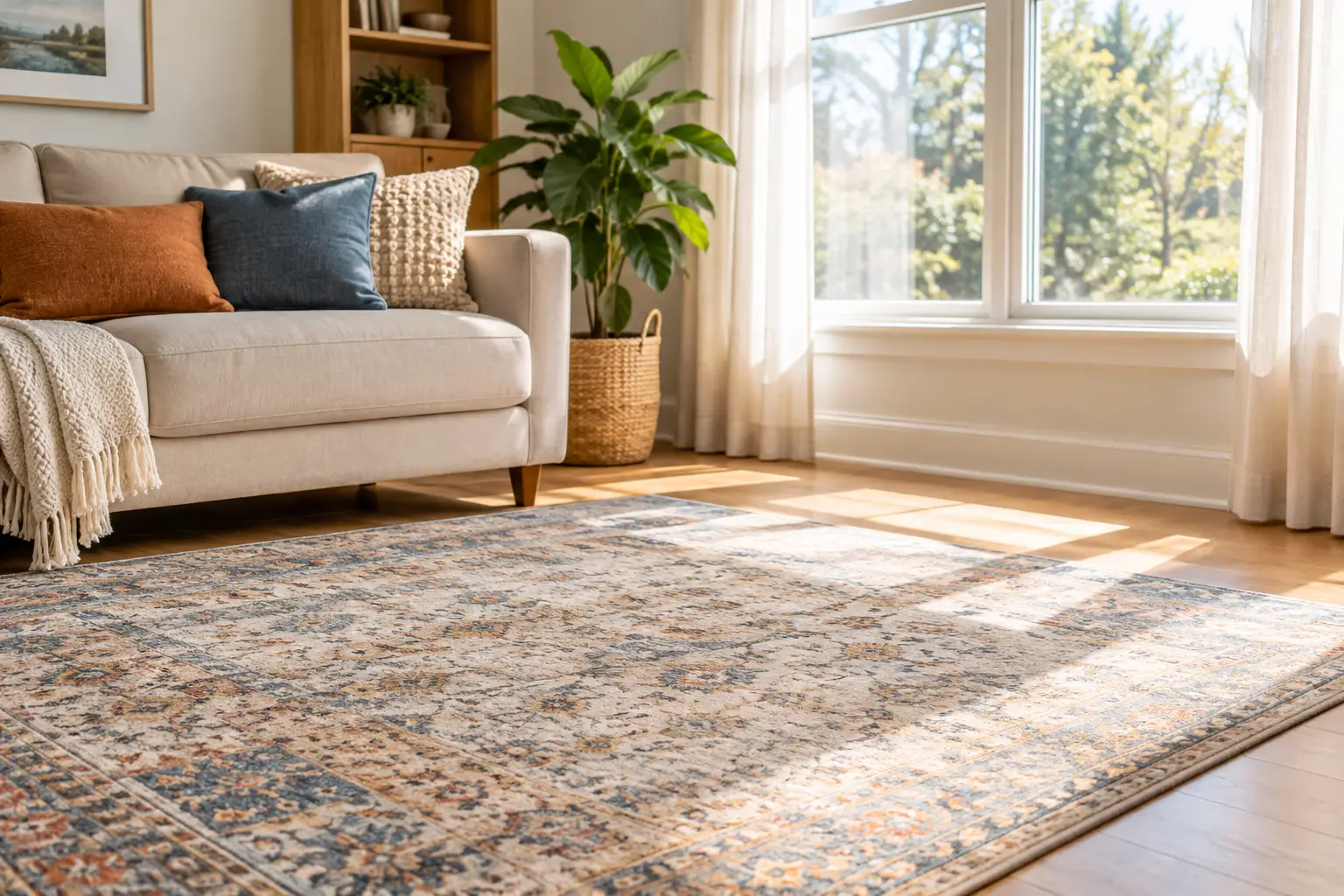
Learn how to protect rugs from sun fading with thoughtful window treatments, rotation, cleaning, and placement tips that preserve color and comfort daily.
From cozy area rugs to statement-making wall décor, our curated categories make it easy to explore what speaks to your space. Whether you’re refreshing a single corner or reimagining your whole home, start here and discover pieces that bring it all together.