

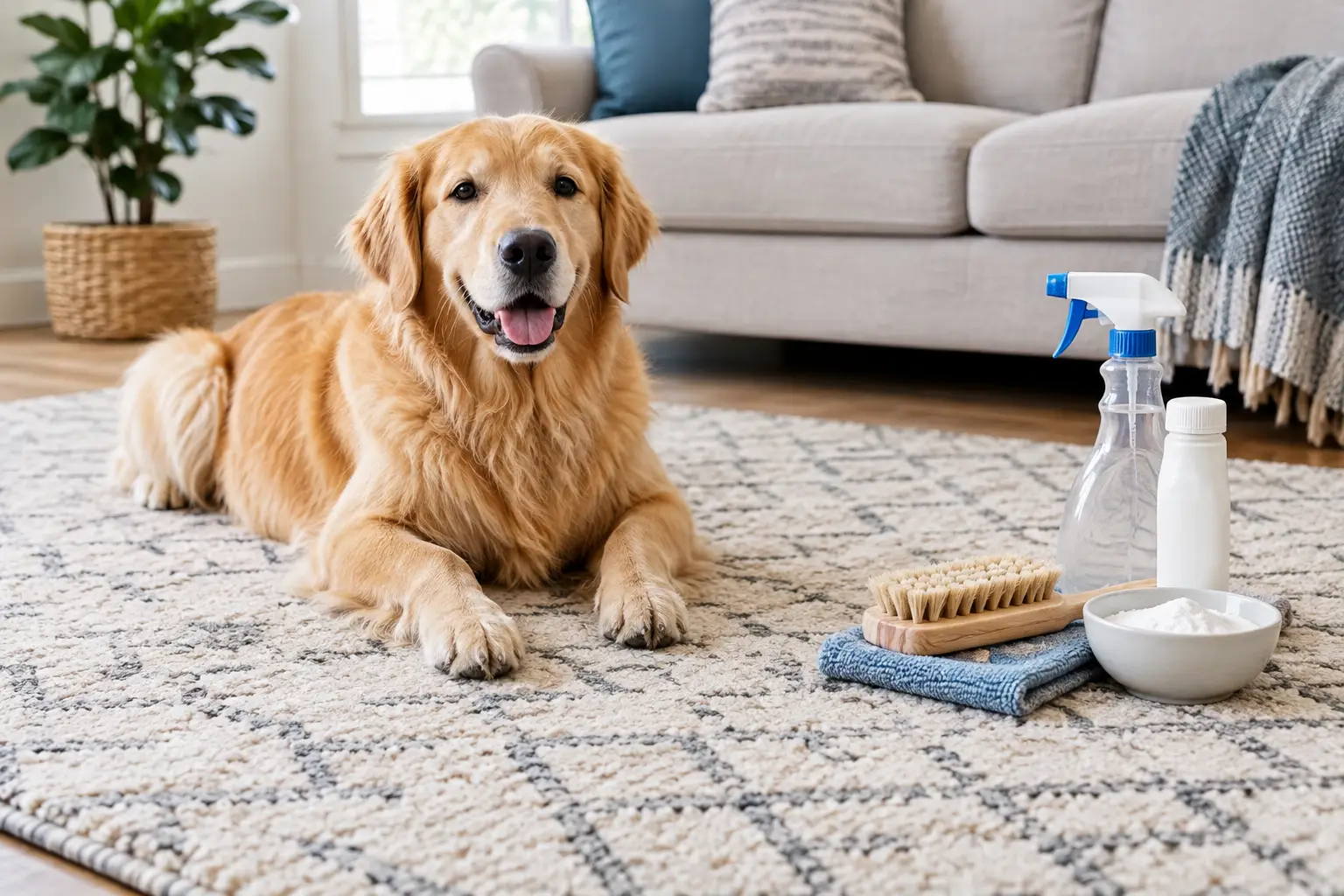
How to Remove Pet Odors From Rugs Safely
Learn how to remove pet odors from rugs without harming color or fibers, plus when professional washing is the smarter choice for a fresh home that lasts.
A wool rug can make a room feel instantly more finished – softer underfoot, quieter, and far more layered than a space without one. But once spills, pet traffic, and everyday dust start to settle in, many homeowners ask the same question: how to clean wool rugs without damaging the texture, color, or shape that made them worth bringing home in the first place.
The short answer is gentle care, not aggressive scrubbing. Wool is durable, but it is also a natural fiber with a distinct structure. It responds well to thoughtful maintenance and poorly to harsh chemicals, excessive moisture, and high heat. If you treat it like a synthetic rug, you can end up with fading, shrinkage, or a roughened surface that never quite looks the same again.
Wool has a built-in resilience that makes it especially appealing in living rooms, bedrooms, dining areas, and other spaces that need both beauty and function. The fibers naturally resist some soiling, and they tend to hold color beautifully over time. That said, wool also absorbs moisture more readily than many machine-made materials, and it can react to overly strong detergents.
This is where restraint matters. A wool rug usually does not need a deep, soaking clean every time it looks a little tired. More often, it needs regular dry soil removal, quick attention to spills, and occasional deeper care when buildup becomes visible. The goal is to preserve the rug’s hand, color, and structure while keeping it fresh enough to support an effortlessly styled room.
For routine care, the safest method is simple and consistent. Start by vacuuming the rug thoroughly, but use suction only if possible and avoid a beater bar unless the rug’s construction clearly allows it. On many wool rugs, especially hand-knotted or hand-tufted styles, aggressive rotating brushes can pull fibers and create fuzzing.
Vacuum both sides if the rug is manageable to lift. Dust and grit settle deep into the foundation, and that hidden debris is often what makes a rug look dull long before it looks obviously dirty. If the rug is too large to turn, focus on slow, overlapping passes across the surface and along the edges where soil collects.
If the rug needs more than vacuuming, move carefully into spot or surface cleaning. Mix a small amount of wool-safe detergent with cool water. The solution should be light, not sudsy. Before using it on a visible area, test a small hidden corner to make sure the color remains stable.
Dip a clean white cloth into the solution and blot the surface gently. Work on small sections and never saturate the pile. Wool does not respond well to being soaked, and too much water can reach the backing or foundation, leading to odor, distortion, or prolonged drying. After blotting with the cleaning solution, go back over the area with another cloth dampened in plain cool water to remove residue.
Then blot dry with towels. If possible, elevate the rug slightly or increase airflow in the room with fans so moisture can escape evenly. Drying matters almost as much as cleaning. A beautifully cleaned wool rug that stays damp too long can develop mustiness or texture changes.
Fresh spills are much easier to manage than set-in stains. If something lands on your wool rug, the first move is not scrubbing. It is blotting. Use a clean, dry cloth or paper towel to absorb as much liquid as possible. Press down firmly and repeat with a fresh section of cloth until the transfer slows.
If the spill is thicker, like sauce or mud, lift away the excess with a spoon or dull edge before introducing any moisture. Rubbing it in only pushes it deeper into the pile.
Once the excess is removed, use your wool-safe cleaning solution sparingly. Blot from the outside of the stain inward so it does not spread. This works well for many common household issues, but there are exceptions. Red wine, coffee, pet accidents, and heavily pigmented spills can behave differently depending on the rug’s dyes and the amount of time they have had to set.
That is where judgment comes in. If a stain is large, strongly colored, or accompanied by odor, home treatment may improve it but not fully resolve it. In those cases, more cleaning attempts are not always better. Overworking the area can create a visibly worn patch even if the stain lightens.
The most common problems come from using the wrong intensity. Wool rewards a lighter touch.
Hot water is one risk. It can encourage dye movement and affect the rug’s texture. Stick with cool or lukewarm water instead. Strong stain removers are another issue, especially products made for synthetic carpet. If the label does not clearly indicate it is safe for wool, it is better left on the shelf.
Too much water is perhaps the biggest mistake. A damp cloth is useful. A soaked rug is not. Saturation can lead to browning, mildew, and foundation damage, particularly in larger rugs that cannot dry quickly.
It is also wise to avoid steam cleaning at home unless the rug manufacturer specifically recommends it. Heat and moisture together can be too aggressive for many wool constructions. The same goes for machine washing most wool area rugs. Even if the rug fits, the process itself can distort the shape and weaken the fibers.
Many wool rugs shed, especially when they are new. This can be unsettling if you are expecting a perfectly tidy surface, but light shedding is often normal and temporary. Regular vacuuming helps remove loose fibers before they settle around the room.
What is not normal is heavy fuzzing after cleaning. If the pile starts looking rough, matted, or frayed, the rug may have been over-scrubbed or exposed to tools that were too harsh. In a design-forward home, texture is part of the rug’s presence. Preserving that soft, tailored finish matters just as much as removing the dirt.
There is a point where home maintenance stops being enough. If your wool rug has overall dinginess, lingering odor, old pet stains, color bleeding, or visible traffic lanes, professional cleaning is usually the smarter path. The same is true for heirloom pieces, hand-knotted rugs, and anything with fringe, delicate dyes, or structural wear.
A well-made wool rug is not just a background layer. It often anchors the room. It sets the mood, softens hard surfaces, and ties furniture, lighting, and textiles together in a way that feels deeply personal. When that piece starts looking tired, proper care can restore far more than cleanliness.
Professional attention also makes sense after seasonal use or major household events. If you have hosted frequently, managed a move, completed a renovation, or noticed increased allergy symptoms, a deeper cleaning can refresh both the rug and the feel of the room. For homeowners in Canton, Woodstock, Acworth, and Kennesaw who want guidance tailored to the rug itself, working with a local specialist such as Home Rug Gallery can help take the guesswork out of what should be cleaned at home and what deserves more advanced care.
The best cleaning strategy is often prevention with a polished edge. Rotate the rug every several months so foot traffic wears more evenly. Use a quality rug pad to reduce friction and keep the foundation supported. If the rug sits in a sunny room, manage direct exposure when possible so color stays balanced over time.
A no-shoes household can make a meaningful difference, especially on lighter wool rugs in living spaces and bedrooms. So can catching small issues early. A quick blot today is far easier than stain correction next month.
If you have pets or children, this does not mean wool is the wrong choice. In many well-lived homes, wool is still one of the best materials because it balances comfort, durability, and timeless style. It simply asks for consistent, informed care.
Knowing how to clean wool rugs well is less about finding one miracle product and more about understanding the material. Be gentle, stay dry where you can, act quickly on spills, and respect the moments when professional care is the better call. A wool rug that is properly maintained does more than stay clean – it keeps the whole room feeling composed, comfortable, and beautifully lived in.
Learn how to remove pet odors from rugs without harming color or fibers, plus when professional washing is the smarter choice for a fresh home that lasts.
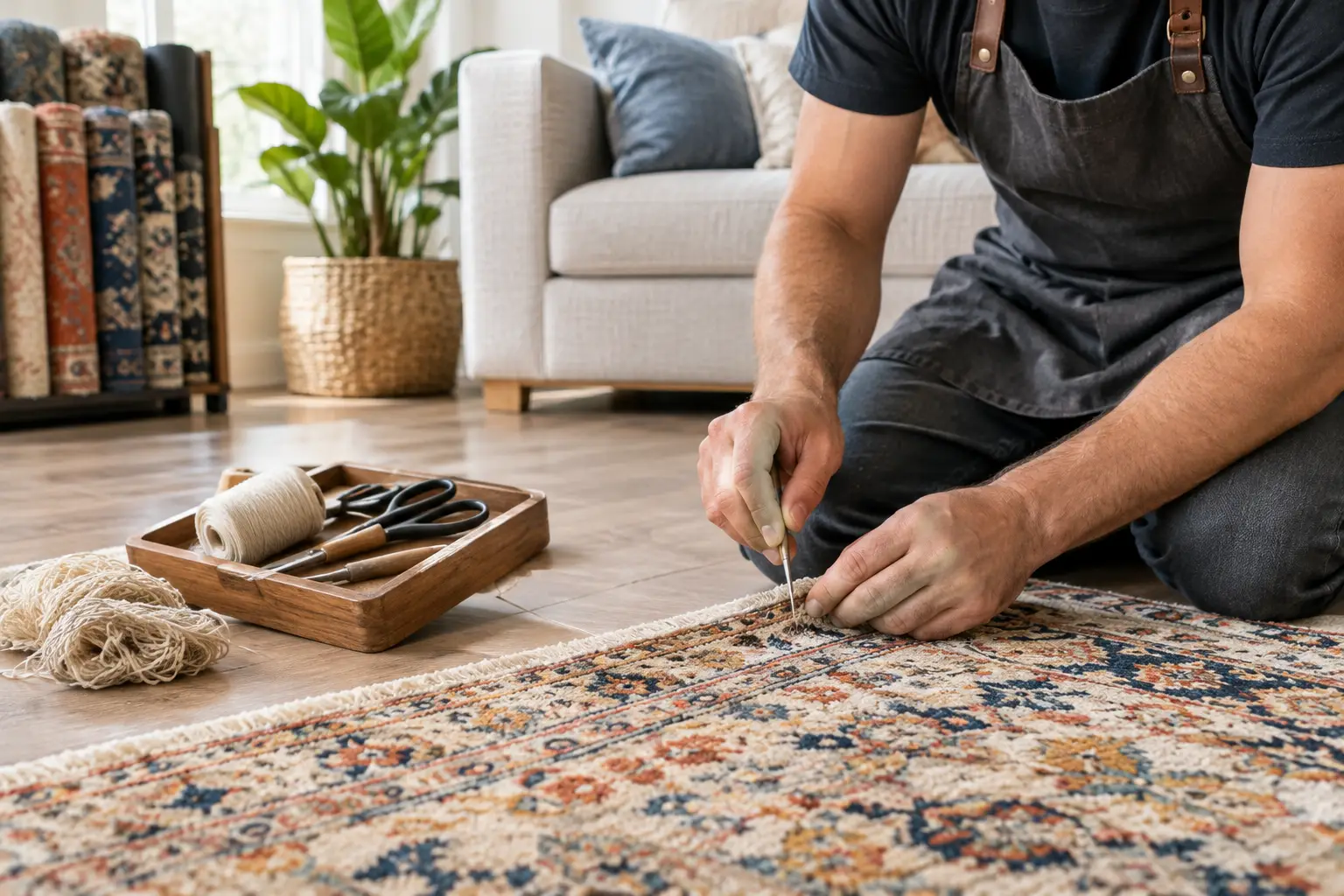
Use this Kennesaw rug repair guide to spot damage early, choose the right restoration, and protect the color, texture, and comfort of your favorite rug.

Marietta rug restoration can preserve color, texture, and history. Learn when repair makes sense and how thoughtful care protects a cherished rug at home.

Learn how to protect rugs from sun fading with thoughtful window treatments, rotation, cleaning, and placement tips that preserve color and comfort daily.
From cozy area rugs to statement-making wall décor, our curated categories make it easy to explore what speaks to your space. Whether you’re refreshing a single corner or reimagining your whole home, start here and discover pieces that bring it all together.