

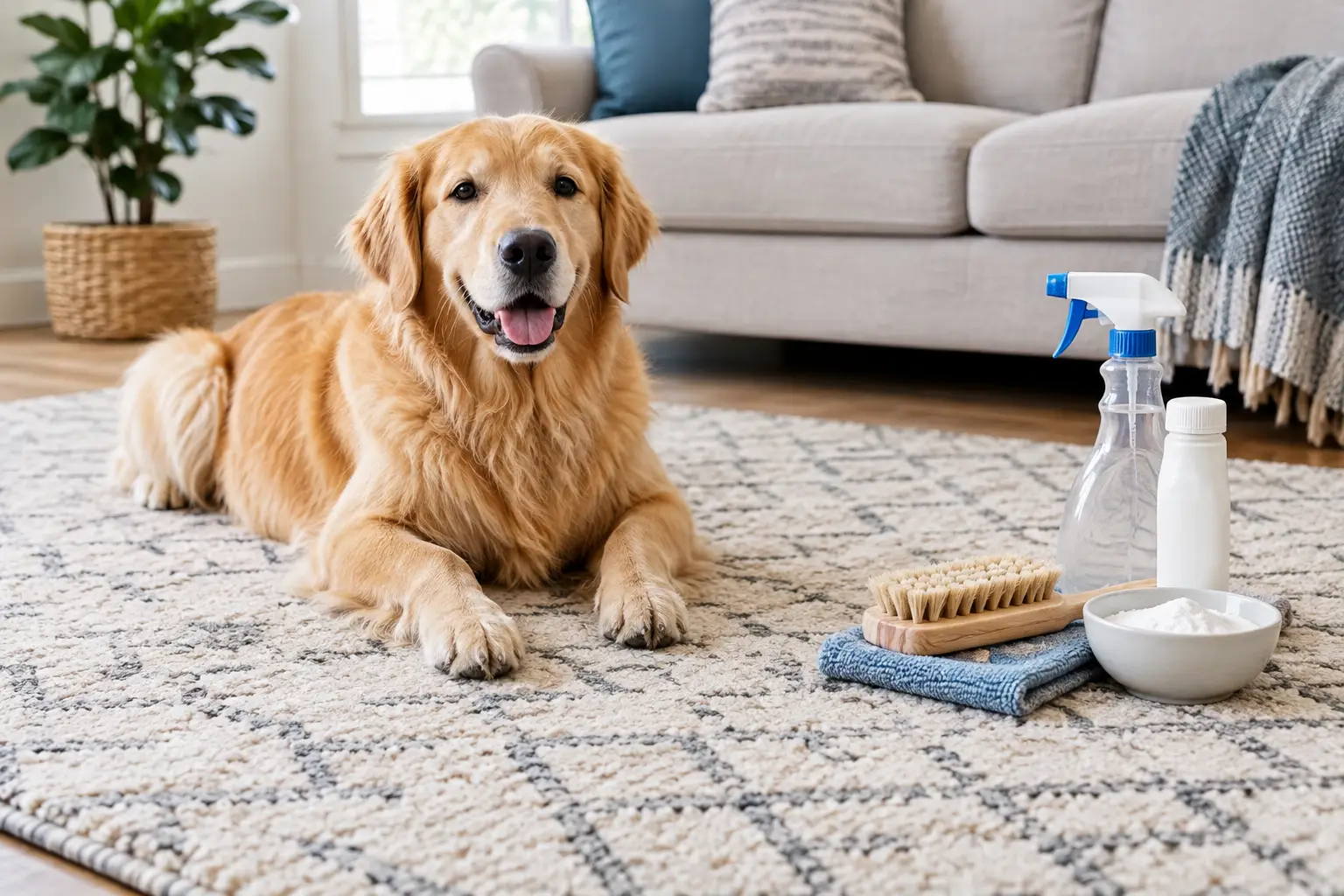
How to Remove Pet Odors From Rugs Safely
Learn how to remove pet odors from rugs without harming color or fibers, plus when professional washing is the smarter choice for a fresh home that lasts.
A beautiful hardwood floor can make a room feel finished before a single piece of furniture is in place. But once you start living in the space, it becomes clear that the right rugs for hardwood floors do more than soften the look. They protect the surface, reduce noise, define seating areas, and add that layered, collected feeling that turns a house into a home.
The key is choosing a rug that works with the floor instead of fighting it. Some rugs are ideal for busy family rooms. Others are better suited for formal spaces, bedrooms, or dining rooms where proportion and polish matter just as much as durability. A well-chosen rug should feel intentional underfoot and visually effortless in the room.
The first decision is function. If your hardwood floors are in a high-traffic area, you need a rug that can handle daily movement without shifting, shedding excessively, or showing wear too quickly. In a quieter space, you may have more freedom to prioritize texture, softness, or a more delicate pattern.
Material makes a real difference here. Wool is often a favorite for hardwood floors because it offers a refined look, natural resilience, and a comfortable feel underfoot. It holds color beautifully and tends to wear well over time, which makes it a strong choice for living rooms, bedrooms, and hallways. Cotton can feel relaxed and casual, but lighter-weight cotton rugs may move more easily and usually need extra support underneath.
Synthetic fibers can be practical in active homes, especially where spills, pets, or heavy use are part of daily life. They are often easier to maintain and can be a smart option when performance matters most. Natural fibers like jute and sisal bring wonderful texture, but they are not always the right answer for every hardwood floor. Their woven structure can feel rougher, and depending on the backing and use, they may need extra attention to prevent abrasion.
This is where the trade-off matters. A rug that looks beautifully tailored in a low-traffic sitting room may not be the one you want beneath a coffee table in a family room where everyone gathers every evening. Style matters, but so does the way the room actually lives.
If there is one detail homeowners often underestimate, it is the rug pad. For hardwood floors, a quality pad is not optional. It helps prevent slipping, reduces wear on both the floor and the rug, and adds a more cushioned, substantial feel.
The wrong pad can cause staining, scratching, or unwanted movement. The right pad helps the rug sit properly and extends its life. It also improves the experience of the room. A rug with a good pad underneath feels quieter, softer, and more finished.
Thickness depends on placement. In a bedroom or living room, a little extra cushion can make the room feel warmer and more inviting. In a dining room, you usually want something lower profile so chairs move smoothly. In an entryway, clearance under the door becomes part of the decision. The best result is always a balance between comfort and fit.
A rug can be absolutely beautiful on its own and still feel wrong in the room if the size is off. On hardwood floors, this becomes even more noticeable because the exposed wood frames the rug and emphasizes proportion.
In living rooms, a common mistake is choosing a rug that is too small. A rug should usually anchor the furniture grouping, not float in the middle like an afterthought. In many rooms, that means at least the front legs of the sofa and chairs should rest on the rug. If the space allows, having all major seating on the rug often creates the most polished look.
In dining rooms, the rug should extend well beyond the table so chairs remain on the rug even when pulled out. That creates a more comfortable experience and protects the floor from repeated chair movement. In bedrooms, placing a large rug under the bed can soften the entire room, while runners on either side can work well in more compact layouts.
When customers visit a showroom, this is often the moment when in-person guidance becomes especially helpful. A rug may seem large in a display but read completely differently once you picture it against your own hardwood floors, furniture scale, and room shape.
Hardwood already brings color and movement into a space, so your rug should complement that character rather than compete with it. If your floors have strong grain or rich tonal variation, a rug with subtle patterning can create balance. If the flooring is more uniform, you may have room to introduce a bolder design.
This does not mean everything needs to match. In fact, rooms tend to feel more deeply personal when there is thoughtful contrast. A cool-toned rug on a warm wood floor can look striking when the rest of the room ties the palette together. Soft neutrals create a quiet luxury feel, while layered earth tones can make the room feel grounded and welcoming.
Texture matters just as much as color. A low-pile rug often feels crisp and tailored, especially in dining rooms, hallways, and transitional spaces. A plush or hand-tufted style can bring comfort and softness to bedrooms and living areas. Flatweaves offer a more casual, collected look and can be especially useful where you want less bulk.
The room should guide the choice. A formal dining room may call for elegance and structure. A den may benefit from softness and performance. A primary bedroom often looks best with texture that adds comfort without overwhelming the space.
Some of the best rugs for hardwood floors are chosen not by trend, but by room purpose. In living rooms, wool rugs, performance blends, and patterned low-pile styles tend to offer the best mix of beauty and function. They can handle everyday use while still feeling elevated.
In dining rooms, low-pile or flatweave rugs are usually the most practical. They allow chairs to move more easily and keep the setting feeling clean and composed. Busy patterns can also be helpful here, since they are often more forgiving in active spaces.
For bedrooms, softness becomes a bigger priority. This is where a plush texture or finely woven wool rug can make the room feel more finished and restful. The contrast of soft fibers against hardwood floors is part of what gives a bedroom that inviting, effortlessly styled quality.
Hallways and entryways need durability above all. These are hard-working areas where a runner should stay in place, wear well, and maintain its shape. A rug with visual texture or pattern can add character without showing every bit of daily traffic.
Not every rug is ideal for wood surfaces. Rough backings, poor-quality materials, or rugs used without the proper pad can lead to wear over time. Even a beautiful rug can become a problem if it slides constantly or traps grit against the floor.
It is also wise to be careful with overly delicate constructions in busy spaces. A rug may look perfect in a styled photo, but if it cannot handle pets, children, or regular entertaining, it may not feel like the right fit for long. The most successful rooms are not just attractive. They are livable.
Another common issue is choosing based only on color. A rug may coordinate perfectly with your sofa or wall color, but if the pile is wrong for the room, or the size leaves too much hardwood exposed in awkward ways, the room can still feel unfinished. Good rug selection always lives at the intersection of style and use.
Hardwood floors have undertones, sheen, and character that are hard to judge from a screen. The same rug can read warmer, cooler, lighter, or more textured depending on the wood beneath it and the natural light in the room. That is why many homeowners find it easier to make a confident decision when they can compare options in person.
At a design-focused showroom like Home Rug Gallery, the process becomes less about guessing and more about refining. You can compare fibers, feel the pile, see how colors shift, and think about how the rug will live in your home – not just how it looks in isolation. That kind of hands-on selection often leads to rooms that feel more cohesive and more truly yours.
A hardwood floor deserves a rug that protects it, complements it, and makes the whole room feel more considered. When the size is right, the material suits the way you live, and the style reflects your home, the effect is subtle but transformative – the room feels settled, comfortable, and complete.
Learn how to remove pet odors from rugs without harming color or fibers, plus when professional washing is the smarter choice for a fresh home that lasts.
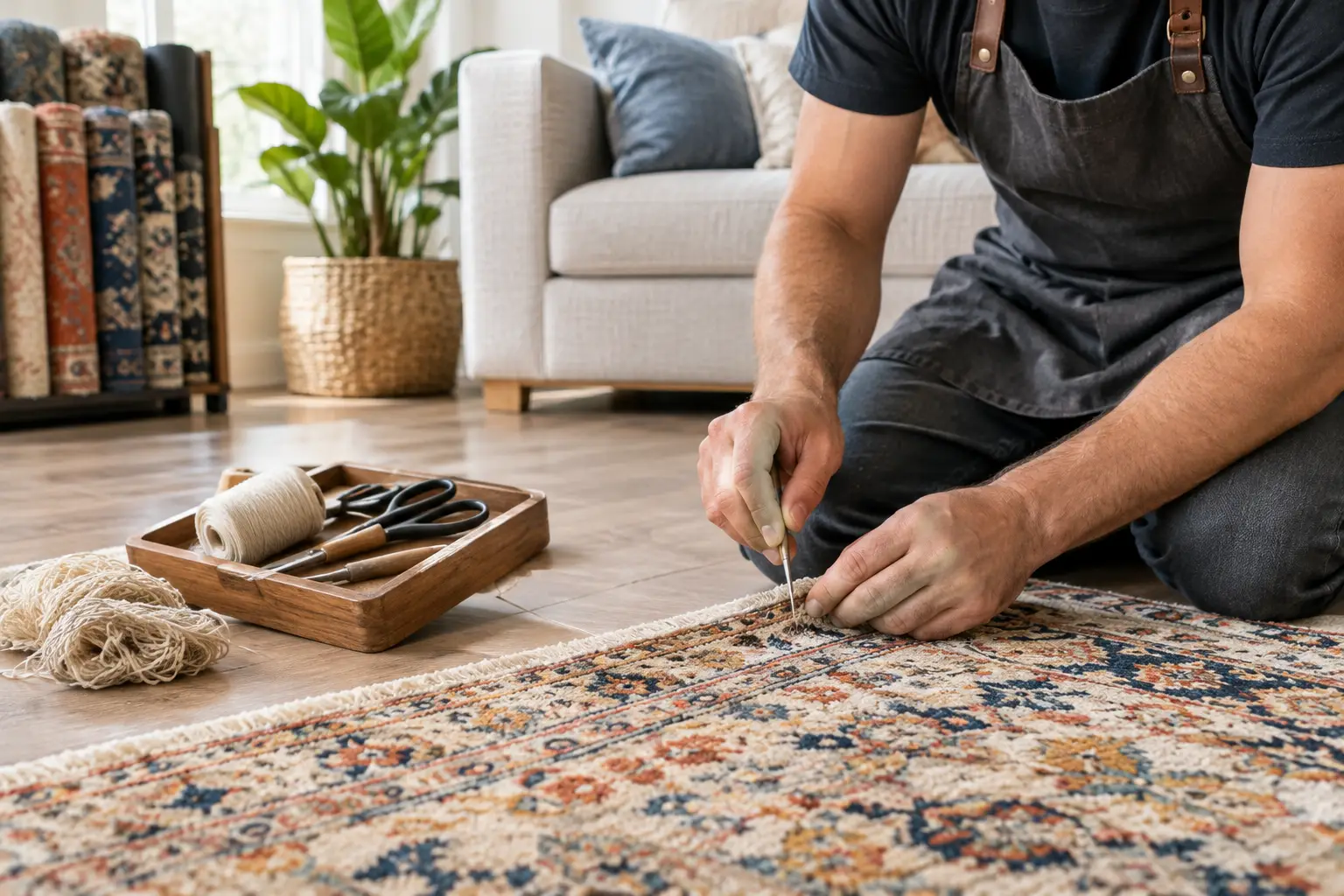
Use this Kennesaw rug repair guide to spot damage early, choose the right restoration, and protect the color, texture, and comfort of your favorite rug.
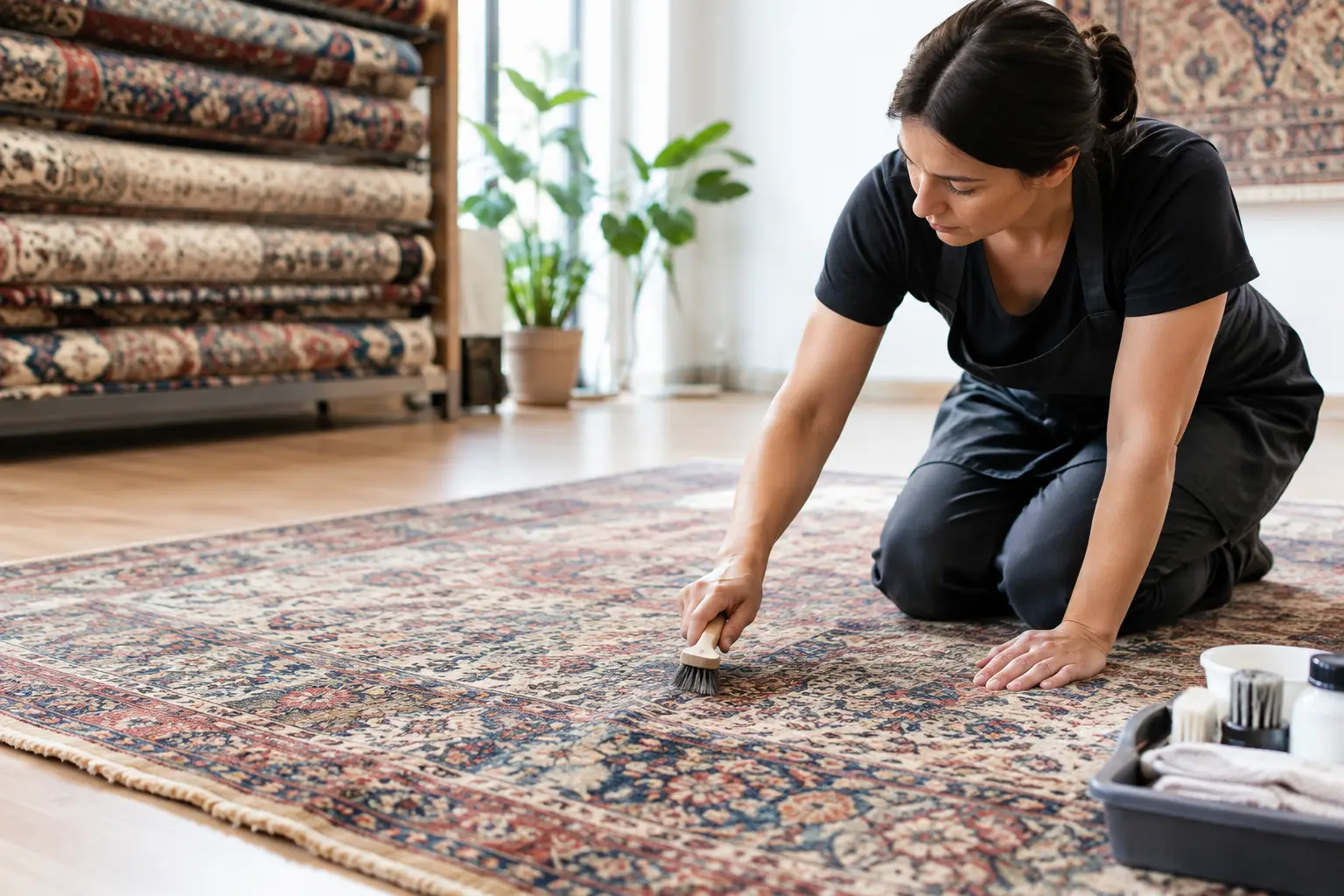
Marietta rug restoration can preserve color, texture, and history. Learn when repair makes sense and how thoughtful care protects a cherished rug at home.
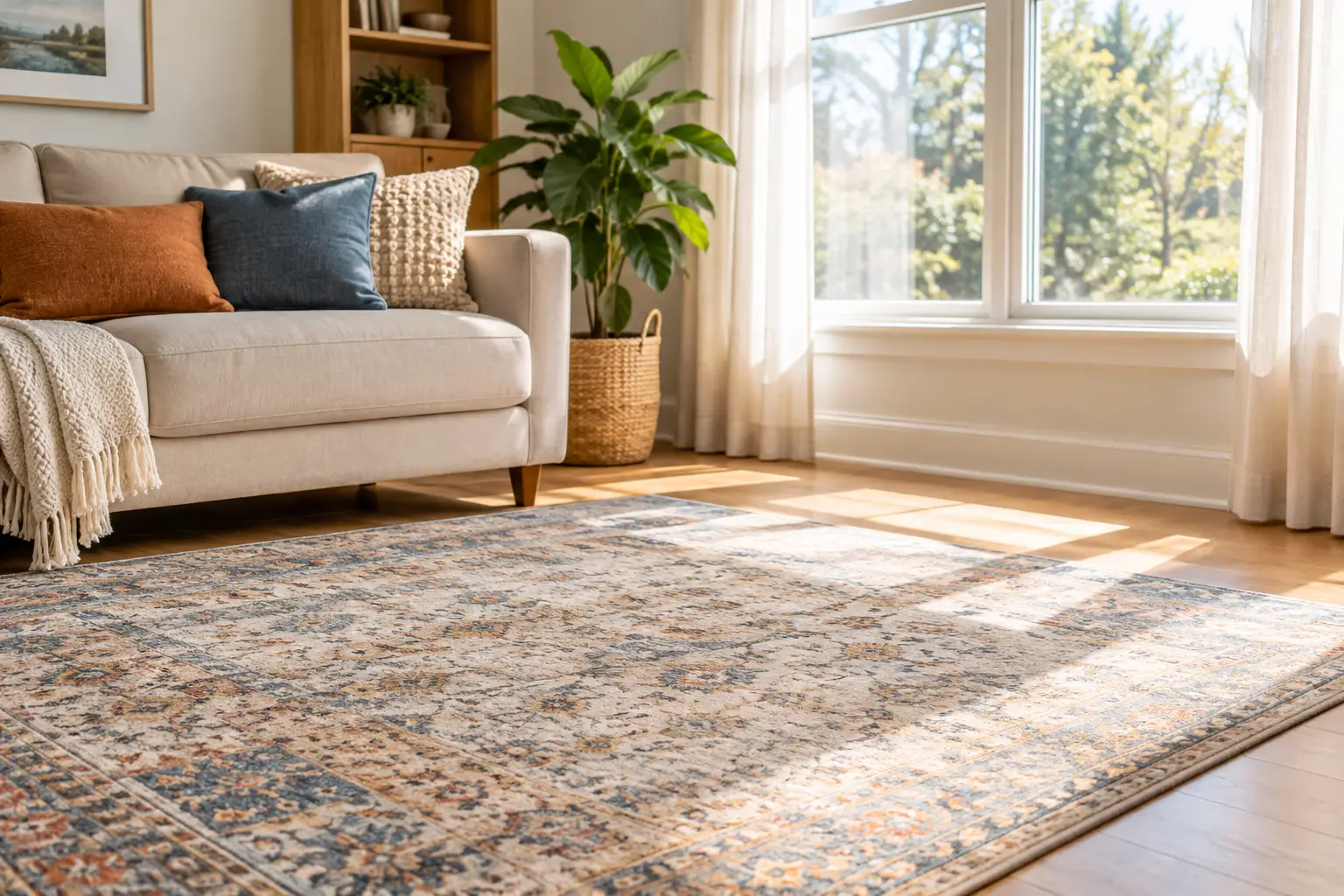
Learn how to protect rugs from sun fading with thoughtful window treatments, rotation, cleaning, and placement tips that preserve color and comfort daily.
From cozy area rugs to statement-making wall décor, our curated categories make it easy to explore what speaks to your space. Whether you’re refreshing a single corner or reimagining your whole home, start here and discover pieces that bring it all together.