


How to Remove Pet Odors From Rugs Safely
Learn how to remove pet odors from rugs without harming color or fibers, plus when professional washing is the smarter choice for a fresh home that lasts.
A rug can make a room feel finished in five minutes – or slightly off every time you walk past it. Most people do not struggle because they have bad taste. They struggle because the right rug has to do several jobs at once. A good area rug buying guide should help you think beyond pattern alone and choose something that fits the room, supports daily life, and feels beautiful for years.
The best starting point is not the rug itself. It is the room. Before you think about color, fiber, or style, look at how the space is used. A formal living room asks for something different than a family room where kids stretch out on the floor. A bedroom rug should feel soft and grounding first thing in the morning. A dining room rug needs enough scale to support chairs even when they are pulled back. When the function is clear, the design decisions become much easier.
Size is where the most common rug mistakes happen. A rug that is too small can make a room feel disconnected, no matter how beautiful the pattern is. In most spaces, bigger feels calmer and more intentional.
In a living room, the rug should usually anchor the main furniture grouping. That often means the front legs of the sofa and chairs sit on the rug, or in larger rooms, all major pieces rest fully on it. If the rug floats in the center with a wide band of bare floor around it, the room can feel visually skimpy. You want the rug to gather the seating area, not hover beneath the coffee table like an afterthought.
In a dining room, measure with the chairs pulled out, not tucked in. If chair legs catch the rug edge every time someone sits down, the room never feels easy to use. Bedrooms allow more flexibility, but the goal is still balance. A rug can sit fully under the bed and nightstands, or it can extend generously from the lower two-thirds of the bed. What matters is that the exposed rug feels deliberate when you step onto it.
Hallways and entryways bring a different challenge. Here, proportion matters as much as durability. A runner should leave visible flooring at the sides so it feels tailored to the architecture. Too narrow looks accidental. Too wide can crowd the space.
The most stylish rug in the showroom is not the right choice if it does not suit the way you live. Material affects texture, durability, maintenance, and how formal or relaxed a room feels.
Wool remains a favorite for good reason. It has a rich hand, natural resilience, and a timeless quality that works in both traditional and updated interiors. It is often an excellent choice for living rooms, bedrooms, and other spaces where comfort and longevity matter. If you want quiet luxury underfoot, wool is usually part of that conversation.
Synthetic fibers can be a smart fit for busier areas, especially where durability and easier cleanup matter most. They can offer a polished look with less worry, though they may not have quite the same depth or natural softness as wool. This is one of those it-depends decisions. If the room gets heavy daily traffic, pets, or frequent entertaining, practicality may deserve a little more weight.
Natural fibers such as jute or sisal bring texture and an easy, layered look. They can be especially appealing in casual spaces, sunrooms, and interiors that lean organic. Still, they are not ideal for every household. Some are rougher underfoot, and some can be less forgiving with spills. They are beautiful, but beauty should be matched with expectations.
Silk or silk-blend rugs bring light, softness, and refined detail, but they are better suited to lower-traffic rooms where their finish can be appreciated and protected. They can feel deeply personal and elevated, but they are not usually the hardworking choice for every room.
Many shoppers begin with color because it feels exciting, but this decision works best when it is tied to the rest of the room. A rug does not need to match everything exactly. In fact, rooms often feel more layered and sophisticated when the rug relates to the space rather than copies it.
If your furniture is neutral, a patterned rug can add movement and personality without overwhelming the room. If your sofa, drapery, or accent pieces already carry visual weight, a quieter rug may bring balance. Think about whether the space needs energy or calm. Both can be beautiful, but they create very different moods.
Pattern scale matters more than many people expect. Small, intricate motifs can read classic and detailed, while larger patterns often feel bolder and more modern. Multi-tonal rugs are particularly useful because they pull several finishes together and hide everyday wear a bit better. That can be helpful in spaces where style and practicality need to meet in the middle.
Undertone also deserves attention. A rug with warm beiges, ivories, or browns will feel different from one with gray or cooler taupe notes, even if both seem neutral at first glance. This is one reason in-person shopping can be so valuable. What looks soft and balanced on a screen may read too yellow, too cool, or too busy once it is placed near your actual furniture and lighting.
A thoughtful area rug buying guide should also explain construction, because this affects both performance and appearance. Hand-knotted rugs are often prized for their craftsmanship, nuance, and long-term durability. They tend to have depth and character that many homeowners appreciate when they want an heirloom feel.
Hand-tufted rugs can offer a beautiful, substantial look with softness underfoot and a broad range of styles. They are often a strong choice for decorative impact in rooms where comfort matters. Machine-made rugs can also be excellent depending on the space, especially when ease of care and consistency are priorities.
None of these options are universally best. The right choice depends on whether you are designing a forever room, furnishing a hardworking family space, or adding a finishing layer to a room refresh. Construction is not just a technical detail. It shapes the everyday experience of the rug.
Texture is often what gives a room its finished feeling. A flatweave rug can look clean, tailored, and understated. A higher pile can add softness and warmth, especially in bedrooms and cozy sitting areas. Textural contrast can also make neutral rooms feel far more intentional.
That said, plush is not always better. In a dining room, a very thick pile can make chairs harder to move. In an entry, it may trap more debris than you want. In a home with pets, looped constructions may need a more careful look depending on claws and wear. This is where a tactile showroom experience helps. Seeing a rug is helpful. Feeling it is often what confirms whether it belongs in your home.
The strongest rooms rarely treat the rug as a separate purchase. They use it as a foundation for the full story of the space. Once the rug is selected, pillows, throws, lighting, and accent pieces can echo its tones or textures in subtle ways. That is when a room begins to feel effortlessly styled instead of simply furnished.
If you are updating one room at a time, it helps to think about how the rug connects to adjacent spaces. Homes feel more polished when there is a sense of continuity, even if each room has its own personality. That does not mean everything should match. It means the transitions should feel considered.
For homeowners in Canton, Woodstock, Acworth, and Kennesaw, shopping in person often makes this process clearer. You can compare size, texture, and color in real time and get guidance that reflects the way you actually live, not just what looked good in a staged photo.
The right rug should be chosen with its future in mind. Even the best rug benefits from regular care, and some materials or constructions may suit your maintenance preferences better than others. If you want something for a high-use room, ask yourself whether you are comfortable with the level of upkeep it may require.
This does not mean avoiding beautiful pieces. It means buying with confidence. A rug is part design element, part everyday surface. The more honestly you match it to your home, the better it will wear and the longer you will love it.
A well-chosen rug changes more than the floor. It softens a room, sets the tone, and helps a home feel deeply personal – which is exactly why it is worth taking your time and choosing one that truly fits.
Learn how to remove pet odors from rugs without harming color or fibers, plus when professional washing is the smarter choice for a fresh home that lasts.
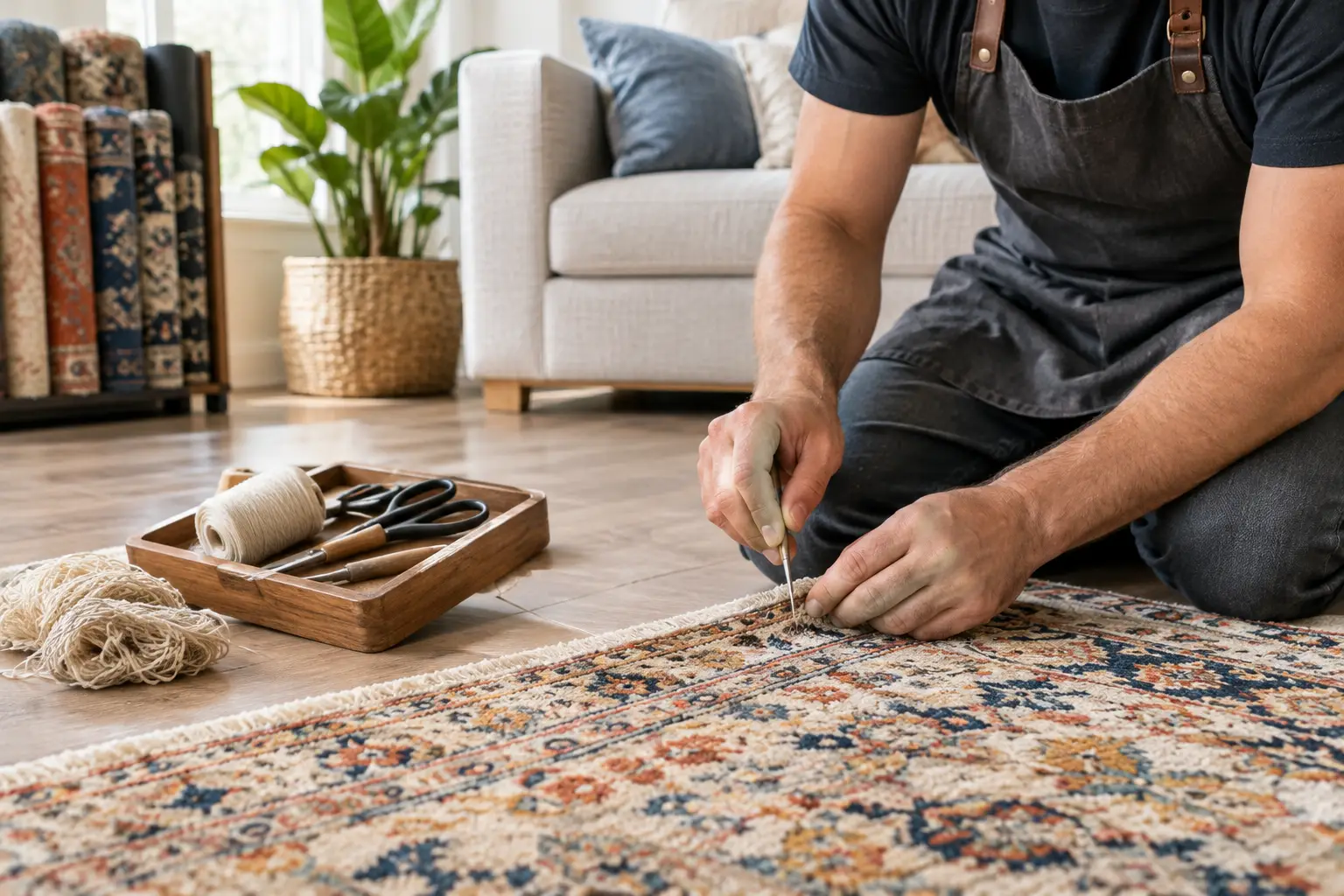
Use this Kennesaw rug repair guide to spot damage early, choose the right restoration, and protect the color, texture, and comfort of your favorite rug.
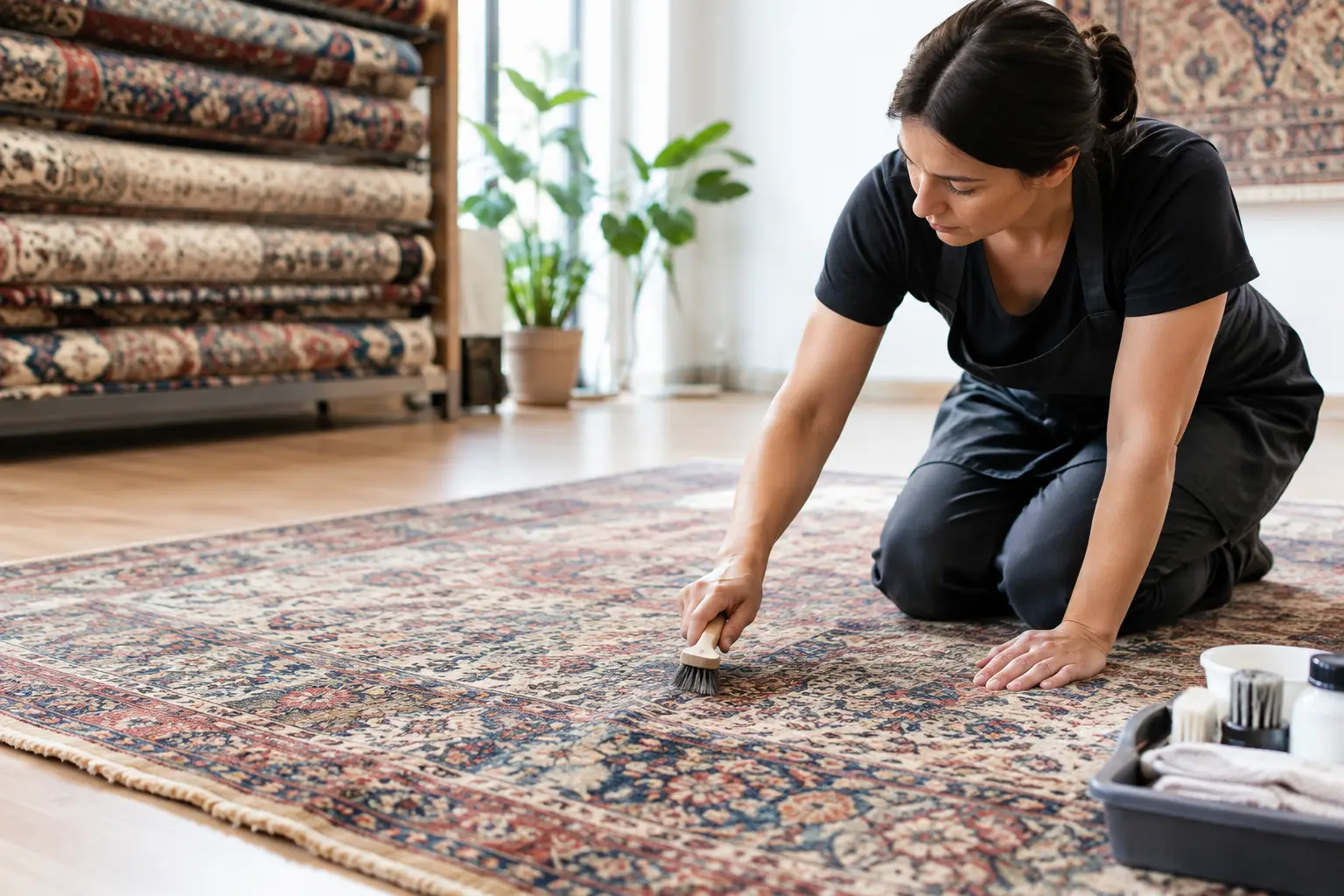
Marietta rug restoration can preserve color, texture, and history. Learn when repair makes sense and how thoughtful care protects a cherished rug at home.
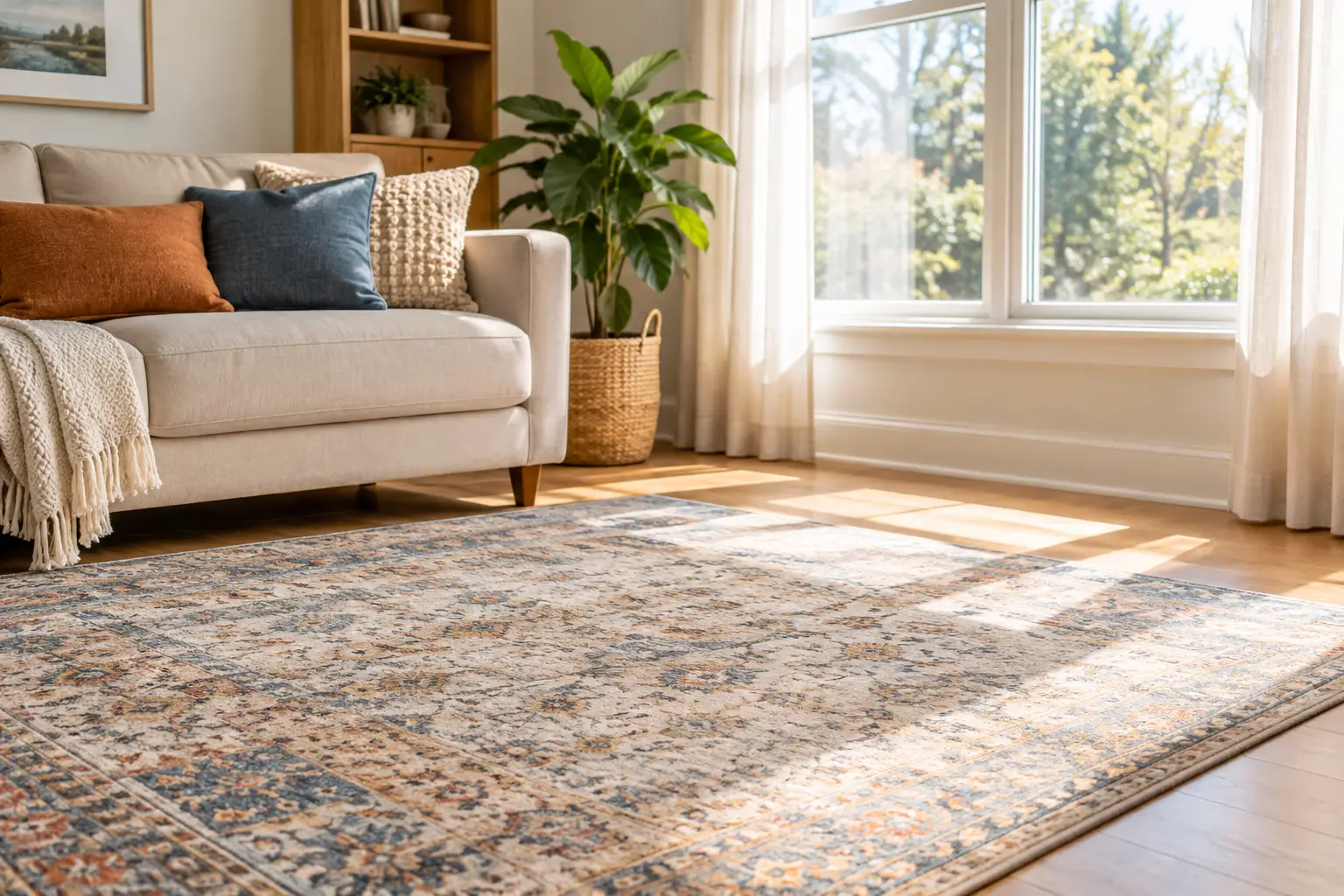
Learn how to protect rugs from sun fading with thoughtful window treatments, rotation, cleaning, and placement tips that preserve color and comfort daily.
From cozy area rugs to statement-making wall décor, our curated categories make it easy to explore what speaks to your space. Whether you’re refreshing a single corner or reimagining your whole home, start here and discover pieces that bring it all together.