

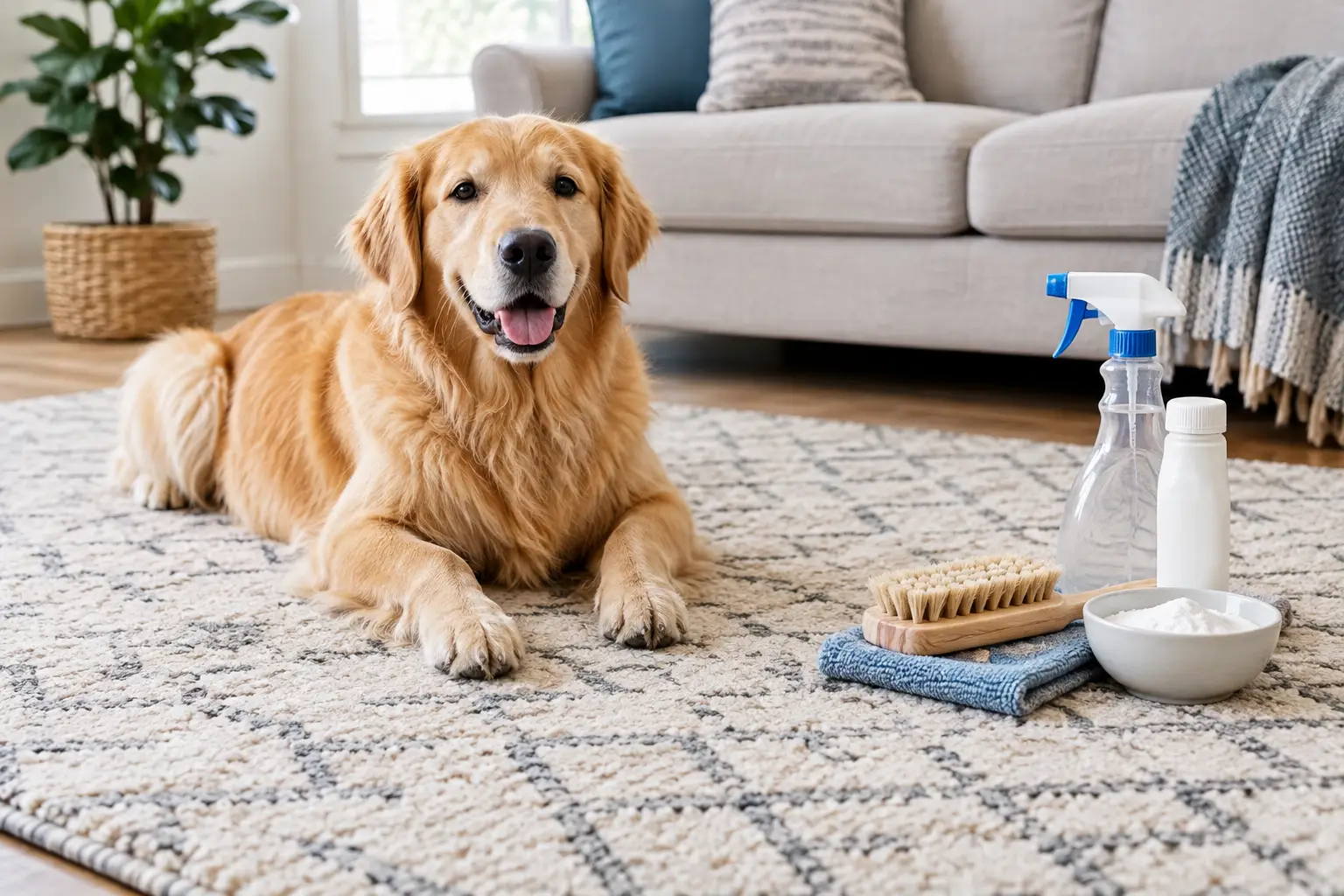
How to Remove Pet Odors From Rugs Safely
Learn how to remove pet odors from rugs without harming color or fibers, plus when professional washing is the smarter choice for a fresh home that lasts.
A rug can look perfectly finished in a room and still feel slightly off once you start living with it. It shifts underfoot, the corners lift, the pile wears faster in the walkway, or the room never quite gets that grounded, polished feel you wanted. That is why rug padding versus no padding is not a small detail. It changes how a rug performs, how it feels, and how long it holds its shape in your home.
For some homeowners, a rug pad is absolutely worth it. For others, going without one can make sense in a very specific setting. The right choice depends on the rug itself, the flooring underneath, and how the room is used day to day.
At first glance, a rug pad seems invisible, which makes it easy to treat as optional. In practice, it influences nearly everything about the rug experience. A pad adds a layer between the rug and the floor, creating grip, cushioning, and a bit of lift. Without that layer, the rug sits directly on the surface below it.
That difference affects comfort first. In a living room or bedroom, padding gives the rug a fuller, more substantial feel underfoot. Even a flatwoven or low-pile rug can feel more inviting with the right support underneath. Without padding, the rug may still look beautiful, but it often feels thinner and less finished.
It also affects movement. On hardwood, tile, laminate, or other smooth surfaces, many rugs shift more than homeowners expect. That movement can be subtle at first, then become part of the daily routine of straightening and repositioning. A rug pad helps keep the piece where it belongs, which is especially useful in rooms with kids, pets, or frequent foot traffic.
There is also the question of wear. Friction between a rug and the floor can shorten the life of both surfaces. Padding reduces that rubbing action and helps the rug absorb pressure more evenly. Over time, that can preserve the rug’s structure, especially in spaces where people naturally walk the same path every day.
Most of the time, padding improves both function and feel. If you have hardwood floors, a pad is often one of the smartest choices you can make. It helps protect the finish from abrasion and can reduce scratching caused by small particles getting trapped under the rug. That matters in spaces where you want the room to feel quietly luxurious, not worn down by preventable damage.
Padding also makes a difference with larger area rugs. In a dining room, family room, or primary bedroom, a properly fitted rug should anchor the furniture and define the space. When that rug has support beneath it, the room tends to feel more intentional. The rug lies more smoothly, the edges stay flatter, and the whole arrangement feels more secure.
Homes with active households benefit even more. If children run across the room, pets cut corners at full speed, or guests frequently move chairs and ottomans, a rug without a pad can slide, bunch, or develop stress at the edges. A pad adds stability and can soften impact in a way that feels subtle but noticeable.
Delicate or valuable rugs are another clear case for padding. Hand-knotted, hand-tufted, wool, and vintage rugs often deserve extra support because the goal is not simply to display them well, but to help them age well. A good pad can reduce concentrated wear and support the rug’s backing or foundation as it handles daily use.
No padding is not always the wrong choice. In some situations, it is simply a practical one.
If you have a very small rug in a low-traffic decorative area, padding may not be essential. A rug placed mainly for visual layering, such as in a styled corner, guest room accent area, or space with limited foot traffic, may perform just fine without added cushioning. The same can be true if the rug already has enough weight and grip for the setting.
Some runners or smaller mats come with built-in backing designed to minimize movement. In those cases, adding another layer underneath may be unnecessary or may even affect how the rug sits on the floor. The key is whether the rug stays flat, feels stable, and does not create a safety issue.
There are also moments when profile matters. If a door swings close to the surface of a rug, extra thickness from a pad may create clearance problems. In that setting, homeowners sometimes choose no padding simply to keep the rug from catching. That said, it is often worth checking whether a thinner pad could still provide protection without interfering with the door.
Going without padding is usually less about appearance and more about what you are willing to manage. The rug may look almost identical at first, but the trade-offs show up in daily use.
The most obvious is comfort. Without a pad, even a plush rug can feel firmer and less supportive. In areas where you stand often, such as beside a bed or in a sitting room where people gather barefoot, that difference can shape how the room feels in a very real way.
Then there is stability. A rug that shifts slightly each day does not just create visual disorder. It can also lead to curled corners, uneven edges, and more opportunities for tripping. In homes with smooth flooring, this is one of the biggest drawbacks of no padding.
Long-term wear is another consideration. Without that protective layer, pressure goes directly through the rug to the floor. The rug may flatten faster in key pathways, and the floor underneath may experience more friction. This does not mean every unpadded rug will age poorly, but it does mean there is less of a buffer working in your favor.
The best way to think about rug padding versus no padding is room by room, not as a one-size-fits-all rule.
In living rooms, padding is usually the better choice because this is where rugs do the most work. They frame the furniture, soften acoustics, and carry a lot of foot traffic. A pad supports all of that while making the space feel more layered and complete.
In bedrooms, comfort tends to lead the decision. The first step out of bed feels different on a rug with proper cushioning underneath. If the goal is a restful, effortlessly styled room, padding often contributes more than people expect.
In dining rooms, the answer depends on the rug and furniture. You want chairs to move comfortably, but you also want the rug to stay flat and protected. A suitable pad can help balance those needs, though thickness should be chosen carefully so the setup still feels easy to use.
In entryways or spots where door clearance is tight, a lower-profile solution may be better. That might mean a thin pad or, in some cases, no padding if the rug is stable and the placement is mainly decorative.
Not every rug responds the same way to padding. Flatweaves, natural fiber rugs, wool pieces, and synthetic rugs each behave differently depending on thickness, flexibility, and backing. A lightweight flatweave over hardwood often benefits significantly from added grip. A dense, heavier rug may not move as much, but it can still benefit from the extra protection and support.
This is one reason in-person guidance is useful when choosing rugs for a home that should feel curated rather than improvised. What looks right in a showroom or online photo is only part of the story. How it sits, wears, and feels underfoot matters just as much once it becomes part of daily life.
At Home Rug Gallery, that conversation often starts with style and finishes with function, because the most beautiful rooms are the ones that live well too. A rug should not only complement the furniture and color palette. It should also feel right every time you walk into the space.
If the question is purely performance, padding wins in most rooms. It offers more comfort, better floor protection, improved stability, and a stronger chance that the rug will keep its shape and beauty over time.
If the question is whether padding is always necessary, the answer is no. Some rugs in some locations can work well without it, especially where traffic is light and the rug already sits securely. The better question is whether skipping the pad will affect how the room functions and how the rug ages.
A well-chosen rug has a way of making a room feel deeply personal. Giving it the support it needs is often what turns that finishing touch into something that truly lasts.
Learn how to remove pet odors from rugs without harming color or fibers, plus when professional washing is the smarter choice for a fresh home that lasts.
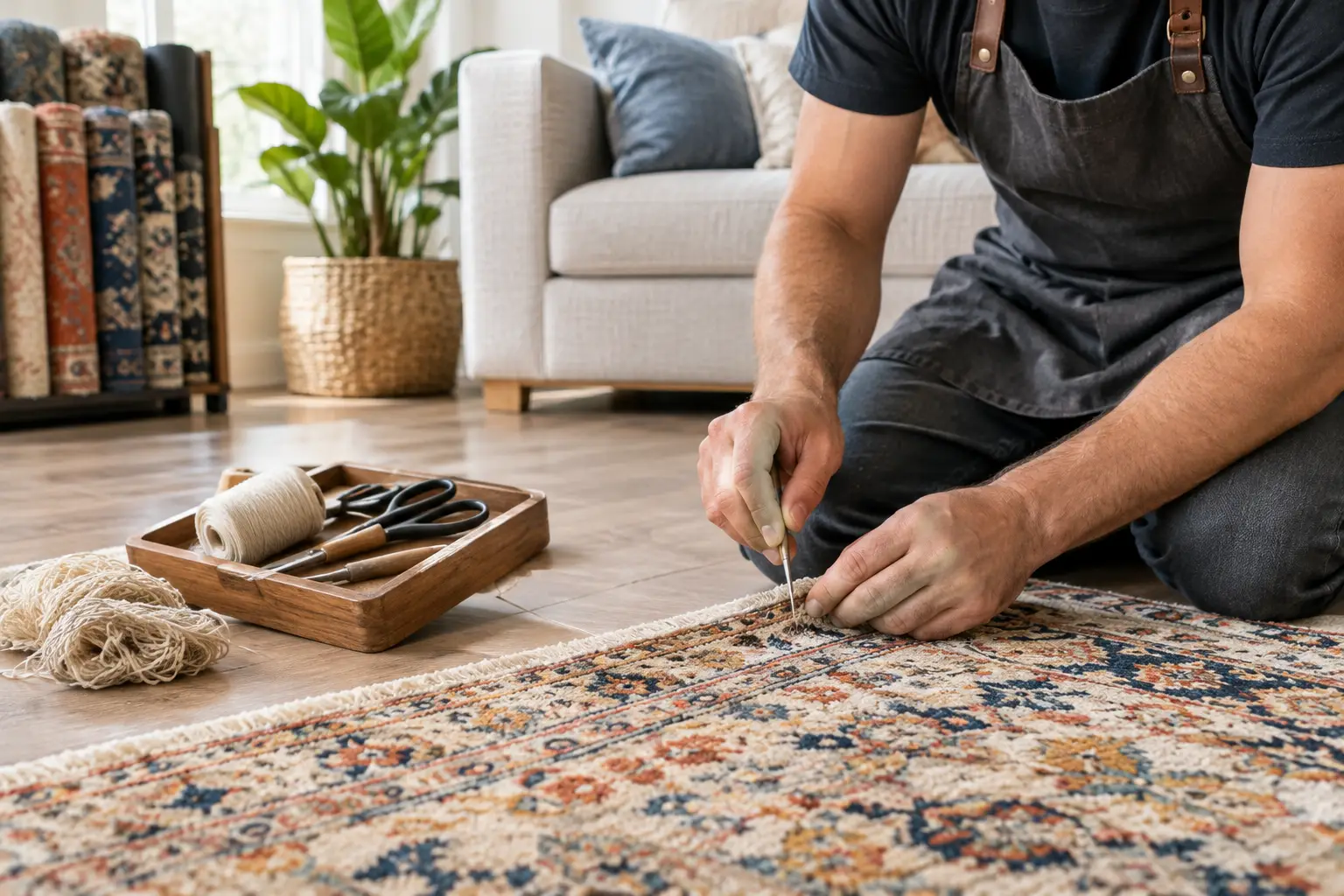
Use this Kennesaw rug repair guide to spot damage early, choose the right restoration, and protect the color, texture, and comfort of your favorite rug.
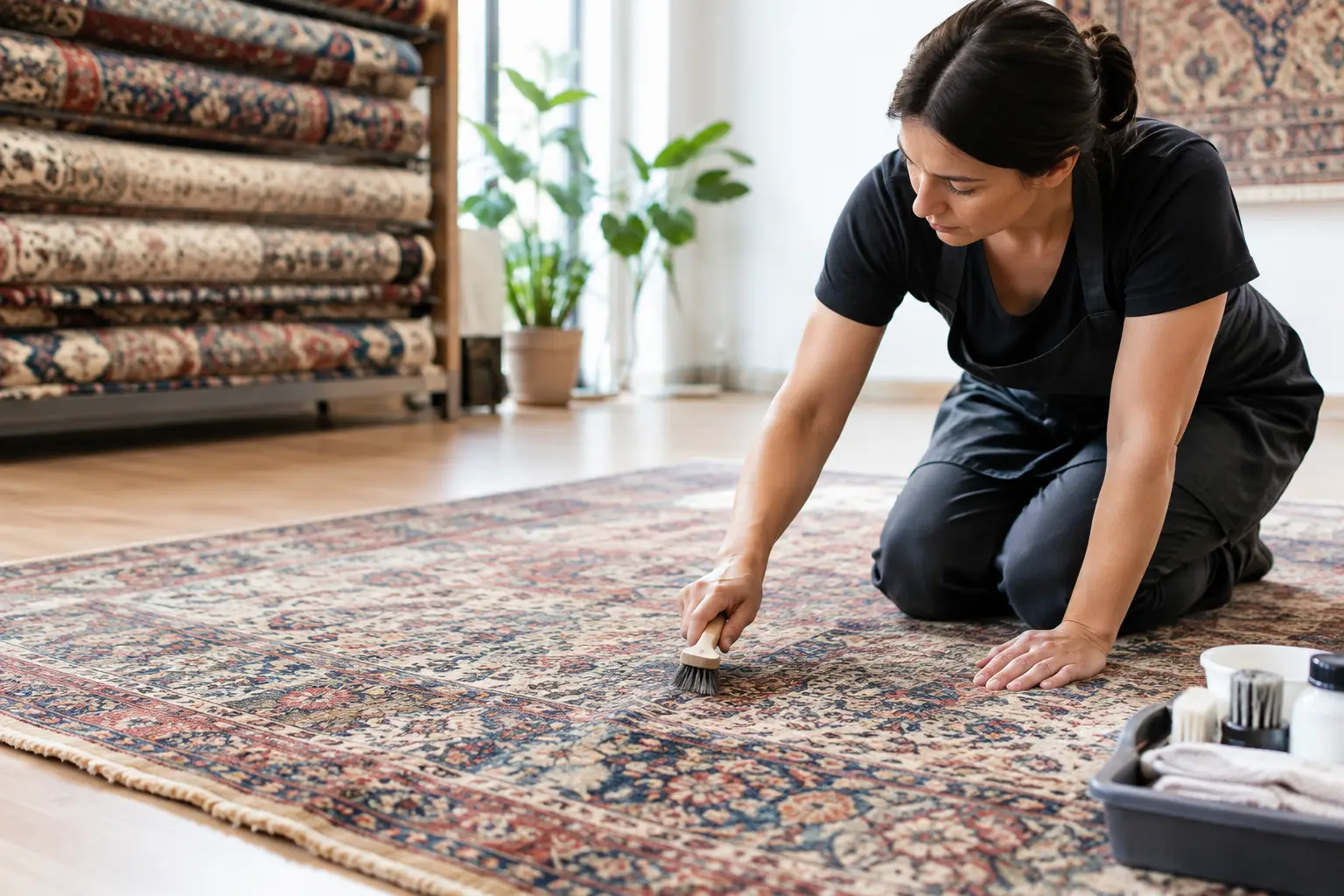
Marietta rug restoration can preserve color, texture, and history. Learn when repair makes sense and how thoughtful care protects a cherished rug at home.
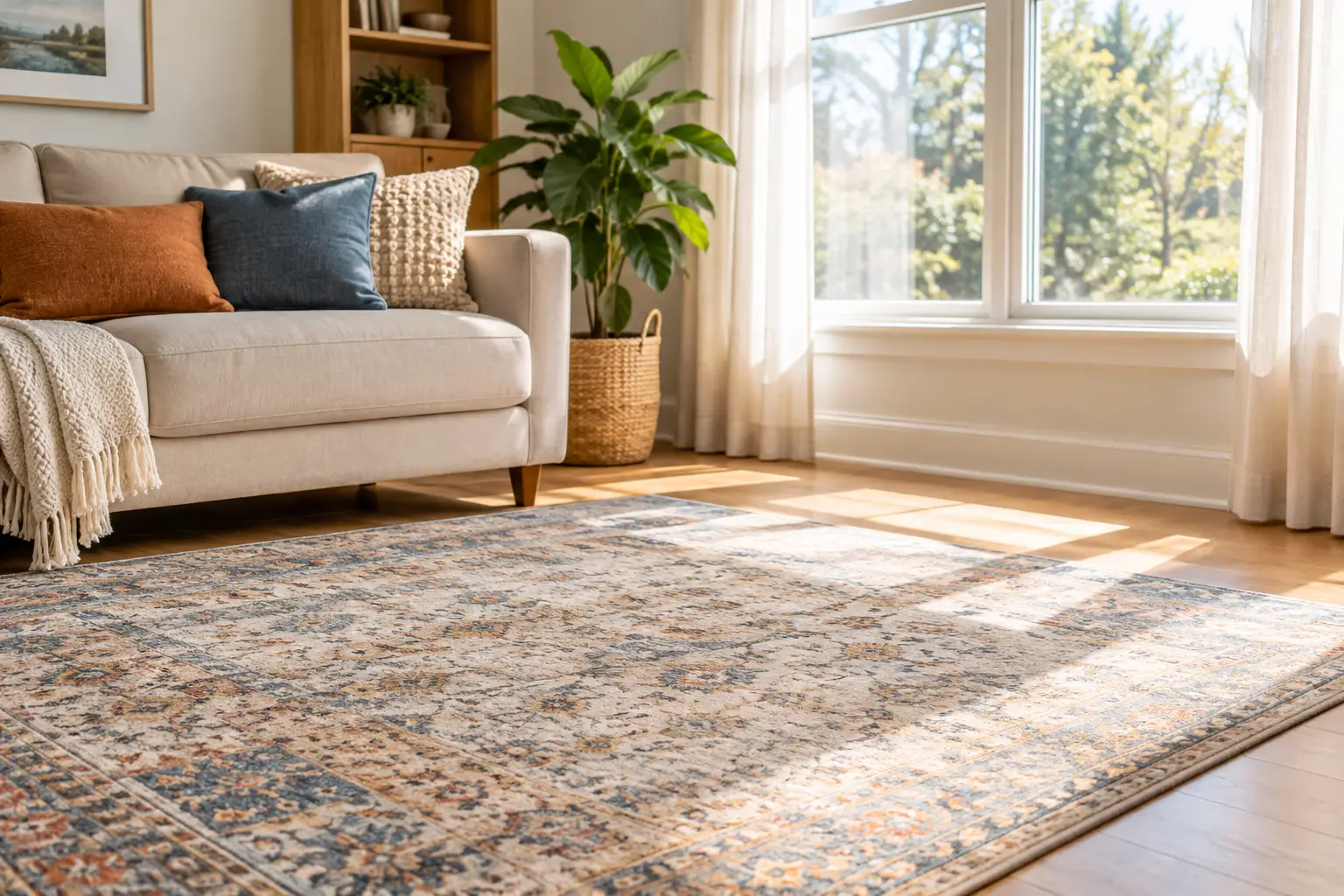
Learn how to protect rugs from sun fading with thoughtful window treatments, rotation, cleaning, and placement tips that preserve color and comfort daily.
From cozy area rugs to statement-making wall décor, our curated categories make it easy to explore what speaks to your space. Whether you’re refreshing a single corner or reimagining your whole home, start here and discover pieces that bring it all together.