


How to Remove Pet Odors From Rugs Safely
Learn how to remove pet odors from rugs without harming color or fibers, plus when professional washing is the smarter choice for a fresh home that lasts.
A dining room rug does more than soften the floor beneath the table. It sets the visual boundary for the room, brings warmth to hard surfaces, and can make everyday meals feel more considered. The best rugs for dining rooms are the ones that balance that polished, layered look with the realities of pulled-out chairs, crumbs, spills, pets, and family gatherings.
That balance is why dining room rugs deserve a little more thought than simply choosing a pattern you love. Size, pile height, material, color, and construction all affect how the rug lives in your home. When those details work together, the room feels effortlessly styled without becoming precious.
The most common dining room rug mistake is choosing a rug that only fits beneath the table. A rug should be large enough to hold the table and the chairs when they are pulled out. If chair legs land half on and half off the rug, the room can feel awkward and the chairs will catch at the edge every time someone sits down.
As a dependable starting point, allow 24 to 30 inches of rug beyond each side of the table. For a table that is 40 by 72 inches, an 8 by 10 rug is often a natural fit. Larger dining rooms with substantial tables may need a 9 by 12 or 10 by 14 rug to look properly grounded.
Shape matters, too. A rectangular rug is the classic partner for a rectangular or oval table, especially in a formal dining room. A round rug can beautifully echo a round pedestal table and soften a room with a lot of straight lines. Square tables often feel most resolved on square rugs, provided the room has enough breathing room around the perimeter.
Before shopping, use painter’s tape to mark the rug dimensions on the floor. Pull chairs back as though guests are sitting down. This simple step reveals whether a size will support the way your family actually uses the room.
A beautiful rug needs to perform beautifully, too. Dining rooms bring together the occasional glass of red wine, weeknight dinners, holiday meals, and chairs that move several times a day. The right fiber depends on whether your dining room is primarily for entertaining or is one of the busiest spaces in the house.
Wool remains a favorite for its soft, substantial feel and natural resilience. It has a refined texture that suits traditional, transitional, and quietly luxurious interiors, and quality wool can stand up well to regular use. Its natural fibers also resist soiling better than many homeowners expect.
The trade-off is that wool deserves prompt attention when spills happen. Blot rather than scrub, and avoid saturating the fibers. For a home that hosts often, professional rug cleaning can help preserve the color, texture, and finish that made you love the rug in the first place.
Indoor performance rugs, often made from solution-dyed synthetic fibers, are a smart choice for active dining spaces. They are generally easier to clean, resist fading, and offer peace of mind when children, pets, or frequent entertaining are part of the picture.
Today’s performance designs can look far more elevated than the flat, utilitarian rugs many people remember. Look for softly heathered neutrals, subtle geometric patterns, or vintage-inspired motifs that give the room depth while being forgiving of daily life.
Flatwoven wool blends, cotton blends, and certain natural-fiber looks can bring an easy, relaxed character to a dining room. Their low profile helps chairs glide more easily, which is especially useful under heavy wood chairs or a long table used every day.
Pure jute and sisal create beautiful texture, but they require a more careful approach around food and drinks. They can stain unevenly and may be difficult to clean after a significant spill. They are often better suited to a formal dining room with limited use or layered beneath a smaller, easier-care rug.
When deciding between a plush rug and a low-profile option, dining rooms usually favor the lower pile. Chairs stay steadier, move more smoothly, and are less likely to leave deep tracks in the rug. A flatweave or low-cut pile also makes crumbs easier to vacuum and keeps the table from feeling as though it is floating on a soft surface.
That does not mean the rug needs to feel thin or plain. A dense low-pile wool rug can still offer richness underfoot, while a textured loop or a carefully woven pattern adds dimension without interfering with chair movement. Save deep, sink-in plushness for the bedroom or a low-traffic sitting room where comfort is the priority.
The rug is often one of the largest visual elements in a dining room, so it should connect the table, chairs, lighting, walls, and adjoining spaces. Start with what is fixed. The undertone of your wood table, the upholstery on dining chairs, and nearby flooring will point you toward colors that feel cohesive.
A patterned rug is especially practical beneath a dining table because it disguises minor crumbs and the occasional mark better than a solid, pale field. Traditional florals, faded vintage motifs, abstract designs, and tailored geometric patterns all work, but scale is important. A very small, busy pattern can compete with elaborate chair fabric or a dramatic chandelier. A larger, more open pattern often feels calmer and more current.
For a light and airy dining room, consider a warm ivory, sand, mushroom, soft blue, or muted sage rather than a stark white. These shades bring brightness while hiding everyday use more gracefully. In a room with dark furniture or abundant natural light, deeper terracotta, navy, charcoal, olive, or layered jewel tones can create an inviting sense of depth.
The best choice is not always the safest neutral. A dining room can carry more personality than many other rooms because the table creates a central gathering place. Let the rug introduce a color that can be repeated in artwork, pillows in an adjacent living area, or a tabletop centerpiece.
Dining chairs are the detail many shoppers overlook. Their width, leg style, and fabric can change which rug feels right. Sleek metal or wood chairs look especially clean on a flatwoven or subtly textured rug. Upholstered chairs with curved backs may call for a more tailored pattern that provides contrast without adding visual clutter.
Consider the chair legs as well. Narrow legs can sink into a very thick pile, while heavy chairs may compress a delicate weave. If your chairs have casters, choose a durable, tightly constructed rug and test how they roll. A quality rug pad beneath the rug adds stability, helps protect the floor, and gives the entire arrangement a more finished feel.
The most livable dining room is one where people can relax. A few consistent habits make that easier. Vacuum regularly using the appropriate setting for the rug’s construction, and rotate the rug periodically so sunlight and foot traffic wear it evenly. For spills, act quickly: blot with a clean, absorbent cloth, work from the outside toward the center, and avoid rubbing the stain deeper into the fibers.
Avoid using a store-bought cleaner without checking whether it is appropriate for the rug’s fiber and dyes. Wool, viscose, hand-knotted rugs, and natural fibers can react very differently to moisture and cleaning solutions. When a rug has a stubborn stain, pet accident, odor, or accumulated soil, professional cleaning is often the more protective choice.
For treasured rugs, timely repair can also prevent a small issue from becoming a larger one. Fraying edges, loose binding, and minor damage are easier to address before everyday chair movement worsens them.
A screen can show color, but it cannot show the depth of a weave, the softness of wool, or how a pattern changes in natural light. Seeing rugs in person makes it easier to compare materials, place samples near wood finishes, and find a piece that feels connected to the rest of your home.
At Home Rug Gallery, homeowners can explore dining room options with practical guidance on size, fiber, and styling, then choose a rug that feels deeply personal to the room. Bring a photo of your dining space, fabric swatches, or a paint sample if you have them. The right rug should make you want to pull up a chair, linger over the meal, and enjoy the room exactly as it is meant to be lived in.
Learn how to remove pet odors from rugs without harming color or fibers, plus when professional washing is the smarter choice for a fresh home that lasts.
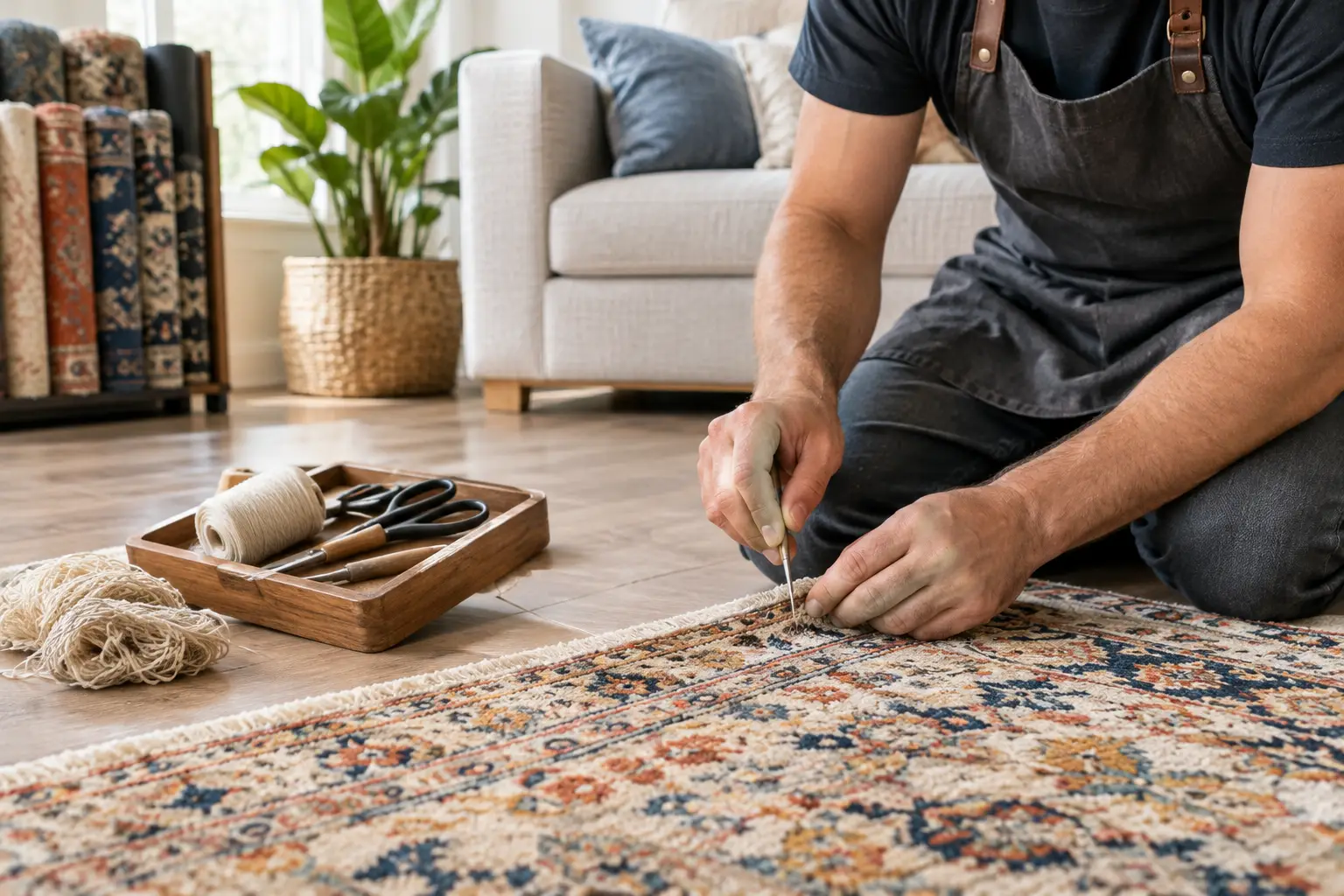
Use this Kennesaw rug repair guide to spot damage early, choose the right restoration, and protect the color, texture, and comfort of your favorite rug.
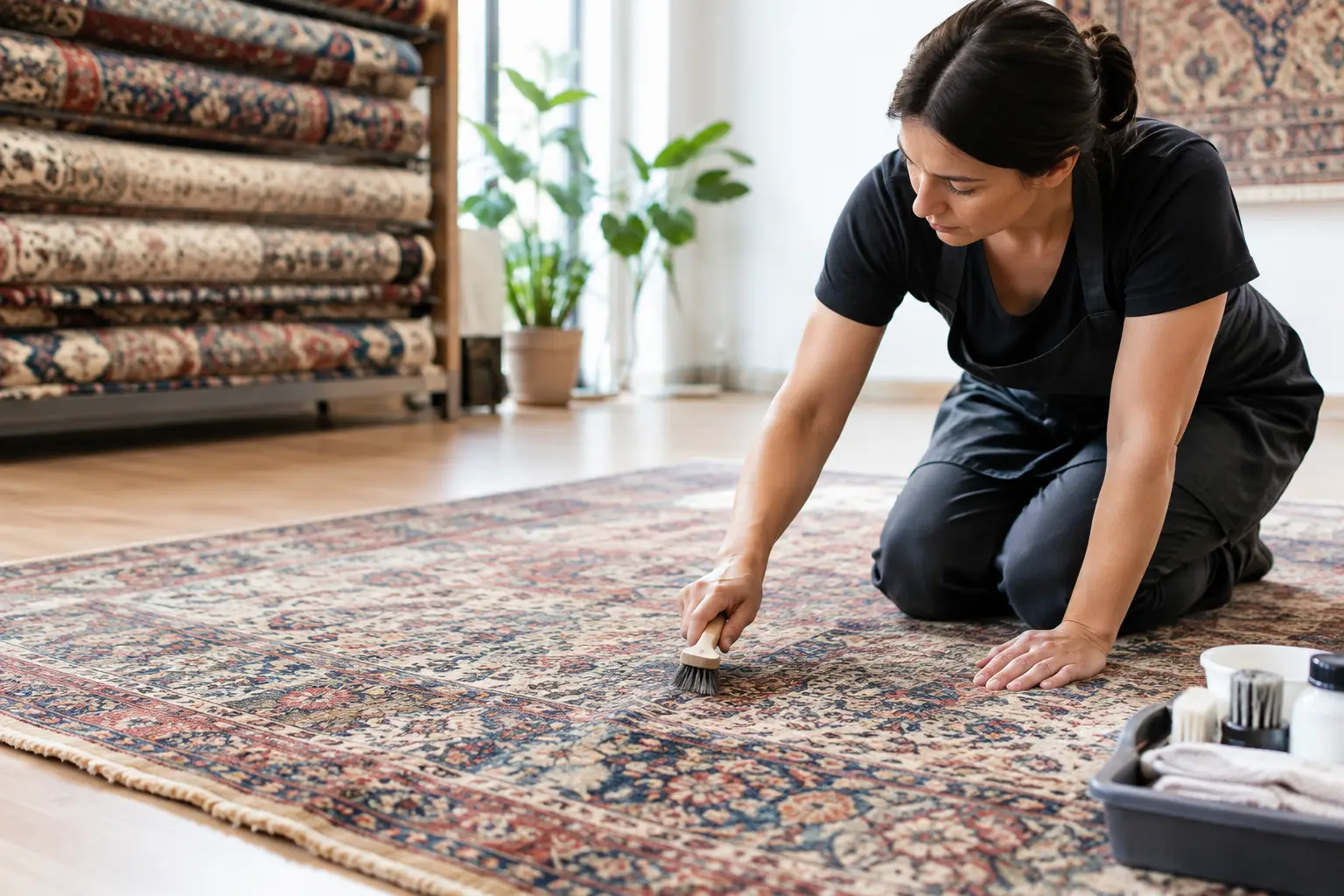
Marietta rug restoration can preserve color, texture, and history. Learn when repair makes sense and how thoughtful care protects a cherished rug at home.
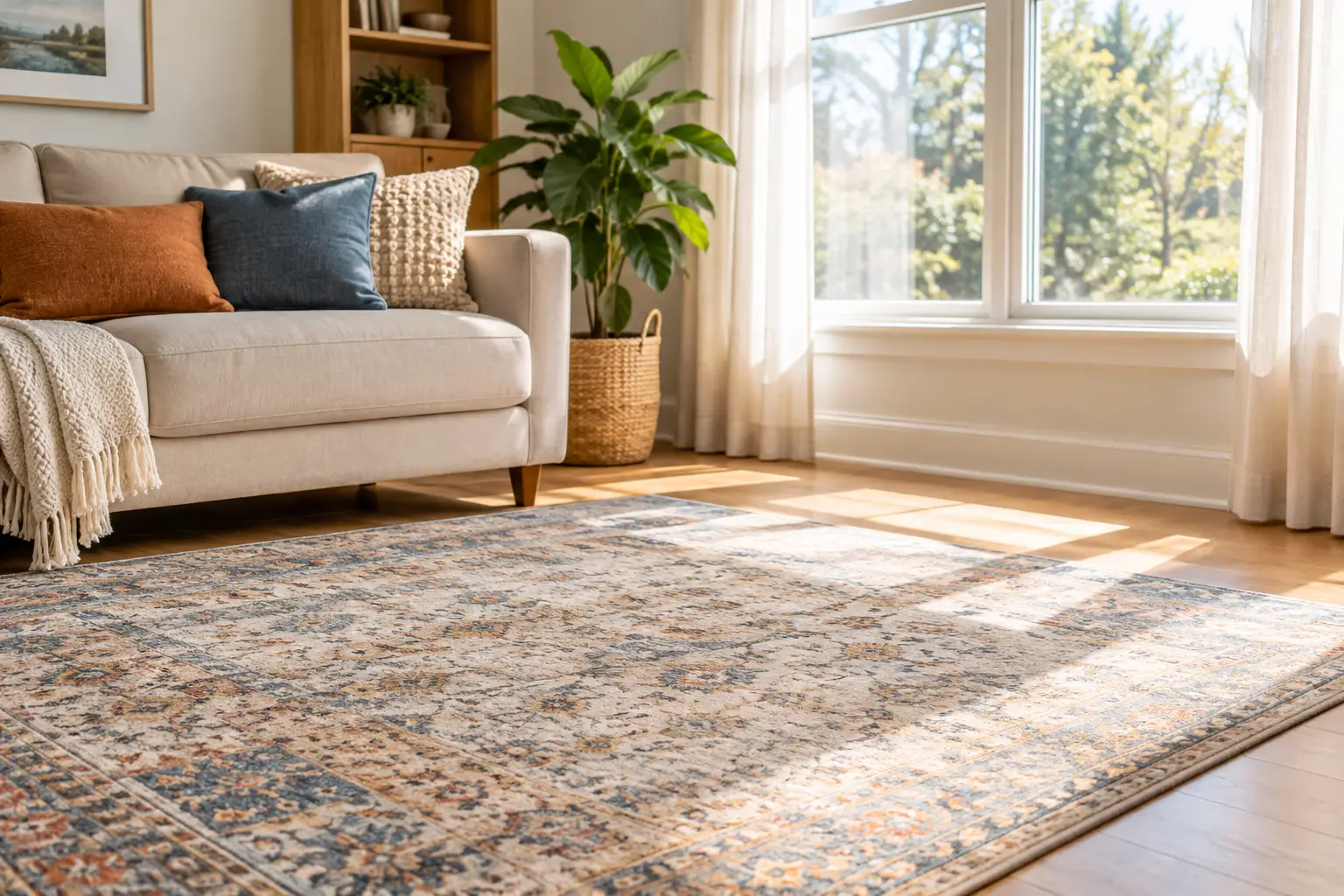
Learn how to protect rugs from sun fading with thoughtful window treatments, rotation, cleaning, and placement tips that preserve color and comfort daily.
From cozy area rugs to statement-making wall décor, our curated categories make it easy to explore what speaks to your space. Whether you’re refreshing a single corner or reimagining your whole home, start here and discover pieces that bring it all together.