


How to Remove Pet Odors From Rugs Safely
Learn how to remove pet odors from rugs without harming color or fibers, plus when professional washing is the smarter choice for a fresh home that lasts.
A room can have the right sofa, rug, and accessories and still feel unfinished once the sun goes down. That is why home lighting trends 2026 are less about a single statement fixture and more about creating a glow that makes every layer of the room feel considered. The goal is inviting, adaptable light that flatters texture, supports daily routines, and gives a home its own point of view.
For homeowners refining spaces in Canton and across North Georgia, this shift is especially useful. Lighting is one of the most effective ways to refresh a familiar room without replacing every foundational piece. A well-chosen lamp can bring out the softness in a wool rug, make a reading corner more usable, or add quiet luxury to a dining room that feels a little too formal.
The strongest lighting direction for 2026 is layered illumination. Rather than relying on overhead lighting alone, thoughtfully styled rooms use several sources at different heights: a ceiling fixture for general visibility, a floor lamp for atmosphere, a table lamp for intimacy, and occasional accent lighting for art, shelving, or architectural details.
This is not simply a designer trick. One overhead fixture often creates shadows where people actually sit, read, gather, and relax. Adding lower pools of light makes a room more comfortable while allowing you to change the mood as the day moves into evening.
Warm-toned bulbs remain the preferred choice for living rooms, bedrooms, and dining spaces. They complement natural materials such as wood, linen, pottery, brass, and woven rugs far better than cool, bluish light. A warm glow also helps colors read more naturally. Creamy neutrals feel richer, terracotta looks earthier, and patterned rugs show their detail without becoming visually busy.
The exception is a task-driven area. Kitchens, utility spaces, and work zones may need clearer, brighter illumination. Even there, the best approach is balance. A kitchen can pair practical ceiling lighting with softer pendants over an island, so the room works hard without feeling clinical.
Statement lighting is still very much part of the conversation, but the look is becoming more organic and less theatrical. In place of overly sharp silhouettes or fixtures that dominate the entire room, homeowners are choosing pieces with rounded forms, pleated shades, hand-finished surfaces, and gently irregular shapes.
Think of lighting as functional sculpture. A ceramic table lamp with a textured base, a linen-shaded floor lamp, or a pendant with an aged metal finish can add visual interest even before it is switched on. These pieces work particularly well in rooms that need dimension but do not need another large pattern or bold color.
Material is central to this trend. Alabaster-inspired shades, rattan details, woven fibers, frosted glass, aged brass, bronze, and natural stone all bring warmth and depth. They also coordinate beautifully with the tactile furnishings people are choosing now: nubby upholstery, wood furniture, boucle accents, and rugs with subtle high-low pile.
Scale matters more than trendiness. A petite lamp may disappear beside a substantial sectional, while an oversized fixture can overwhelm a compact breakfast nook. Before choosing a statement piece, consider what it needs to balance. In a room with a large area rug and generous furniture, lighting should have enough presence to hold its own. In a smaller space, a slim floor lamp or elegant plug-in sconce may provide the same polish with less visual weight.
Table lamps are having a well-earned moment because they solve two design needs at once: they create atmosphere and add personality. They are no longer treated as identical bookends that must match perfectly. A more collected approach feels current, mixing complementary shapes and finishes while keeping a clear thread through color, material, or shade style.
For example, a living room might include a ceramic lamp beside a sofa and a slender metal floor lamp near a reading chair. They do not need to be twins. They do need to feel as though they belong in the same room. A shared warm metal detail, soft white shade, or earthy undertone can make the pairing feel intentional.
This relaxed approach is especially helpful when styling with rugs. If a rug has a detailed pattern, choose lamps with simpler bases or soft textural finishes. If the rug is quiet and tonal, a sculptural lamp can become a more expressive focal point. The room stays balanced because the eye has places to rest.
Bedroom lighting is moving in the same direction. Instead of relying only on matching bedside lamps, homeowners are considering wall-mounted reading lights, petite lamps with pleated shades, or a mix of one lamp and one sconce. It depends on the layout and whether nightstands have enough surface space, but the result is often more tailored and easier to live with.
The best 2026 lighting choices acknowledge that rooms serve more than one purpose. A dining table may host family meals, homework, holiday gatherings, and a quiet cup of coffee. A living room can shift from a weekend movie space to a place for entertaining in a single evening. Flexible lighting gives each room the range it needs.
Dimmers are one of the simplest upgrades for this reason. They allow a bold chandelier to feel festive during a gathering and softly atmospheric during dinner. They also make layered lighting more effective, since you can adjust each source rather than turning every fixture on at full brightness.
Portable and rechargeable lamps are another practical trend worth considering. Small, cordless lamps can bring a soft glow to a console, bookcase, breakfast table, or covered porch without requiring a nearby outlet. They are not a replacement for proper room lighting, but they are an easy finishing touch that makes a space feel more welcoming.
Smart controls can be useful as well, especially in homes with open floor plans or busy family schedules. Still, technology should serve the room rather than become the focus. A beautifully styled space needs lighting that is easy to use, whether that means a dimmer, a well-placed switch, or a simple lamp within reach of a favorite chair.
Lighting should be considered alongside the room’s textile story, not after everything else is in place. Rugs, pillows, throws, and window treatments absorb and reflect light differently, which changes how the room feels at night.
A light-colored rug can help a darker room feel more open, especially when paired with lamps that cast light across the floor instead of only downward. In a room with a deeply saturated rug, warm lampshades and brass or bronze finishes can keep the palette feeling rich rather than heavy. Textured rugs benefit from angled light, which reveals their weave and subtle variation without creating harsh contrast.
Shade selection deserves attention, too. Fabric shades soften light and suit bedrooms, living rooms, and spaces built around comfort. Glass and metal shades can offer more direction and definition, making them useful over kitchen counters, desks, and dining tables. There is no universal right answer. The question is whether the light should wash gently through the room or focus on a particular task or surface.
When choosing lighting in person, take time to compare finishes against the colors already present in your home. A brass that reads warm beside an ivory rug may look very different next to gray upholstery. At Home Rug Gallery, seeing lighting, rugs, and décor together can help turn separate purchases into one effortlessly styled room.
The most enduring lighting trend is choosing pieces that feel personal rather than overly prescribed. A fixture can be current without being temporary when its proportions are right, its material has warmth, and it supports the way you use the room.
If you are updating only one thing, start where your home needs the most comfort after dark. Add a floor lamp to the seating area that feels flat at night, replace a tired bedside lamp, or bring a softly shaded fixture into the dining room. The right light does more than brighten a space. It helps the colors, textures, and memories already in your home feel more alive.
Learn how to remove pet odors from rugs without harming color or fibers, plus when professional washing is the smarter choice for a fresh home that lasts.
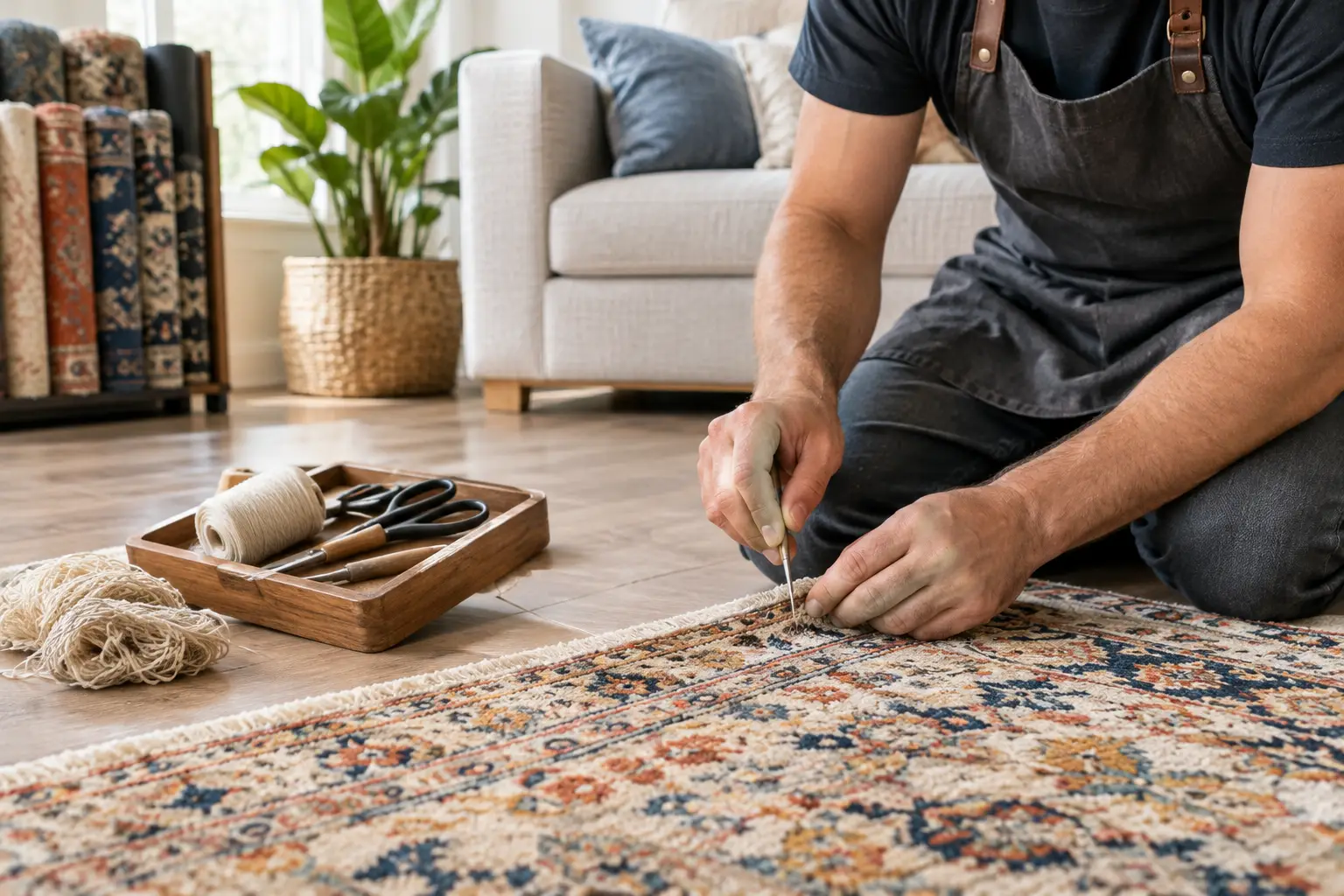
Use this Kennesaw rug repair guide to spot damage early, choose the right restoration, and protect the color, texture, and comfort of your favorite rug.

Marietta rug restoration can preserve color, texture, and history. Learn when repair makes sense and how thoughtful care protects a cherished rug at home.
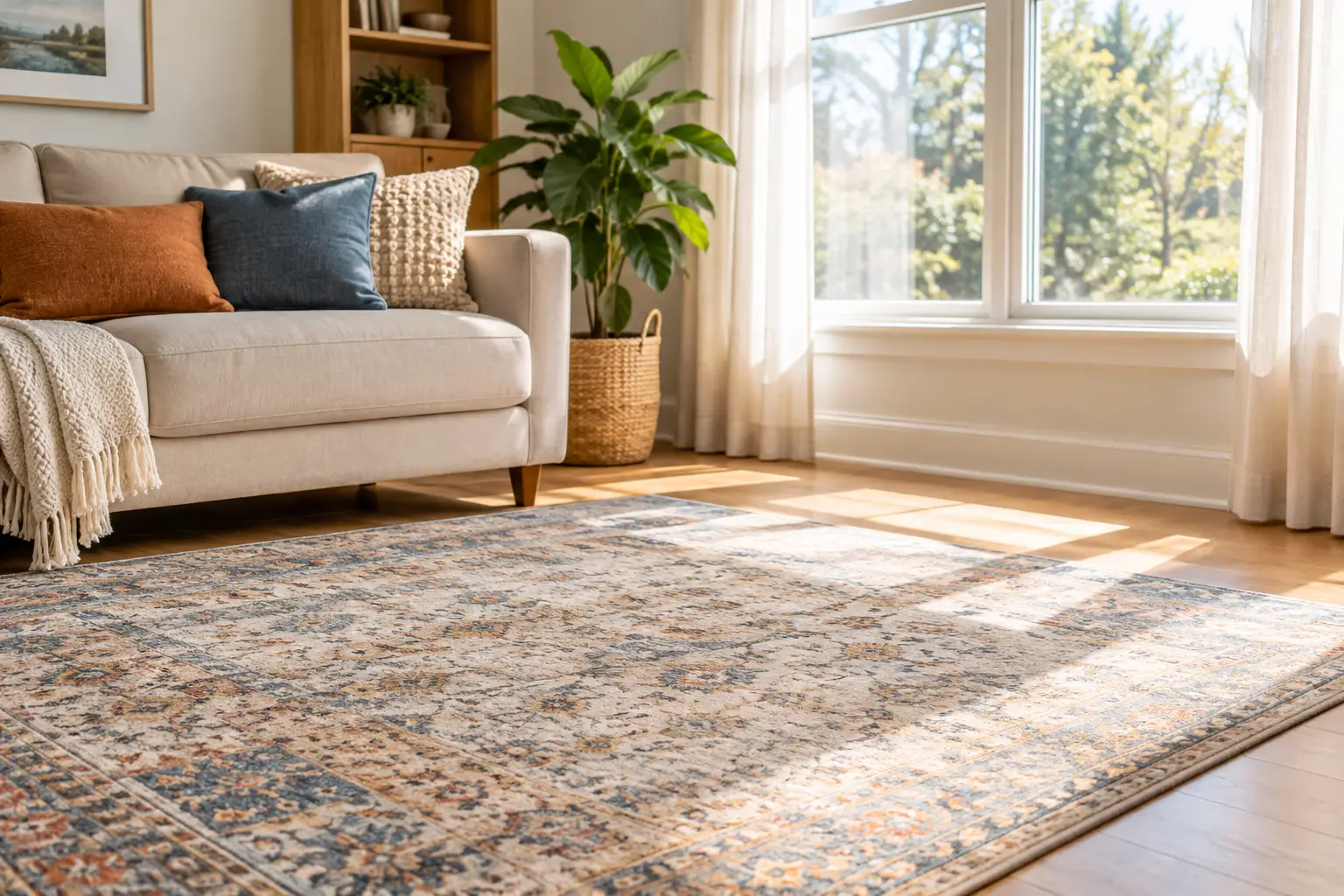
Learn how to protect rugs from sun fading with thoughtful window treatments, rotation, cleaning, and placement tips that preserve color and comfort daily.
From cozy area rugs to statement-making wall décor, our curated categories make it easy to explore what speaks to your space. Whether you’re refreshing a single corner or reimagining your whole home, start here and discover pieces that bring it all together.