


How to Remove Pet Odors From Rugs Safely
Learn how to remove pet odors from rugs without harming color or fibers, plus when professional washing is the smarter choice for a fresh home that lasts.
A statement rug can change the entire mood of a room before a single pillow is placed or lamp is switched on. This guide to choosing a statement rug is designed to help you select a piece with real presence – one that feels expressive and elevated, yet still belongs beautifully within your home.
A bold rug should not feel like an afterthought or a visual interruption. The best choices create a sense of intention, grounding the furniture while bringing color, pattern, texture, or artistry into view. Whether your taste leans quietly luxurious, collected and layered, or warmly traditional, the goal is the same: a room that feels deeply personal and effortlessly styled.
A statement rug does not always have to be bright, heavily patterned, or dramatic in the obvious sense. In a neutral room, a rug with a subtle high-low texture or a richly faded vintage-inspired design can make just as much impact as a vivid geometric pattern. What makes it a statement is its ability to set the room’s visual direction.
First, consider what the room needs most. If your furnishings are simple, clean-lined, and neutral, the rug can introduce movement and color. If you already have patterned drapery, expressive artwork, or a favorite upholstered chair, a statement rug may be better as a grounding element with an unusual texture, tonal design, or distinctive border.
Think about the feeling you want when you enter the space. Warm terracottas, olive greens, and softened golds bring an inviting, collected character. Deep blues and charcoal create a more tailored atmosphere. A rug with blush, rust, or muted berry tones can soften a room that feels overly formal. There is no need to match every existing color exactly. Repeating one or two tones from the room is usually enough to make the look feel connected.
The most beautiful statement rug can lose its impact when it is undersized. A rug that floats in the center of a seating area makes the room feel disconnected, while a properly scaled piece gives furniture a shared foundation.
In a living room, aim to have at least the front legs of the sofa and chairs resting on the rug. If the room allows, placing all major seating pieces on the rug creates an especially polished, generous look. For a dining room, the rug should extend well beyond the table so chairs remain on it when pulled back. In a bedroom, the rug should provide a soft landing beside the bed and extend visibly beyond its sides and foot.
Before shopping, measure the room and use painter’s tape to outline a few rug sizes on the floor. This simple exercise reveals how the scale will affect pathways, furniture placement, and the overall sense of proportion. It also prevents a common mistake: choosing based on the rug’s beauty alone rather than the way it will live in the room.
A large open-concept room may benefit from a generously scaled rug that defines the conversation area. In a smaller den or bedroom, a more concentrated pattern can add personality without requiring a large footprint. Hallways and entryways are ideal places for runners with strong motifs, because these spaces are often viewed in motion and can handle a touch of visual energy.
The rug shape matters, too. Rectangular rugs are classic and versatile, but a round rug can soften a dining nook, foyer, or room filled with straight furniture lines. An organic-shaped rug can feel artful and contemporary, though it needs enough open floor around it to be appreciated.
A statement rug often carries several colors, which makes it more adaptable than many homeowners expect. Rather than searching for a rug that duplicates the exact shade of your sofa or wall paint, look for one that relates to the room’s broader palette.
Choose a dominant color that supports the atmosphere you want to create, then notice the smaller accent colors woven into the design. Those secondary tones can guide selections for pillows, throws, artwork, and accessories. A rug with a soft blue field and touches of clay, ivory, and moss, for example, can unite a room with wood furniture, creamy upholstery, and warm metal finishes.
If you are nervous about color, begin with a rug whose bolder hues are tempered by neutral space. A patterned rug with an ivory, taupe, or charcoal base can still feel expressive without taking over the room. Conversely, if your walls and furniture are intentionally restrained, a stronger color story may be exactly what gives the room its point of view.
Natural light should be part of the decision. A rug that appears muted in a showroom can look much brighter near sunny windows, while a deep-toned rug may create welcome coziness in a room with limited daylight. Seeing colors and fibers in person, and taking a sample or photo into account alongside your actual furnishings, leads to a more confident choice.
Pattern mixing works best when there is a clear hierarchy. If the rug has a large-scale design, keep nearby patterns smaller or quieter. If the rug has a delicate, intricate motif, it can pair beautifully with wider stripes, tailored solids, or a single accent pillow in a contrasting print.
Do not assume a patterned rug requires solid furniture. A linen stripe, textured boucle chair, or floral pillow can all work alongside it. The connection may come through color, scale, or mood rather than matching patterns. The room only becomes busy when every element asks for equal attention.
For homes with traditional architecture, a vintage-inspired medallion or Persian-style rug can add depth without feeling overly formal, especially when paired with relaxed upholstery and modern lighting. For more contemporary interiors, abstract designs, sculptural texture, or oversized graphic motifs can bring warmth to clean lines. The most enduring rooms often blend these influences rather than following one style too strictly.
A statement rug is still a working part of the home. Its material should suit the people, pets, and routines around it.
Wool is a favorite for many living spaces because it offers softness, resilience, and natural variation in color. It can feel especially luxurious underfoot and tends to age gracefully with proper care. Low-pile constructions are practical beneath dining tables and in active areas, where chairs need to move easily. Textured or high-pile rugs add warmth and dimension to bedrooms and quieter spaces, but they may be less convenient in homes where frequent vacuuming or easier cleanup is a priority.
For an entry, family room, or a home with children and pets, look closely at construction and pattern. A multi-tonal design can be forgiving between cleanings, while a very light solid rug will show everyday life more readily. That does not mean you must avoid pale rugs entirely. It means choosing with honest expectations and a care plan in mind.
A quality rug is an investment in how a room feels over time. Regular professional cleaning helps preserve fibers, color, and texture, while prompt attention to fraying, pulled edges, or stains can prevent small issues from becoming larger repairs.
Photos are useful for inspiration, but they cannot show the full character of a rug. The way a pile catches the light, the softness of a hand-knotted texture, and the true depth of a color palette are easier to understand when you can see and feel the piece in person.
Bring room measurements, a few photos of your space, and fabric or paint samples if you have them. It is helpful to share what is not working in the room as well. Perhaps the seating area feels flat, the walls need warmth, or the furnishings are attractive but lack connection. Those details make it easier to narrow the selection to rugs that solve a design problem rather than simply add decoration.
At Home Rug Gallery, an in-person visit gives you the opportunity to compare scale, texture, and color with thoughtful guidance. You can also coordinate your rug with pillows, lighting, throws, and accessories, creating a layered room rather than trying to make separate purchases work together later.
The right statement rug should give you a small pause every time you walk into the room. Choose the one that feels like a confident expression of your home, then let the rest of the space grow naturally around it.
Learn how to remove pet odors from rugs without harming color or fibers, plus when professional washing is the smarter choice for a fresh home that lasts.
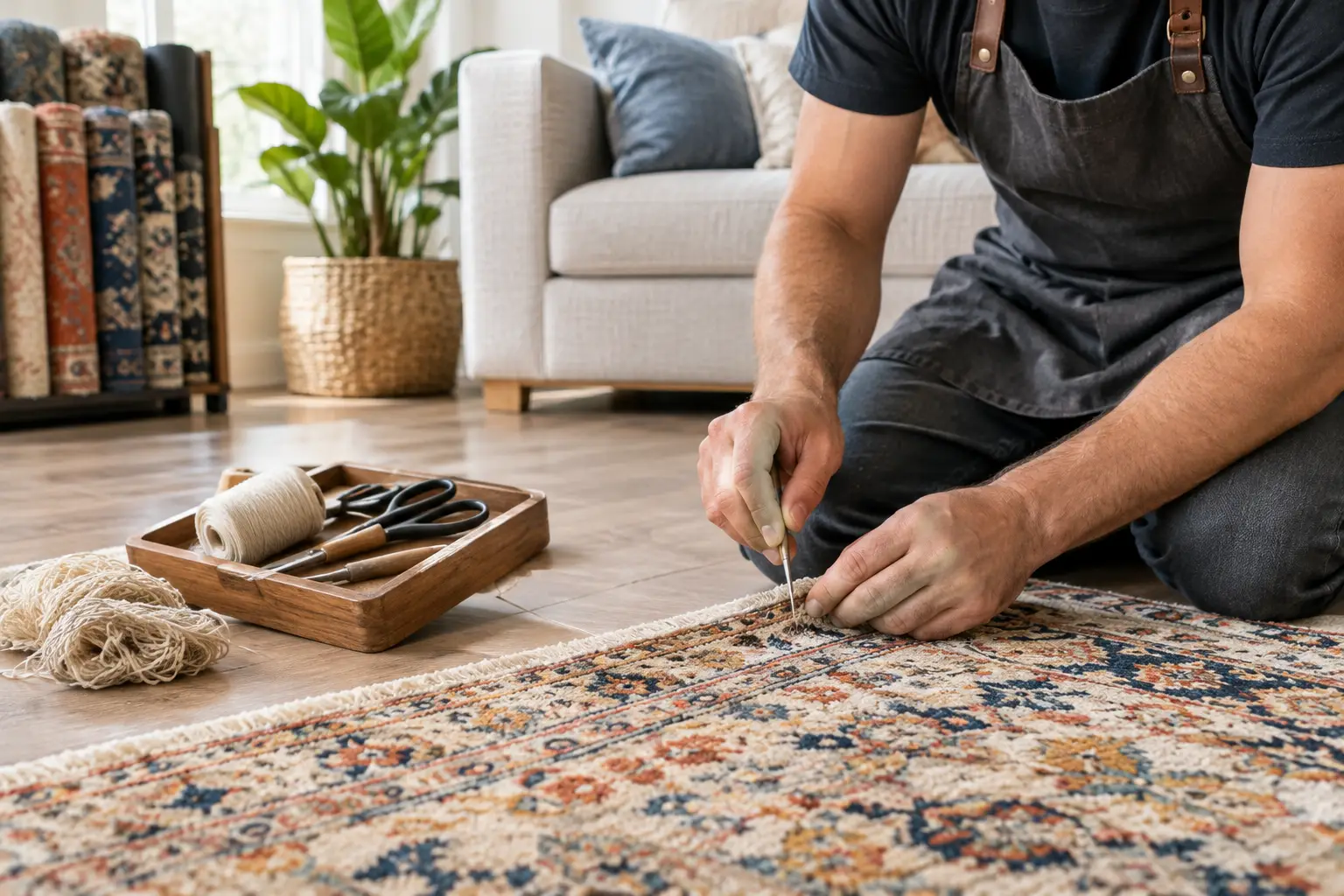
Use this Kennesaw rug repair guide to spot damage early, choose the right restoration, and protect the color, texture, and comfort of your favorite rug.
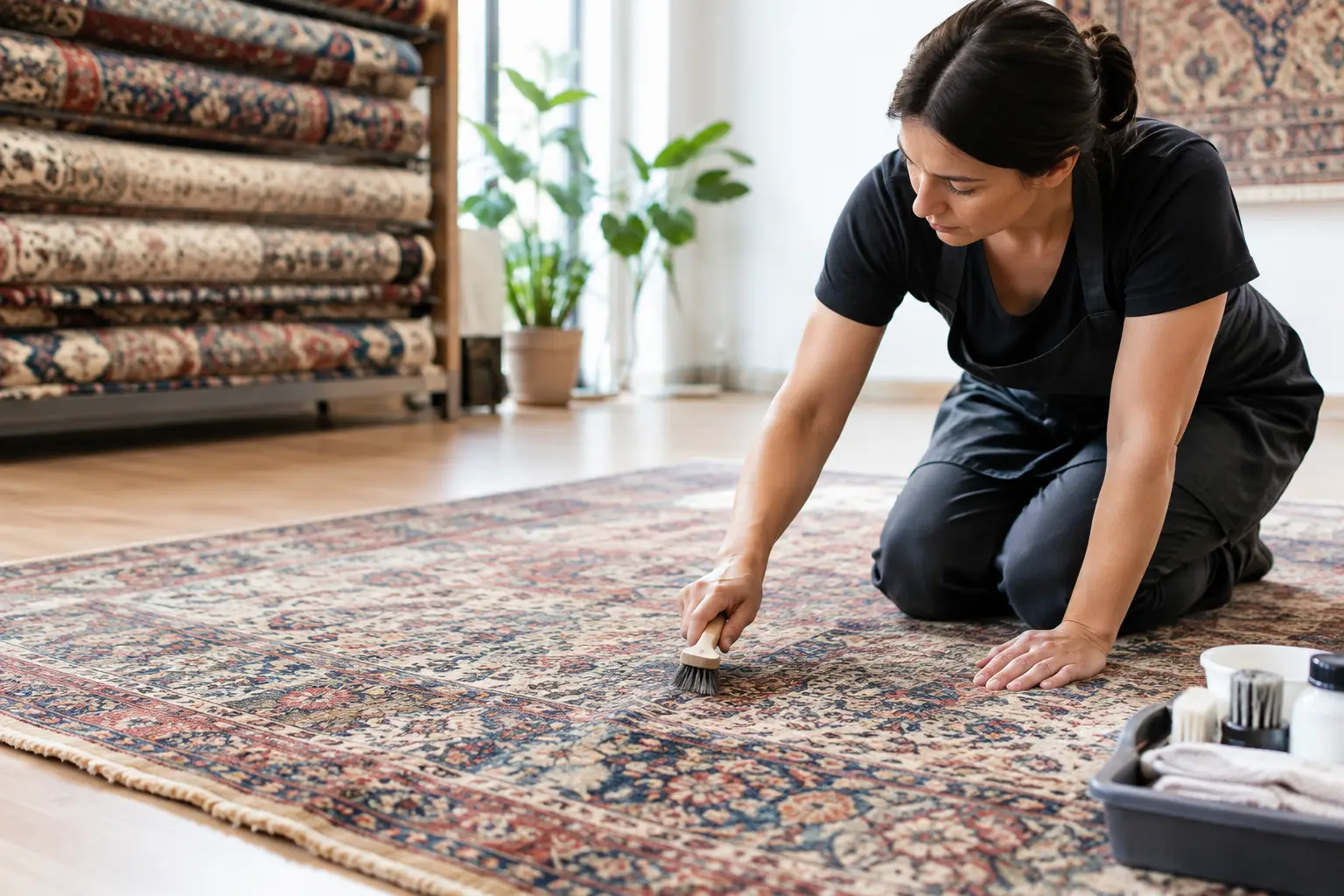
Marietta rug restoration can preserve color, texture, and history. Learn when repair makes sense and how thoughtful care protects a cherished rug at home.
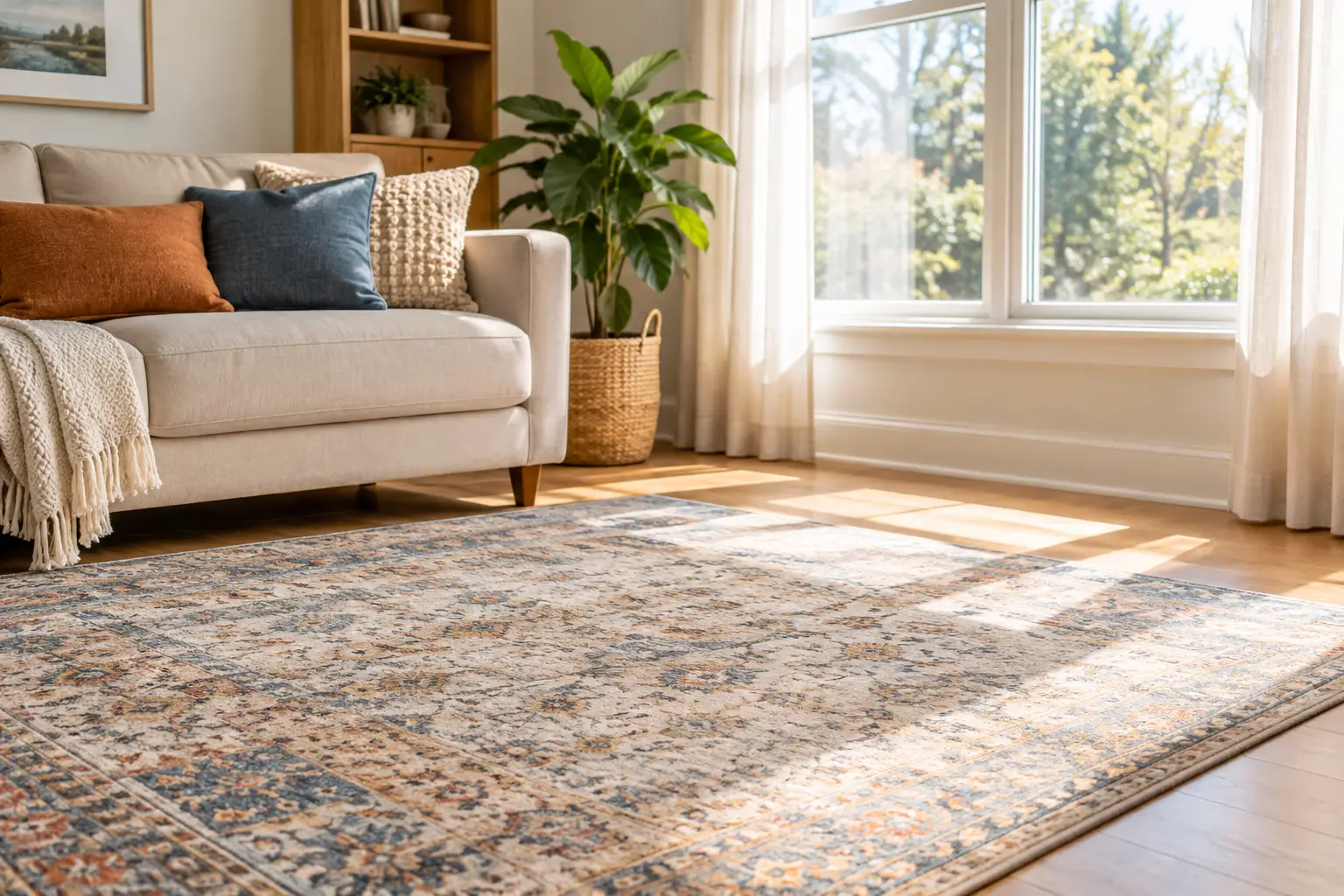
Learn how to protect rugs from sun fading with thoughtful window treatments, rotation, cleaning, and placement tips that preserve color and comfort daily.
From cozy area rugs to statement-making wall décor, our curated categories make it easy to explore what speaks to your space. Whether you’re refreshing a single corner or reimagining your whole home, start here and discover pieces that bring it all together.