A rug can change the entire feeling of a room before you move a single piece of furniture. It can soften a formal dining space, bring warmth to a family room, or give a bedroom the finished, deeply personal look it has been missing. But finding the right one is rarely as simple as scrolling through photos. A well-curated rug store gives you the chance to see color, feel texture, compare scale, and make a decision that works with the way you actually live.
For homeowners who want a room to feel polished rather than pieced together, that in-person perspective matters. The right rug is both a design decision and a daily-use decision. It should look beautiful beneath your furniture, feel right underfoot, and hold up to the routines that make a house feel like home.
Why a Rug Looks Different in Person
A screen can show a pattern, but it cannot tell you how a rug will shift in morning light, how its fibers will feel barefoot, or whether its color has a warm or cool undertone. Those details are often what determine whether a rug blends effortlessly with a room or feels slightly off once it arrives.
In a showroom, you can compare rugs side by side with your flooring, fabric samples, paint swatches, or even a photo of the room. A cream rug may lean ivory, oatmeal, or gray. A blue may feel serene and softened, or crisp enough to become the focal point. Seeing those distinctions in person takes much of the guesswork out of a purchase that will shape the room for years.
Texture deserves the same attention. A low-profile woven rug may be ideal beneath dining chairs or in a busy entry, while a plush pile can bring welcome comfort to a bedroom or sitting area. Neither is universally better. The right choice depends on traffic, furniture, pets, children, and the atmosphere you want to create.
What a Rug Store Can Help You Get Right
The most beautiful rug can still disappoint if the scale is wrong. This is one of the most common reasons a room feels unfinished. A rug that is too small tends to make furniture appear disconnected, while a properly sized rug creates a visual foundation that makes the whole space feel intentional.
Size is a design decision, not an afterthought
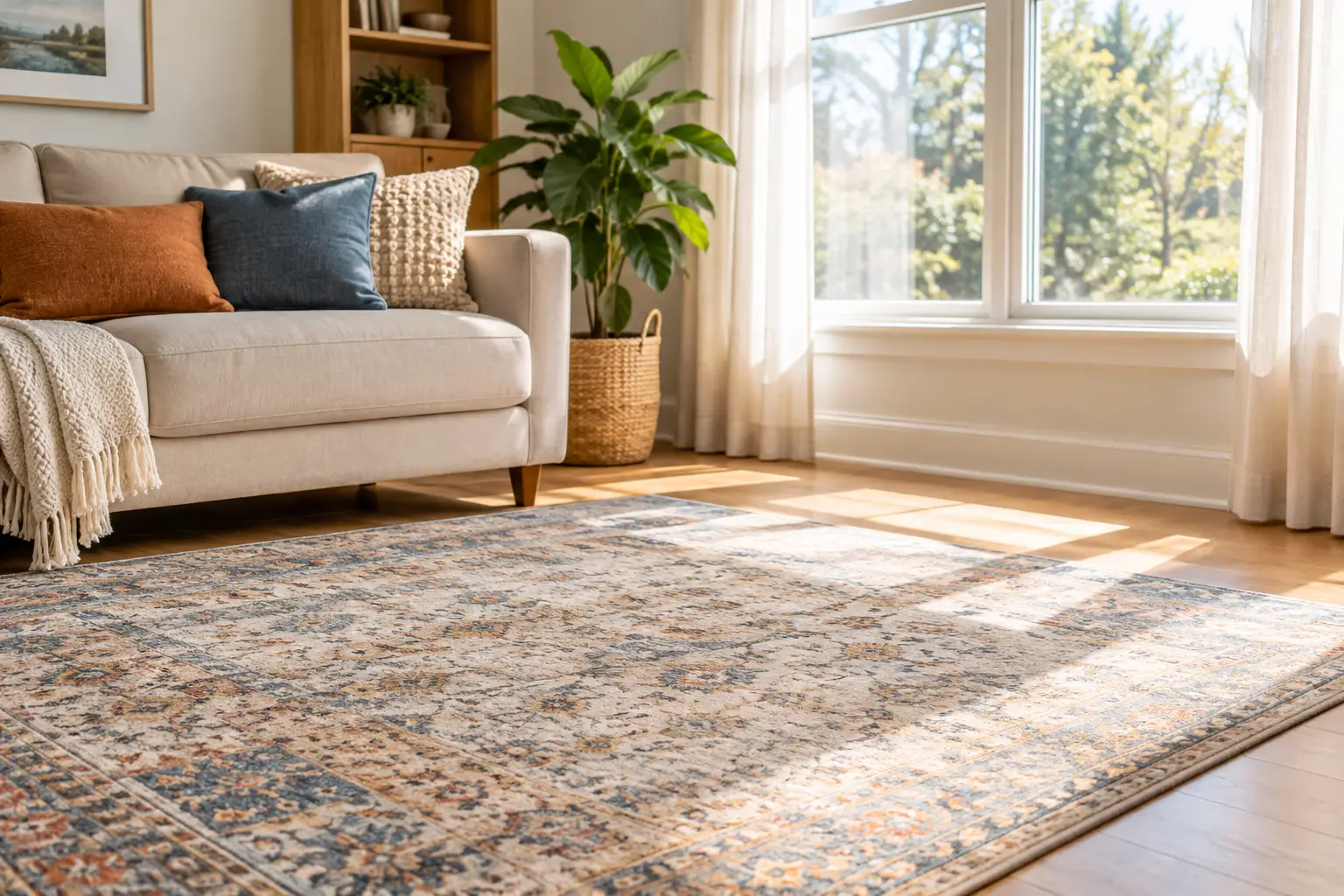
In a living room, the rug should usually anchor the main seating arrangement. Ideally, the front legs of the sofa and chairs rest on it, giving the furniture a shared boundary. In larger rooms, placing all furniture legs on the rug can create an especially composed look.
For a dining room, leave enough room for chairs to remain on the rug when pulled away from the table. In a bedroom, the rug should extend beyond the sides and foot of the bed so the first step each morning lands on something soft. These guidelines are simple, but rooms have quirks: angled fireplaces, open floor plans, narrow passages, and unusual furniture layouts. Looking at options with a design-minded professional helps translate broad rules into a choice that fits your home.
Color should connect the room, not compete with it
A rug does not have to match every element in a room. In fact, exact matching can make a space feel flat. A better approach is to choose a rug that picks up a few existing tones while introducing contrast, depth, or a new texture.
If your room has neutral upholstery, a patterned rug can add movement without making the space feel busy. If the room already includes expressive art, dramatic pillows, or layered materials, a quieter rug may offer the visual rest the space needs. The goal is balance. Quiet luxury often comes from thoughtful restraint, not from adding more of everything.
Construction affects everyday comfort
Material and construction influence appearance, softness, shedding, maintenance, and durability. A natural-fiber rug may offer rich texture and an organic look. A wool rug can feel substantial and inviting. A performance-oriented option may make more sense where spills, shoes, and active family life are part of the picture.
There is no need to choose between style and practicality. The best choice simply reflects the room’s purpose. A formal sitting room and a mudroom-adjacent family area deserve different expectations, even if you want both spaces to feel beautifully coordinated.
Shop the Room, Not Just the Rug
It is easy to fall for a rug on its own. The more useful question is whether it supports the room around it. Before visiting a showroom, take a few minutes to measure the area, note the dimensions of your main furniture, and save a few photos in natural light. If possible, bring a pillow cover, paint sample, fabric swatch, or finish sample from the space.
Then think about the feeling you want the room to have. Are you trying to make a large open area feel warmer and more grounded? Do you want a guest room to feel more welcoming? Is an older room ready for a lighter, fresher point of view? These are more productive starting points than choosing only by color.
A well-styled room is rarely created by one isolated purchase. A rug often becomes the bridge between upholstery, lighting, wall color, and smaller accents. Coordinating pillows, a textured throw, a pouf, or a carefully chosen lamp can make the finished room feel collected over time, even when the refresh happened all at once.
When Custom Is Worth Considering
Some rooms do not cooperate with standard dimensions. A long hallway, an open-concept great room, an unusually shaped dining area, or a space with a specific color story may call for a more tailored solution. Custom rugs can offer greater control over size, shape, material, and design direction.
Custom is not automatically the right route for every room. If a standard size fits well and the rug has the look and performance you need, it may be the more straightforward choice. But when a room has special requirements, tailoring the rug to the space can prevent the compromises that make a finished design feel almost right instead of complete.
A Rug Purchase Should Include a Care Plan
A rug is part of daily life. It collects evidence of busy mornings, family gatherings, pets, celebrations, and all the small moments that happen at home. Choosing one with care is only the beginning. Knowing how to maintain it helps preserve its color, texture, and value over time.
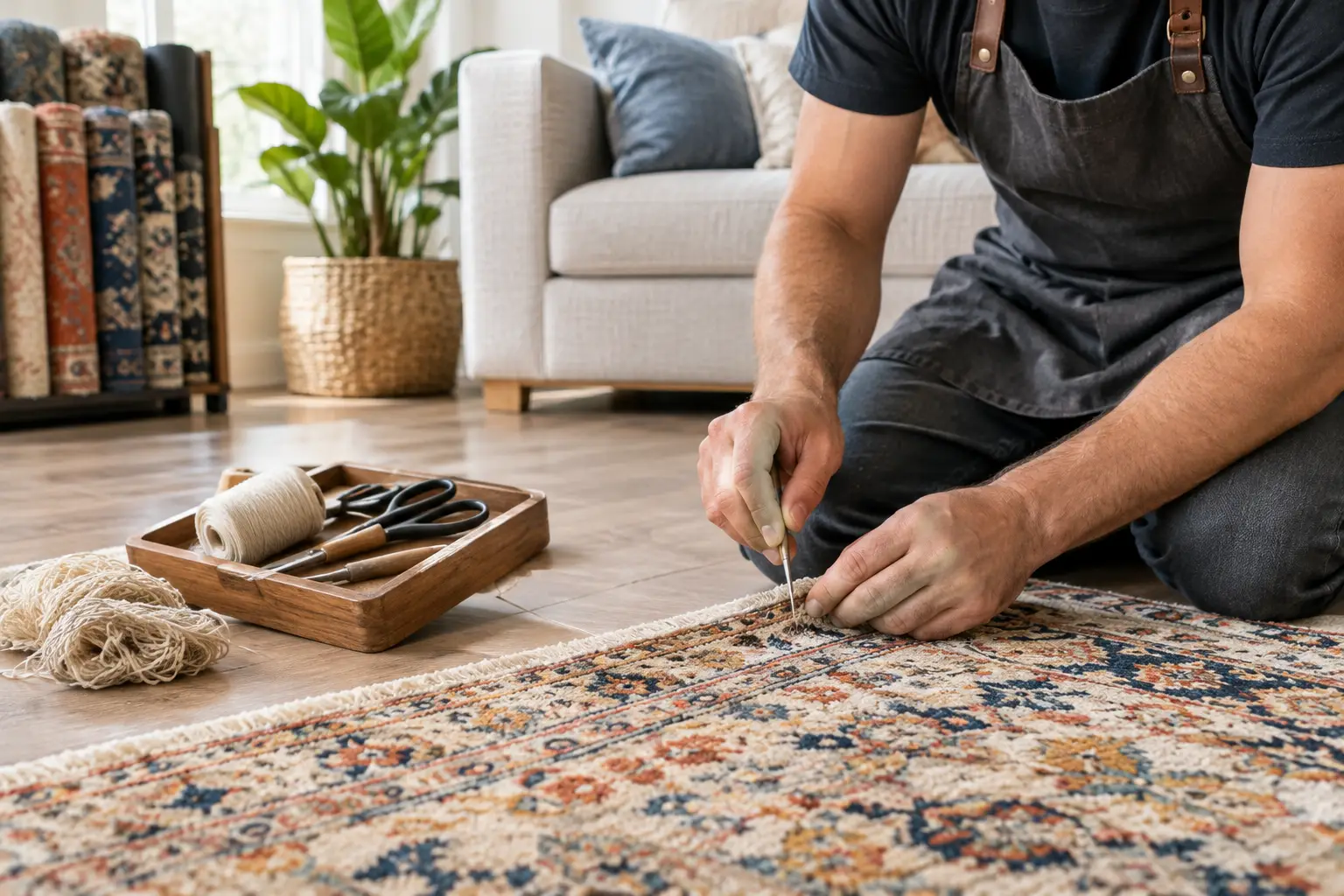
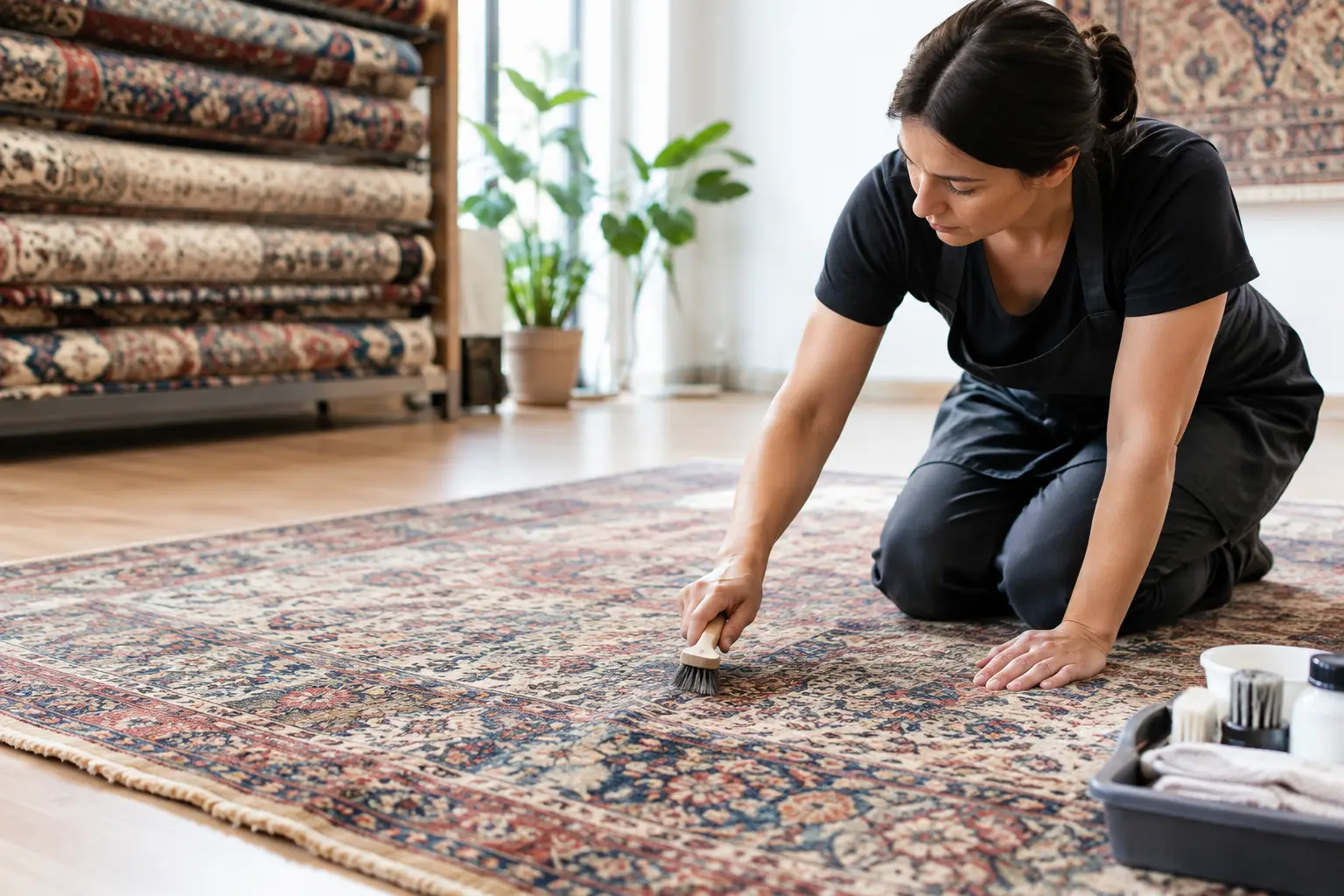
Regular vacuuming, prompt attention to spills, and appropriate professional cleaning all play a role. The right care method depends on the rug’s fibers, construction, age, and condition. Some rugs also need repair or restoration after fringe damage, worn edges, pet incidents, or years of use. Addressing those concerns early can keep a beloved piece from becoming a replacement project.
That full-lifecycle perspective is one reason a local showroom can be so valuable. At Home Rug Gallery in Canton, homeowners can explore rugs and coordinating décor while also finding guidance for custom options, cleaning, repair, restoration, and ongoing rug care. It is a more considered way to furnish a home, especially when the goal is a space that looks good now and continues to live well later.
Make the Final Choice With Confidence
Once you have narrowed the options, picture the rug at its real scale, beneath your real furniture, in the light your room receives throughout the day. Ask whether it supports the room’s function as well as its style. A pale, delicate rug may be perfect in a peaceful primary bedroom, while a family room may need a pattern or construction that is more forgiving.
The right rug does not need to demand attention to make an impact. Often, it is the piece that makes everything else in the room feel settled: the sofa looks more inviting, the lighting feels warmer, and the colors begin to make sense together. Take the measurements, bring the swatches, trust your eye, and choose the piece that makes your home feel more like yours.