


How to Remove Pet Odors From Rugs Safely
Learn how to remove pet odors from rugs without harming color or fibers, plus when professional washing is the smarter choice for a fresh home that lasts.
A room can have beautiful individual pieces and still feel unfinished. Often, the missing element is not another decorative object. It is a sense of connection between the rug underfoot, the light in the room, the colors on the sofa, and the textures that invite people to settle in. A room makeover with coordinated decor creates that connection, turning a collection of furnishings into a space that feels intentional, comfortable, and deeply personal.
The goal is not to make everything match perfectly. Rooms with character need contrast, variation, and a few unexpected details. The goal is to make every choice feel as though it belongs in the same conversation.
For most living rooms, bedrooms, and gathering spaces, the area rug is the natural starting point. It occupies a large visual footprint, introduces color and pattern, and gives furniture a clear place to land. Choosing it first can make the decisions that follow much easier.
Consider how the room needs to function before focusing on pattern. A busy family room may benefit from a durable, forgiving rug with a subtle design that handles daily life gracefully. A formal sitting room can carry a more detailed pattern or a softer, more refined texture. In a bedroom, a plush rug can add warmth to the first step of the morning, while a flatwoven option may suit a more relaxed, layered look.
Scale matters just as much as style. A rug that is too small can make even carefully chosen furniture feel disconnected. In a living room, the front legs of the main seating pieces should typically rest on the rug, creating one unified arrangement. In a dining room, the rug should extend beyond the chairs when they are pulled out. These simple proportions help a room feel settled before pillows or accessories ever enter the picture.
Once the rug is in place, identify two or three colors within it to carry elsewhere in the room. One may become the dominant supporting color, perhaps in drapery, a throw, or upholstered seating. Another can appear in smaller accents such as pillows, a ceramic vase, or artwork.
Avoid repeating every shade in the rug. If a multicolored rug includes ivory, soft blue, terracotta, and charcoal, the room may feel most composed with ivory as the foundation, blue as the recurring accent, and terracotta appearing only in small, warm moments. The charcoal can remain a quiet anchor through a lamp base, frame, or side table. This measured repetition looks more polished than trying to make every accessory echo the full palette.
Coordinated decor is often mistaken for buying everything from one collection. While matching sets can feel easy at first, they can also make a room look flat or overly staged. A more elevated approach combines complementary materials, tones, and shapes.
If the room includes a traditional rug with intricate pattern, balance it with simpler pillows and clean-lined lighting. If the rug is neutral and textural, it can support more expressive artwork, patterned pillows, or an upholstered accent chair. The tension between tailored and relaxed, smooth and nubby, old and new is what makes a room feel collected over time.
Texture is especially valuable in neutral rooms. A palette of cream, taupe, soft gray, and warm wood does not need bold color to feel memorable. It needs variation: linen, wool, woven fibers, velvet, ceramic, aged metal, and natural wood. These finishes catch light differently and create visual warmth without adding clutter.
A room feels more coherent when each material has a role. Wood might bring warmth through furniture or frames. Metal can bring a crisp, tailored note through lighting and hardware. Soft textiles create comfort through rugs, pillows, and throws. Ceramics or glass add a finishing touch on tables and shelves.
There is no need to use every material in every room. In fact, restraint is part of quiet luxury. Choose a few finishes that suit the home and repeat them thoughtfully. A black metal lamp can relate beautifully to dark picture frames across the room, while a warm brass detail may connect lighting to a mirror or decorative tray.
Lighting is one of the fastest ways to change how coordinated decor is perceived. A room with only overhead lighting can make even beautiful furnishings feel harsh and one-dimensional. Layered lighting adds depth, softness, and function.
Begin with the practical light needed for the room, then add lamps where people read, gather, or relax. A floor lamp can give a seating area its own sense of place. Table lamps on either end of a console or sofa create balance without making the arrangement feel rigid. The lamp itself is also part of the decor, so consider its silhouette, shade, and finish alongside the rug and furniture.
Warm bulbs generally flatter layered interiors better than cool, bright lighting. They enhance the richness of wood, soften textiles, and make neutral palettes feel welcoming. If a room has abundant daylight, use that as part of the plan as well. Lighter rugs and fabrics may feel luminous near large windows, while deeper tones can create a grounded, intimate mood in a darker space.
Accessories are where homeowners can show personality, but they are also where a coordinated room can become overworked. Instead of filling every surface, choose pieces with a clear connection to the room’s palette, materials, or story.
A few substantial accessories often make a stronger impression than many small ones. Consider a sculptural bowl, a stack of favorite books, a textured vase, or a meaningful object displayed with space around it. Pillows and throws should add comfort, but they should also vary in scale and texture. A large solid pillow paired with a smaller patterned option and a soft throw creates a more relaxed, inviting arrangement than a row of identical cushions.
Artwork can be the bridge between different parts of the room. It may repeat an accent color from the rug, soften a strong furniture line, or introduce a mood that guides the rest of the space. You do not need to match art to a sofa or rug literally. Look instead for a shared undertone, such as warm earth colors, cool blues, or a similar level of visual energy.
A thoughtful room rarely needs to be completed in one shopping trip. Starting with the foundational pieces – rug, main furnishings, and lighting – allows you to see what the space truly needs. After those elements are in place, it becomes easier to select pillows, throws, poufs, and tabletop decor that support the overall look rather than compete for attention.
This approach also leaves room for practical decisions. Homes with children, pets, frequent guests, or second-home use may need materials that are especially durable and easy to maintain. A pale, high-pile rug can be a beautiful choice in a low-traffic bedroom, while a patterned, performance-minded option may be the wiser investment for a busy living room. Style works best when it respects how the room is actually lived in.
Seeing pieces together in person can prevent costly guesswork. The difference between warm ivory and cool ivory, or between a muted blue and a blue that reads too bright, is hard to judge on a screen. Bringing fabric swatches, paint colors, or a few photos of the room into a showroom gives you a better chance to compare texture, scale, and undertones under real light.
For homeowners in Canton and surrounding North Georgia communities, Home Rug Gallery offers the opportunity to experience rugs, lighting, pillows, poufs, throws, and finishing accessories as a complete visual story. That hands-on perspective helps turn a good idea into a room that feels effortlessly styled.
A coordinated room should never feel like it was assembled by a formula. Let the rug establish the foundation, let color and texture create continuity, and leave enough breathing room for the details you genuinely love. The most inviting spaces are not simply decorated well – they make everyday life feel more considered.
Learn how to remove pet odors from rugs without harming color or fibers, plus when professional washing is the smarter choice for a fresh home that lasts.
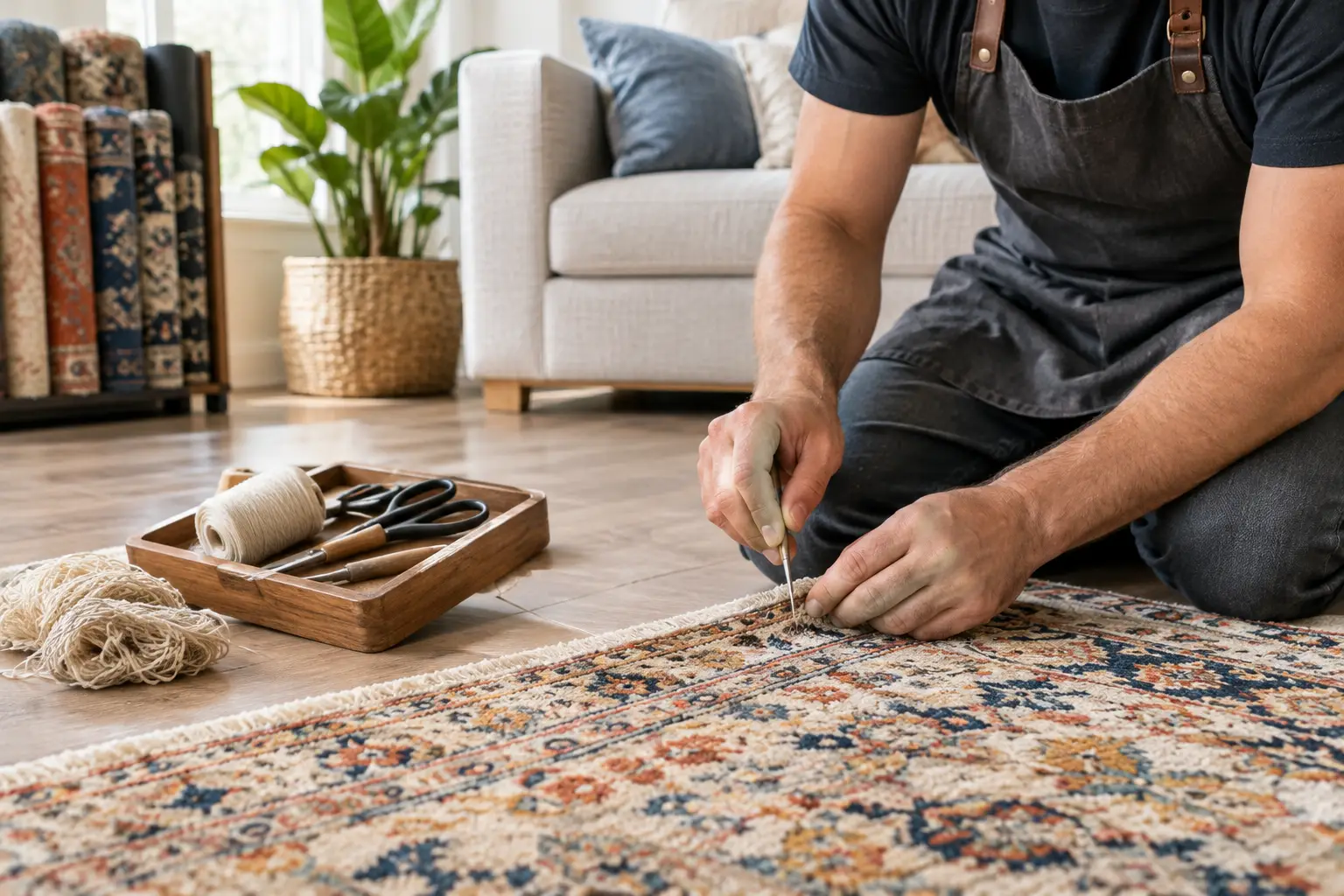
Use this Kennesaw rug repair guide to spot damage early, choose the right restoration, and protect the color, texture, and comfort of your favorite rug.
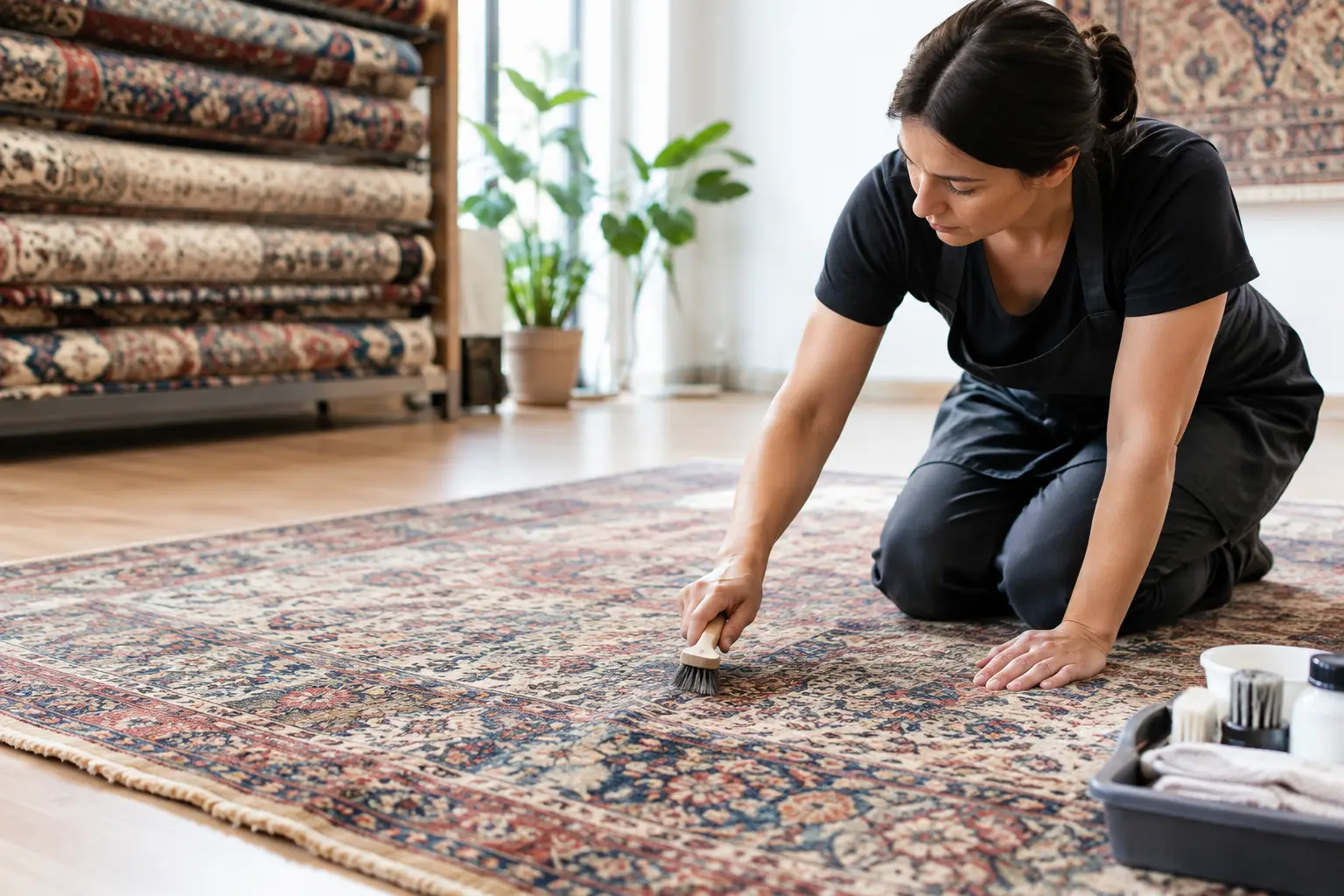
Marietta rug restoration can preserve color, texture, and history. Learn when repair makes sense and how thoughtful care protects a cherished rug at home.
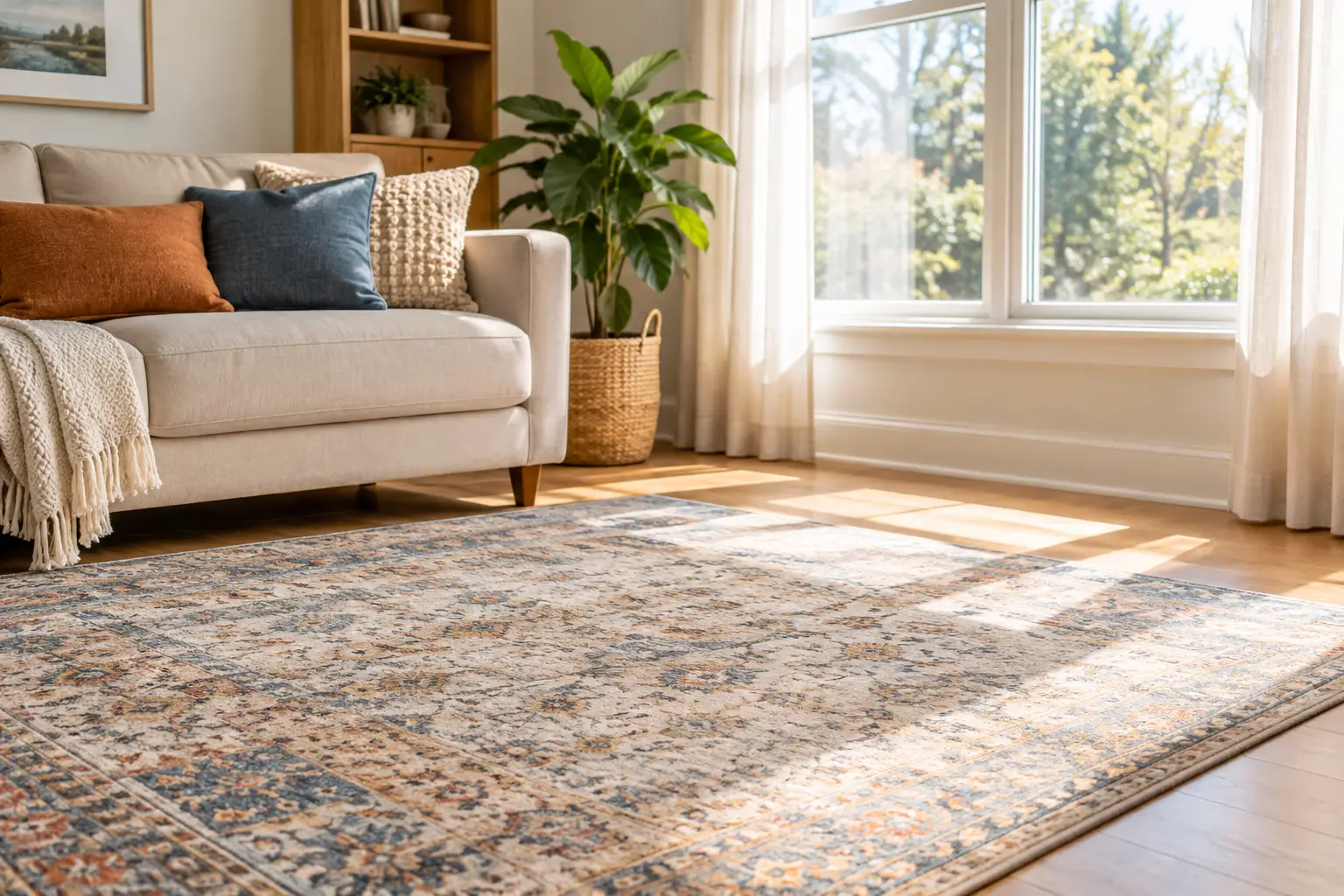
Learn how to protect rugs from sun fading with thoughtful window treatments, rotation, cleaning, and placement tips that preserve color and comfort daily.
From cozy area rugs to statement-making wall décor, our curated categories make it easy to explore what speaks to your space. Whether you’re refreshing a single corner or reimagining your whole home, start here and discover pieces that bring it all together.