

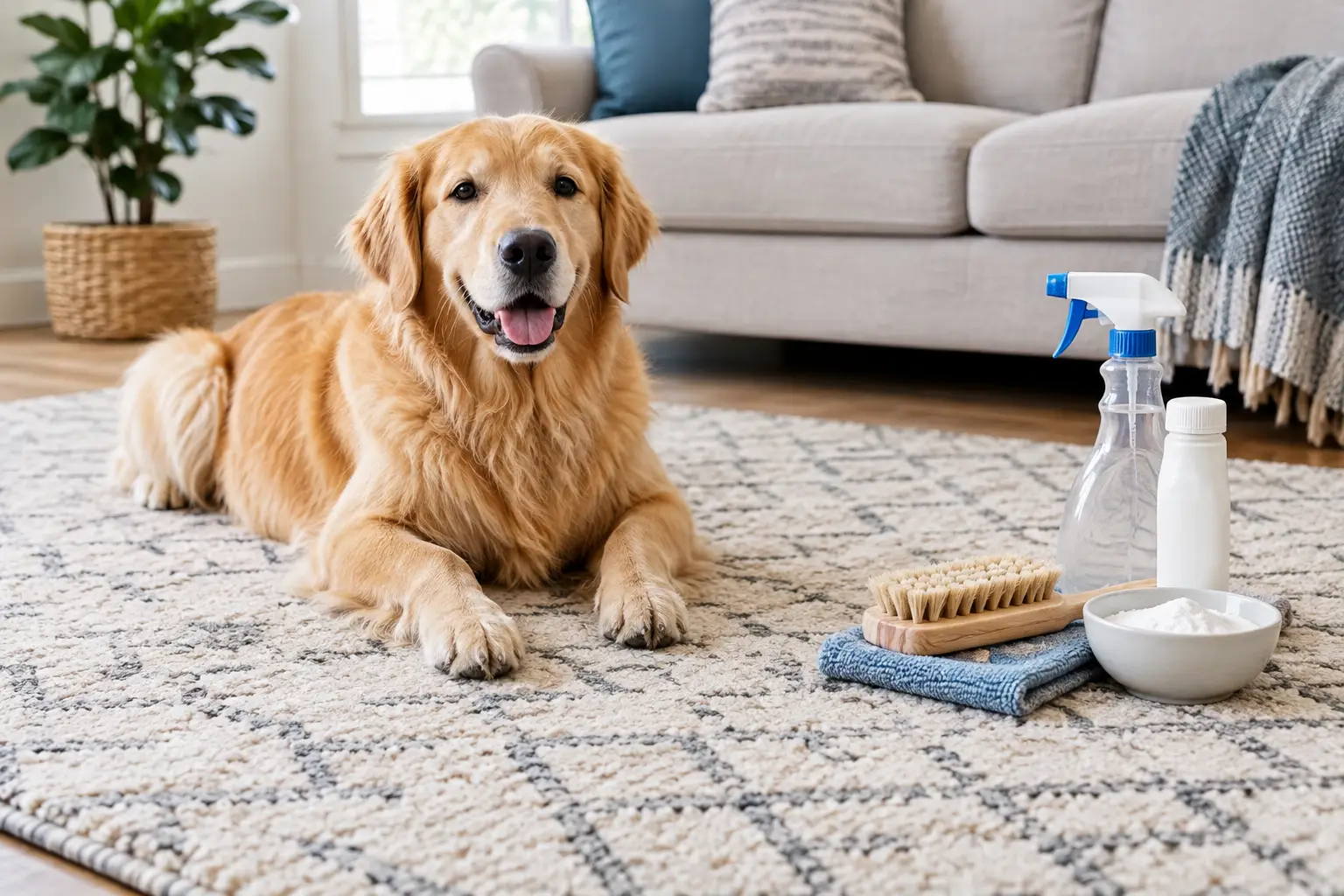
How to Remove Pet Odors From Rugs Safely
Learn how to remove pet odors from rugs without harming color or fibers, plus when professional washing is the smarter choice for a fresh home that lasts.
A finely made rug changes the feeling of a room underfoot, but it also takes the most daily wear. This oriental rug care guide is designed for homeowners who want to protect the color, texture, and character that made them choose a special rug in the first place. Good care is not about treating a rug like a museum piece. It is about creating a simple rhythm that lets it remain beautifully lived in.
The term “Oriental rug” is commonly used for hand-knotted and traditionally styled rugs, many of which are made with wool, silk, cotton, or blends of natural fibers. Their construction, dyes, age, and condition can vary dramatically. That is why the safest approach is gentle, consistent maintenance rather than a one-size-fits-all cleaning routine.
Dirt is more damaging than it looks. Fine grit settles into the pile, works against the fibers as people walk across it, and gradually leaves a rug feeling flatter and less luminous. Regular vacuuming removes that abrasive material before it has time to do its work.
For most wool rugs in active spaces, vacuum once a week using suction only. Turn off the beater bar or rotating brush, which can pull at fringe, stress delicate fibers, and rough up a lower pile. Vacuum slowly in the direction of the pile, then make a second pass in the opposite direction if the rug is sturdy and not shedding excessively.
Fringe deserves its own rule: do not vacuum it. Straighten it gently by hand when needed, and use a handheld vacuum nearby rather than passing the main vacuum head over the ends. A little patience here can prevent unraveling that becomes much more complicated to repair.
New wool rugs may shed for a period of time, especially in rooms with frequent use. This is usually normal and should lessen with routine suction. Avoid pulling loose fibers. Instead, trim a single protruding fiber carefully with scissors at the surface of the pile, never below it.
A quality rug pad is one of the quietest ways to extend a rug’s life. It helps the rug lie flat, reduces slipping, softens the feel underfoot, and buffers the impact of furniture and foot traffic. On hard floors, choose a pad designed specifically for your flooring material so it will not discolor or adhere to the finish.
The right pad also helps preserve the rug’s shape. A rug that creeps, buckles, or folds at the edges is more likely to develop uneven wear. In a polished living room or dining room, this small, unseen layer contributes to the comfortable, tailored look people notice without quite knowing why.
A spill does not automatically mean permanent damage. The first few minutes matter most, and the goal is to remove moisture without spreading the stain or driving it deeper into the foundation.
Blot immediately with a clean, white absorbent cloth or plain paper towels. Press down firmly, lift, and repeat. Do not rub. Rubbing can distort fibers, push color into surrounding areas, and turn a small spot into a noticeable ring.
Once you have absorbed as much as possible, use a small amount of cool water on a clean cloth to blot the area from the outside toward the center. Then blot dry again. Keep the rug from becoming saturated, particularly if it has a cotton foundation or sits over wood flooring.
Be cautious with household stain removers, dish soap, vinegar, and powders promoted as universal fixes. They may leave residue, alter the feel of wool, or affect dyes that are not colorfast. Silk, antique rugs, rugs with fringe, and pieces with hand-dyed color should be treated as especially sensitive. When a spill involves red wine, coffee, pet accidents, grease, or a deeply colored food, professional guidance is often the wiser choice.
A rug can be durable and still benefit from a thoughtful room plan. Entryways, hallways, family rooms, and spaces in front of sofas tend to show wear first because they receive the same patterns of movement every day.
Rotate the rug about once or twice a year so sunlight and traffic are distributed more evenly. The ideal schedule depends on the room. A rug in a bright sitting area may need rotation more often than one in a low-light bedroom. If a heavy sofa or chair creates visible compression, move it slightly when you rotate the rug or use furniture cups that spread the weight more gently.
Direct sun deserves attention as well. Natural light makes a room feel open and inviting, but prolonged exposure can soften rich blues, reds, and warm neutrals over time. Window treatments, UV-filtering shades, or simply rotating the rug can preserve a more even appearance. There is a trade-off, of course: a sunny room should still feel sunny. The goal is measured protection, not closing off the space you love.
A strict no-shoes rule can reduce outside grit, but it is not the only path to a well-kept rug. A good entry mat, routine vacuuming, and prompt attention to wet shoes offer meaningful protection in a busy household. What matters is preventing mud, salt, and moisture from being ground into the pile.
Pets and fine rugs can coexist, too. Address accidents promptly, keep nails trimmed to minimize snags, and lift pet hair with vacuum suction rather than harsh brushes. If a favorite sleeping spot begins to create a flattened area, shift the rug or add a soft pet bed nearby. These adjustments protect the rug without asking the room to stop feeling like home.
Humidity is another factor many homeowners overlook. Excess moisture can encourage mildew, especially in basements, enclosed porches, or homes with a water event. If a rug becomes thoroughly wet, do not leave it rolled up or draped over furniture. It needs prompt, controlled drying and an assessment of the foundation before odors or staining take hold.
Vacuuming and careful blotting are appropriate for ordinary maintenance. Deep cleaning is different. A handmade rug may hold far more dry soil than its surface suggests, and washing it incorrectly can cause dye bleed, shrinkage, browning, odor, or rippling.
A professional rug cleaning is worth considering when colors appear dull despite vacuuming, the rug has an odor, spills have set, or the pile feels stiff or matted. It is also a smart choice after a pet accident, water exposure, or a major renovation that leaves fine dust throughout the home. Proper cleaning should account for fiber type, dye stability, fringe, foundation, and the rug’s overall condition.
Repairs should be addressed early. A loose edge, thinning area, small hole, or unraveling fringe may seem minor, but each can spread with normal use. Timely restoration protects both the rug’s appearance and its structure. For homeowners in Canton and surrounding North Georgia communities, Home Rug Gallery can help evaluate whether a treasured rug needs cleaning, repair, or a more specialized restoration approach.
If you are changing rooms, renovating, or storing a seasonal rug, have it cleaned before it goes away. Soil and food residue can attract pests over time, while a stain that seems faint today may become harder to address after months in storage.
Roll the rug with the pile facing inward, rather than folding it, and wrap it in breathable material. Store it in a dry, climate-controlled area elevated from the floor. Avoid plastic for long-term storage, damp garages, attics with extreme temperature swings, and basements prone to humidity. Check stored rugs periodically, especially in a second home or less-used space.
The most beautiful rooms have an ease to them. Their rugs are not merely decorative objects placed at a distance from daily life. They ground conversations, soften morning routines, and make a house feel deeply personal. With a gentle vacuuming habit, quick spill response, thoughtful rotation, and professional care when the rug calls for it, your rug can keep adding warmth and quiet luxury to the room for years to come.
Learn how to remove pet odors from rugs without harming color or fibers, plus when professional washing is the smarter choice for a fresh home that lasts.
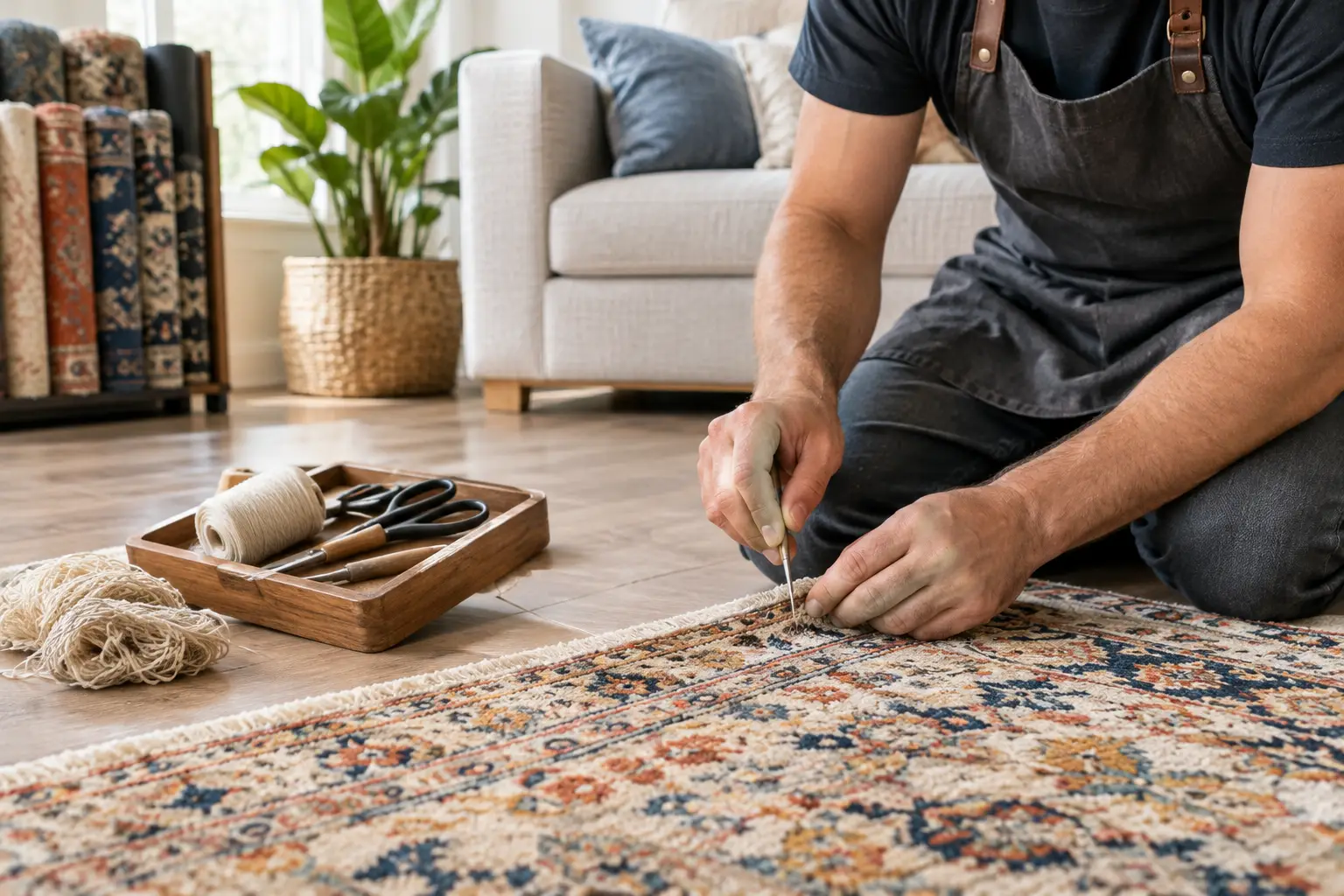
Use this Kennesaw rug repair guide to spot damage early, choose the right restoration, and protect the color, texture, and comfort of your favorite rug.
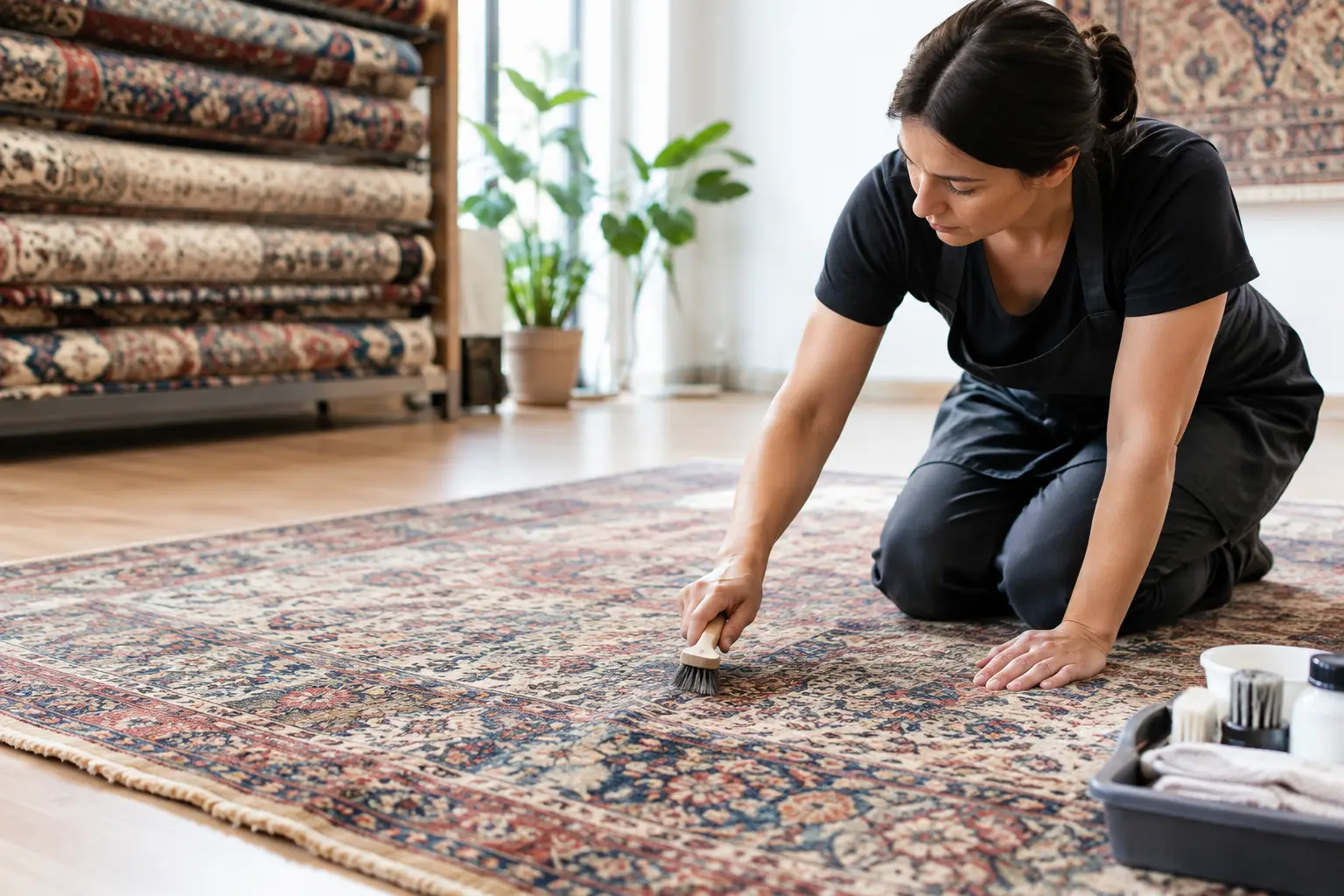
Marietta rug restoration can preserve color, texture, and history. Learn when repair makes sense and how thoughtful care protects a cherished rug at home.
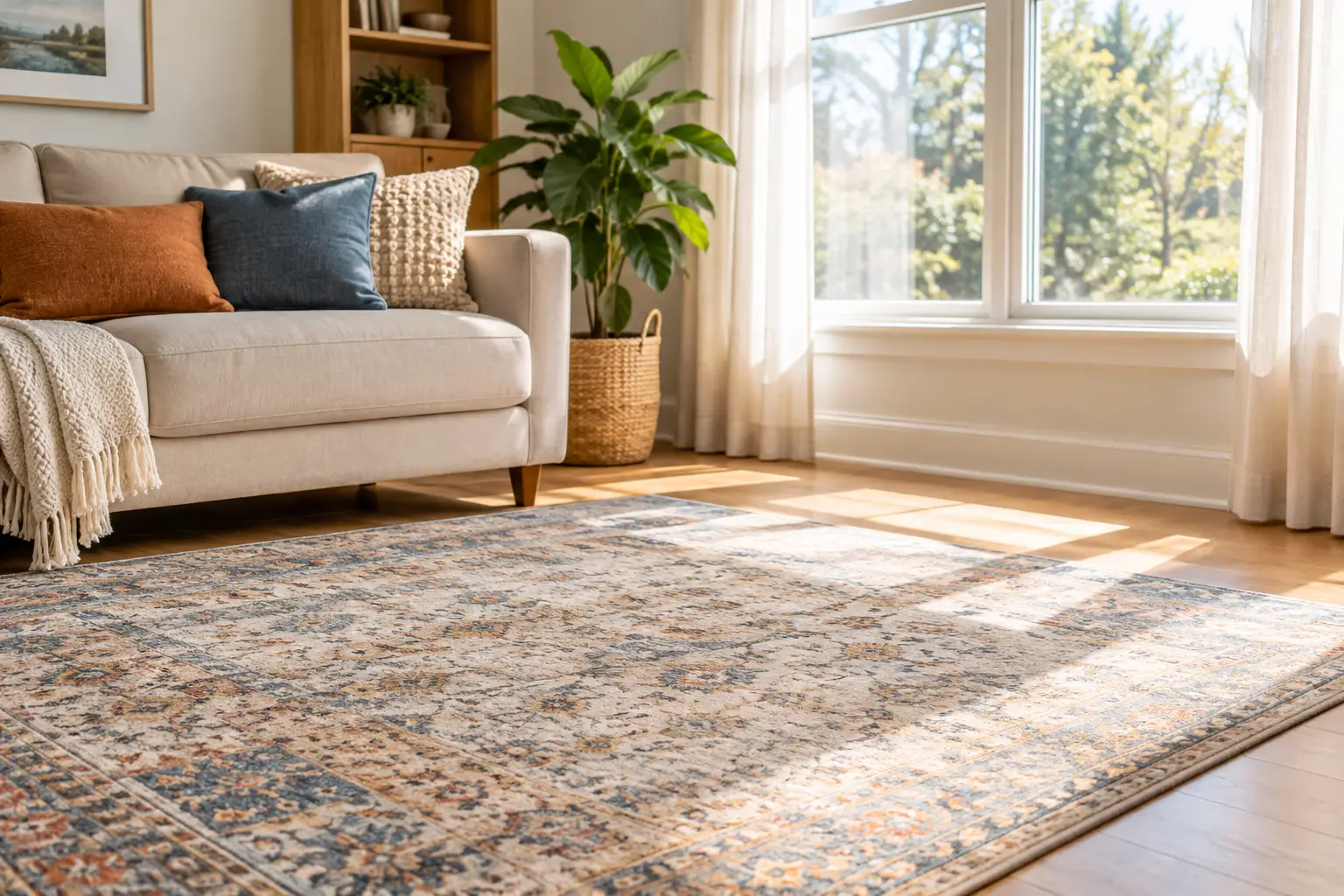
Learn how to protect rugs from sun fading with thoughtful window treatments, rotation, cleaning, and placement tips that preserve color and comfort daily.
From cozy area rugs to statement-making wall décor, our curated categories make it easy to explore what speaks to your space. Whether you’re refreshing a single corner or reimagining your whole home, start here and discover pieces that bring it all together.