


How to Remove Pet Odors From Rugs Safely
Learn how to remove pet odors from rugs without harming color or fibers, plus when professional washing is the smarter choice for a fresh home that lasts.
A 9×12 rug changes the posture of a room. Instead of furniture appearing scattered across open floor, the seating area feels intentional, connected, and ready for everyday living. For homeowners shopping for 9×12 rugs Canton GA, the key is not simply finding a beautiful pattern. It is choosing a piece that gives the room the right scale, supports how your household lives, and feels at home with the finishes you already love.
This generous size is often the right answer for larger living rooms, primary bedrooms, formal dining rooms, and open-concept spaces. Still, a 9×12 is a meaningful visual investment. Seeing one in person makes it easier to judge its true color, texture, pile height, and presence before it becomes the foundation of your room.
A rug should do more than cover floor. In a well-designed space, it establishes a visual boundary and gives furniture a shared center. A 9×12 rug has enough reach to ground a substantial seating arrangement, allowing the front legs of sofas, chairs, and accent tables to sit comfortably on the surface.
That extra coverage matters. A smaller rug can make a large room feel disconnected, even when every individual furnishing is beautiful. With a 9×12, the layout reads as one inviting conversation area. It also softens hardwood, tile, and luxury vinyl floors, bringing warmth underfoot and helping the space feel less echo-prone.
The same principle applies in a bedroom. When the rug extends beyond the sides and foot of the bed, the first step each morning feels considered rather than cold. In a dining room, a 9×12 can give a larger table the breathing room it needs, keeping chairs on the rug when guests pull them back.
The most common rug-sizing mistake is choosing according to an empty room. Rooms are lived in through furniture groupings, walkways, door swings, and the daily rhythm of people moving through them. Before shopping, use painter’s tape to outline a 9×12 footprint on the floor. The exercise takes a few minutes and immediately reveals whether the rug will support the room without crowding it.
For many living rooms, a 9×12 rug works best when the front legs of every major seating piece rest on it. This creates cohesion without requiring the rug to run wall to wall. Leave a visible border of flooring around the rug when possible. In a more spacious room, all four legs of the sofa and chairs may fit on the rug, creating an especially tailored, quiet-luxury look.
Pay attention to pathways. A rug should welcome movement through the room, not become an obstacle course between the sofa and kitchen or between a chair and a doorway. If a room has several entrances, position the rug to define the seating zone while keeping natural traffic lanes clear.
A dining rug needs to account for pulled-out chairs, not just the table itself. Ideally, each chair remains fully on the rug when someone sits down. For a rectangular table that seats six to eight people, a 9×12 often offers the generous border needed for comfortable movement and a polished silhouette.
Flatweave, low-pile, and performance-oriented constructions tend to be especially practical here. They allow chairs to slide more easily and are less likely to trap crumbs in a deep texture. A heavily fringed design may be beautiful, but it can feel busy beneath a dining setup with ornate chair legs.
In a primary bedroom, place the rug perpendicular to the bed and extend it beneath the lower portion of the frame. This leaves a wide, comfortable landing on both sides and at the foot. If the entire bed and nightstands fit on the rug, the result can feel more formal, but that approach depends on room dimensions and furniture scale.
For open-concept homes, a 9×12 rug can create an architectural pause between the living area and nearby kitchen or dining zone. Rather than trying to make the rug match every finish in view, let it anchor one purposefully defined area. Its colors can then echo nearby accents through pillows, throws, lighting, or artwork.
The right material depends on where the rug will live and who will live with it. There is no single best fiber for every household.
Wool remains a favorite for its natural softness, resilience, and nuanced color. It brings a substantial, elevated feel to living rooms and bedrooms, particularly in handwoven or textured designs. Wool can shed at first and benefits from thoughtful care, but its lasting character makes it a wonderful choice for rooms where comfort and craftsmanship lead the decision.
Synthetic and performance fibers can be smart for active family rooms, homes with pets, and dining spaces. Many have a soft hand and sophisticated patterns while offering easier day-to-day cleanup. They are often the practical choice when you want the look of a refined rug without worrying over every muddy paw or afternoon snack.
Natural fibers such as jute and sisal add organic texture and an easy, collected feel. Their earthy character works beautifully with wood, linen, leather, and neutral upholstery. They can be less forgiving under bare feet and may not suit damp locations or homes where spills are frequent. Layering a smaller patterned rug over a natural-fiber base is one way to bring softness and personality into the arrangement.
A 9×12 rug carries enough visual weight to influence the entire room, so begin with the atmosphere you want. Soft taupes, ivories, muted blues, and warm grays can give a room an airy, enduring foundation. Rich terracottas, deep greens, charcoal, and layered vintage-inspired patterns bring depth and a more expressive point of view.
If your sofa, walls, and flooring are largely neutral, the rug is an opportunity for gentle movement. Look for a pattern that includes two or three colors you can repeat elsewhere, perhaps in a pillow, lamp base, throw blanket, or piece of art. Repetition is what makes a room feel effortlessly styled rather than assembled one purchase at a time.
If the room already has strong architectural details, dramatic wallpaper, or colorful upholstery, a quieter rug may be the better choice. Texture can provide interest without adding visual competition. Subtle high-low patterns, tonal designs, and heathered yarns are particularly useful when you want the floor to feel elevated but calm.
A screen cannot fully show how a rug will behave in your home. Colors shift under different light, especially between morning sun, warm interior lighting, and evening shadows. Texture also changes a room’s mood. A rug that looks smooth online may have a dimensional weave, a silky sheen, or a substantial pile that makes it feel entirely different in person.
In a showroom, you can compare several options side by side and notice details that photographs flatten: the contrast within a pattern, the warmth of an ivory background, the softness of a fiber, and the way a border frames the design. It is also easier to hold samples beside fabric, paint references, or inspiration images from your home.
For Canton-area homeowners furnishing a whole room, that in-person perspective can prevent costly second guessing. At Home Rug Gallery, the experience is designed to help you consider the rug alongside coordinating décor, pillows, lighting, and finishing layers, so the final room feels personal and cohesive.
A quality rug deserves a proper pad. The pad helps prevent shifting, adds a touch of cushioning, protects the flooring beneath, and can improve how the rug wears over time. Choose a pad appropriate for your floor type and rug construction rather than treating it as an afterthought.
Vacuum regularly, using a setting that respects the pile and avoiding aggressive beater bars on delicate fibers or fringe. Rotate the rug periodically in sunny rooms so exposure and foot traffic are distributed more evenly. Address spills promptly by blotting rather than rubbing, which can push a stain deeper into the fibers.
For rugs with sentimental value, handmade construction, or more significant staining, professional cleaning and restoration support can make a real difference. Proper care protects both the appearance of the rug and the role it plays in your home for years to come.
It depends on the furniture plan. A 9×12 can be right even in a moderately sized room if it creates a clear seating area and leaves reasonable walking space around the perimeter. Tape the dimensions on the floor before deciding. The outline will tell you more than room measurements alone.
No. Exact matching can make a room feel flat. Instead, choose a rug that relates to the sofa through undertones, texture, or a repeated accent color. A cream sofa can work with a warm neutral, faded blue, earthy green, or a softly patterned multicolor rug, depending on the mood you want to create.
A well-chosen 9×12 rug gives a room more than softness and color. It gives your favorite furniture, daily routines, and personal style a place to come together. Bring along a few photos and measurements, trust what feels right underfoot, and choose the piece that makes the room feel unmistakably yours.
Learn how to remove pet odors from rugs without harming color or fibers, plus when professional washing is the smarter choice for a fresh home that lasts.
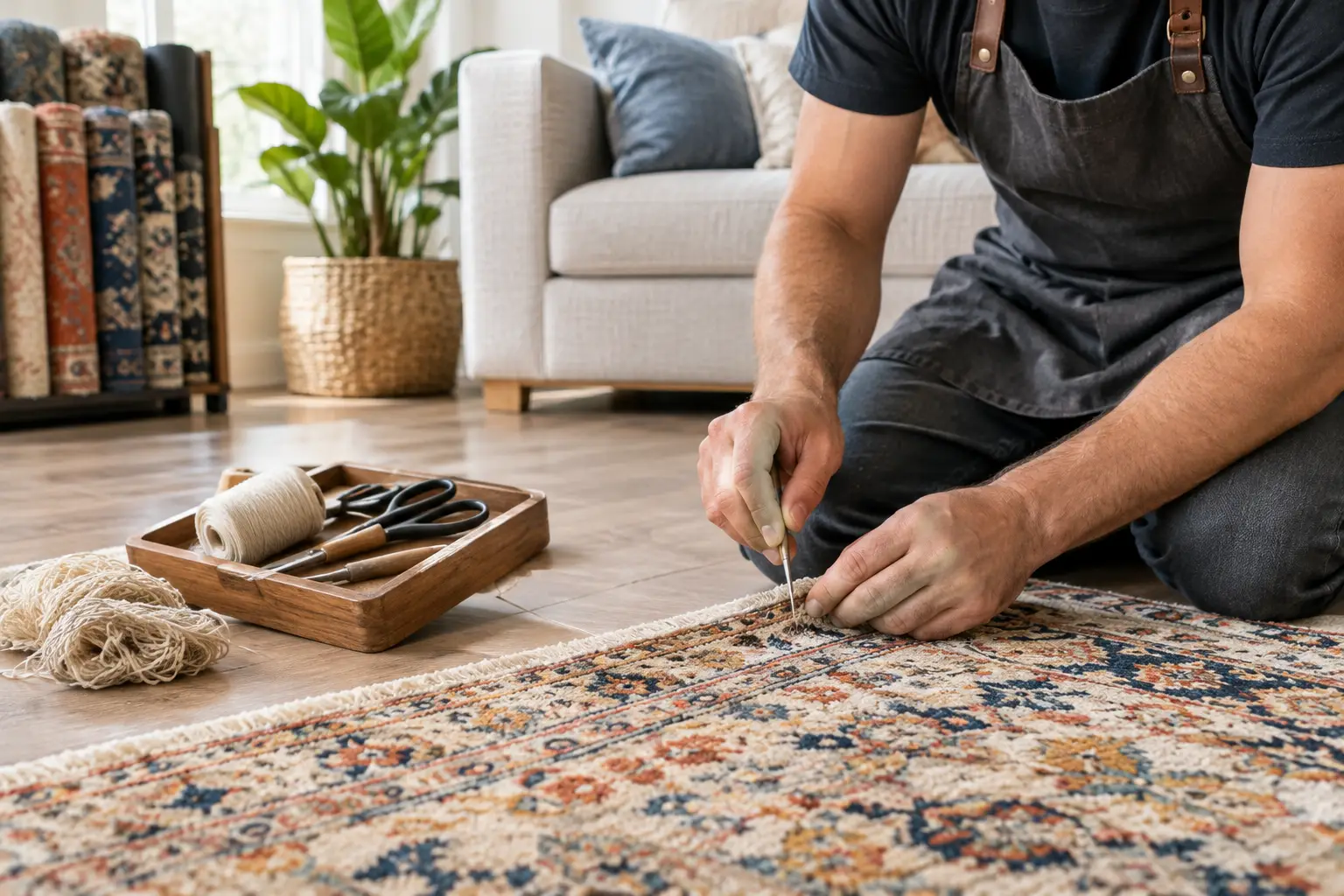
Use this Kennesaw rug repair guide to spot damage early, choose the right restoration, and protect the color, texture, and comfort of your favorite rug.
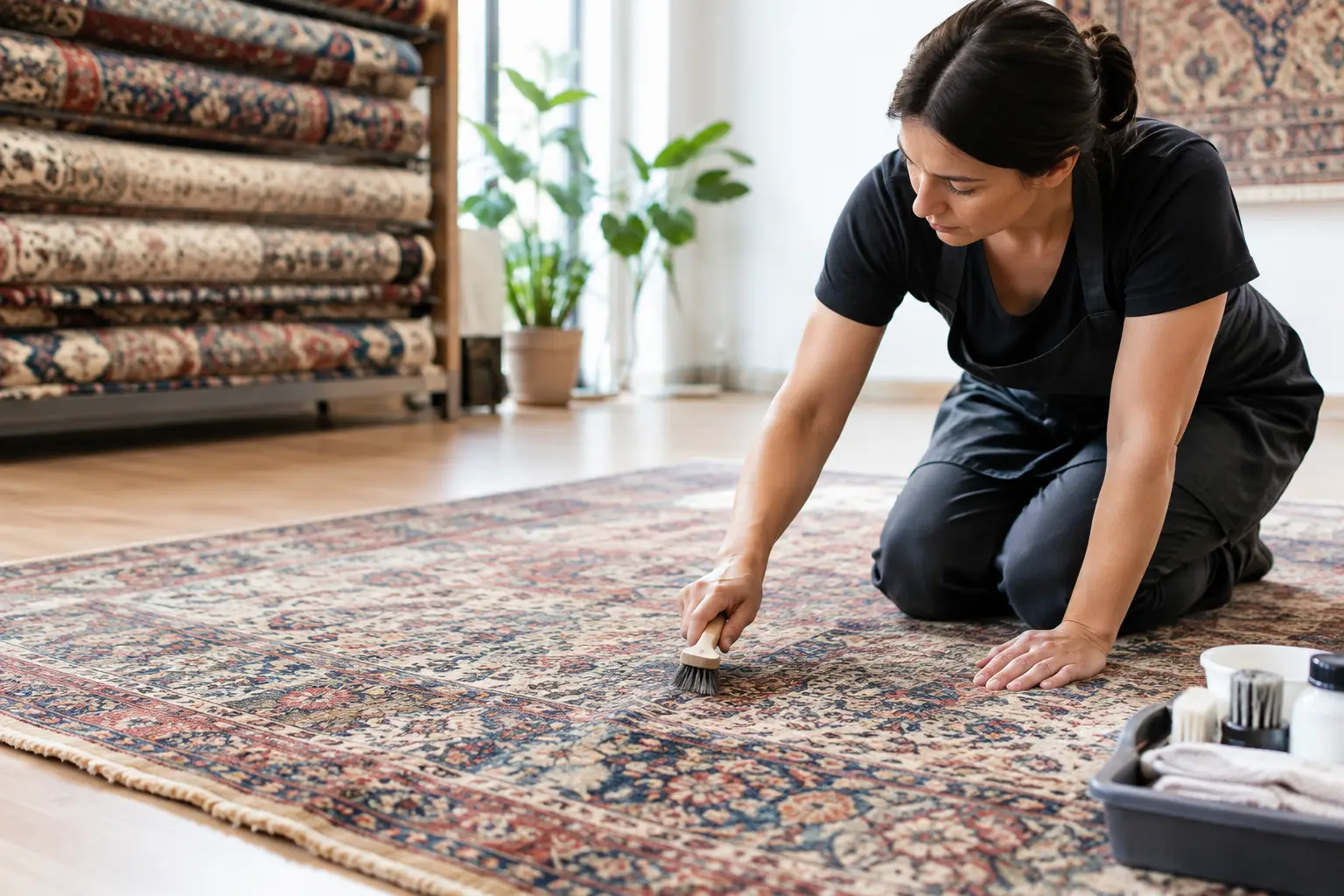
Marietta rug restoration can preserve color, texture, and history. Learn when repair makes sense and how thoughtful care protects a cherished rug at home.
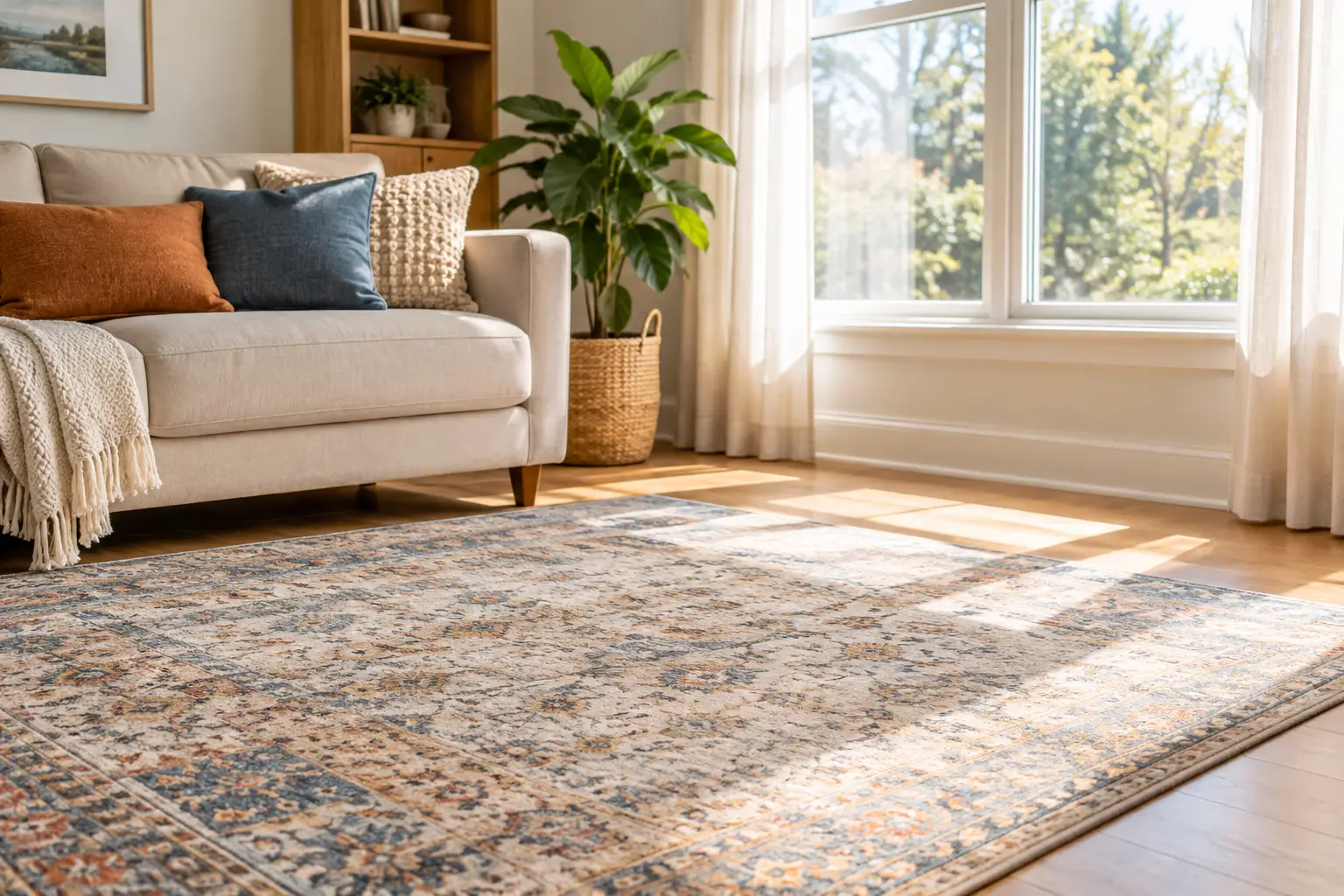
Learn how to protect rugs from sun fading with thoughtful window treatments, rotation, cleaning, and placement tips that preserve color and comfort daily.
From cozy area rugs to statement-making wall décor, our curated categories make it easy to explore what speaks to your space. Whether you’re refreshing a single corner or reimagining your whole home, start here and discover pieces that bring it all together.