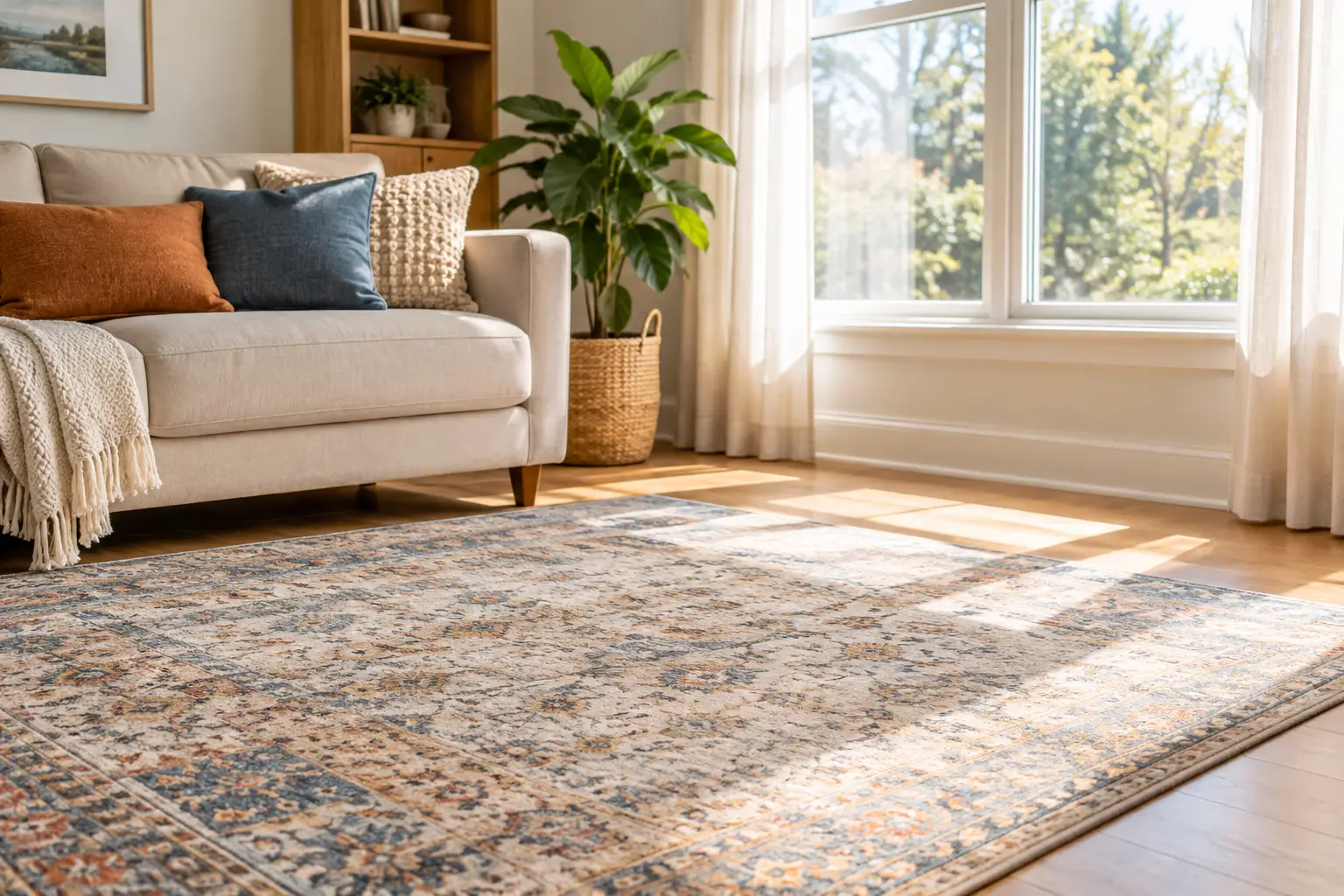
A beautiful room can still feel unfinished until the rug is right. The sofa may have the perfect silhouette, the paint may feel fresh, and the lighting may be carefully chosen, but a too-small rug or an off-tone pattern can make the entire space feel disconnected. When you search for area rugs near me, you are usually looking for more than a floor covering. You are looking for the piece that brings comfort, color, texture, and proportion into focus.
For homeowners who care about rooms that feel polished but still personal, shopping locally offers a meaningful advantage. You can see the true color in changing light, feel the pile beneath your feet, compare patterns against your existing finishes, and get experienced guidance before bringing a major design element home.
Why area rugs are worth seeing in person
A rug affects more of a room than most people expect. It can soften hard flooring, define an open-concept living area, add warmth to a bedroom, and establish the palette for everything from pillows to artwork. Because it has such visual weight, small details matter.
Online images cannot always reveal whether an ivory rug reads creamy, bright white, or softly gray in person. Nor can they fully communicate texture. A hand-knotted wool rug, a low-profile flatweave, and a plush synthetic blend may look similar on a screen, yet feel entirely different underfoot and perform differently in a busy household.
A showroom makes comparison easier. Bring a few photos of your room, along with a paint sample, pillow cover, or a photo of the flooring in natural light. Holding these elements beside several rugs often makes the best direction clear much faster than scrolling through endless product images at home.
Start with size, not pattern
The most common rug mistake is choosing a size that is too small. A rug should make furniture feel intentionally grouped, not appear to float in the middle of the floor like an afterthought. Pattern and color matter, but scale is the first decision to get right.
Living rooms need connection
In a living room, the strongest choice is often a rug large enough for the front legs of the sofa and chairs to rest on it. For a more tailored, fully grounded look, all major seating pieces can sit on the rug. Either approach works, provided the rug relates clearly to the furniture arrangement.
A smaller rug may be appropriate in a compact sitting area or beneath a coffee table, but it should still feel purposeful. If the room is generous in scale, undersizing the rug can make the furniture look scattered and the room feel less finished.
Dining rooms need room to move
For dining spaces, measure the table and allow enough rug around every side for chairs to remain on the surface when pulled back. This is a practical detail that makes a daily difference. Chairs that catch on the rug edge are frustrating, especially in a room used for family meals and entertaining.
Low-pile rugs are often especially useful here. They provide pattern and softness while allowing chairs to slide more easily than they would on a very thick pile.
Bedrooms benefit from softness at the edges
In a bedroom, an area rug can extend beneath the lower portion of the bed and provide a soft landing on both sides. In larger rooms, placing the bed, nightstands, and bench within one expansive rug creates a composed, luxurious foundation. In smaller bedrooms, runners on either side of the bed may be the more practical answer.
There is no single rule that suits every room. The right size depends on architecture, furniture placement, door swings, and how you move through the space. This is exactly where an in-person conversation can prevent an expensive guess.
Choose a rug for the way your home lives
The right rug is not simply the prettiest option in the showroom. It should also suit your household. A pale, high-pile rug can bring a serene, quiet-luxury feeling to a formal bedroom, but it may not be the easiest choice for an entryway used by kids, pets, and muddy shoes.
For high-traffic areas, look for durable construction, a pattern that can disguise everyday wear, and fibers that fit your maintenance preferences. Wool is naturally resilient and richly textured, while performance-oriented materials can be practical for active homes. Flatweaves are easy to layer and can work beautifully in casual spaces, although they may need a quality rug pad to stay comfortably in place.
Consider the visual activity of the room, too. If your upholstery, art, and accent pillows already bring plenty of pattern, a tonal rug with subtle texture may provide welcome balance. If the furniture is clean-lined and neutral, a patterned rug can become the room’s point of view.
Use color to coordinate, not copy
A coordinated room does not require every item to match. In fact, exact matching can make a space feel overly planned. A more layered approach draws colors from throughout the room and lets the rug create a thoughtful connection between them.
Look for a rug that includes one or two colors already present in your furnishings, even if they appear only in small amounts. A soft blue might echo artwork, a warm clay tone may relate to wood accents, or a muted green can tie together a botanical pillow and the view beyond the windows. The result feels effortless because the colors are repeated with restraint.
Pay attention to undertones as well. Cool grays, blue-based whites, and silvery finishes tend to sit differently beside a warm ivory or golden oak floor. Neither direction is wrong, but mixing them without intention can create visual tension. Seeing rugs alongside samples and photos helps identify those subtle relationships.
What to bring when shopping for area rugs near me
A little preparation makes rug shopping more productive. Before visiting a showroom, take clear photos of the room from several angles and measure the open floor area, furniture footprint, and key pathways. If possible, note where doors open and where vents or transitions sit.
Bring one or two pieces that represent the room’s existing palette, such as a paint chip, curtain swatch, throw pillow, or cabinet finish. You do not need to arrive with every decision made. The goal is to give a design professional enough context to narrow the field and show you options that genuinely belong in your home.
At Home Rug Gallery, the experience can extend beyond selecting a single piece. Coordinating pillows, throws, lighting, and decorative accents can help a new rug feel like the beginning of a complete room rather than one beautiful item placed in isolation.
Think beyond the purchase
A rug earns its place through years of daily living. That means care should factor into the choice from the beginning. Ask how a particular construction responds to spills, sunlight, pet traffic, and regular vacuuming. A rug that looks right but requires care that does not suit your lifestyle may eventually become a source of stress instead of comfort.
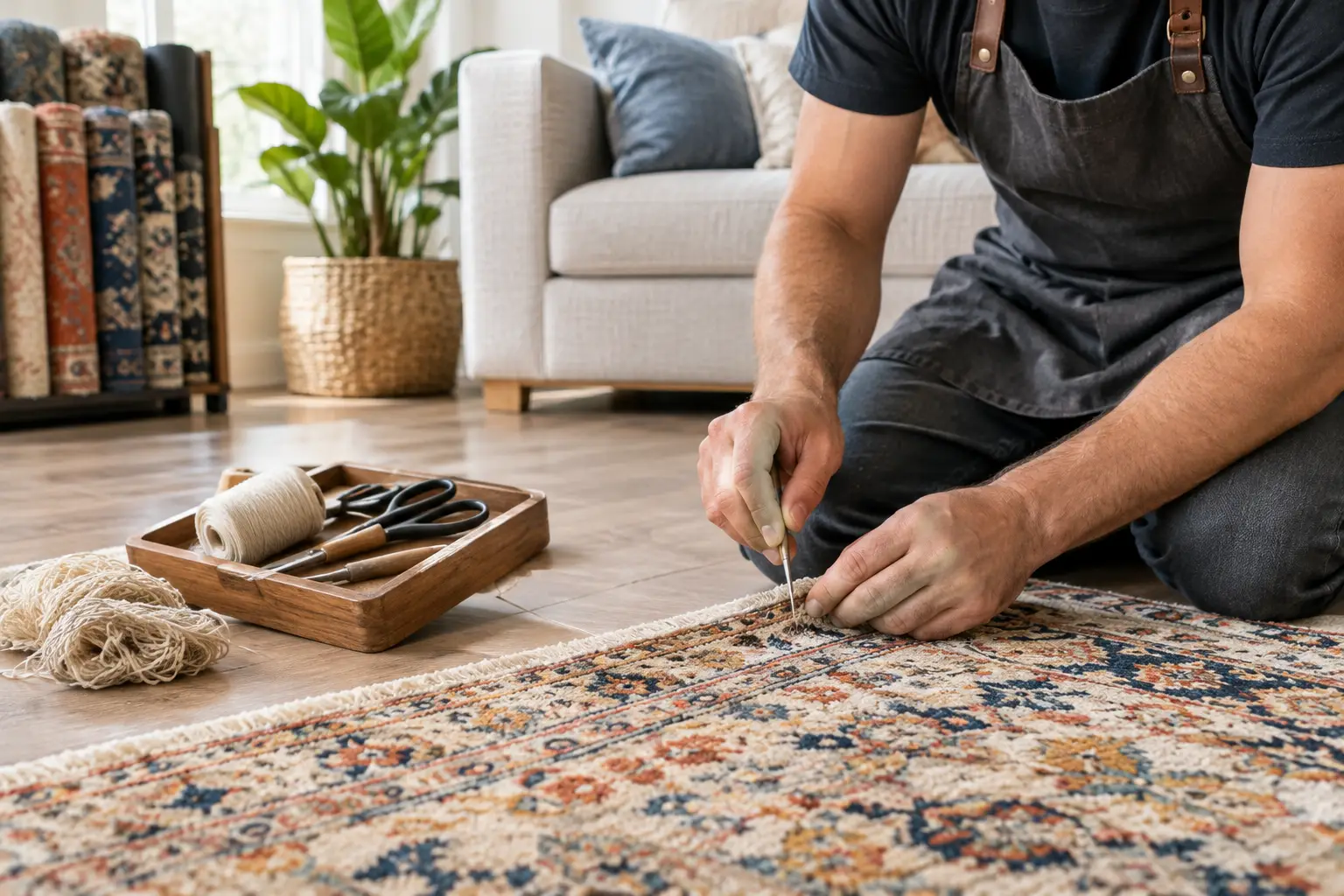
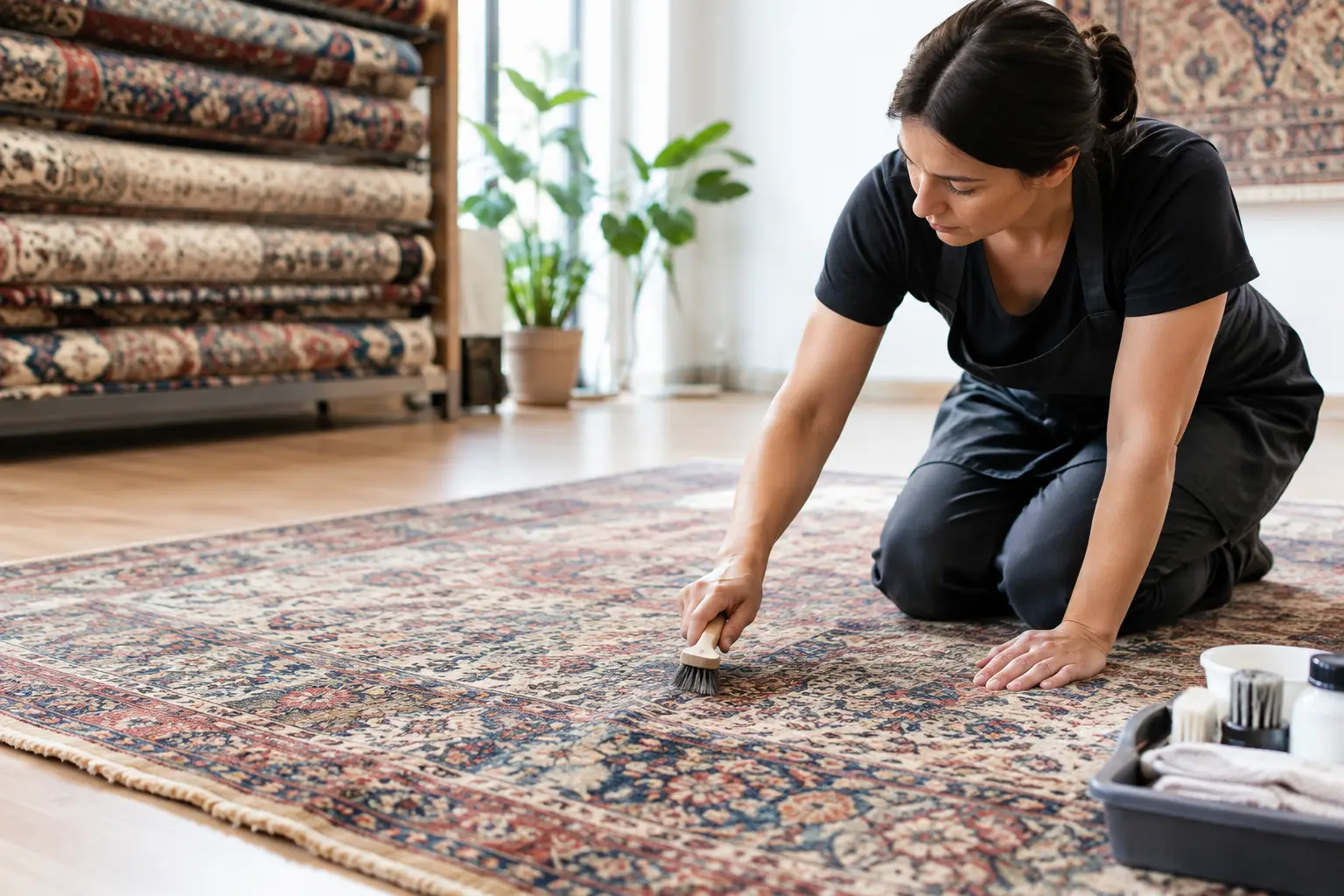
For meaningful pieces, professional rug cleaning and repair can also preserve the color, structure, and character that made you choose them in the first place. This is particularly valuable for heirloom rugs, custom pieces, and rugs that anchor heavily used rooms. Caring for a quality rug is part of caring for the home around it.
A rug should make the room feel like yours
The best rug does not have to be the boldest, most expensive-looking, or most trend-driven option. It is the one that fits the room, supports the way you live, and makes the space feel more settled each time you walk in. Take your measurements, trust what feels right underfoot, and give yourself the benefit of seeing the possibilities in person. A thoughtfully chosen rug has a quiet way of making home feel complete.