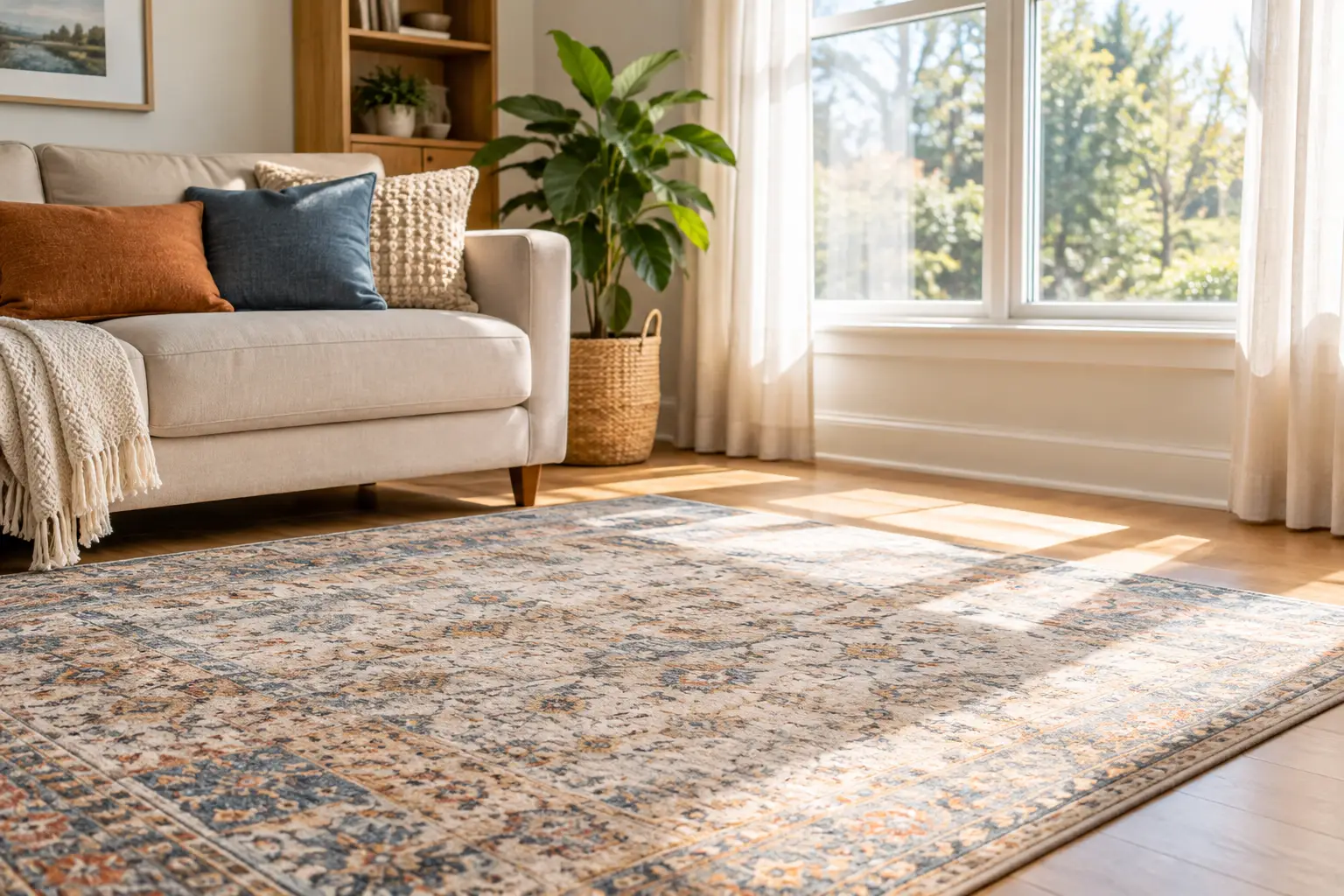
An 80% off sale can be the moment a room finally comes together. A substantial savings creates room in the budget for the piece that changes everything: an area rug with real presence, a sculptural lamp for a quiet corner, or the finishing layers that make a sofa feel inviting rather than unfinished. The best finds are not simply the lowest-priced items. They are the pieces that still belong in your home long after the sale signage comes down.
For homeowners refining a living room, bedroom, entryway, or second home, the smartest approach is to shop with a point of view. A sale is an opportunity to invest in comfort and character, not a reason to bring home something that only almost works.
Start With the Room, Not the Discount
A compelling price can make almost any piece feel tempting. Before shopping, take a few minutes to define what the room actually needs. Is the seating area floating because the rug is too small? Does the room lack warmth after dark? Are the colors working separately rather than feeling intentionally connected?
Measurements are the first filter. For a living room, a properly scaled rug should typically allow at least the front legs of the major seating pieces to rest on it. In a dining room, the rug needs enough extra room for chairs to stay on the surface when pulled back. A beautiful rug in the wrong size may be a bargain at checkout, but it will continue to look undersized every day.
It also helps to bring a few practical references when you shop: room dimensions, photos in natural light, and a fabric or paint sample if you have one. These details make it easier to judge undertones. A creamy ivory, for example, may lean warm beside one sofa and look unexpectedly cool beside another.
What Makes an 80% Off Sale Worth Shopping
Not every reduced item is the right item, but a thoughtfully chosen sale piece can have the same visual impact as a full-price purchase. Focus on construction, scale, material, and versatility before letting the percentage guide the decision.
With area rugs, feel matters as much as appearance. Consider how the rug will live in your home. A plush pile can make a bedroom feel deeply personal and restful, while a low-profile woven rug may be more practical in a busy family room or entry. Look closely at the finish, edges, and texture. Natural variation in a hand-finished rug can be part of its beauty, while visible wear, uneven backing, or damage that affects performance deserve a closer look.
For lighting and décor, think beyond the shelf. A lamp should have enough height and visual weight for the table or console where it will live. Pillows and throws should support the room’s palette without matching every surface exactly. A layered room often feels more collected when it combines related tones, varied textures, and a touch of contrast.
The value of an 80% off sale is not limited to one dramatic purchase. It can also be a chance to choose the supporting pieces that give a space its finished quality. A pouf can soften the edge of a seating arrangement. A pair of pillows can echo the subtle color in a rug. A textured throw can make a neutral room feel warmer and more intentional.
See Color and Texture in Person
Online browsing is useful for gathering ideas, but rugs and home accents ask to be experienced. The same rug can appear brighter, cooler, or more saturated on a screen than it does in a room. Texture is even harder to evaluate digitally. A woven surface that looks simple in a photo may have beautiful dimension in person, while a pile that appears soft may not suit the way your household lives.
In a showroom, you can compare several options side by side, see how a rug catches the light, and place coordinating pieces together. That is especially valuable when building around an existing sofa, artwork, flooring, or paint color. Instead of guessing whether a blue is too sharp or a neutral is too yellow, you can see the relationship clearly.
For homeowners in Canton and nearby North Georgia communities, an in-person visit also offers something less obvious but equally helpful: perspective. A design-oriented conversation can prevent common mistakes such as choosing a rug solely because it matches one pillow, selecting a lamp that is too small for the room, or buying several accent pieces that compete rather than coordinate.
Know the Difference Between Flexible and Final
Sale shopping works best when you know where to be flexible. Small decorative accents offer room for spontaneity. An unusual vase, a richly textured pillow, or a throw in an unexpected color can introduce personality without requiring a complete redesign.
Larger foundational pieces require more discipline. A rug defines the footprint of a room and influences nearly every color placed around it. If a sale rug is slightly too small, too busy, or too delicate for its intended space, the discount rarely makes up for the compromise. The same is true of lighting that does not provide enough illumination or fit the proportions of the furniture below it.
Ask a simple question before committing: would I want this piece if I saw it styled in my home, rather than displayed with a sale tag? If the answer is yes, it is likely a strong candidate. If the answer depends entirely on the discount, step back and consider whether it is a true fit.
Build a Cohesive Room One Layer at a Time
A sale find can be the beginning of a room rather than the final decision. If you discover a rug with a soft terracotta detail, for instance, you do not need to repeat terracotta everywhere. Let it guide a quieter supporting palette: warm ivory, weathered wood, muted olive, or deep charcoal. Add one or two accents that acknowledge the color, then leave room for neutrals and natural texture.
This approach creates quiet luxury without making the room feel overly coordinated. The goal is not for every item to match. It is for each piece to look as though it was chosen with the others in mind.
Layering is also practical. Rugs protect floors and add softness underfoot. Throws bring comfort during cooler months. Pillows can be refreshed as seasons or preferences change. Decorative lighting creates a more welcoming atmosphere than relying on overhead fixtures alone. When each layer has a purpose, the finished room feels effortless because it works as well as it looks.
A Note on Rug Care After the Purchase
A well-chosen rug deserves ongoing attention, particularly in homes with children, pets, or frequent guests. Regular vacuuming appropriate to the rug’s construction, prompt attention to spills, and professional cleaning when needed can help preserve color, texture, and longevity.
For a rug with fraying edges, pulled fibers, or damage from years of use, repair and restoration may be worth considering before replacement. Some rugs carry history as well as style, and preserving a meaningful piece can add depth to a home that no newly purchased accessory can replicate.
Shop With a Plan, Leave Room for Delight
Bring your measurements, your room photos, and a clear sense of what you need. Then allow yourself to notice the piece that feels unexpectedly right. The most satisfying sale purchases balance both instincts: they solve a real design need, and they add something memorable to daily life.
A thoughtfully selected rug, light, or accent does more than fill an empty spot. It changes how a room welcomes you home, which is always worth choosing with care.