


How to Remove Pet Odors From Rugs Safely
Learn how to remove pet odors from rugs without harming color or fibers, plus when professional washing is the smarter choice for a fresh home that lasts.
A room can have beautiful furniture, a well-chosen rug, and a color palette you love, yet still feel a little flat after sunset. Accent lighting is often the missing layer. It gives the eye somewhere to rest, draws attention to the details that make a home feel personal, and replaces a single overhead glare with warmth, dimension, and mood.
Rather than treating lighting as an afterthought, consider it part of the room’s finishing process. A carefully placed lamp beside a reading chair, a small glow on a console, or a focused light on artwork can make everyday spaces feel more intentional. The goal is not to make every corner bright. It is to create a home that feels inviting, functional, and quietly polished at every hour.
Accent lighting is a focused layer of light used to highlight an object, architectural feature, or area of a room. It is different from ambient lighting, which provides overall illumination, and task lighting, which helps you read, cook, work, or get ready for the day.
Think of a living room with recessed ceiling lights, a floor lamp near the sofa, and a lamp illuminating a favorite piece of art. The ceiling lights provide the general brightness. The floor lamp supports reading and conversation. The art light adds visual interest and atmosphere. Together, those layers make the room feel considered rather than simply lit.
This is why lighting has such a powerful relationship with décor. A thoughtfully styled coffee table, textured pillow, antique mirror, or richly detailed rug is easier to appreciate when the lighting creates gentle contrast around it. Accent lighting helps a room reveal its character at night, when natural light is no longer doing the work.
Before choosing a fixture, walk through the room in the evening and ask one simple question: what deserves attention? The answer may be a fireplace mantel, a framed family photograph, a built-in bookcase, or the soft texture of a woven wall hanging. In some rooms, the feature is simply a beautiful vignette on a sideboard.
Choose one or two focal points rather than trying to spotlight everything. Too many competing pools of light can feel busy and theatrical, especially in a room designed for rest. A more restrained approach creates the quiet luxury many homeowners want: a warm visual rhythm that feels natural rather than overdesigned.
In a living room, a pair of table lamps can frame the seating area while a picture light gives art a subtle presence. In a dining room, a buffet lamp or pair of small lamps can soften the space once the main fixture is off. In a bedroom, a low lamp on a dresser can be more calming than relying on bright ceiling lighting at the end of the day.
Living rooms benefit from light at multiple heights. A floor lamp behind or beside a sofa adds vertical interest, while table lamps on end tables make seating feel useful and welcoming. If the room has a fireplace, consider a small lamp on a nearby console or built-in shelf instead of making the mantel the only visual destination.
Pay attention to your rug here. A large area rug grounds the furniture arrangement, and lighting helps reinforce that sense of connection. Lamps placed near the outer edges of the seating area create a soft perimeter around the room, making the rug, upholstery, and pillows feel like one composed setting.
A bedroom should not feel like a brightly lit dressing room unless that is exactly what the space needs. Bedside lamps are essential for most rooms, but they do not have to match perfectly. Coordinating lamps with different silhouettes can look collected and personal, especially when their scale is balanced.
Add a small accent lamp to a dresser, chest, or reading nook for an evening glow that feels gentler than overhead light. Warm bulbs are especially flattering in bedrooms because they soften wall color, wood tones, and textiles. If the room includes a patterned rug or layered bedding, this lower-level lighting makes those textures feel more inviting.
A chandelier or pendant is usually the primary focal point in a dining room, but it should not have to carry the entire space. A lamp on a sideboard or buffet brings the eye outward and adds a relaxed, residential feeling. This is particularly effective when entertaining, since guests can enjoy a warm room without sitting under a single bright source.
If there is art above the sideboard, a picture light can add distinction. Keep the scale in proportion to the artwork and furniture below it. A fixture that is too small can disappear, while one that is too wide may make the composition feel top-heavy.
These pass-through spaces are easy to overlook, yet they shape the first impression of a home. A table lamp in an entryway provides a welcoming glow and gives you a practical place to set keys or mail. In a hallway, a small lamp on a console or a well-placed wall fixture can turn an overlooked stretch of wall into part of the home’s design story.
This is also a smart place to highlight a mirror, artwork, or a narrow runner. The light should support the feature, not wash it out. Keep fixtures slim in tighter areas so the room remains easy to move through.
The fixture itself should work with the room even when it is switched off. A lamp is part sculpture, part utility. Consider its shade shape, base material, height, and relationship to the furniture around it. A substantial ceramic lamp can anchor a larger console, while a slender metal lamp may be better suited to a narrow side table.
Scale matters more than matching every finish. A tiny lamp beside a deep sofa will feel lost, while an oversized lamp on a small nightstand can crowd the surface. When shopping in person, bring a few key measurements: table height, table width, ceiling height, and the approximate space available around the fixture. Seeing lighting alongside rugs, pillows, and other décor elements can also make color and texture decisions much easier.
Bulb temperature changes the result just as much as the fixture. For most living areas and bedrooms, warm white light creates a comfortable, residential feel. Cooler light can be useful in task-oriented spaces, but it may make warm paint colors, natural wood, and layered textiles look less inviting. Dimmable bulbs offer the most flexibility, provided the fixture and dimmer are compatible.
The most common mistake is relying on one central overhead fixture. It may provide enough light to see, but it rarely gives a room depth. Adding even two smaller sources at different heights can make a major difference.
Another mistake is placing lights where they create glare. A lamp should not shine directly into the eyes of someone seated on the sofa, and an art light should illuminate the piece without producing a distracting reflection on glass. Test a fixture at night before finalizing its location. Small adjustments in angle, bulb strength, or shade material can change the whole effect.
Finally, do not overlook cord placement and everyday function. A beautiful floor lamp that blocks a walkway or a table lamp that leaves no room for a drink will eventually become frustrating. Good design supports the way a household actually lives.
The most effortless interiors rarely come from buying every item at once. They are built in layers: foundation pieces such as rugs and furniture, comfort through pillows and throws, personality through art and accessories, then light that gives the entire composition dimension.
Accent lighting is especially valuable when a room feels nearly finished but not quite settled. It can bring attention to the details you already love and make familiar spaces feel more gracious after dark. At Home Rug Gallery, seeing lamps, rugs, and accents together in a showroom can help turn that final decision into a cohesive one.
Choose the corner you want to enjoy more often, add a warm pool of light, and notice how the room begins to feel like it has been waiting for that last thoughtful touch.
Learn how to remove pet odors from rugs without harming color or fibers, plus when professional washing is the smarter choice for a fresh home that lasts.

Use this Kennesaw rug repair guide to spot damage early, choose the right restoration, and protect the color, texture, and comfort of your favorite rug.

Marietta rug restoration can preserve color, texture, and history. Learn when repair makes sense and how thoughtful care protects a cherished rug at home.
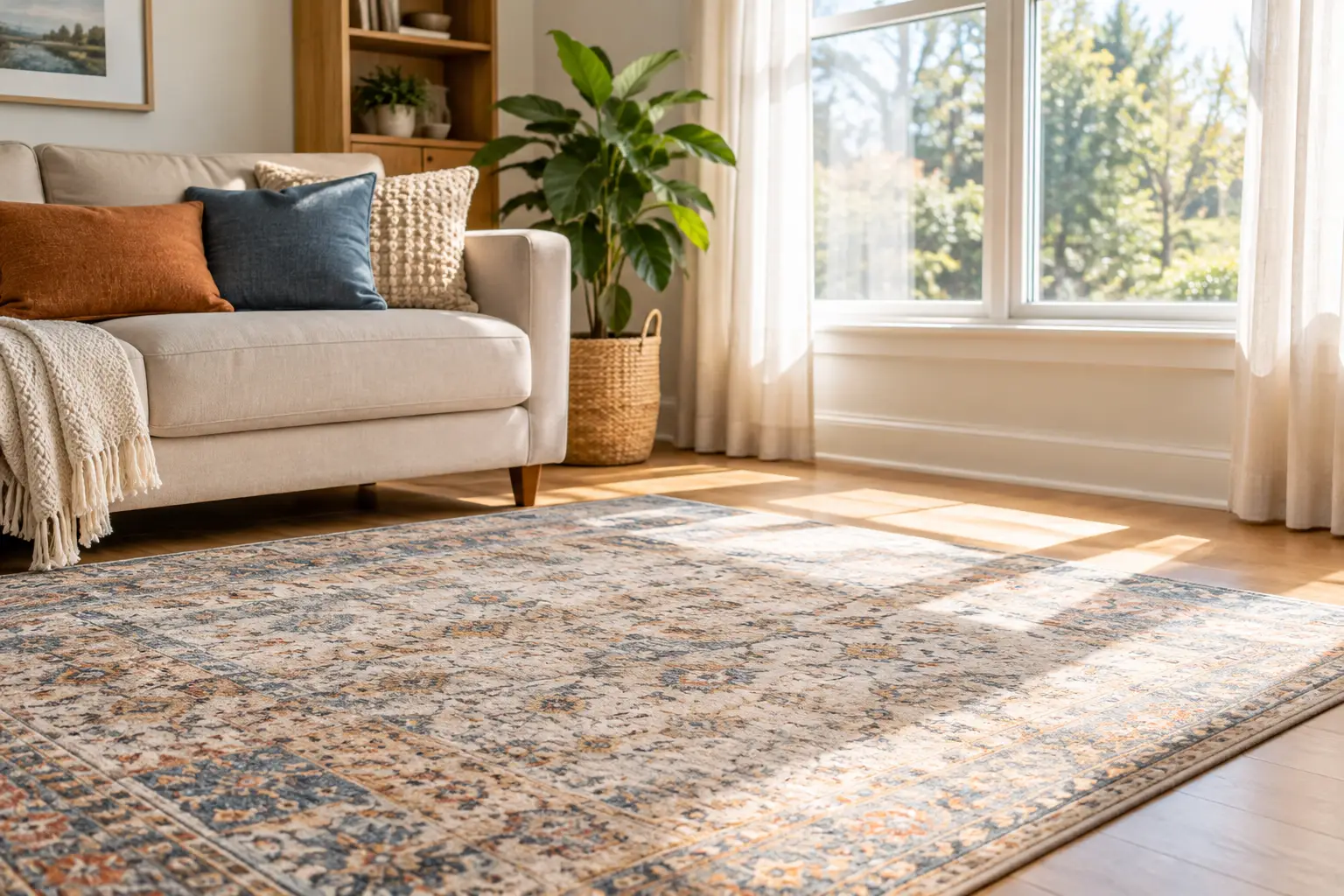
Learn how to protect rugs from sun fading with thoughtful window treatments, rotation, cleaning, and placement tips that preserve color and comfort daily.
From cozy area rugs to statement-making wall décor, our curated categories make it easy to explore what speaks to your space. Whether you’re refreshing a single corner or reimagining your whole home, start here and discover pieces that bring it all together.