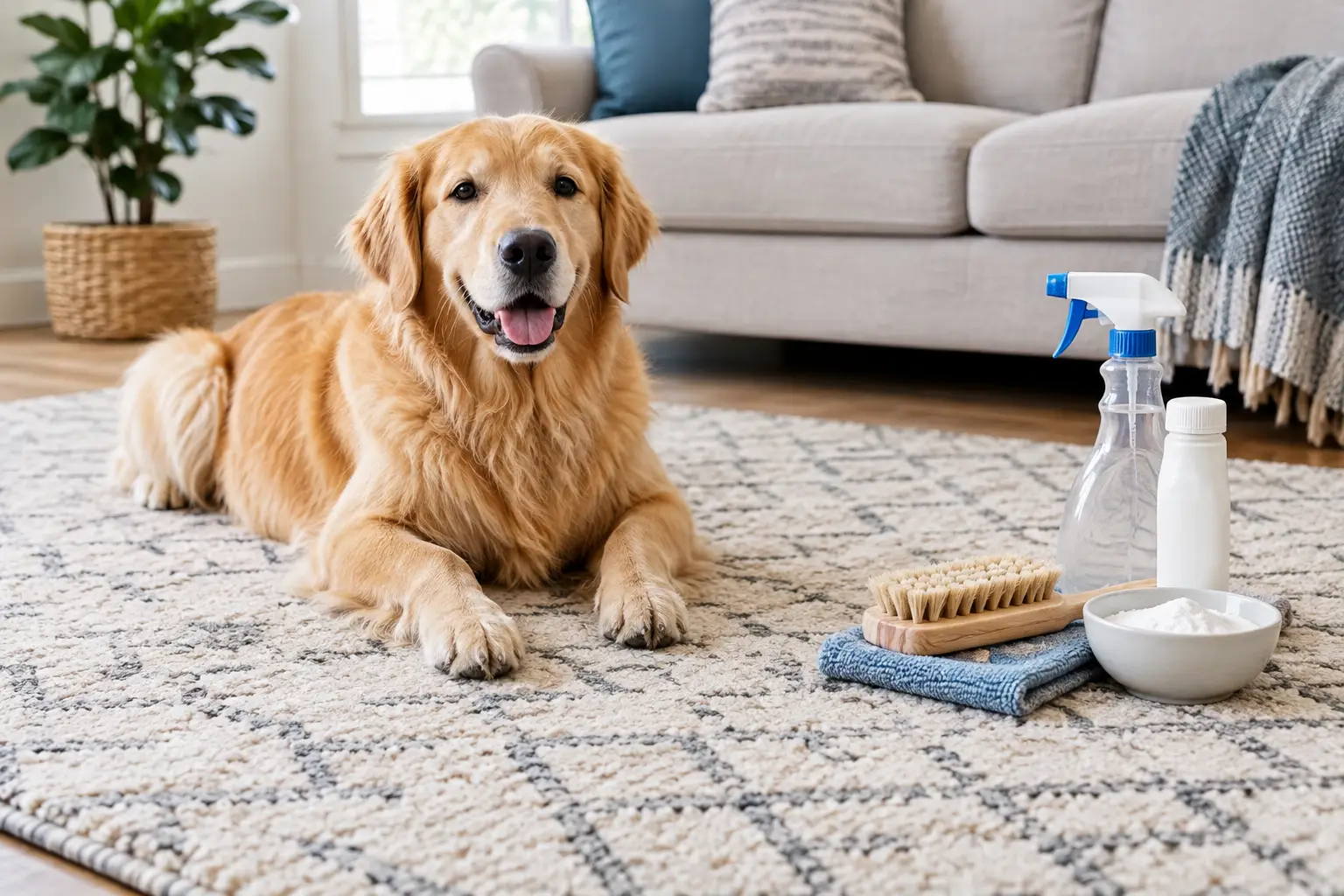
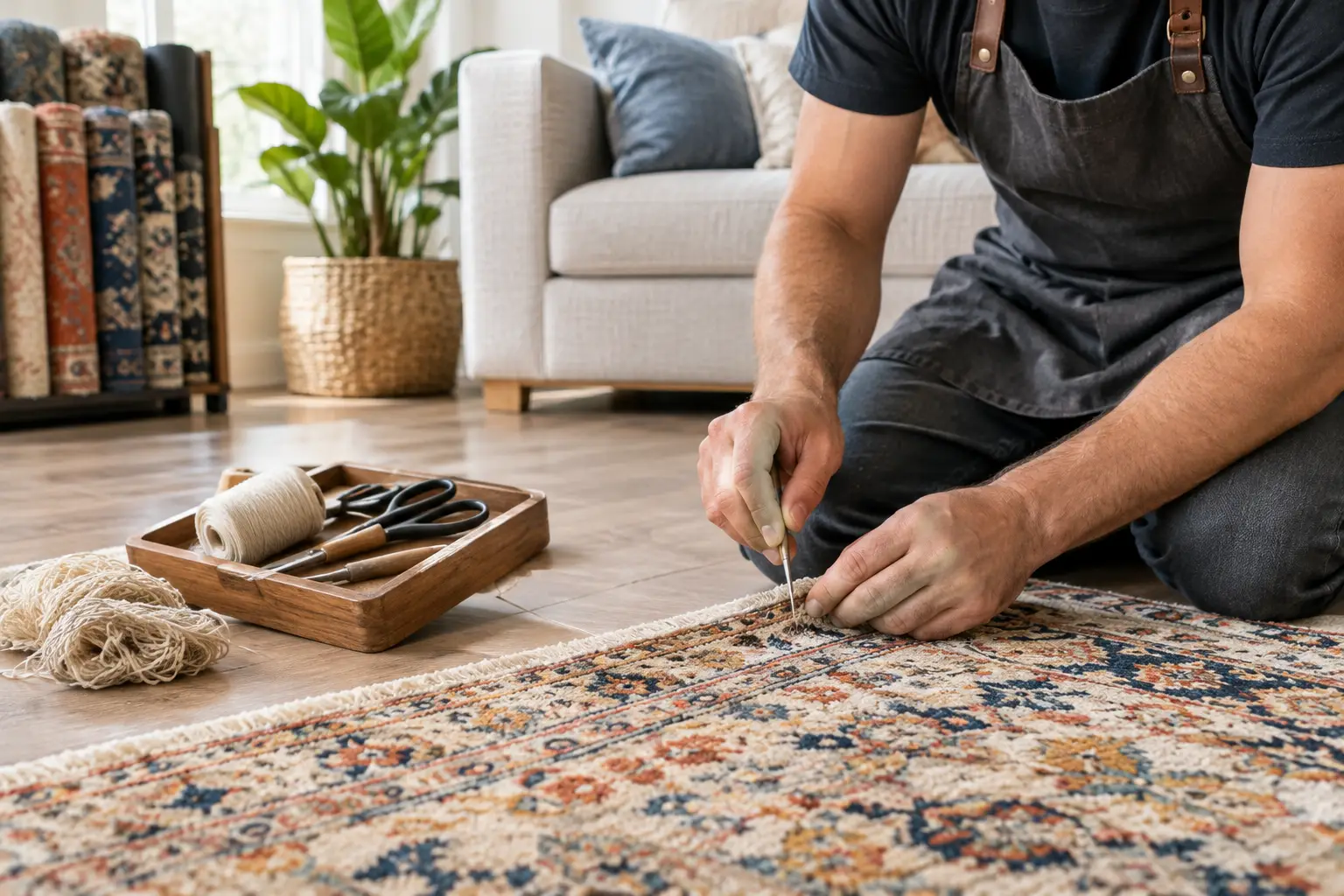
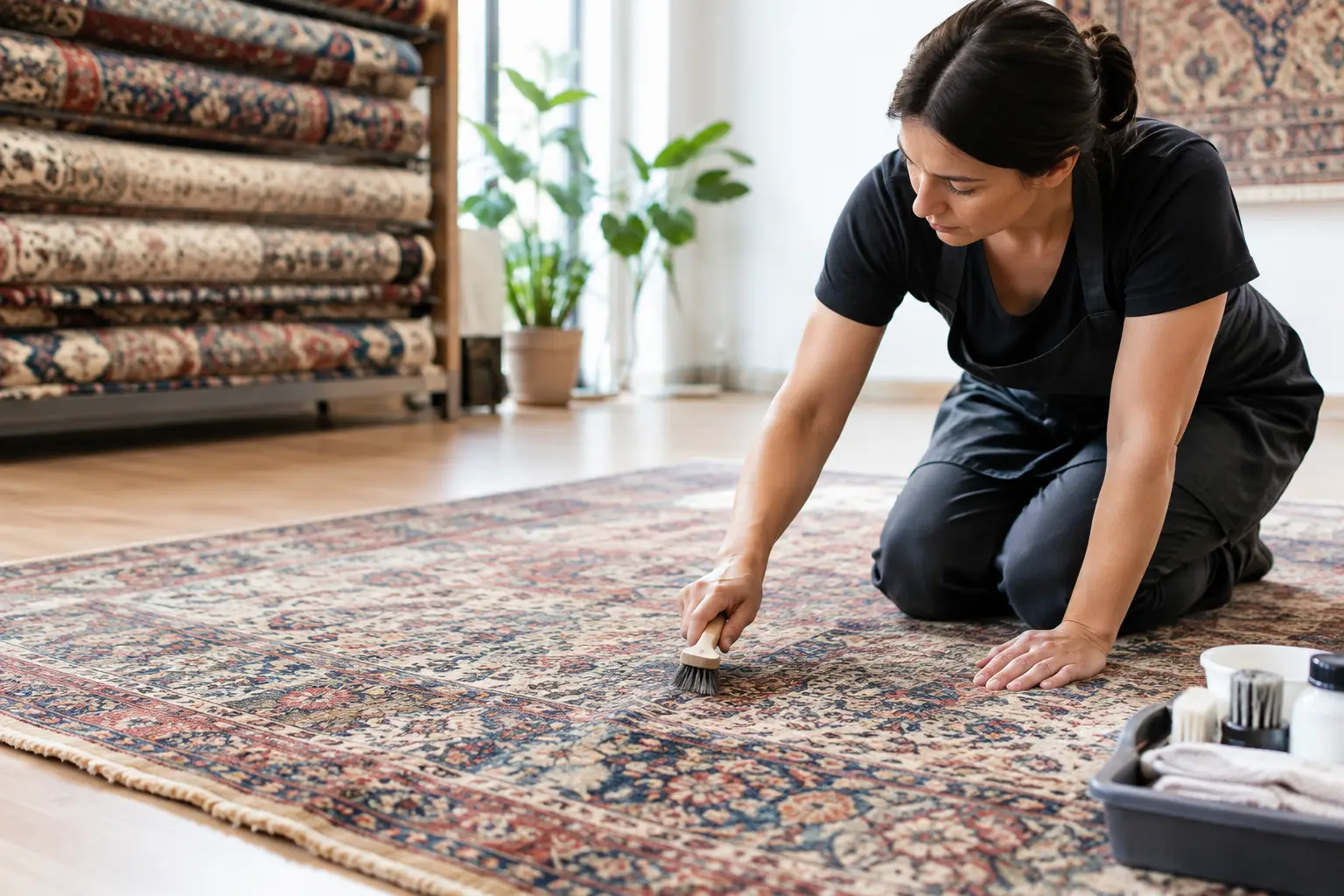
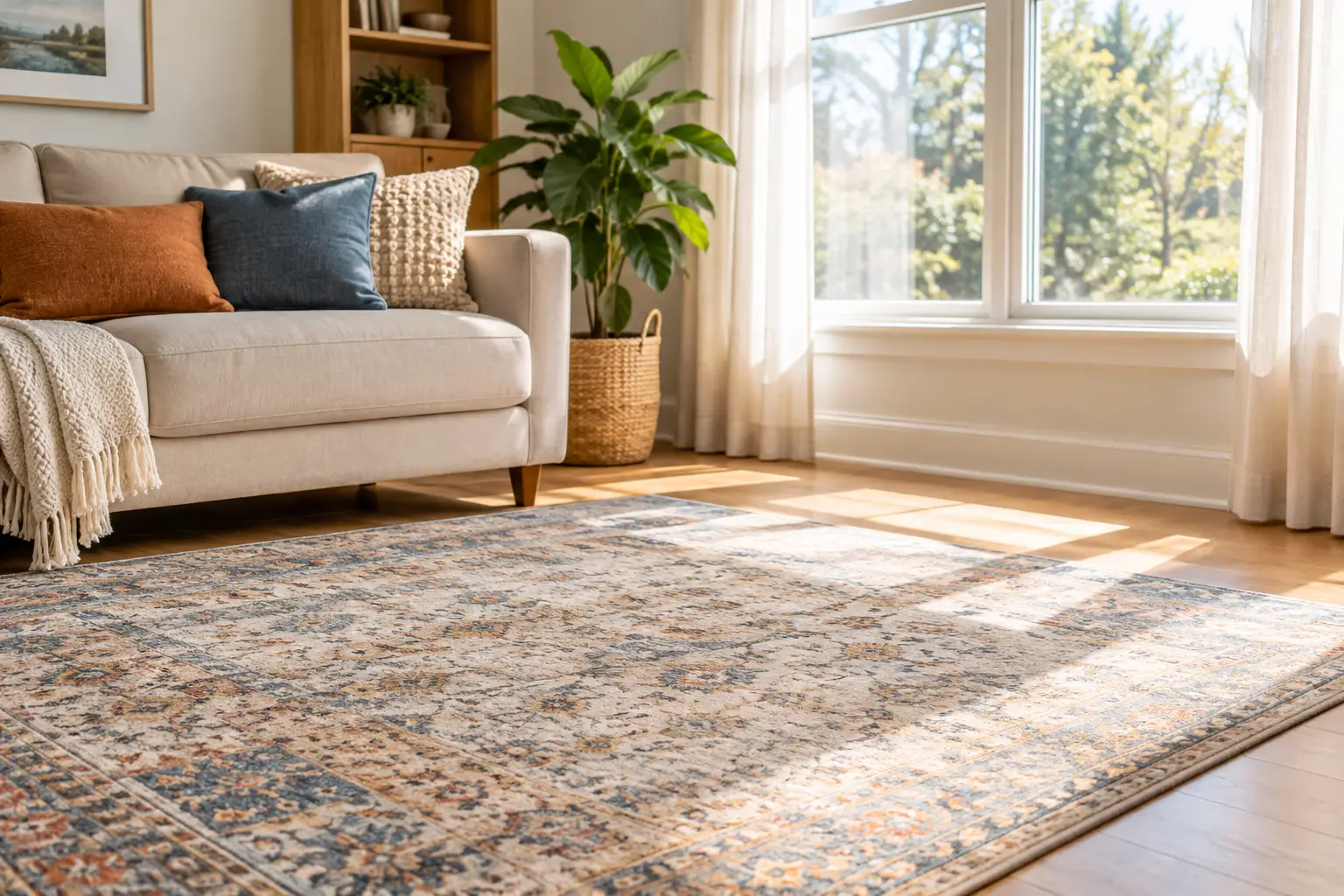
A beautiful rug can change the mood of a room in an instant, but if it shifts underfoot, curls at the edges, or feels thinner than it looked in the showroom, the finish falls apart quickly. That is why any honest area rug pad review has to start here: the right pad is not an extra. It is part of the rug’s performance, its comfort, and the way the whole room feels day to day.
In a design-focused home, details matter. A rug pad affects how confidently a rug sits in the space, how softly it feels underfoot, and how well it holds up over time. It also helps protect the floor beneath, whether you have hardwood, tile, luxury vinyl, or another hard surface that deserves a little buffer.
What an area rug pad really does
Most homeowners first think about a rug pad as something that keeps the rug from sliding. That matters, especially in high-traffic spaces like living rooms, hallways, and under dining tables. But the role of a rug pad goes further than grip.
A good pad absorbs some of the daily impact that would otherwise wear directly on the rug’s foundation. It can soften footsteps, reduce noise, add a more substantial feel, and help the rug lie flatter. In rooms that are meant to feel quietly luxurious and effortlessly styled, that difference is easy to notice.
There is also a visual benefit. Rugs tend to look more intentional when they sit properly. No creeping corners, no bunching, no slightly off-center drift after a busy weekend. The room simply feels more composed.
Area rug pad review: what matters most
Not every rug pad performs the same way, and not every room asks for the same features. The best choice depends on the rug itself, the flooring below, and how the space is used.
Material is the first thing to pay attention to. Felt pads are often chosen for comfort and cushioning. They give a rug a fuller, more finished feel, which works especially well in bedrooms and living areas where softness matters. Rubber-backed options tend to offer stronger grip, which can be useful in busy family spaces or entry points where rugs are more likely to shift.
Some pads combine felt and rubber, which is often the most balanced option for hard floors. You get a layer of comfort along with the stability that keeps the rug anchored. That combination is especially appealing when you want the room to feel refined but still highly livable.
Thickness is another point where trade-offs come in. A thicker pad can make a rug feel richer and more comfortable, but too much height may create clearance issues near doors or make dining chairs less practical to move. A thinner pad may be better in those cases, even if it gives up a bit of plushness.
Then there is floor compatibility. This matters more than many shoppers realize. Some materials are better suited to hardwood, while others are designed to sit safely on tile or stone. If you are layering a rug over delicate flooring, the wrong pad can work against both comfort and long-term protection.
The best pad depends on the room
A living room usually benefits from a pad that balances cushion with grip. This is often the room where people gather, stretch out, and spend the most time. If the rug is anchoring a seating arrangement, you want it to feel stable under furniture and comfortable underfoot. A felt-and-rubber construction often makes sense here because it supports both function and comfort.
In a bedroom, comfort tends to take the lead. The first step out of bed should feel soft, not flat. A pad with a little more cushion can elevate the entire experience of the room, especially if the rug itself is low pile or more decorative than plush.
Dining rooms call for more caution. You want enough grip to keep the rug from shifting, but not so much thickness that chairs become awkward to slide in and out. A lower-profile pad is often the better choice here.
Hallways and entry areas need stability above all. These are hardworking zones. The pad should help the rug stay in place and reduce movement from frequent foot traffic. In these spaces, performance has to come before extra cushioning.
Rug type changes the recommendation
A hand-knotted wool rug, a flatweave runner, and a machine-made synthetic rug do not all need the same support. That is where a generic online recommendation tends to fall short.
Heavier rugs may not need as much help staying put, but they still benefit from the added protection and cushioning of a quality pad. Lighter flatweaves, on the other hand, are more likely to ripple or travel, so grip becomes more important. Delicate or investment rugs deserve a pad that supports preservation as much as comfort.
Pile height matters too. If a rug is already thick and plush, an overly cushioned pad may make it feel unstable. If a rug is thin or tightly woven, the right pad can dramatically improve how substantial it feels.
Signs a rug pad is not good enough
If your rug never seems to stay in place, the pad may be too thin, too slick, or simply the wrong material for your floor. If the rug looks uneven or the corners lift easily, that is another sign the support underneath is lacking.
You may also notice the room sounds a little louder than expected, especially over hard floors. A better pad can soften that effect. And if the rug feels disappointing underfoot even though it looked beautiful when you bought it, the issue may not be the rug at all. It may just need a stronger foundation.
One of the most common problems is poor sizing. A rug pad should usually be slightly smaller than the rug so it stays hidden, but not so much smaller that the edges are left unsupported. That balance helps the rug lie cleanly while still getting full benefit from the pad.
Why in-person guidance helps
This is one of those home decisions that seems simple until you are standing in the room trying to make everything work together. The rug, the flooring, the traffic pattern, the furniture weight, and the feel you want underfoot all affect the right choice.
Seeing rug and pad combinations in person can be surprisingly helpful. You can feel the difference between a lower-profile support and a more cushioned one right away. For homeowners in Canton, Woodstock, Acworth, and Kennesaw, a showroom experience often makes the decision clearer because you are not guessing from a product label alone.
At a design-oriented store like Home Rug Gallery, that conversation can be part of the larger room plan. The right pad is not just about preventing slip. It is about helping the rug live beautifully in the space you are creating.
A practical area rug pad review for everyday homes
If you want the short version of this area rug pad review, it is this: the best rug pad is the one that supports how you actually live. For many hard-floor homes, a felt-and-rubber pad offers the most versatile balance of grip, cushion, and floor protection. For bedrooms or lower-traffic spaces, more cushioning may be worth it. For dining rooms and hallways, a slimmer profile often performs better.
It also helps to think beyond the first week. A rug pad should support the look and feel of the room over time, not just solve a slipping problem on day one. The right choice preserves the rug’s structure, improves comfort, and helps the room feel settled in the best way.
That is often the difference between a room that looks finished and one that truly feels finished. When the rug sits well, feels good, and stays where it belongs, the whole space becomes easier to enjoy.
If you are investing in a rug you love, give equal thought to what sits beneath it. The pad may be hidden, but its effect is visible every single day.