

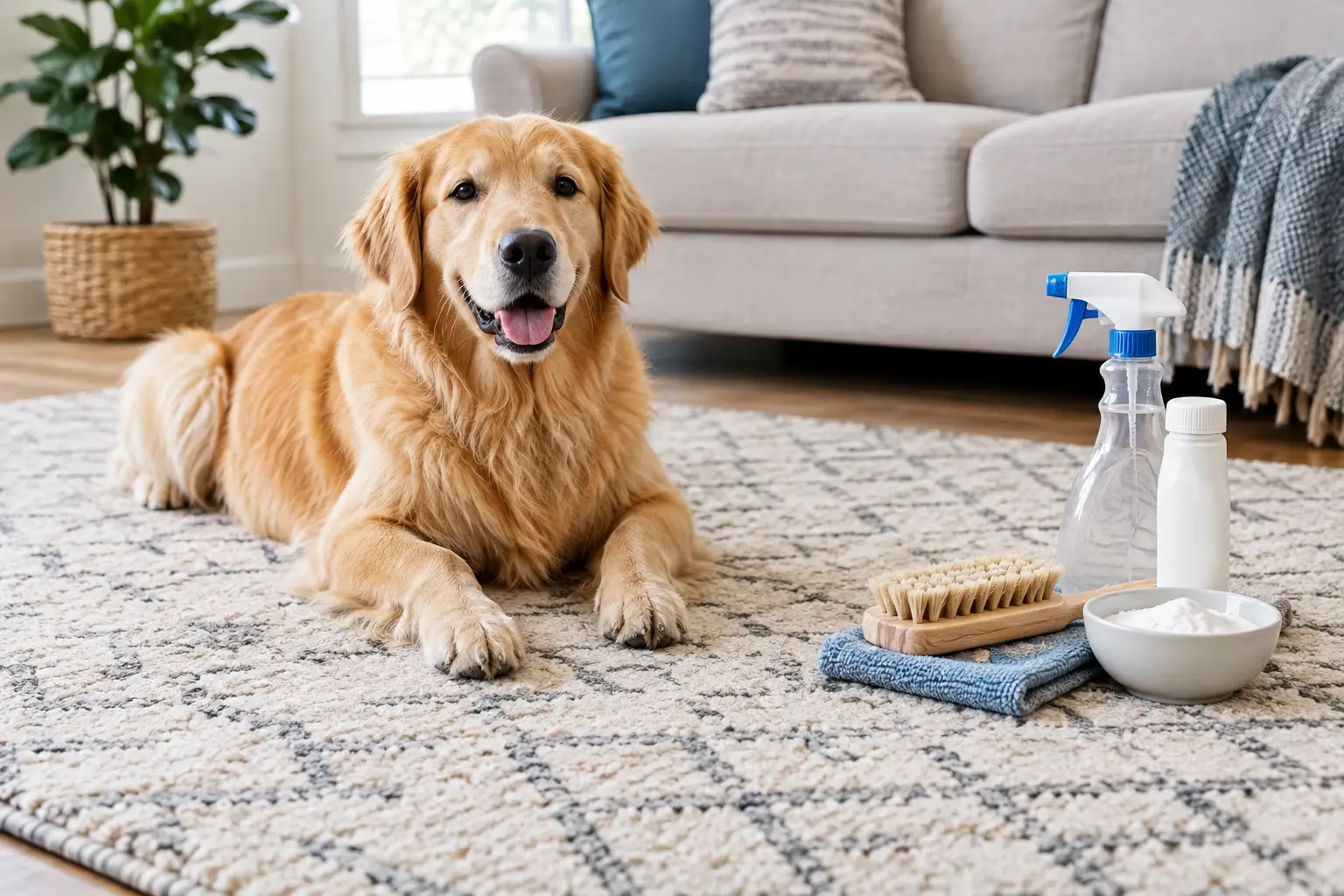
How to Remove Pet Odors From Rugs Safely
Learn how to remove pet odors from rugs without harming color or fibers, plus when professional washing is the smarter choice for a fresh home that lasts.
A sofa can be the largest piece in the living room and still feel unfinished. Often, the missing element is not more furniture but a considered layer of pillows. The best accent pillows for sofas bring warmth, dimension, and personality to the seat you use most, turning a practical purchase into a space that feels distinctly yours.
The goal is not to cover every inch of upholstery. A well-styled sofa should still look inviting enough to sit on. The most successful pillow arrangements balance visual interest with comfort, using color, scale, and texture to connect the sofa to the rug, artwork, lighting, and other details around it.
Before choosing patterns or fabrics, look at the sofa as the foundation. Its color, shape, depth, and upholstery texture all influence what will feel at home on it. A tailored, low-profile sofa may need cleaner pillow shapes and a more edited arrangement. A deep sectional can carry larger pillows, generous textures, and a few more layers without looking crowded.
Neutral upholstery offers the widest range of options, but it does not require bright color to feel special. On an ivory, taupe, or gray sofa, a mix of warm neutrals, soft black, muted olive, tobacco, clay, or deep blue can create quiet luxury without overwhelming the room. If your sofa is already a statement color, choose pillows that support it rather than compete with it. A navy sofa, for example, looks polished with camel, cream, rust, or subtle patterned textiles that include a touch of blue.
Also consider the fabric. Smooth leather benefits from softness, such as woven cotton, velvet, bouclé, or a relaxed linen blend. A heavily textured sofa often looks best with pillows that introduce contrast through a simpler weave or a defined pattern. When every surface has the same texture, the arrangement can disappear instead of adding dimension.
Scale is where many sofa arrangements go wrong. Pillows that are too small tend to look tentative, especially on a full-size sofa or sectional. In most living rooms, 20- to 22-inch square pillows create a strong, comfortable starting point. They have enough presence to frame the sofa without becoming overly formal.
For larger sofas, 24-inch pillows can work beautifully at the outer corners, particularly when the sofa has a deep seat or a substantial back. Use them sparingly. Oversized pillows on a petite sofa can make the furniture feel swallowed up, while tiny pillows on a large sectional can look like an afterthought.
Lumbar pillows add a different silhouette and are especially useful in the center of a sofa or in front of square pillows. Their horizontal shape breaks up the repetition of a row of squares and offers real lower-back support. A long lumbar works well on a bench-seat sofa, while smaller lumbars can define the corners of a compact loveseat.
A simple arrangement does not have to be boring. Two generous square pillows with a single lumbar between them often look more refined than six unrelated pieces. If you prefer a fuller, more relaxed look, use pairs at each end and add one distinctive lumbar or smaller accent pillow in the middle.
The best rooms rarely rely on an exact pillow-to-rug color match. Instead, they repeat colors in a way that feels intentional. Pull one or two tones from the area rug, drapery, art, or a favorite chair, then vary their depth across the pillows. This creates continuity without making the room feel overly coordinated.
For example, a rug with cream, charcoal, faded blue, and terracotta can inspire a sofa combination of cream textured pillows, a charcoal small-scale pattern, and a muted blue lumbar with a warm rust detail. The pillows do not need to duplicate the rug’s design. They simply need to speak the same color language.
When working with a mostly neutral room, pay attention to undertones. Cool gray, blue-gray, and crisp white read differently from warm beige, ivory, and caramel. Mixing them without a bridge can make a room feel accidental. A patterned pillow that includes both families can solve the problem, or you can commit to one temperature and add contrast through texture instead.
Dark pillows can ground a pale sofa, while lighter pillows lift a dark one. If a charcoal or brown sofa feels visually heavy, a few pillows in warm ivory, flax, or soft mineral tones can make it feel more open. If a light sofa lacks definition, introduce a deeper pillow at each end to give the arrangement structure.
Texture is often what makes an arrangement feel layered rather than flat. Velvet catches the light and brings richness. Linen feels relaxed and natural. Nubby weaves, embroidery, fringe, and hand-finished details add character in quieter color palettes. These elements are especially helpful when you want the room to feel collected but not busy.
Pattern deserves a little more editing. A dependable approach is to combine one larger-scale pattern, one smaller-scale pattern or stripe, and one solid or heavily textured pillow. The patterns do not need to match, but they should share at least one color or mood. A traditional floral can work beside a tailored stripe when both use the same warm neutrals and softened blue.
If your rug is detailed or your drapery has a strong print, pillows are a chance to calm the composition. Choose solids, tonal textiles, or patterns with plenty of open space. On the other hand, a simple room with a solid rug and neutral sofa can handle a bolder pillow fabric as a focal point.
Avoid buying every pillow in the same fabric. Matching sets may feel easy in the moment, but they can make a sofa look more staged than styled. Variation is what gives the arrangement depth.
A formal living room can accommodate a more symmetrical composition, with matching pairs at either end and a centered lumbar. In a family room, a looser arrangement often feels more natural. You may still use pairs, but let the fabrics feel relaxed and choose pieces that can be moved aside without concern.
For sectionals, begin at the corners and work inward. The outside corners are ideal for the largest pillows, while the inside corner can hold a contrasting lumbar or a softer, smaller square. Do not feel obligated to fill every section. Leaving one seat clear makes the entire sofa look more usable.
If children, pets, or frequent guests share the space, performance-minded fabrics and washable covers are worth considering. Delicate trim, pale silk-like fabrics, and densely beaded surfaces may be beautiful, but they are not always practical for the sofa everyone uses after school, game night, or a rainy afternoon. Choose durability where it matters most, then reserve the more decorative piece for an occasional chair or lower-traffic room.
Pillow inserts matter, too. A quality insert gives the cover a fuller, more tailored appearance. For square pillows, an insert slightly larger than the cover usually creates a pleasing, plush shape. Down-feather blends offer a relaxed, designer-style look but require occasional fluffing. Alternative-down inserts can be a smart choice for homes that prefer easier care or firmer support.
Pillows are small enough to seem like an easy decision, yet their color and texture can look very different under real lighting and next to the fabrics already in your home. That is why seeing options together is so useful. Place a pillow near your sofa fabric, rug, and wall color whenever possible, then step back far enough to notice the overall balance.
At Home Rug Gallery, homeowners can compare pillows with rugs, throws, poufs, and coordinating décor in a showroom setting rather than trying to judge every piece in isolation. For homes in Canton and surrounding North Georgia communities, that hands-on process can make it easier to create a room that feels connected from the floor up.
A thoughtfully chosen pillow arrangement should make your sofa look better, but it should also make you want to settle in. Choose the pieces that add warmth, support the room’s larger story, and leave plenty of room for real life.
Learn how to remove pet odors from rugs without harming color or fibers, plus when professional washing is the smarter choice for a fresh home that lasts.
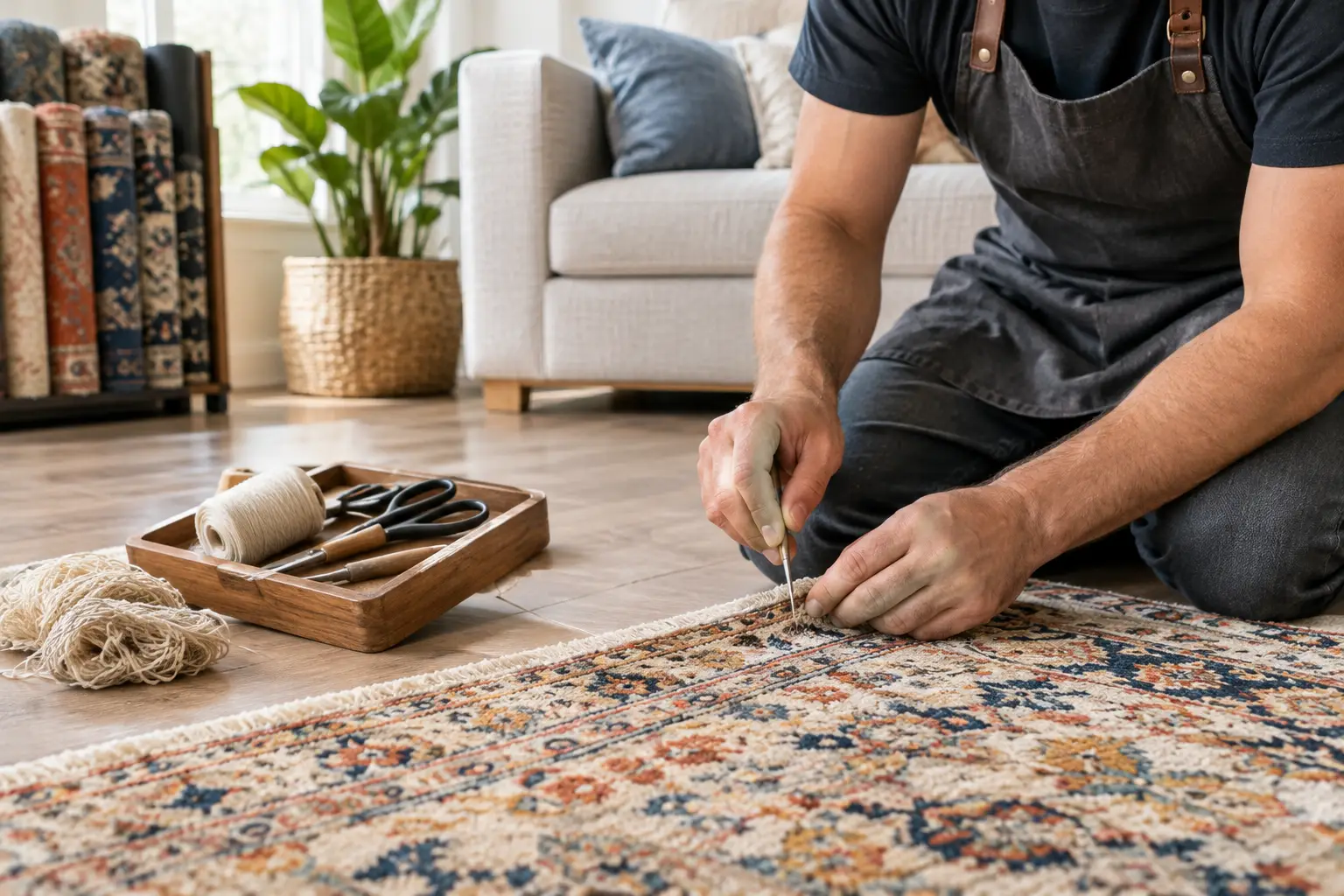
Use this Kennesaw rug repair guide to spot damage early, choose the right restoration, and protect the color, texture, and comfort of your favorite rug.
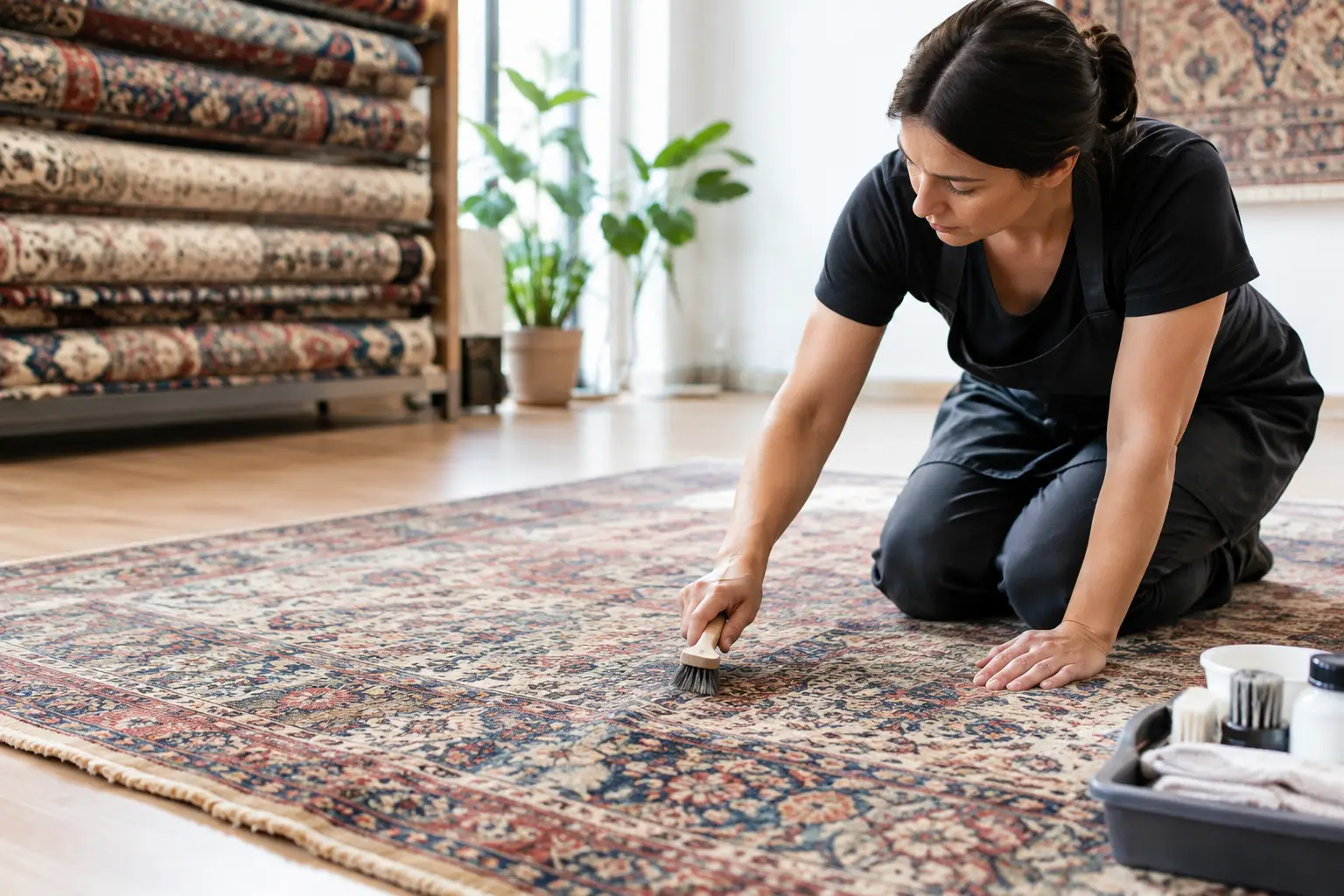
Marietta rug restoration can preserve color, texture, and history. Learn when repair makes sense and how thoughtful care protects a cherished rug at home.
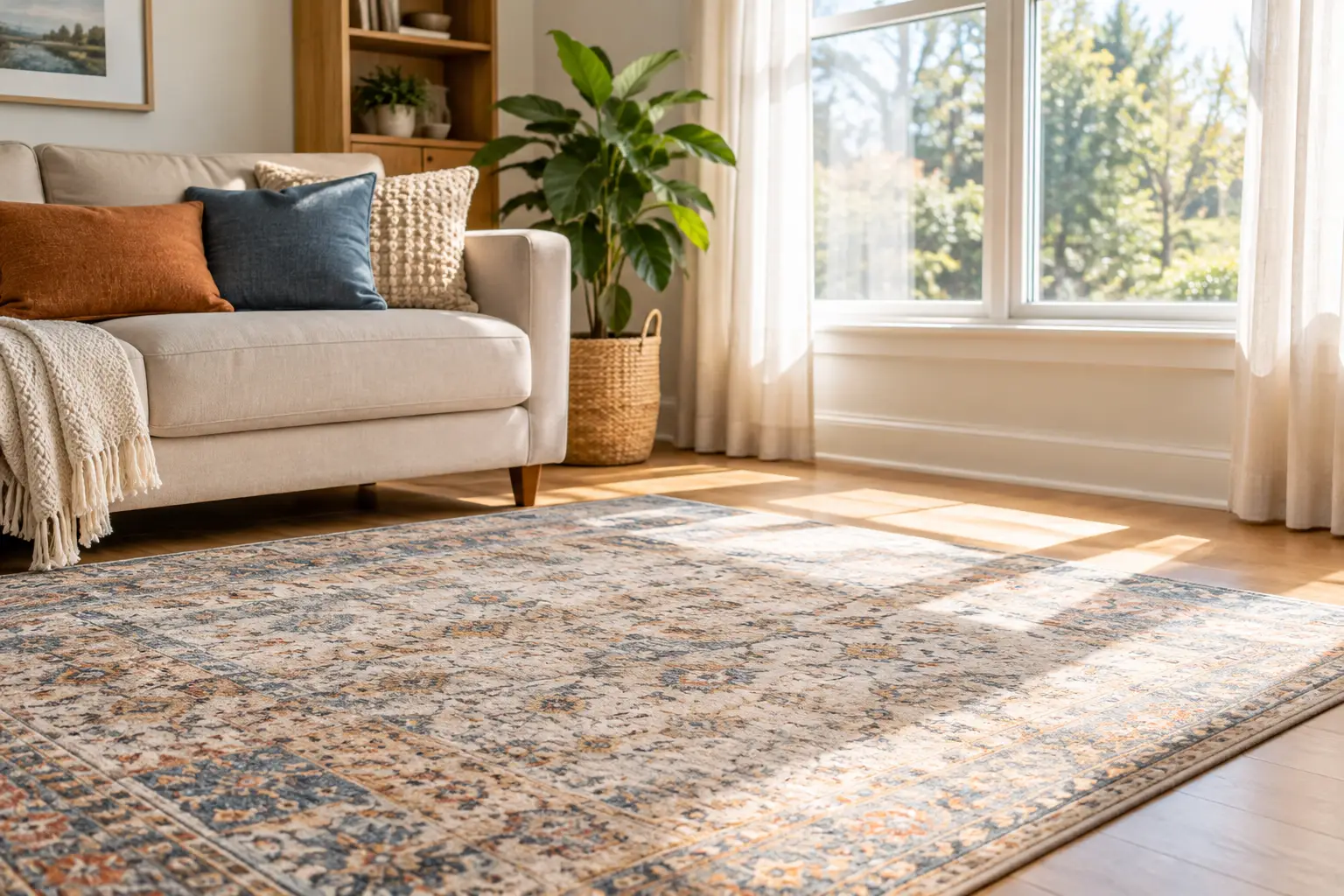
Learn how to protect rugs from sun fading with thoughtful window treatments, rotation, cleaning, and placement tips that preserve color and comfort daily.
From cozy area rugs to statement-making wall décor, our curated categories make it easy to explore what speaks to your space. Whether you’re refreshing a single corner or reimagining your whole home, start here and discover pieces that bring it all together.