


How to Remove Pet Odors From Rugs Safely
Learn how to remove pet odors from rugs without harming color or fibers, plus when professional washing is the smarter choice for a fresh home that lasts.
A living room can have beautiful seating, layered lighting, and well-chosen accents, but if the rug is off, the whole space feels unsettled. Finding the best area rug for living room use is less about chasing a trend and more about choosing the piece that makes the room feel grounded, comfortable, and intentionally styled.
The right rug does several jobs at once. It softens the room, defines the furniture layout, adds texture, and introduces color or pattern in a way that feels natural rather than forced. It also has to work for real life – foot traffic, pets, children, entertaining, and the everyday rhythm of home.
There is no single rug that works for every home. The best choice depends on your room size, furniture arrangement, lifestyle, and the mood you want to create. A formal sitting room may call for a refined wool rug with subtle pattern, while a busy family room often benefits from a durable, forgiving option with softness underfoot.
That is where many homeowners get stuck. They know the room needs a rug, but they are deciding between practical concerns and style goals. In reality, the best rugs do both. They make the room feel finished while still holding up beautifully over time.
Most rug mistakes come down to scale. A rug that is too small can make even a well-furnished living room feel disconnected. It leaves furniture floating and breaks up the room instead of pulling it together.
In most living rooms, the ideal rug is large enough for at least the front legs of the sofa and chairs to rest on it. In more spacious rooms, placing all furniture legs on the rug creates a more tailored, quietly luxurious feel. If your room is compact, a rug that anchors the main seating area without crowding the space can still look polished, as long as it feels intentional.
A common guideline is to leave a border of visible flooring around the rug. That frame helps the rug feel proportionate to the room. But there are trade-offs. In open-concept homes, a larger rug can help define the living area more effectively, especially when the room flows into a kitchen or dining space.
Once size is right, material becomes the next big decision. The best area rug for living room comfort and performance often comes down to how you actually use the room.
Wool remains a favorite for good reason. It has a rich feel, natural resilience, and an elevated look that suits both classic and updated interiors. Wool rugs tend to age well and offer a softness that makes a living room feel inviting. They are often worth the investment for homeowners who want beauty and longevity.
Synthetic fibers can be a smart choice in high-traffic households. They are often easier to clean, more budget-conscious, and available in an impressive range of styles. If you have children, pets, or frequent guests, performance may matter just as much as appearance.
Natural fibers such as jute, sisal, and other woven textures bring warmth and an effortless, relaxed look. They work especially well in casual interiors, transitional homes, and rooms that need organic texture. The trade-off is comfort. Some natural fiber rugs feel rougher underfoot, so they may be better layered or used in rooms where softness is not the top priority.
A rug should support the room, not compete with it. That does not mean it has to be plain. It means the rug should relate to the furniture, art, and accessories in a way that feels cohesive.
If your sofa is a solid neutral and your walls are calm, a patterned rug can add movement and personality. It becomes part of the room’s visual story without overwhelming it. If your furniture already carries strong shapes, bold prints, or a mix of accent colors, a quieter rug may create the balance the room needs.
Color is often where people hesitate, especially in larger rugs. A safe neutral can absolutely be beautiful, but neutral does not have to mean flat. Soft ivory, warm taupe, muted blue-gray, charcoal, and layered beige tones can all add dimension while keeping the room serene.
For homes that need a little forgiveness, mid-tone rugs with variation tend to be practical. Very light rugs can show more wear, while very dark rugs can reveal lint, dust, and pet hair more than expected. Patterned rugs with tonal contrast are often the sweet spot because they add visual depth and disguise everyday life with grace.
The living room is one of the most visible spaces in the home, so it is easy to get pulled toward whatever style is currently popular. But the best rug is the one that still feels right after the season changes or the accent pillows get swapped.
Traditional rugs bring depth, history, and warmth. They pair beautifully with wood furniture, tailored upholstery, and layered interiors. Modern rugs can create a cleaner, more architectural look, especially in rooms with simple lines and open space. Transitional options often strike the most versatile balance by blending timeless motifs with updated colors and textures.
This is where in-person shopping has real value. Texture, scale, and color are difficult to judge on a screen. A rug that appears soft gray online may read much warmer in person, and a pattern that looks subtle in a photo may feel much busier at full size.
A rug is not just a decorative layer. It is a layout tool. The way it sits under your furniture changes the room’s proportions and energy.
In a classic conversation area, the rug should unify the seating rather than sit isolated under the coffee table. When the sofa and chairs visually connect through the rug, the room feels more welcoming and complete. In larger living rooms, using one substantial rug is often more elegant than trying to fill the space with several smaller pieces.
If your room has a sectional, make sure the rug extends far enough beyond the chaise or longest edge to feel balanced. If the rug stops too short, the room can feel visually cut off. In narrower spaces, a carefully sized rug can actually make the room feel larger by establishing a clear footprint for the furnishings.
Layering can also work beautifully, especially if you want to introduce softness over a textured base rug or add dimension in a casual living room. The key is restraint. Layering should look collected and effortless, not bulky or accidental.
Style gets the attention, but everyday use should guide the final choice. Before settling on a rug, think about how your living room functions on a typical week.
Do you host often, with guests moving in and out of the space? Do pets nap on the rug every afternoon? Is this the room where children play, where shoes are kicked off, where snacks and movie nights happen? Those details matter.
A lower-pile rug is often easier to maintain in active households. Higher-pile or plush styles feel wonderful underfoot, but they can require more upkeep and may not be ideal beneath certain furniture. Delicate fibers and lighter palettes can be stunning, but they are best chosen with a realistic understanding of care.
This is also where long-term rug support becomes part of the decision. A quality rug is not just a purchase. It is part of your home over time, and proper cleaning, care, and occasional repair help protect both its appearance and value.
Some living rooms do not work well with standard sizes. Open floor plans, unusually shaped rooms, oversized seating groups, and specific design visions can all make custom rugs the better solution.
A custom rug gives you control over dimensions, color direction, texture, and overall scale. That can be especially helpful when you are designing a room that needs to feel tailored rather than close enough. For homeowners who want an effortlessly styled result, custom often removes the compromises that come with trying to force a standard rug into a not-so-standard room.
At Home Rug Gallery, many customers find that seeing materials in person and talking through layout, maintenance, and styling makes the decision far easier. A rug can look perfect on paper and still feel wrong in the room. Hands-on guidance helps narrow the field to options that actually fit your home and your life.
The best area rug for living room spaces is the one that makes everything else around it look more considered. It should feel beautiful when you walk in, comfortable when you settle down, and right for the way you live every day. When a rug does that, the room stops feeling almost finished and starts feeling like home.
Learn how to remove pet odors from rugs without harming color or fibers, plus when professional washing is the smarter choice for a fresh home that lasts.
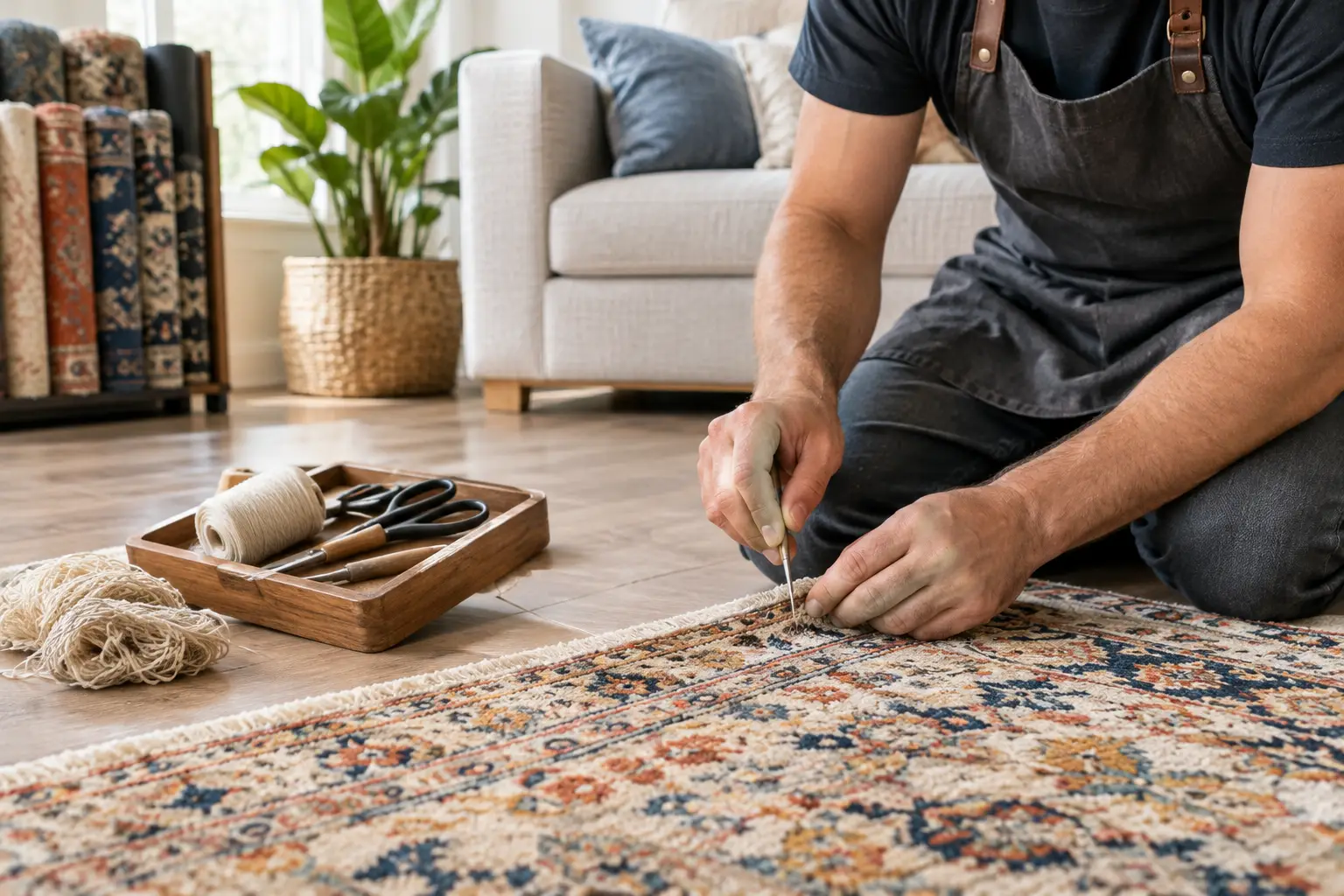
Use this Kennesaw rug repair guide to spot damage early, choose the right restoration, and protect the color, texture, and comfort of your favorite rug.
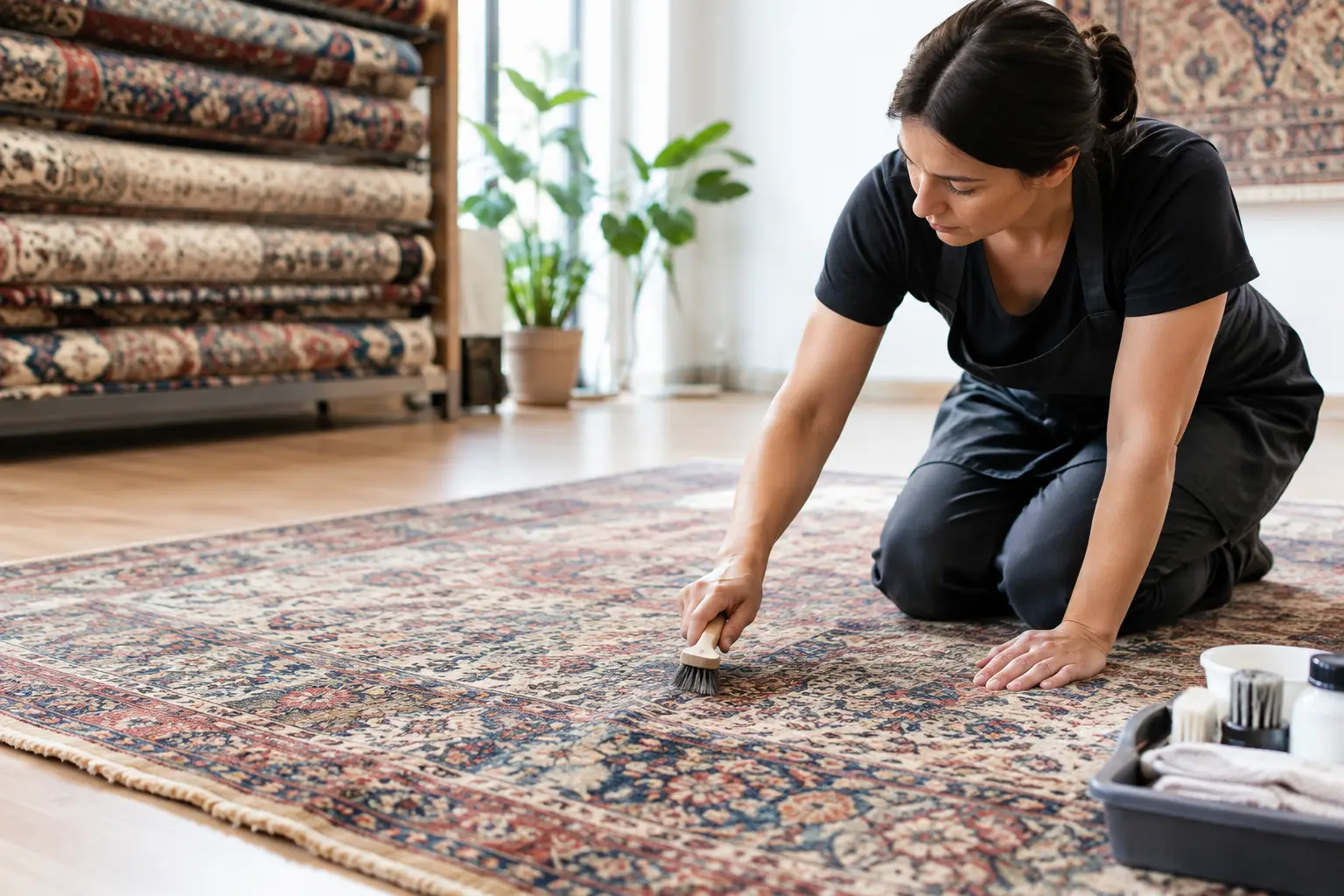
Marietta rug restoration can preserve color, texture, and history. Learn when repair makes sense and how thoughtful care protects a cherished rug at home.
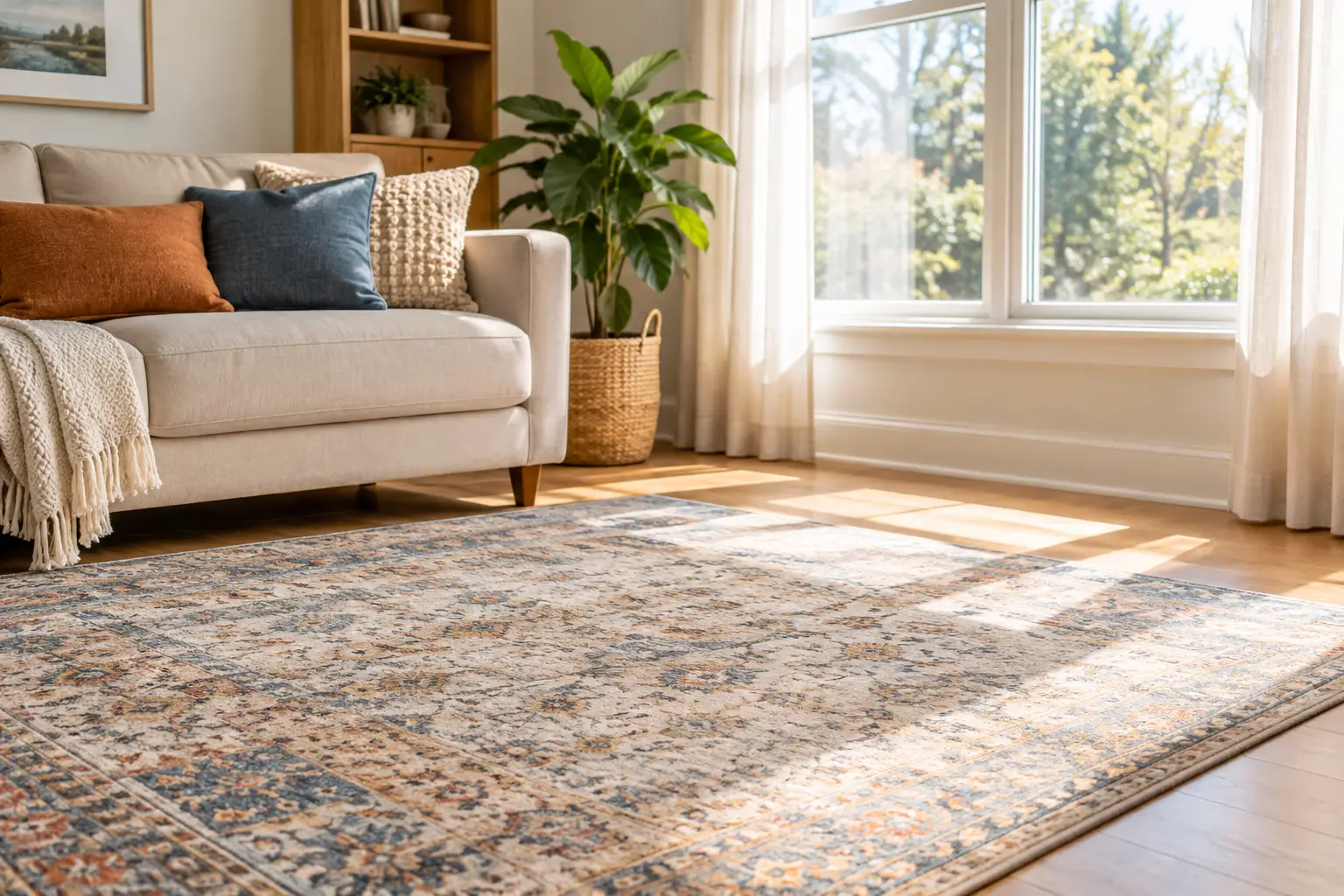
Learn how to protect rugs from sun fading with thoughtful window treatments, rotation, cleaning, and placement tips that preserve color and comfort daily.
From cozy area rugs to statement-making wall décor, our curated categories make it easy to explore what speaks to your space. Whether you’re refreshing a single corner or reimagining your whole home, start here and discover pieces that bring it all together.