


How to Remove Pet Odors From Rugs Safely
Learn how to remove pet odors from rugs without harming color or fibers, plus when professional washing is the smarter choice for a fresh home that lasts.
An empty shelf can make an otherwise finished room feel like the movers just left. The best home accents for shelves do more than fill that open space. They bring in texture, height, color, and a few details that make a room feel deeply personal rather than overly decorated.
The goal is not to display every beautiful object you own. A well-styled shelf has room to breathe. It feels collected over time, grounded by the room around it, and just edited enough to look intentional.
Before choosing accessories, take a step back and look at the larger room. Your shelves should echo the colors, materials, and mood already at work in the space. A living room with a soft, patterned area rug, woven pillows, and warm wood furniture may call for ceramic vessels, aged brass, and natural textures. A cleaner, more contemporary room may feel right with a few black accents, sculptural forms, and restrained stacks of books.
This is where many displays go off course. Individual objects may be lovely, but if every piece introduces a new color, finish, or style, the shelf starts to feel busy. Choose a focused palette of two or three main tones, then let texture provide the variation. Cream, camel, charcoal, and muted green, for example, can feel layered without becoming loud.
A shelf is also a useful place to repeat a color found elsewhere in the room. Pick up the blue from a rug, the terracotta in a pillow, or the warm metal of a floor lamp. That quiet repetition is what gives a room its polished, cohesive feeling.
Books create an instant sense of warmth and lived-in character. Oversized art and design books are especially effective on lower shelves or coffee-table-height built-ins, where their scale feels substantial. Place a small decorative object on top of a horizontal stack to create a finished vignette.
Older hardcovers add another layer, particularly in traditional, rustic, or collected interiors. You do not need an entire shelf of matching spines. A few worn books in complementary tones can soften a display that otherwise feels too new. For a more tailored look, turn some book spines inward or remove paper jackets that clash with the room’s palette.
Ceramics are among the most versatile shelf accents because they offer shape and texture without asking for much visual attention. A matte vase, hand-finished bowl, or softly irregular vessel brings an organic quality to wood, glass, or painted shelving. Choose pieces with enough presence to read from across the room, especially on larger built-ins.
Sculptural objects add a more intentional, gallery-like note. Think carved wood, stone forms, abstract figures, or a simple pedestal object. These pieces work best when they are allowed to stand alone rather than crowded between smaller accessories. One strong silhouette will often do more for a shelf than three tiny decorative items.
Leaning framed art against the back of a shelf adds depth that a row of objects alone cannot create. Small landscapes, line drawings, architectural prints, or vintage-inspired artwork give the eye a resting place and make the shelf feel more connected to the walls around it.
Family photos can belong in a refined display, but treat them as part of the composition. Use a consistent frame finish, such as warm wood, brass, or black, and avoid lining up every image at the same height. Layering one small photo in front of a larger piece of art feels more relaxed and personal.
A small mirror is another smart option, especially in a darker room or on a shelf that sits away from natural light. Its reflective surface can brighten the arrangement and introduce contrast among matte pottery and books.
A touch of greenery keeps a shelf from feeling static. A trailing plant can soften the edge of an upper shelf, while a small leafy branch in a ceramic vase adds height without visual heaviness. If your room receives limited light or you prefer lower maintenance, a high-quality faux stem can still bring the same organic line.
Dried botanicals work especially well in rooms with neutral rugs, natural fibers, and warm, quiet-luxury finishes. Their muted color and architectural shape add interest without demanding attention. Keep the vessel simple so the arrangement does not become overly formal.
Textural details include woven boxes, small baskets, beaded objects, wood links, and folded textiles. These accents are useful when a shelf feels flat or overly hard. A woven lidded box can also hide less decorative necessities while contributing warmth and practical storage.
The most successful shelves balance contrast. Combine tall and short pieces, rounded and angular forms, matte and reflective finishes. If every object is the same height, the display will look stiff. If every piece is highly detailed, it can quickly feel cluttered.
Try arranging each shelf in loose visual triangles. A tall vase, a medium framed piece, and a low book stack naturally create movement across the shelf. The objects do not have to touch, and they do not have to be symmetrical. In fact, perfect symmetry can feel formal unless your architecture and furnishings already lean traditional.
Negative space matters just as much as the accents themselves. Leave some shelves partially open, particularly if you have a full bookcase or a room with patterned upholstery and a richly detailed rug. More decorative items are not always better. Editing is often what makes a display feel elevated.
For an easy starting point, style one shelf at a time with three elements: something vertical, something layered, and something textural. Then step back several feet. If the arrangement reads clearly from a distance, it is probably working. If it disappears or looks fussy, remove one item before adding another.
Scale is the difference between a shelf that feels designed and one that feels accidental. Large built-ins need a few substantial pieces. Tiny bud vases and small keepsakes can get lost unless they are grouped together on a tray, stacked books, or a shallow bowl.
Conversely, a narrow floating shelf should not be overloaded with bulky objects. Choose a slim frame, a compact vase, and one or two books, leaving enough open wall space for the arrangement to feel light. Shelves above a sofa or in a dining room may benefit from a more composed look, while family-room shelving can hold practical pieces alongside décor.
Consider what is below the shelves as well. If they sit above a boldly patterned rug, use calmer accents in neutral finishes. If the floor and upholstery are understated, the shelves can carry a little more color or sculptural drama. The room should feel balanced from floor to ceiling.
The most memorable shelf styling includes a few objects with meaning: a piece collected on a trip, a family heirloom, a handmade bowl, or a photograph that makes you pause. These are the details that keep a space from looking copied from a catalog.
Personal does not have to mean crowded. Give sentimental items the same thoughtful placement you would give a piece of art. Pair an heirloom with a modern vase, or set a small travel object on a stack of books that shares its color. The contrast can make both pieces feel more special.
Seeing materials side by side is often the easiest way to find the right balance. At Home Rug Gallery in Canton, homeowners can compare decorative accents with rugs, pillows, lighting, and textiles in person, then build a room that feels coordinated rather than matched.
A shelf should never feel finished forever. Shift an object, trade in a seasonal stem, or move a favorite bowl from the dining room when the space needs a fresh perspective. Those small changes keep your home feeling cared for, comfortable, and distinctly yours.
Learn how to remove pet odors from rugs without harming color or fibers, plus when professional washing is the smarter choice for a fresh home that lasts.
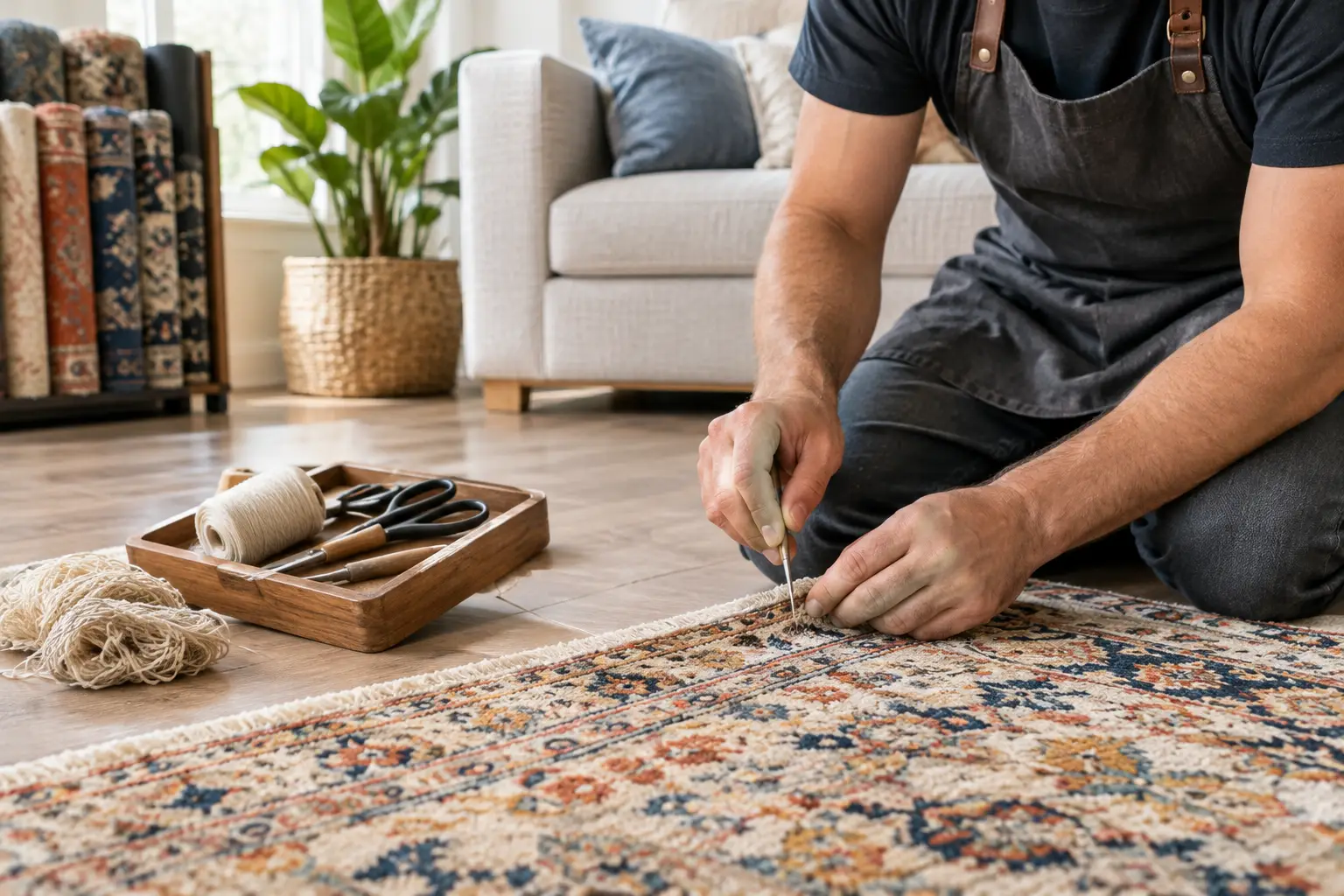
Use this Kennesaw rug repair guide to spot damage early, choose the right restoration, and protect the color, texture, and comfort of your favorite rug.
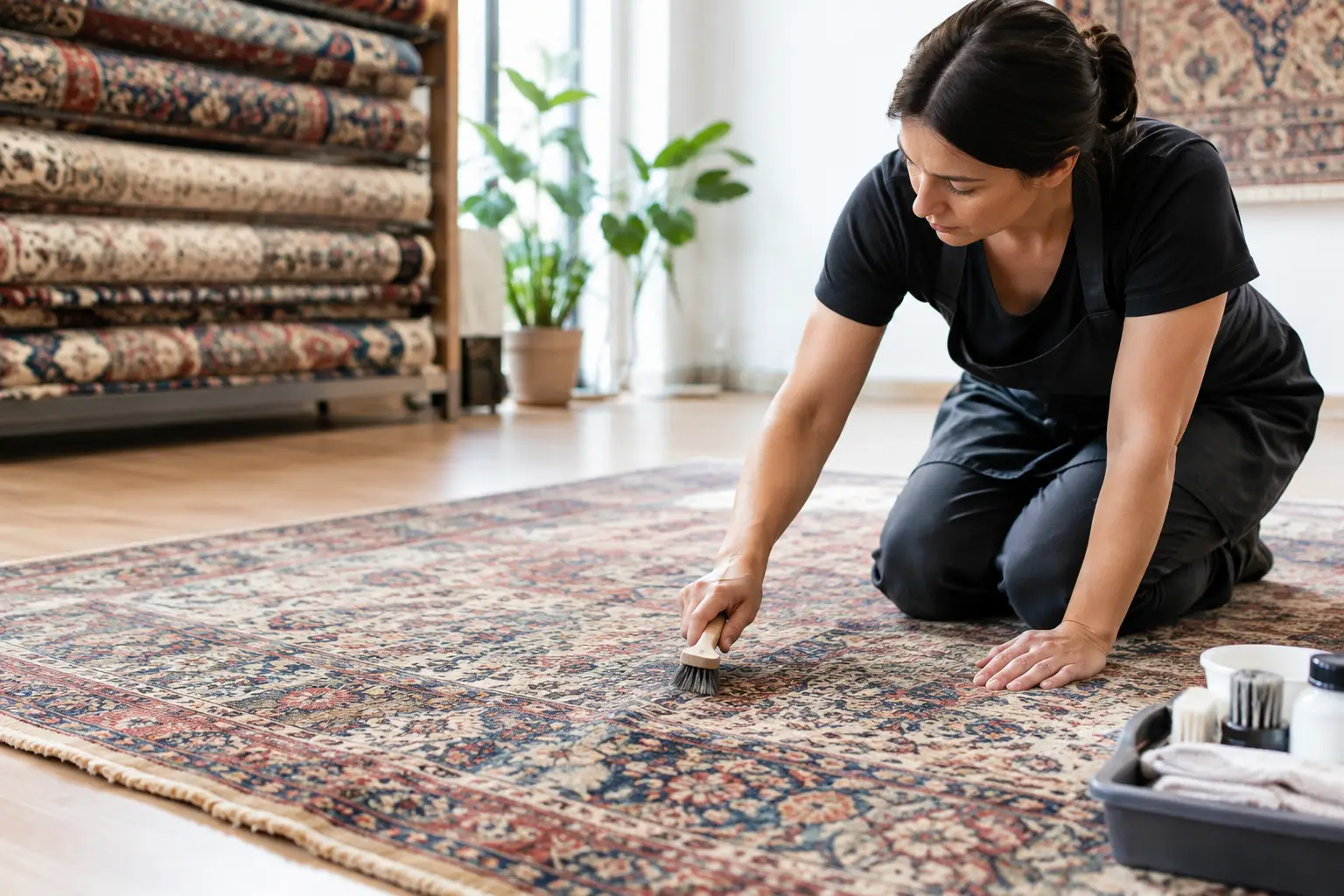
Marietta rug restoration can preserve color, texture, and history. Learn when repair makes sense and how thoughtful care protects a cherished rug at home.
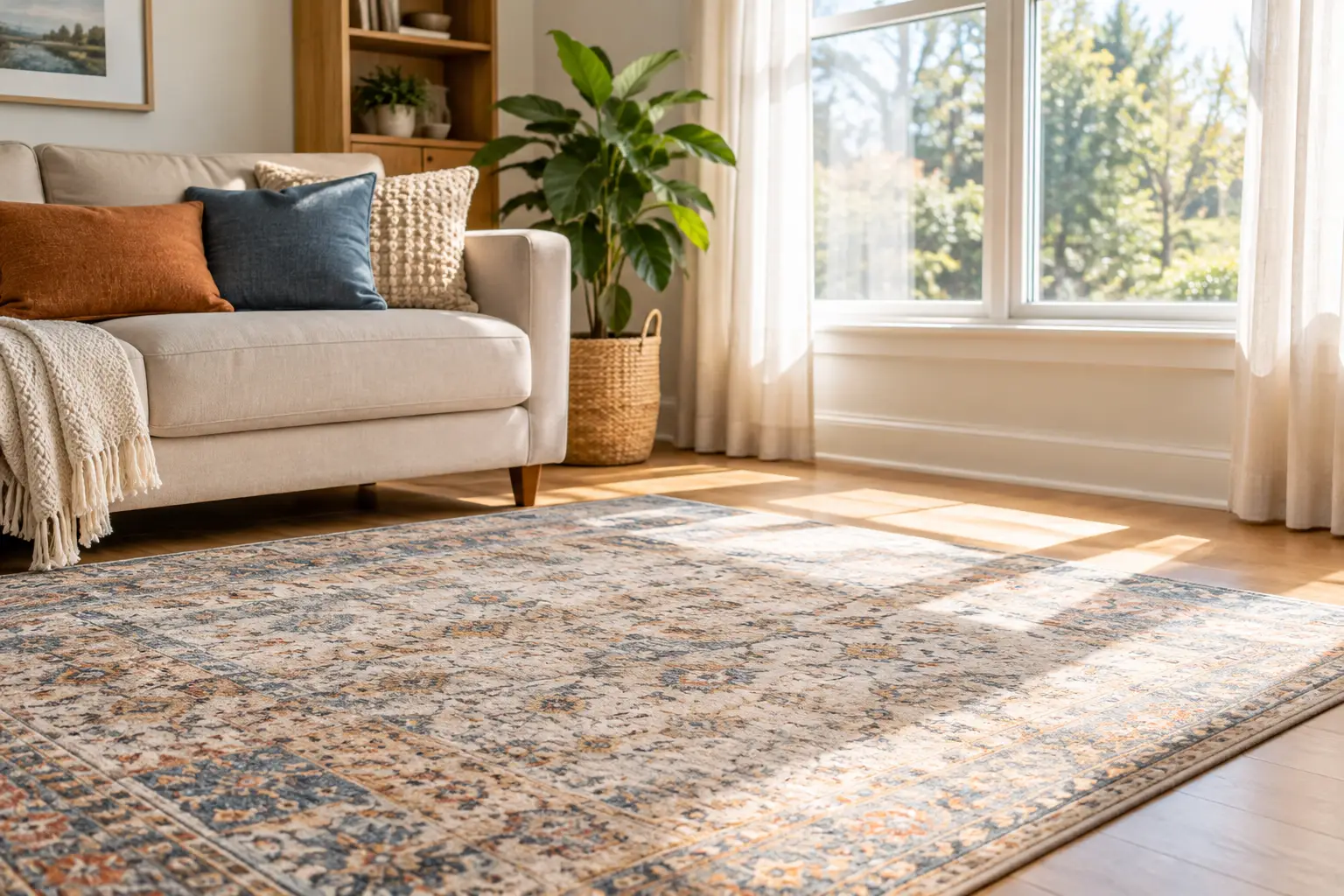
Learn how to protect rugs from sun fading with thoughtful window treatments, rotation, cleaning, and placement tips that preserve color and comfort daily.
From cozy area rugs to statement-making wall décor, our curated categories make it easy to explore what speaks to your space. Whether you’re refreshing a single corner or reimagining your whole home, start here and discover pieces that bring it all together.