

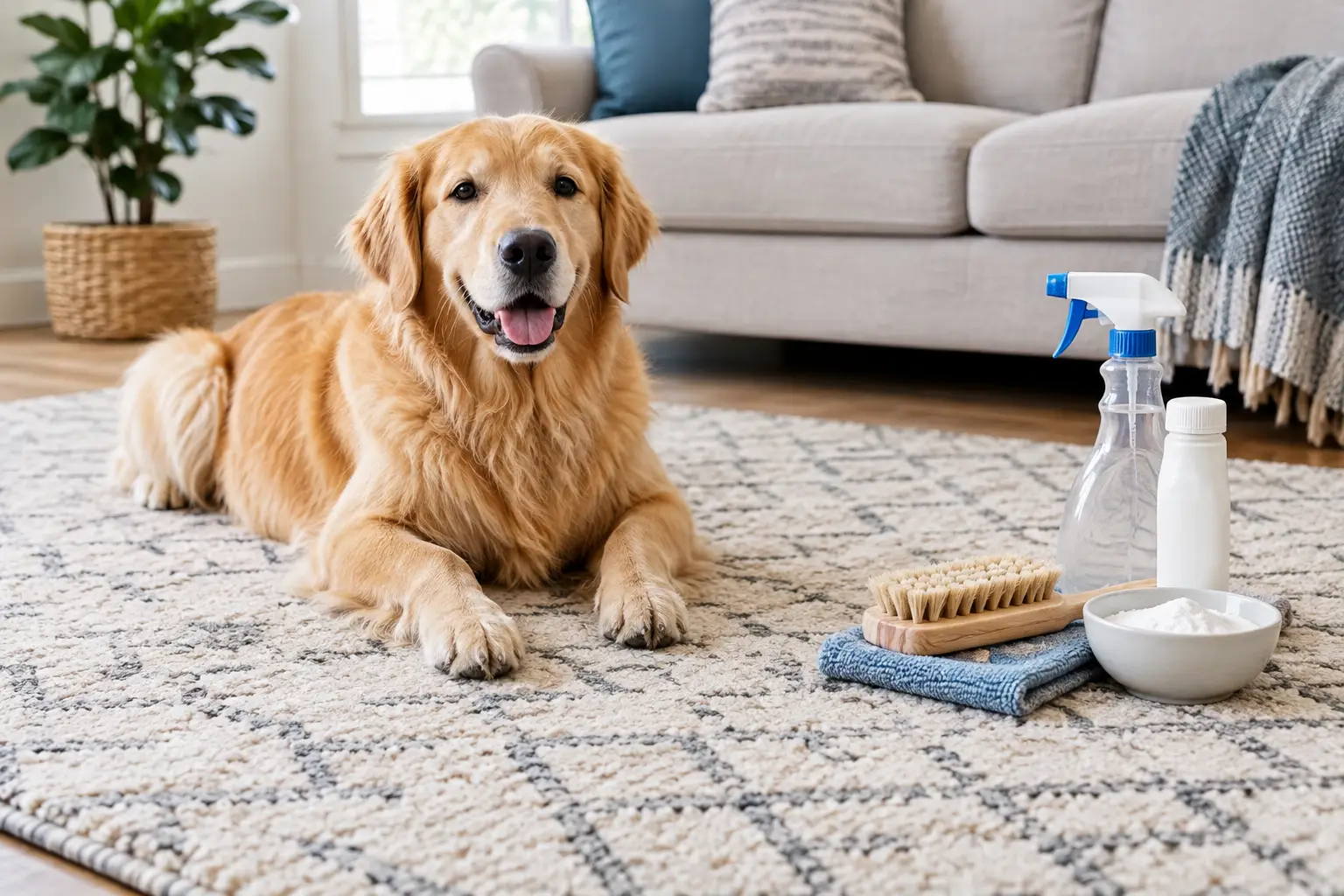
How to Remove Pet Odors From Rugs Safely
Learn how to remove pet odors from rugs without harming color or fibers, plus when professional washing is the smarter choice for a fresh home that lasts.
The hallway tells the truth about a rug faster than any showroom floor ever could. If a rug can handle muddy shoes, daily foot traffic, pets cutting corners, and the steady rhythm of family life without losing its shape or charm, it has earned its place. Choosing the best rugs for high traffic areas is less about chasing a trend and more about finding that rare balance between durability, comfort, and a look that still feels beautifully considered.
In a busy home, the right rug should work hard without looking utilitarian. It should soften a room, anchor furniture, and add texture and warmth, while also standing up to the realities of entrances, living rooms, hallways, and family spaces. That is where material, construction, pile height, and pattern matter more than people often expect.
A high-traffic rug needs resilience first. That usually means fibers that resist crushing, a construction that holds up to repeated use, and a surface that is easy to maintain. A rug may feel wonderfully plush underfoot in a quiet bedroom, but that same softness can flatten quickly in a main walkway.
The best rugs for high traffic areas tend to share a few qualities. They have a lower pile, tighter weave, and colors or patterns that are forgiving in everyday life. They also suit the function of the room. A front entry rug has different demands than a family room rug under a coffee table, even if both spaces are used constantly.
That is why there is rarely one universal answer. The best choice depends on who lives in the home, how formal the room feels, whether pets are part of the picture, and how much maintenance you realistically want to do.
Material has a direct effect on how a rug wears over time. It influences texture, stain resistance, shedding, and how easily the rug recovers after furniture and foot traffic.
Wool remains one of the strongest choices for busy spaces, especially for homeowners who want performance without sacrificing a refined look. A well-made wool rug naturally resists soil, holds color beautifully, and has enough resilience to bounce back better than many softer synthetic or plant-based options.
It also brings a certain depth to a room. Wool tends to feel elevated and timeless, which makes it especially appealing in living rooms, stair landings, and main gathering areas where you want practicality to feel polished. The trade-off is that some wool rugs may shed initially, and they often benefit from proper care to keep them looking their best.
Polypropylene, polyester, and other synthetic fibers are popular for good reason. They are often easier to clean, more moisture resistant, and well suited to homes with children, pets, or heavy daily use. In entryways, casual dens, and family rooms, synthetics can be an especially practical choice.
What matters most is quality. A well-constructed synthetic rug can be surprisingly attractive and durable, while a lower-quality version may mat down or show wear quickly. If your priority is low-maintenance living, synthetics deserve a serious look.
Jute, sisal, and other natural fiber rugs bring easy texture and an effortlessly styled look that works beautifully in relaxed, layered interiors. They are especially appealing in entryways, dining areas, and transitional spaces where a room needs organic warmth.
Still, they come with limits. Natural fibers can be rougher underfoot, less forgiving with spills, and not always ideal for households that need softness or stain resistance. They are often best when aesthetics and structure are the priority, rather than plush comfort.
Even a beautiful material can disappoint in a busy room if the construction is wrong. High-pile shag rugs, for example, may look inviting, but they are rarely the best fit for spaces where people walk through constantly. They trap debris more easily, can be harder to clean, and tend to show traffic patterns faster.
Low-pile and flatweave rugs are often better suited to active areas. They are easier to vacuum, simpler to place beneath furniture and doors, and less likely to hold onto every trace of daily life. Hand-knotted and tightly woven rugs also tend to hold up well because their structure is more stable over time.
Machine-made rugs can absolutely have a place in high-traffic spaces too, especially when chosen thoughtfully. The key is density and finish. A rug that feels tightly made and substantial will generally outperform one that feels loose or overly delicate.
A rug in a hardworking space still needs to look right in the room. Function matters, but design is what makes the home feel personal.
If a rug will live where people pass through every day, patterned designs tend to age more gracefully than solid ones. Subtle motifs, tonal variation, and layered color help disguise lint, footprints, and the small marks of everyday use.
This does not mean a rug has to feel busy. Some of the most elegant choices are softly patterned rugs in grounded neutrals, warm blues, muted rusts, or gentle grays that blend beautifully into a room while still offering forgiveness.
Very light rugs can feel airy and beautiful, but they tend to show stains and wear more quickly in active areas. Very dark rugs can hide some dirt, yet they may reveal every speck of dust or pet hair. Mid-tone colors often strike the best balance.
Think warm taupe, layered beige, soft charcoal, olive, denim, or terracotta-based neutrals. These shades tend to feel inviting and livable while supporting the quiet luxury many homeowners want in their spaces.
Vintage-inspired rugs are especially effective in high-traffic rooms because variation is already built into the design. Slightly faded palettes, layered motifs, and timeworn character make daily use feel less disruptive. Instead of looking damaged by life, they often look more settled into it.
An entryway rug should be durable, low-profile, and easy to clean. This is where shoes, weather, and outdoor debris appear first, so performance comes before softness. Flatweaves and low-pile synthetics often make sense here, though a sturdy wool option can also be beautiful.
In living rooms and family rooms, comfort and durability need to share equal weight. This is where many homeowners want a rug that feels substantial, softens sound, and completes the seating area. Wool and well-made blends are often excellent choices because they bring both visual warmth and resilience.
Hallways call for rugs that stay in place, resist flattening, and fit the proportions of the space. Runners with pattern and low pile are often ideal. Dining rooms can also be high traffic in a different way, with chairs moving in and out constantly. A lower-profile rug tends to work best so chairs glide more easily and the rug remains easier to maintain.
A durable rug will still underperform if it is the wrong size for the room. In a living room, a rug that is too small can make the entire space feel disconnected and may cause traffic to fall awkwardly around the edges, increasing uneven wear. In a hallway, a runner that is too narrow can feel visually lost and less functional.
Proper placement also protects the rug. A rug pad adds cushioning, helps reduce movement, and can extend the life of the rug by minimizing friction with the floor beneath. For high-traffic spaces, that support matters.
Not every room needs the toughest rug possible. Sometimes a formal sitting area or a quieter corner of the home gives you more flexibility to choose for mood, softness, or visual drama. But in spaces that carry the rhythm of daily living, it is wise to let function guide the final decision.
That does not mean settling. It means choosing a rug that keeps its elegance even after real use. The best homes are not staged. They are lived in, and the most successful rug choices reflect that.
Seeing rugs in person can make this decision much easier. Texture, pile, color variation, and scale read differently at home than they do on a screen, especially when you are trying to coordinate with furniture, lighting, and the overall feeling of a room. For homeowners in Canton, Woodstock, Acworth, and Kennesaw, a showroom experience can be the difference between a rug that simply works and one that feels completely right.
A high-traffic rug should never feel like a compromise. When the material is right, the construction is thoughtful, and the style suits the way you actually live, the room feels grounded, comfortable, and effortlessly finished long after the first day it comes home.
Learn how to remove pet odors from rugs without harming color or fibers, plus when professional washing is the smarter choice for a fresh home that lasts.
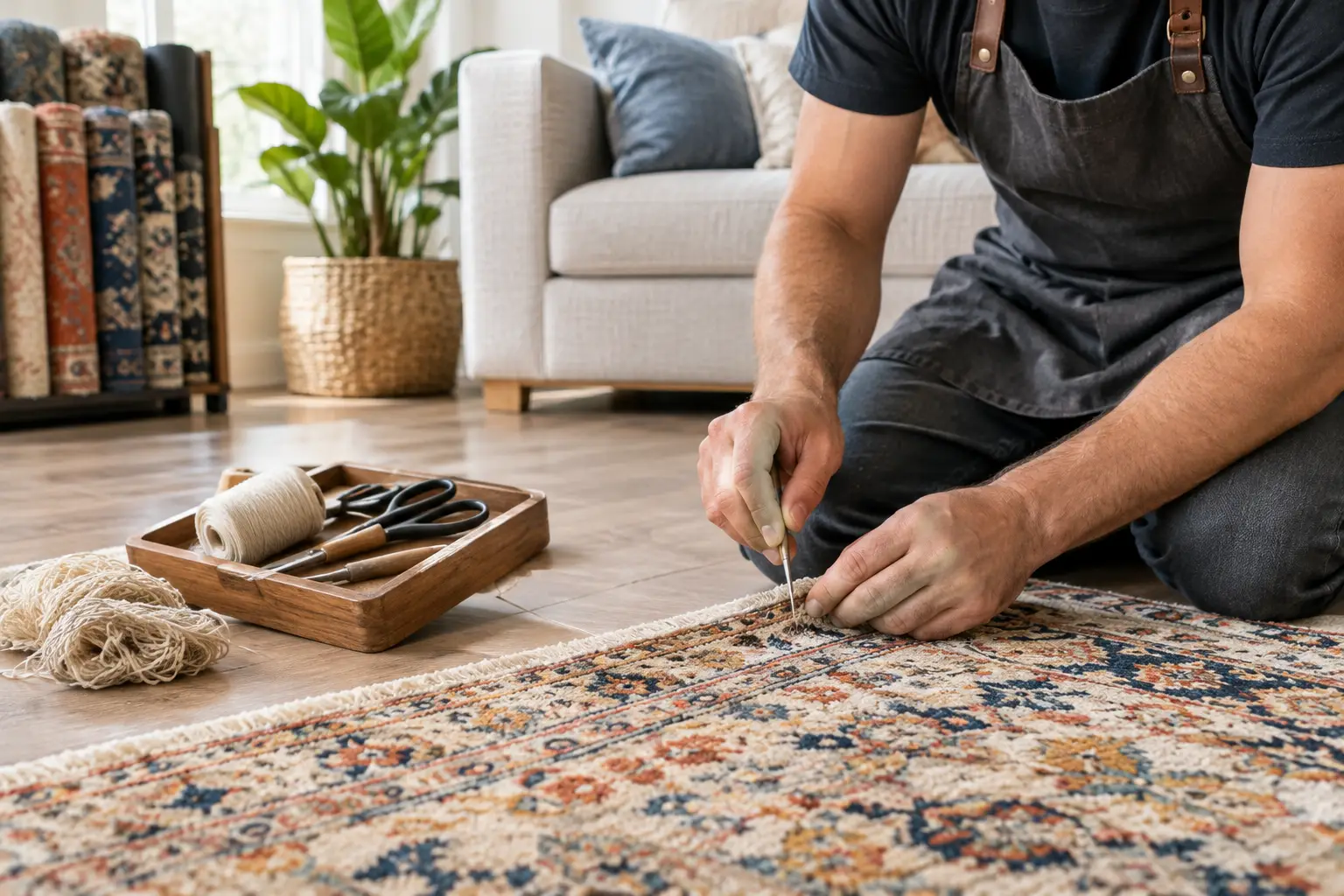
Use this Kennesaw rug repair guide to spot damage early, choose the right restoration, and protect the color, texture, and comfort of your favorite rug.
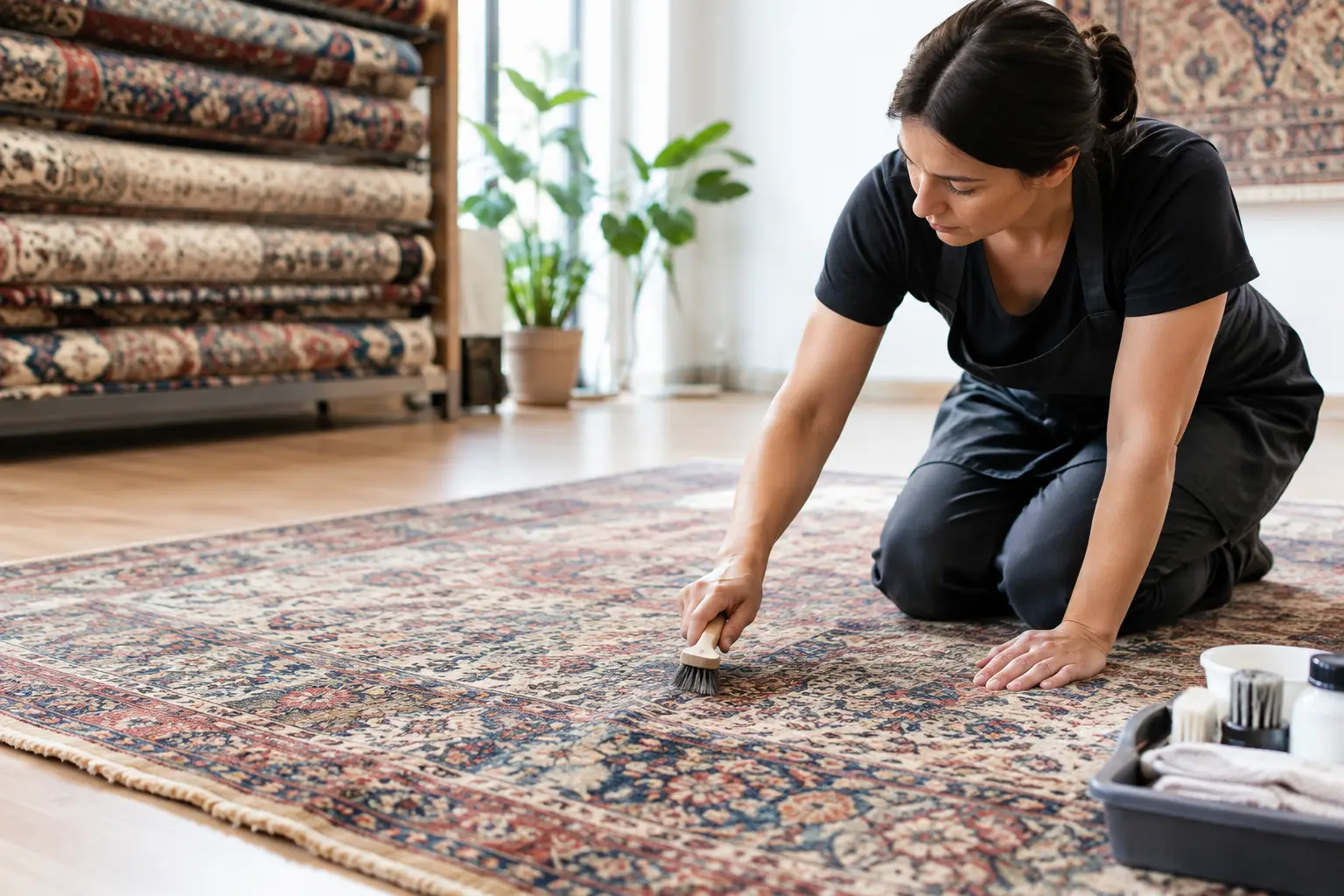
Marietta rug restoration can preserve color, texture, and history. Learn when repair makes sense and how thoughtful care protects a cherished rug at home.
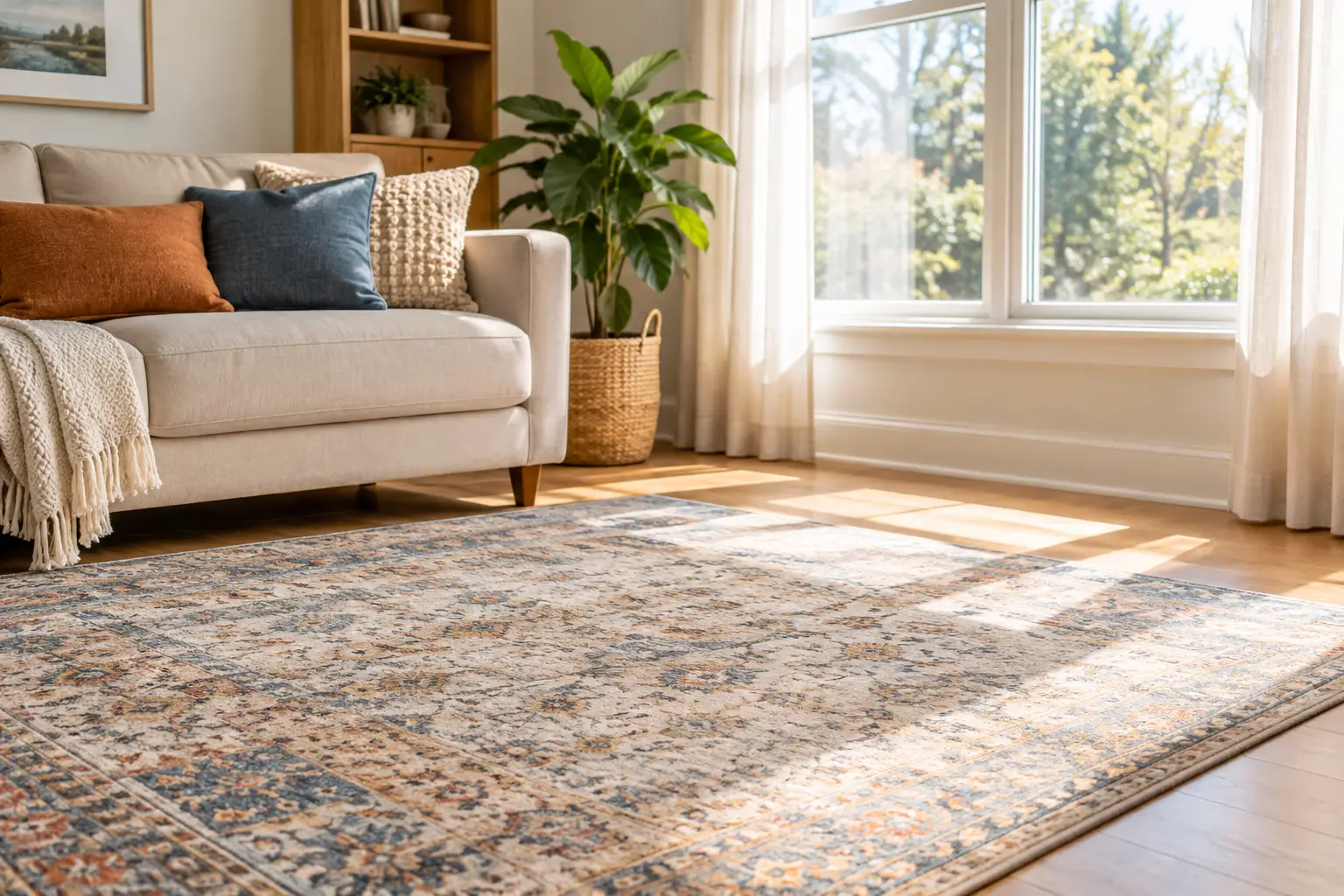
Learn how to protect rugs from sun fading with thoughtful window treatments, rotation, cleaning, and placement tips that preserve color and comfort daily.
From cozy area rugs to statement-making wall décor, our curated categories make it easy to explore what speaks to your space. Whether you’re refreshing a single corner or reimagining your whole home, start here and discover pieces that bring it all together.