


How to Remove Pet Odors From Rugs Safely
Learn how to remove pet odors from rugs without harming color or fibers, plus when professional washing is the smarter choice for a fresh home that lasts.
An oversized living room can be a gift: more light, more gathering space, and more room for the furnishings you genuinely love. It can also feel visually unsettled when the floor is left unanchored. A custom rug solution for oversized living room spaces gives the room a clear center, connecting seating, color, and texture without forcing you to compromise on scale.
A rug that is too small often creates the opposite effect homeowners want. Instead of making a large room feel intentional, it can leave sofas and chairs looking as though they are floating apart. The right custom piece brings proportion back into the picture, creating a polished foundation that feels welcoming from every angle.
In a compact room, a standard rug size can often define the seating area with little effort. Larger living rooms are more nuanced. They may include a main conversation area, a fireplace, a reading corner, wide walkways, or several furniture groupings that need to feel connected while still having their own purpose.
The goal is not simply to cover more floor. A well-chosen rug creates visual boundaries that make an expansive room feel comfortably composed. It tells the eye where to settle and gives substantial furniture a shared foundation. This is one of the quiet details behind interiors that feel effortlessly styled rather than simply furnished.
Custom sizing is especially helpful when standard dimensions leave awkward strips of exposed flooring, stop short of key furniture legs, or extend too far into traffic paths. A tailored rug can respond to the actual architecture of your room, including a fireplace hearth, bay window, built-ins, or an open connection to the kitchen.
The most reliable way to choose a custom rug is to map the room as it will be lived in. Start with the seating arrangement, then consider the rug’s relationship to the furniture rather than measuring wall to wall. In most oversized living rooms, the rug should be large enough to hold at least the front legs of every major seating piece. For a more tailored, luxurious look, allow the entire sofa and chairs to rest on the rug.
Leave a consistent border of visible flooring around the perimeter of the seating area whenever possible. The exact amount depends on the architecture and the overall scale of the room, but consistency matters more than an arbitrary number. Uneven margins can make even a beautiful rug feel accidental.
Painter’s tape is a useful planning tool. Mark the proposed dimensions on the floor, then walk through the room as you normally would. Sit on the sofa, open doors, move through pathways, and look at the layout from adjoining spaces. This simple exercise reveals whether a size feels generous and grounded or whether it crowds a passageway.
Not every large living room needs one monumental rug. If your space includes distinct functions, two coordinated rugs may create a more comfortable rhythm. A larger rug can define the main seating arrangement, while a smaller complementary piece can warm a reading nook or game table.
This approach works best when the rugs relate in color, material, or design language. They do not need to match exactly. In fact, exact matches can make a layered room feel overly planned. A tonal pair, such as a softly patterned wool rug in the main area with a textured neutral rug nearby, often feels more collected and personal.
One large custom rug is usually the stronger choice when the room has a single primary seating group and open sightlines. It delivers a calm, expansive effect and helps prevent visual fragmentation. Two rugs are often better when furniture groupings are clearly separated by distance, a walkway, or an architectural feature.
Rectangular rugs are a natural fit for many living rooms, but they are not the only option. A square custom rug can beautifully support a square seating arrangement, particularly when four chairs face inward around a central cocktail table. An oval or rounded shape can soften a room with strong angles, substantial stonework, or a prominent rectangular sectional.
Shape should support the furniture arrangement rather than compete with it. For example, a long, narrow rug beneath a deep sectional may emphasize the room’s length when what the room really needs is width and balance. A more generous custom proportion can correct that feeling.
Consider the rug’s edges in relation to nearby features as well. A rug that lands neatly before a fireplace hearth or aligns thoughtfully with a console can look considered. Perfection is not required, but visual intention is. The room should feel designed around the people who use it, not constrained by the nearest standard size.
A grand living room often serves several roles: a place for everyday family time, relaxed entertaining, and holiday gatherings. That makes material selection just as important as color and size. The most beautiful option is only successful if it suits the way your household uses the space.
Wool remains a favorite for living rooms because it offers softness, natural resilience, and a substantial feel underfoot. Its texture can bring quiet luxury to an expansive room, especially in neutral palettes where depth matters. A wool blend may be a practical choice when you want a similar look with a different hand or construction.
For active households, performance-minded fibers and lower-profile constructions can be easier to maintain. They can be particularly useful in rooms that open directly to outdoor areas or receive frequent traffic from children and pets. A higher-pile rug can add wonderful comfort, but it may not be ideal beneath furniture that needs to move easily or in a room where snacks and drinks are regularly part of the gathering.
There is no single best material. The right selection depends on whether your priorities lean toward softness, durability, texture, ease of care, or all of the above. Seeing samples in person helps clarify these differences quickly. Color shifts in natural light, pile density, and the feel of a fiber underfoot are difficult to judge from a screen.
In a large room, the rug has enough visual presence to influence the entire palette. It can echo the warm wood tones of a ceiling beam, pull a soft blue from artwork, or introduce an earthy neutral that settles a room with dramatic windows. Think of it as the element that allows individual furnishings to become a cohesive composition.
A soft, low-contrast pattern is often a smart choice for oversized spaces. It adds movement without becoming the only thing the room says. This is especially useful if you have patterned drapery, expressive artwork, or a richly textured sofa. On the other hand, a bolder custom design can be striking in a room with clean-lined furniture and restrained finishes.
Dark rugs can create intimacy in a very open room, while lighter rugs can preserve an airy feeling. Neither direction is automatically better. A light palette may be beautiful in a sun-filled room, but it should be selected with realistic expectations about daily care. A deeper, heathered design may offer more forgiveness while still feeling elevated.
A properly fitted rug pad is part of the finished result, not an afterthought. It adds cushioning, helps reduce shifting, and gives the rug a more substantial presence underfoot. For a large custom rug, the right pad also supports the rug’s performance over time and helps protect the flooring beneath it.
The pad should be sized slightly smaller than the rug so it remains hidden. Its thickness should be chosen based on the rug construction, flooring type, door clearance, and the furniture placed above it. This is one more reason a hands-on design conversation can save frustration later.
A custom rug decision becomes easier when you bring the room into the showroom. Photos taken in daylight and evening light, room measurements, finish samples, and a few fabric swatches can help narrow the choices with confidence. If you are refreshing the entire room, include details such as pillow fabrics, lighting finishes, and paint colors so the rug supports the larger vision.
At Home Rug Gallery, homeowners can compare texture, scale, and color in person while receiving guidance that accounts for both design and daily life. For Canton-area homes with generous great rooms, open living areas, and family spaces that need to work hard, that local perspective is valuable. A custom rug should not merely fill a large floor. It should make the room feel like the place everyone naturally wants to gather.
Learn how to remove pet odors from rugs without harming color or fibers, plus when professional washing is the smarter choice for a fresh home that lasts.
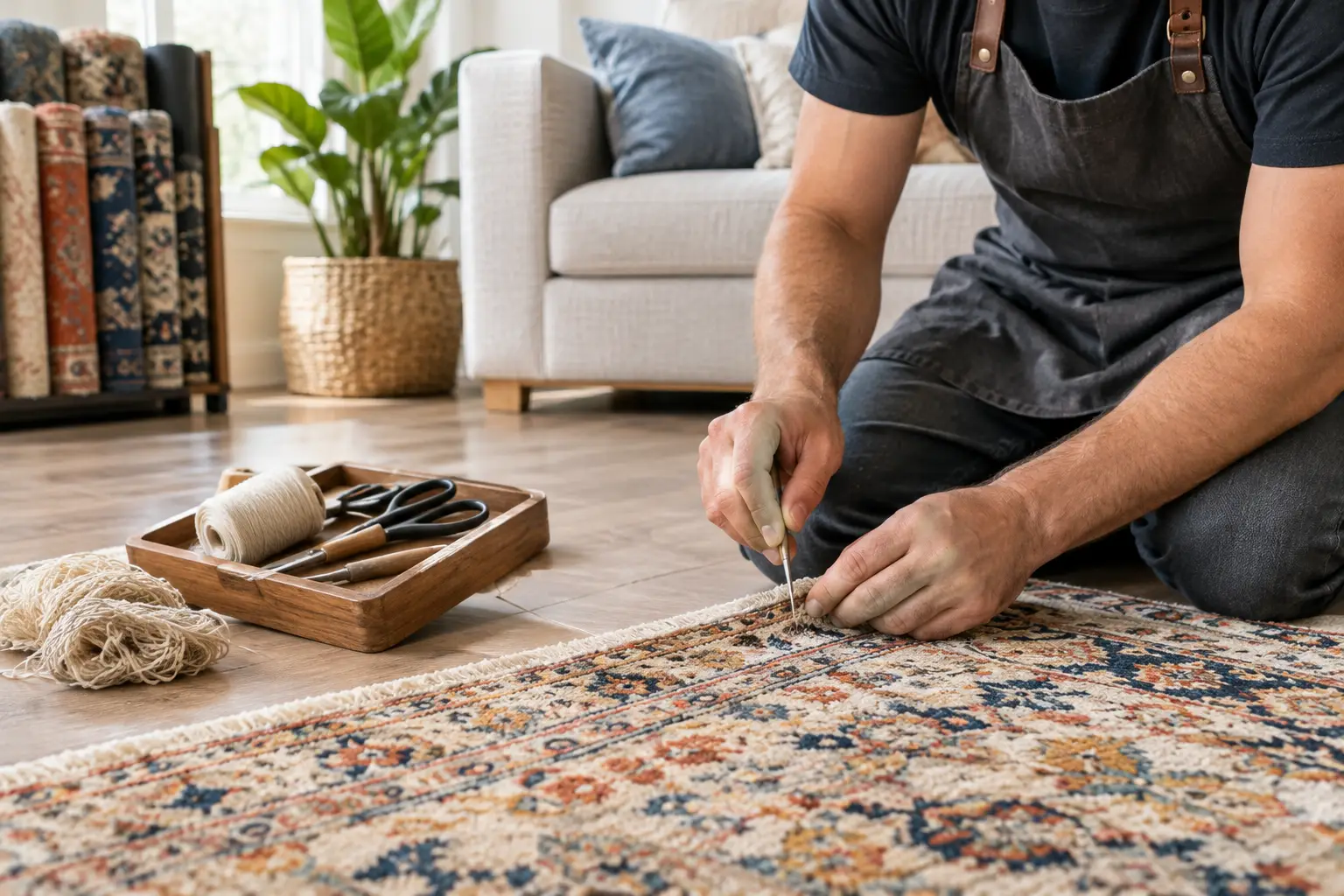
Use this Kennesaw rug repair guide to spot damage early, choose the right restoration, and protect the color, texture, and comfort of your favorite rug.
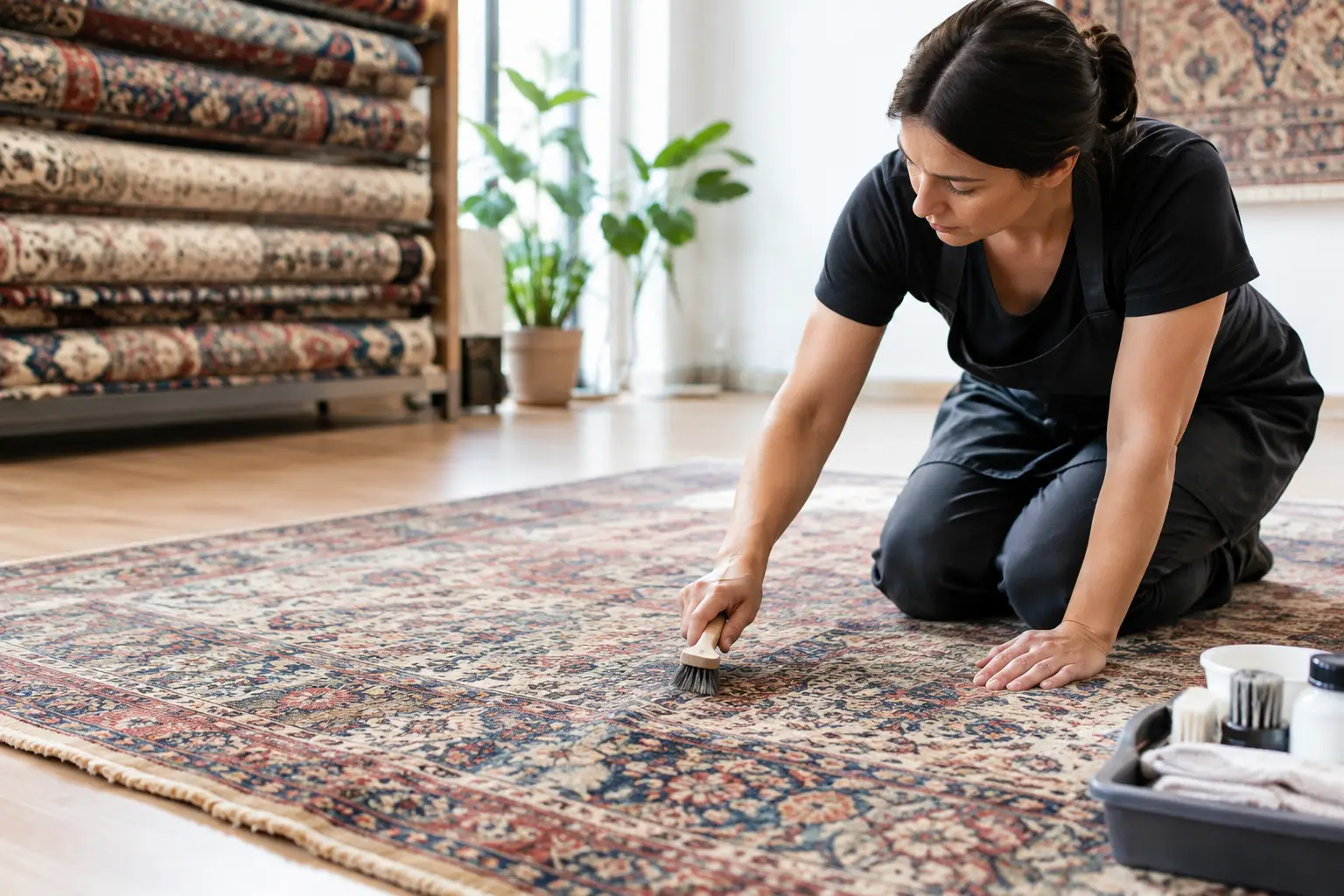
Marietta rug restoration can preserve color, texture, and history. Learn when repair makes sense and how thoughtful care protects a cherished rug at home.
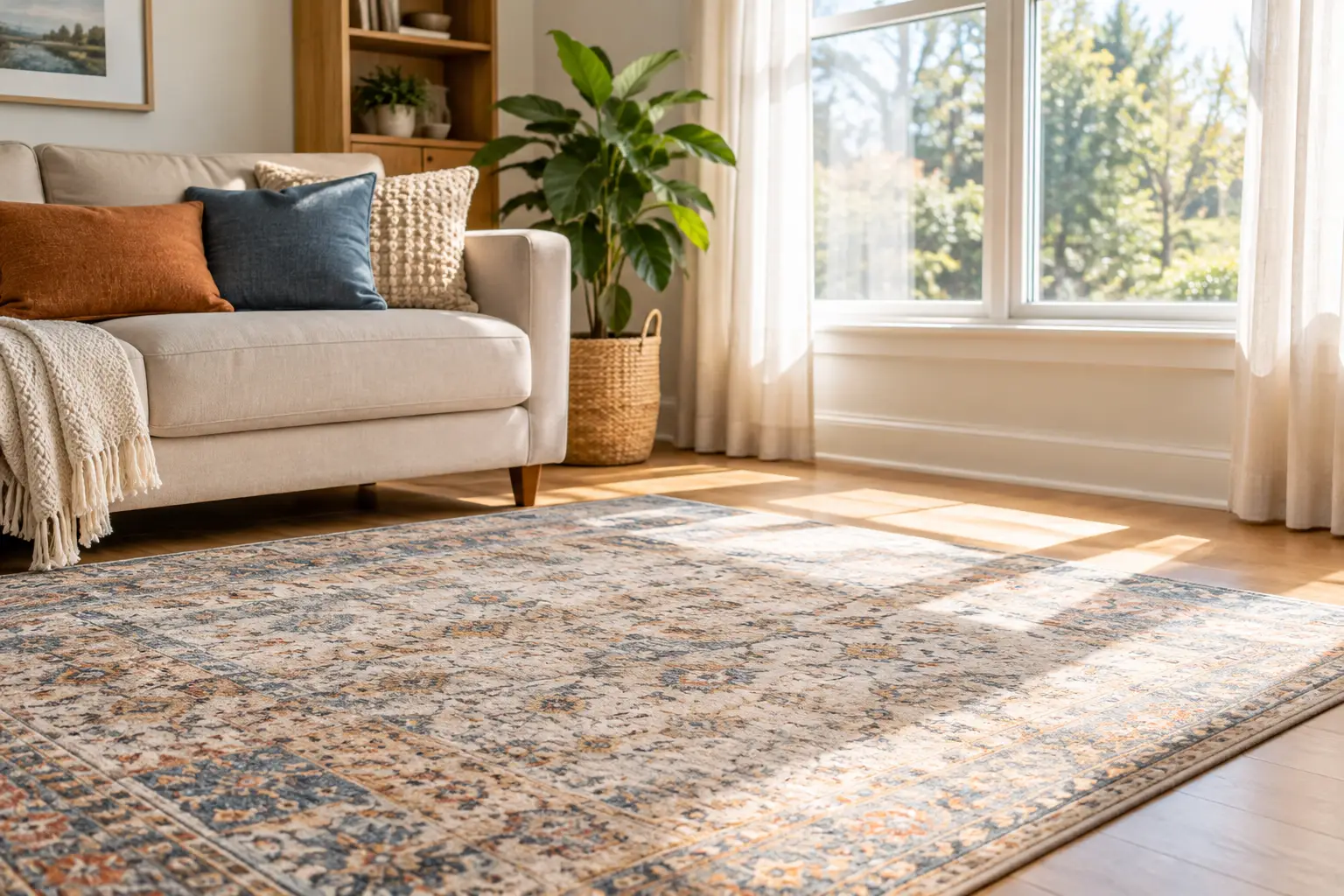
Learn how to protect rugs from sun fading with thoughtful window treatments, rotation, cleaning, and placement tips that preserve color and comfort daily.
From cozy area rugs to statement-making wall décor, our curated categories make it easy to explore what speaks to your space. Whether you’re refreshing a single corner or reimagining your whole home, start here and discover pieces that bring it all together.