


How to Remove Pet Odors From Rugs Safely
Learn how to remove pet odors from rugs without harming color or fibers, plus when professional washing is the smarter choice for a fresh home that lasts.
A room can have the right rug, a well-shaped sofa, and beautiful color throughout, yet still feel slightly unfinished once the sun goes down. That is usually where the question of floor lamps versus table lamps begins. The choice is not only about where a lamp fits. It is about how a room feels, how light moves through it, and how comfortably you actually live in the space.
Lighting has a quiet influence on everything else in the room. It softens hard edges, highlights texture, and helps layered furnishings feel intentional rather than crowded. When you are deciding between a floor lamp and a table lamp, the best answer is rarely based on style alone. It depends on scale, function, and the kind of atmosphere you want to create.
The biggest difference between these two lighting choices is how they shape the room visually. A floor lamp adds height. It draws the eye upward and can make a seating area feel more complete, especially if the room lacks architectural detail or vertical balance. In spaces with lower furniture profiles, a floor lamp often provides the lift that keeps everything from feeling too horizontal.
A table lamp, on the other hand, works closer to eye level when seated. It creates a more intimate pool of light and tends to feel softer and more grounded. Because it sits on a console, side table, desk, or nightstand, it also becomes part of a styled surface. That means it contributes not just light, but shape, material, and visual weight.
This is where many homeowners get stuck. A floor lamp can solve a lighting need without requiring extra table space, which makes it especially useful in tighter rooms. A table lamp may offer a more finished decorative look, but it asks for furniture to support it. One is often more architectural. The other is often more layered and decorative.
Floor lamps are often the answer when a room needs function without added bulk. If you have a chair in a reading corner, a sectional with no room for side tables, or an open-concept area that needs definition, a floor lamp can do a great deal of work with a relatively small footprint.
They are especially helpful in living rooms where surface space is already doing enough. If your end tables are holding drinks, books, or decorative objects, adding a table lamp may make them feel crowded. A floor lamp frees that surface while still bringing in needed light. That balance matters in rooms meant to feel effortlessly styled rather than overly arranged.
Floor lamps also help in rooms that need more height variation. If your furniture sits low and your artwork or windows do not naturally pull the eye upward, a tall lamp can keep the room from feeling visually flat. Arc styles can extend light over a coffee table or sectional, while more vertical silhouettes bring a neat, tailored presence beside a chair or cabinet.
That said, not every floor lamp works in every room. A lamp with a wide base or oversized shade can overwhelm a smaller seating area. Some styles cast light broadly, which is useful for general ambiance, while others are more directional. It is worth thinking about whether you want the lamp to fill the room with glow or support one specific activity.
Table lamps shine when the goal is comfort, softness, and a more collected look. They are often the better choice in bedrooms, studies, and living rooms where layered lighting matters more than broad coverage. A good table lamp creates a warm circle of light that makes a room feel settled.
In a bedroom, table lamps are usually the more natural fit because they support daily routines. Reading before bed, winding down in softer light, and keeping surfaces symmetrical all favor the table lamp. In a living room, a pair of table lamps can make the entire space feel more balanced, especially when placed on matching end tables or a console behind a sofa.
There is also a styling advantage here. Because table lamps sit among books, trays, vases, and framed pieces, they become part of a vignette. The base material, shade shape, and overall scale all contribute to the room’s character. Ceramic, glass, metal, wood, or textured finishes each tell a slightly different story.
The limitation is practical. Table lamps need a surface, and that surface needs to be the right height. If the table is too tall or too small, the lamp can look awkward and feel less useful. A table lamp that is beautiful in a showroom may still be wrong for your room if the proportion is off.
In the living room, either option can work well, but the decision depends on your layout. If your seating arrangement includes end tables and you want a warm, layered glow, table lamps often make the space feel more finished. If your layout is tighter or your seating floats away from walls, a floor lamp may be the cleaner solution.
In bedrooms, table lamps usually lead because they support bedside function and create a calm, personal mood. Floor lamps can still work beautifully in a bedroom, especially near a reading chair or in a corner that feels underlit, but they are more often a supporting player there.
In home offices, it depends on how the room is used. A desk lamp typically handles task lighting, so a floor lamp or table lamp becomes ambient support. If the office includes a seating area, a floor lamp can make it feel more residential and less purely functional. If the room has built-ins or a credenza, a table lamp can soften the workspace and make it feel deeply personal.
Entryways and hallways often lean toward table lamps because they create a welcoming first impression. A lamp on a console immediately adds polish and warmth. In corners where there is no furniture, though, a slender floor lamp can be an elegant fix.
The most beautiful lamp still falls flat if the scale is wrong. This matters as much as the choice between floor lamps versus table lamps. In many homes, the issue is not the lamp type. It is that the lamp is too small for the furniture around it or too large for the surface supporting it.
A floor lamp should feel connected to the furniture beside it, not like an unrelated object placed at the edge of the room. If it stands next to a substantial sofa or oversized chair, it needs enough visual presence to hold its own. A delicate floor lamp may disappear in a room with heavier furnishings and richly textured rugs.
A table lamp should also relate to the table and the seating nearby. If it is too petite, it can look decorative but not useful. If it is too large, it can block sightlines and overwhelm the surface. Good proportion feels almost effortless when you see it, which is one reason in-person comparison is so valuable.
For many homes, the real answer is not floor lamps or table lamps. It is both, used with intention. Rooms tend to feel richer and more welcoming when light comes from multiple levels. A floor lamp can provide height and reach, while a table lamp brings intimacy and depth.
This kind of layering is what gives a room dimension at night. Instead of relying on one overhead fixture, you create a softer composition. Light lands on upholstery, highlights the pattern in a rug, and makes materials like linen, wood, and ceramic feel more alive.
If your room already feels close to finished but still lacks that last bit of warmth, adding one lamp type may help. If it still feels flat or one-dimensional, layering both is often what changes everything.
It is easy to fall for a lamp based on shape alone. A sculptural base or tailored shade can absolutely anchor a room, but the lamp still needs to serve the way you live. If you read in that chair every evening, decorative mood alone is not enough. If the lamp sits in a rarely used corner, visual impact may matter more than task performance.
The strongest rooms balance beauty and utility. A lamp should echo the home’s overall character, whether that leans classic, relaxed, transitional, or quietly modern. At the same time, it should support the rhythms of daily life.
At Home Rug Gallery, we often see how the right lighting helps tie everything together. A rug grounds the room, but lighting gives it atmosphere. When those pieces work together, the result feels polished, comfortable, and unmistakably personal.
If you are deciding between a floor lamp and a table lamp, start with how you want the room to feel at night. That answer tends to lead you to the right shape, the right scale, and the kind of light you will be glad to live with every day.
Learn how to remove pet odors from rugs without harming color or fibers, plus when professional washing is the smarter choice for a fresh home that lasts.
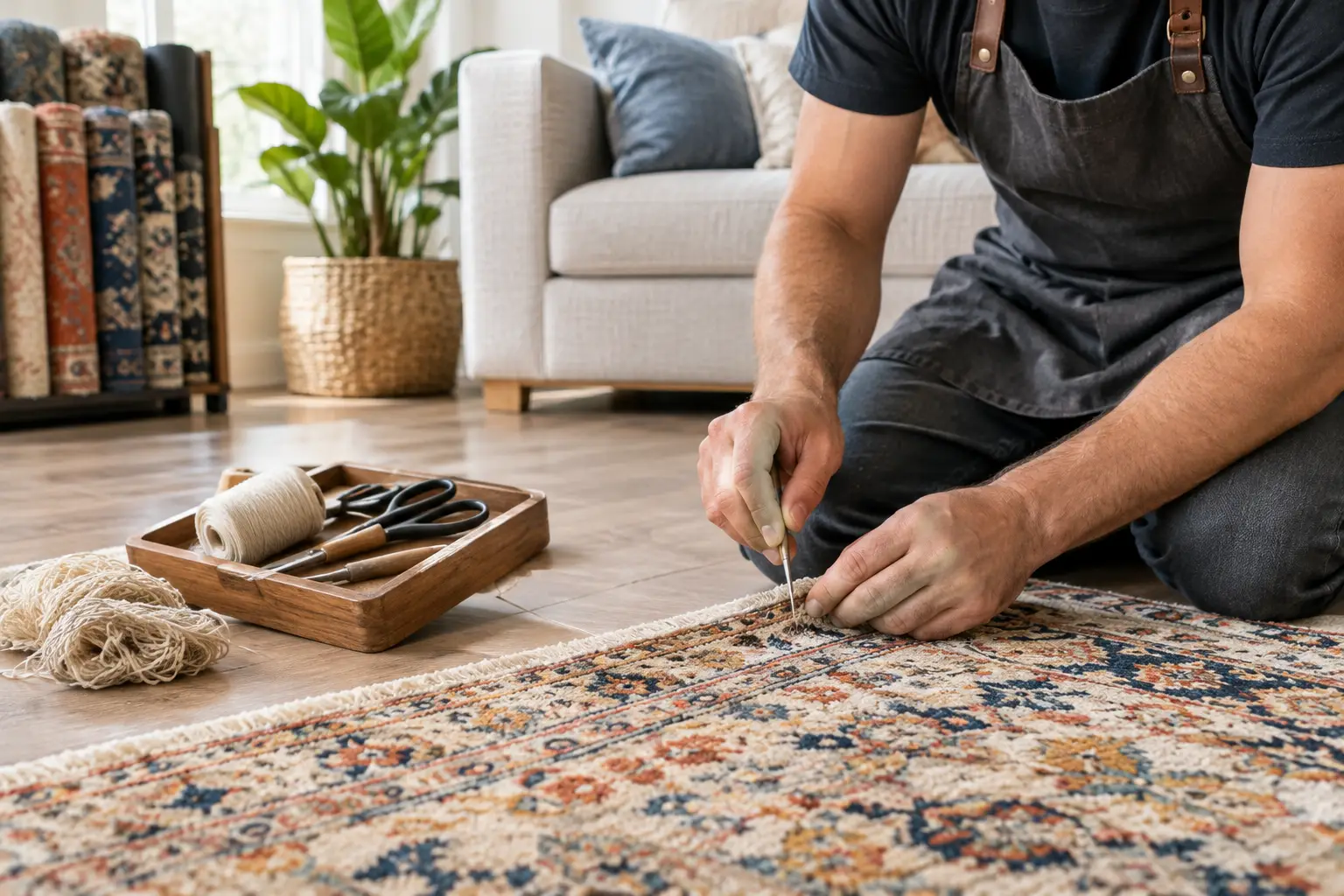
Use this Kennesaw rug repair guide to spot damage early, choose the right restoration, and protect the color, texture, and comfort of your favorite rug.

Marietta rug restoration can preserve color, texture, and history. Learn when repair makes sense and how thoughtful care protects a cherished rug at home.
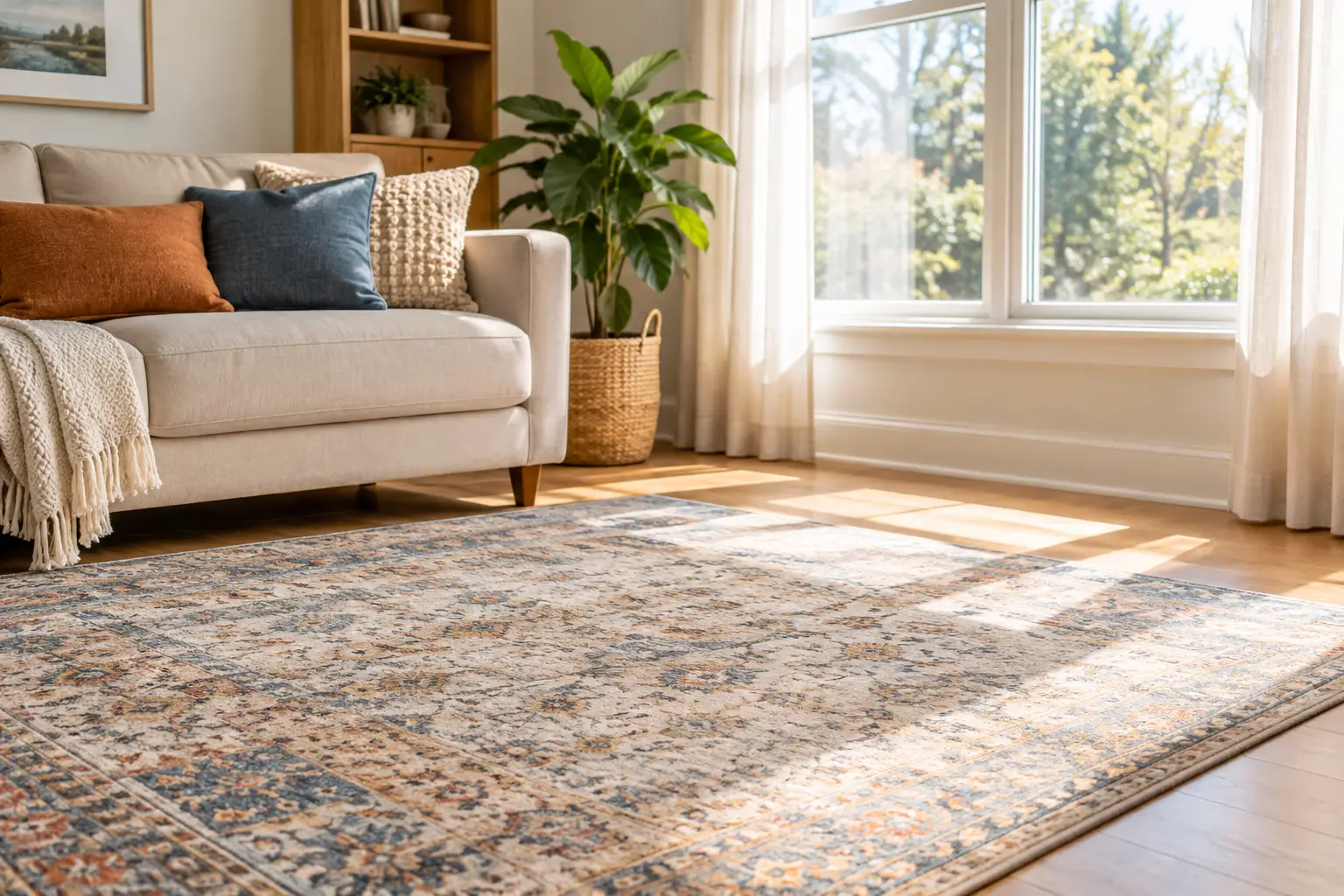
Learn how to protect rugs from sun fading with thoughtful window treatments, rotation, cleaning, and placement tips that preserve color and comfort daily.
From cozy area rugs to statement-making wall décor, our curated categories make it easy to explore what speaks to your space. Whether you’re refreshing a single corner or reimagining your whole home, start here and discover pieces that bring it all together.