

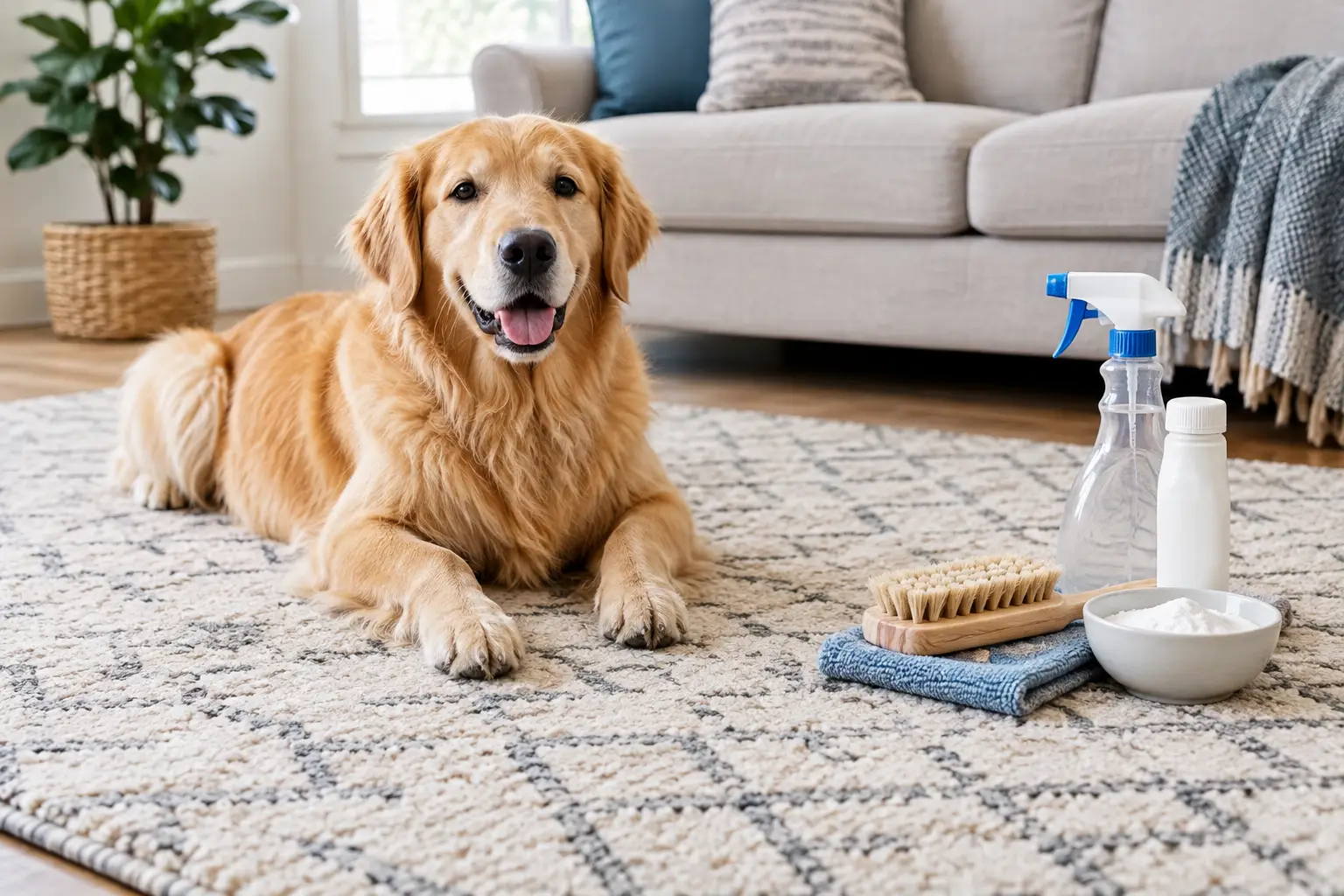
How to Remove Pet Odors From Rugs Safely
Learn how to remove pet odors from rugs without harming color or fibers, plus when professional washing is the smarter choice for a fresh home that lasts.
A living room rarely feels finished when only the large pieces are in place. The sofa may fit, the rug may anchor the room, and the lighting may be functional, but the space still needs the layers that make it feel settled. That is where home decor accessories for living room spaces matter most. They are the details that soften edges, add personality, and turn a room from usable into beautifully lived in.
The challenge, of course, is knowing which accessories actually improve a room and which ones create visual clutter. A well-styled living room does not need more things. It needs the right things, placed with intention.
Accessories are often treated like finishing touches, but they do far more than complete a look. They help distribute color, introduce texture, and create a sense of rhythm across the room. A pillow can echo the tones in a rug. A throw blanket can soften a structured sectional. A lamp can bring height to a corner that otherwise feels flat.
The best rooms feel cohesive because every layer speaks to the others. That is why accessories should not be chosen in isolation. If the rug has a traditional pattern with warm undertones, the pillows, art, and accent pieces should support that story rather than compete with it. If the room leans modern and clean, accessories should still add warmth, but in a quieter way.
This is also where homeowners often feel stuck. Online, every item can look appealing on its own. In a real room, scale, texture, and color relationships matter more than they do on a product page.
Before choosing accessories, look at the room’s foundation. The rug, sofa, chairs, wall color, and coffee table create the framework. Once those pieces are in place, accessories can build depth.
A common mistake is buying decorative objects first and trying to force them into a room later. The better approach is to identify what the space is missing. If the room feels cold, add softness through pillows, poufs, and throws. If it feels flat, bring in shape and height with lighting and sculptural accents. If it feels disconnected, repeat key colors from the rug or upholstery in smaller details around the room.
This approach keeps the room polished instead of overfilled. It also makes shopping feel more focused. You are not searching for random pretty pieces. You are selecting elements that solve a design problem.
Some accessories have more impact than others, especially in a living room where comfort and presentation need to coexist.
Few pieces change a room faster than pillows and throw blankets. They add color, pattern, and softness without requiring a major update. They are also practical, which matters in family homes and everyday spaces.
The key is balance. Too many pillows can make a sofa feel staged instead of welcoming. Too few can leave the seating area looking unfinished. In most rooms, a mix of solids and subtle patterns works better than trying to make every pillow a statement. If the rug is richly patterned, pull one or two colors from it and keep the pillow selection edited.
Throws are especially helpful in rooms that need warmth, visually and physically. A textured knit, soft fringe, or lightweight woven throw can make the room feel more inviting. Draped casually over an armchair or folded neatly on the sofa, it adds that effortless layer many rooms are missing.
Table lamps and floor lamps often do double duty in a living room. They provide necessary ambient light while also introducing shape, material, and a sense of finish. A ceramic lamp base, a linen shade, or a warm metallic detail can shift the room’s mood in a subtle but noticeable way.
Lighting is one of the most overlooked accessories because people tend to focus on overhead fixtures. But layered light makes a living room feel more comfortable in the evening and more refined throughout the day. If a side table feels empty, a lamp may be more effective than another decorative object.
Poufs are especially useful in living rooms because they bring flexibility. They can serve as casual seating, a footrest, or a soft accent that breaks up hard lines from tables and case goods. In rooms with children or frequent guests, that versatility matters.
They also contribute texture in a way that feels grounded. Leather, woven, or upholstered poufs can echo the materials already in the room while adding another layer of comfort. If a room feels too formal, this is often an easy fix.
Bowls, trays, vases, candles, and sculptural objects can absolutely add polish, but they work best when grouped thoughtfully. Scattering small items across every surface tends to create noise. A tray on the coffee table with a candle, a small stack of books, and one organic element such as greenery usually feels more composed.
Scale matters here. A tiny object on a large coffee table can look lost. A grouping that is too tall can block sightlines across the room. The sweet spot is usually a mix of heights and shapes that adds interest without interrupting function.
The difference between a curated room and a cluttered one often comes down to repetition and restraint. Repetition creates connection. Restraint creates calm.
If you introduce a warm bronze finish in a lamp, consider repeating that tone in a tray or candlestick. If your rug includes soft blue and sand tones, let those colors appear again in pillows or artwork. This does not mean matching everything exactly. It means allowing the eye to move through the room without abrupt stops.
Restraint matters just as much. Every corner does not need decor. Every table does not need an object. Leaving some negative space helps the room breathe and makes the accessories you do choose feel more intentional.
A living room should feel deeply personal, not like a collection of trend-driven purchases. That is why it helps to identify the room’s style direction before layering in accessories.
In a traditional room, accessories often work best when they have a sense of history or softness – classic patterns, tailored pillows, warm lamps, and richly textured rugs. In a modern room, cleaner shapes and fewer, more sculptural accents may feel right. In a transitional room, which is where many homes naturally land, the balance is somewhere in between.
There is always some give and take. A very sleek room may need one softer, more organic piece to avoid feeling cold. A heavily layered room may need editing so its beauty can actually be seen. Good styling is rarely about following rules perfectly. It is about understanding what the room needs more of and what it needs less of.
Accessories are tactile by nature. Texture, finish, scale, and color shift dramatically in person. A pillow that looks warm online may read too cool beside your rug. A lamp that seems substantial on a screen may feel undersized next to your sofa table.
That is why many homeowners still prefer a showroom experience when they are trying to bring a room together. Being able to compare materials, see true color, and get guidance on coordination makes the process far more confident. At Home Rug Gallery, that hands-on approach is especially valuable for customers who want the rug, pillows, lighting, and accents to feel connected rather than pieced together over time.
For homeowners in Woodstock and nearby communities, that local perspective can save time and prevent expensive mismatches. A room that feels effortlessly styled usually reflects thoughtful decisions made at close range, not rushed choices made in separate online carts.
The most beautiful living rooms are not necessarily the ones with the most accessories. They are the ones where each piece contributes something useful – softness, light, texture, color, or a sense of personality. When accessories support the room instead of competing for attention, the whole space feels calmer and more complete.
If your living room feels close but not quite there, the answer may not be another major furniture purchase. It may be a better pillow mix, a warmer lamp, a more grounded rug, or one well-placed accent that ties everything together. Small layers, chosen well, are often what make a room feel like home.
Learn how to remove pet odors from rugs without harming color or fibers, plus when professional washing is the smarter choice for a fresh home that lasts.
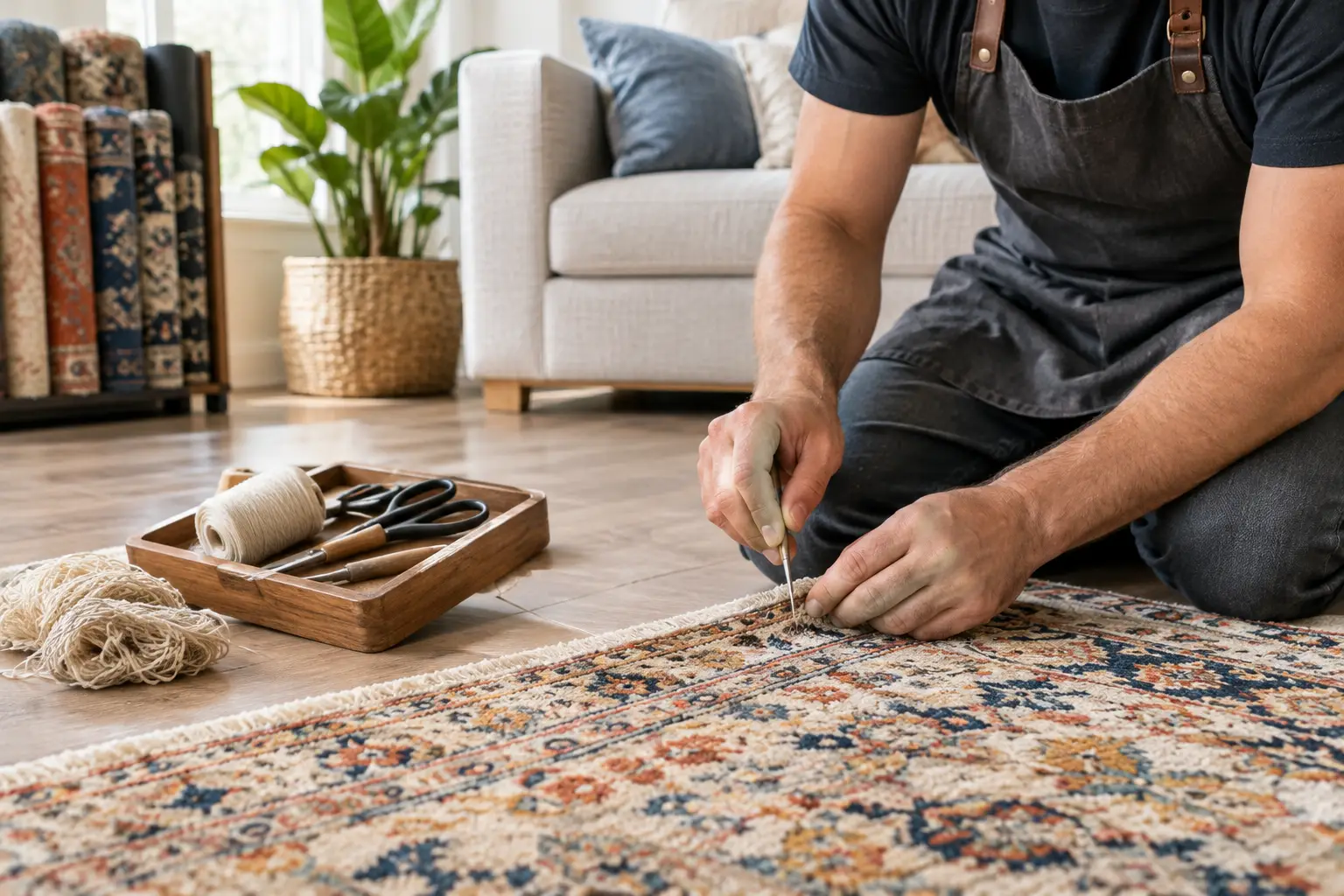
Use this Kennesaw rug repair guide to spot damage early, choose the right restoration, and protect the color, texture, and comfort of your favorite rug.
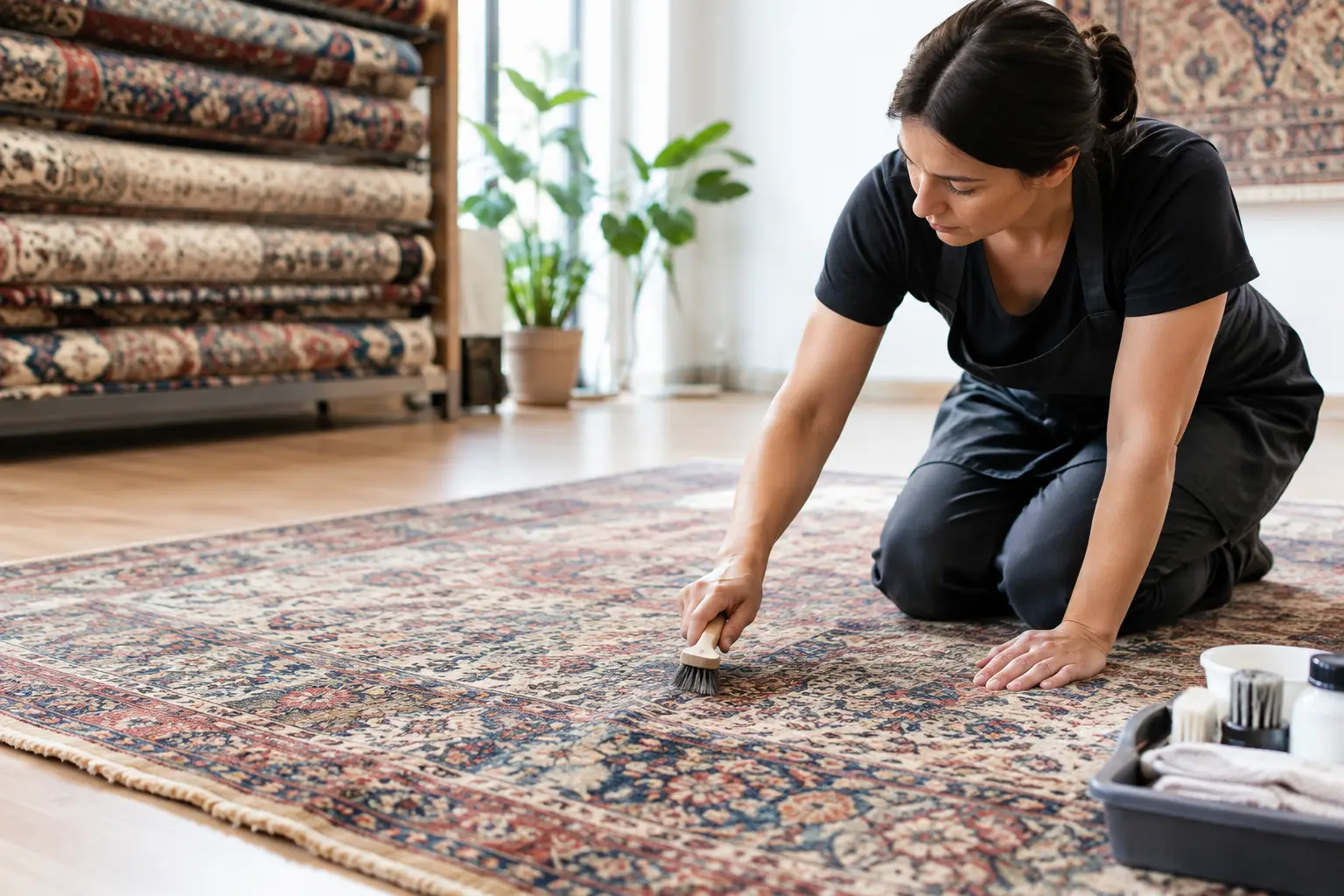
Marietta rug restoration can preserve color, texture, and history. Learn when repair makes sense and how thoughtful care protects a cherished rug at home.
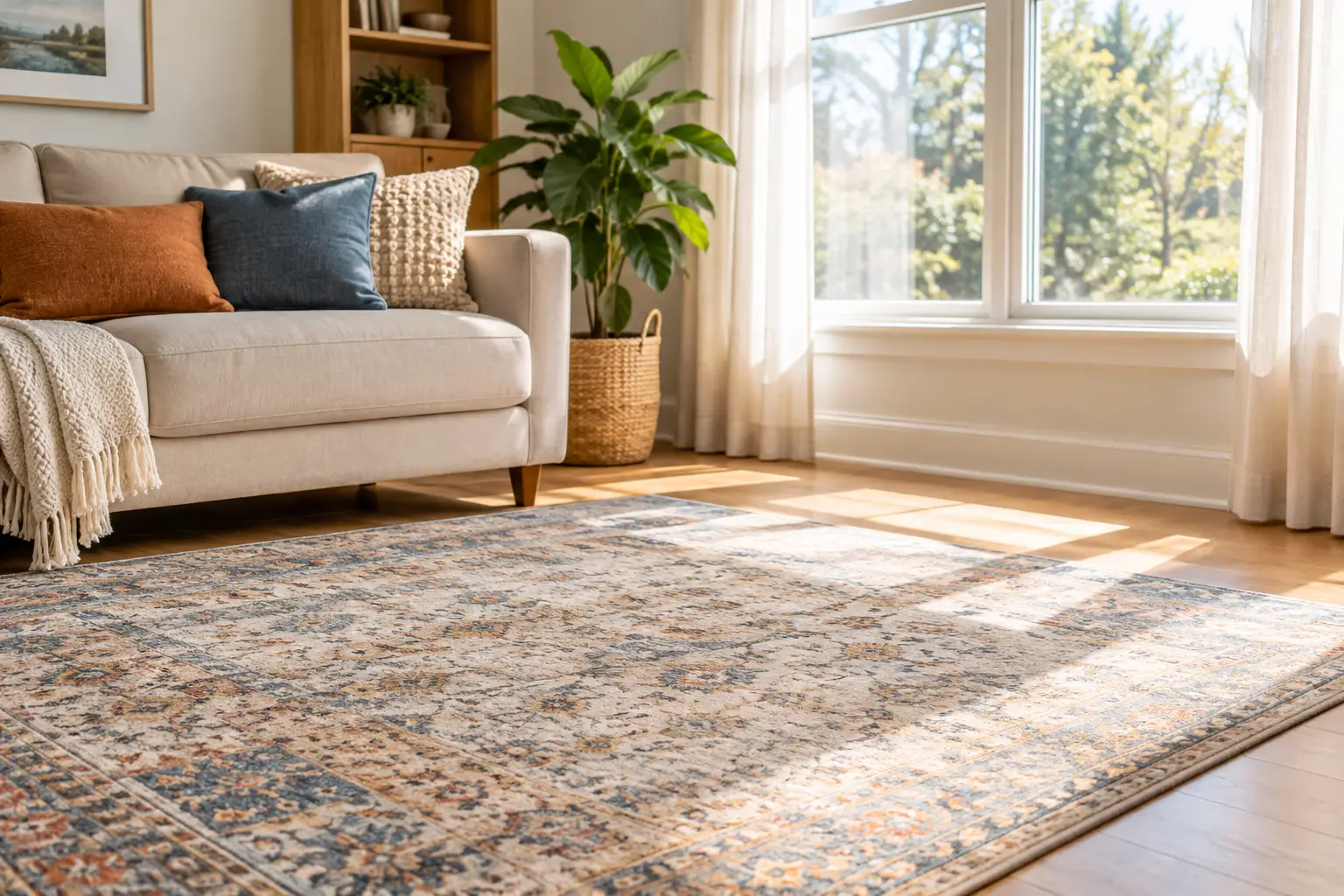
Learn how to protect rugs from sun fading with thoughtful window treatments, rotation, cleaning, and placement tips that preserve color and comfort daily.
From cozy area rugs to statement-making wall décor, our curated categories make it easy to explore what speaks to your space. Whether you’re refreshing a single corner or reimagining your whole home, start here and discover pieces that bring it all together.