


How to Remove Pet Odors From Rugs Safely
Learn how to remove pet odors from rugs without harming color or fibers, plus when professional washing is the smarter choice for a fresh home that lasts.
Walk into a thoughtfully designed home, and the difference is easy to feel before you can name it. A well-placed rug softens the room, anchors the furniture, and gives everything around it a sense of purpose. That is the role a home rug gallery can play in the design process – not simply offering pieces to purchase, but helping homeowners shape rooms that feel layered, comfortable, and deeply personal.
For many people, rugs are one of the hardest design choices to get right. Size can throw off the balance of a room. Color can compete with finishes instead of complementing them. Texture can either add warmth or make the space feel too busy. When rugs are chosen in isolation, the room often ends up looking almost finished rather than effortlessly styled. Seeing rugs alongside lighting, pillows, poufs, throws, and coordinating accents changes that experience entirely.
A true showroom experience is not about having more options for the sake of it. It is about having better context. When homeowners can compare scale, material, color variation, and pattern in person, they make decisions with more confidence and fewer compromises.
That matters because rugs are both visual and practical. A rug needs to look right under natural light and evening light. It needs to hold up to the way a family actually lives. It should support the mood of the room while still handling foot traffic, pets, entertaining, or everyday wear. Online images can suggest all of that, but they rarely tell the full story.
In a showroom, subtle distinctions become clearer. One ivory may read warm and inviting, while another feels too cool against wood flooring. A low-pile rug may be perfect for a dining room, while a softer, more textured option makes more sense in a bedroom or sitting area. These are small decisions, but they are often what separate a room that looks fine from one that feels finished.
The easiest way to build a cohesive room is often to start with the rug. That may sound backwards if you have already chosen paint, upholstery, or art, but the rug frequently becomes the piece that connects everything else.
A patterned rug can introduce movement and soften a room filled with clean-lined furniture. A neutral rug can quiet a space that already has strong architectural detail or bold accents. Rich texture can add depth to a palette that risks feeling flat. The point is not that one approach is better than another. It depends on the room, the way it is used, and the kind of atmosphere you want to create.
For homeowners aiming for quiet luxury, rugs with nuanced tones and refined texture often do more than a louder pattern. They create warmth without demanding attention. In more casual family spaces, a rug with variation in color or motif can be more forgiving and more relaxed. A formal room may call for definition and structure, while an everyday living room might benefit from softness and ease.
This is also where coordinating décor matters. A rug rarely works alone. Pillows can pull forward a secondary color in the pattern. Lighting can sharpen or soften the overall mood. Poufs and throws can make the room feel more inviting without adding clutter. When these pieces are chosen together, the result feels intentional instead of assembled over time without a clear direction.
One of the most common design mistakes is choosing a rug that is too small. It happens often because a smaller rug seems like the safer choice, but it usually makes the room feel disconnected. Furniture appears to float, and the space can look less polished than it really is.
In living rooms, the rug should usually relate to the main seating arrangement, not sit like an island in the middle. In dining rooms, the rug needs to extend beyond the table enough to accommodate chairs when they are pulled out. In bedrooms, placement matters just as much as size. A beautiful rug can still feel awkward if too little of it is visible around the bed.
This is one of the clearest advantages of working with a design-oriented showroom. Guidance on scale can save a homeowner from buying the right rug in the wrong size, which is often more frustrating than choosing the wrong pattern altogether.
Style matters, but so does lifestyle. A household with children and pets may need a different fiber or construction than a quieter home used mainly for entertaining. Hallways, entry areas, and family rooms ask more of a rug than a formal sitting room or guest bedroom.
That does not mean practical rugs have to look utilitarian. Some of the most inviting interiors combine elevated design with materials chosen for durability. A flatweave may make sense where doors need clearance or where easy maintenance is a priority. A denser pile can bring softness and comfort to spaces meant for rest. Natural fibers can add beautiful texture, though they may not suit every use case.
This is where trade-offs become important. The plushest option is not always the easiest to maintain. The most delicate construction may not be ideal in a high-traffic room. The best choice is usually the one that supports how the room is actually lived in, while still contributing to the overall look of the home.
A beautifully selected rug is not a one-season decision. It becomes part of the life of the home. Over time, even well-made rugs need attention, whether that means routine cleaning, expert care, or restoration after wear or damage.
This longer view matters more than many homeowners expect. A rug that has collected years of dust, spills, pet odor, or traffic patterns can slowly change the feel of an otherwise beautiful room. Professional cleaning helps preserve color, texture, and freshness. Repair and restoration can extend the life of rugs that still hold both design value and personal meaning.
That full-lifecycle support is one of the strongest reasons to shop with a specialist rather than treat rugs as a quick décor purchase. Guidance does not end once the rug is in the room. With the right care, a favorite piece can continue to ground the space for years.
Sometimes the right rug does not exist in a standard size or finish. Open-concept rooms, unusually shaped areas, layered seating plans, and specific color palettes can make ready-made options feel close but not quite right.
Custom rugs are especially useful when the room has strong design intent and the rug needs to meet it precisely. That may mean adjusting dimensions, refining the palette, or choosing a construction that supports a specific use. Custom is not about making a room feel precious. Often, it is simply the most practical route to getting proportion and harmony right.
For homeowners refining primary residences or second homes, that flexibility can make the entire room feel more resolved. Instead of adapting the room around a near match, the rug supports the vision from the beginning.
There is real value in seeing a room come together piece by piece, especially with guidance from people who understand both design and daily life. Home Rug Gallery serves homeowners who want more than a quick transaction. They want a room that feels collected, comfortable, and finished, whether they are updating one space or rethinking the tone of the entire home.
That kind of shopping experience is especially meaningful for homeowners in Canton, Woodstock, Acworth, and Kennesaw who want local support and the ability to compare pieces in person. Being able to see rugs, touch textures, evaluate scale, and coordinate accents in a showroom often shortens the decision process while improving the result.
A beautiful home is rarely built around a single statement piece. More often, it comes together through well-chosen layers that support how you want to live. The right rug can be the starting point, the unifying element, or the finishing touch – and when it is chosen with care, the whole room feels more settled, more welcoming, and more like home.
Learn how to remove pet odors from rugs without harming color or fibers, plus when professional washing is the smarter choice for a fresh home that lasts.
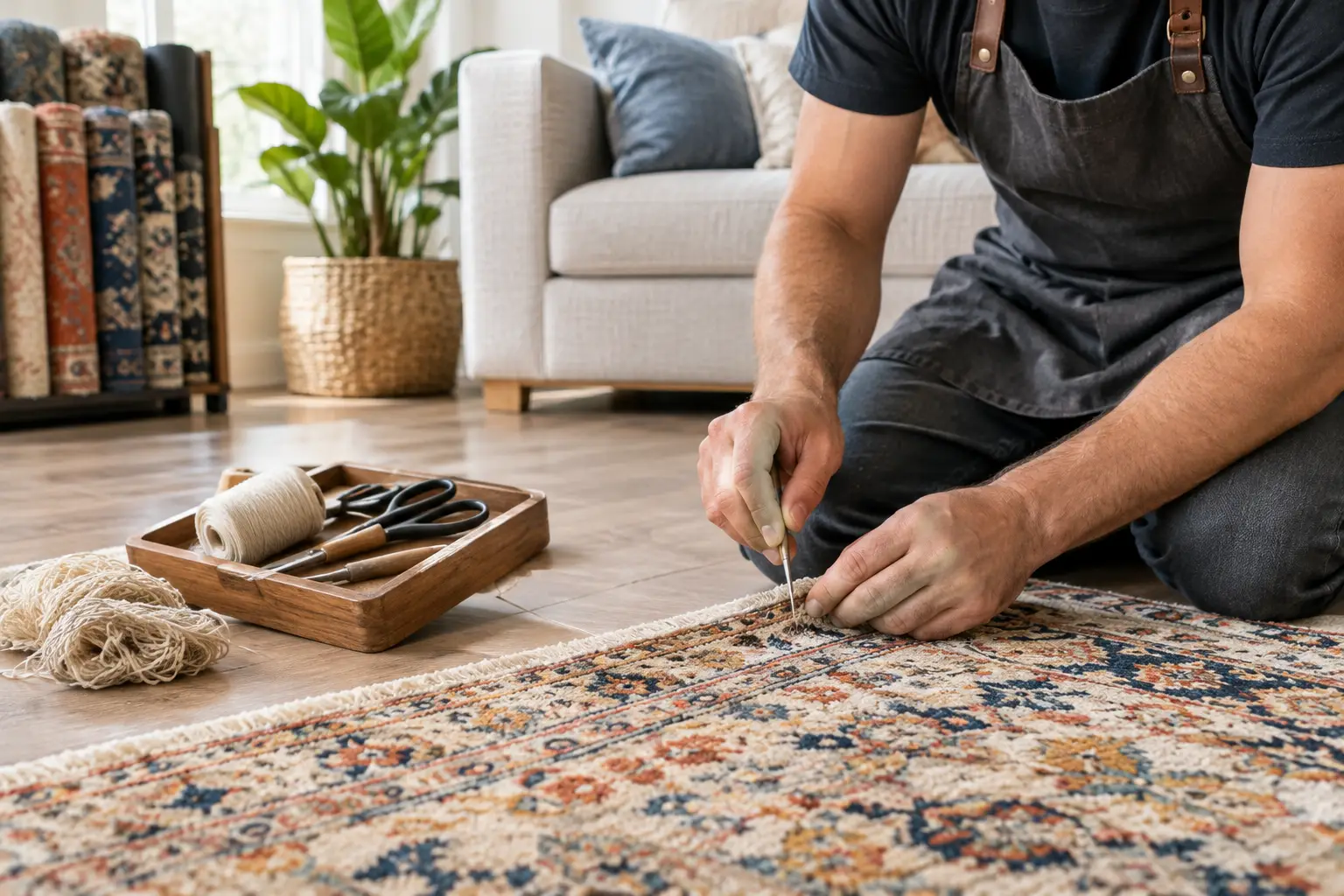
Use this Kennesaw rug repair guide to spot damage early, choose the right restoration, and protect the color, texture, and comfort of your favorite rug.
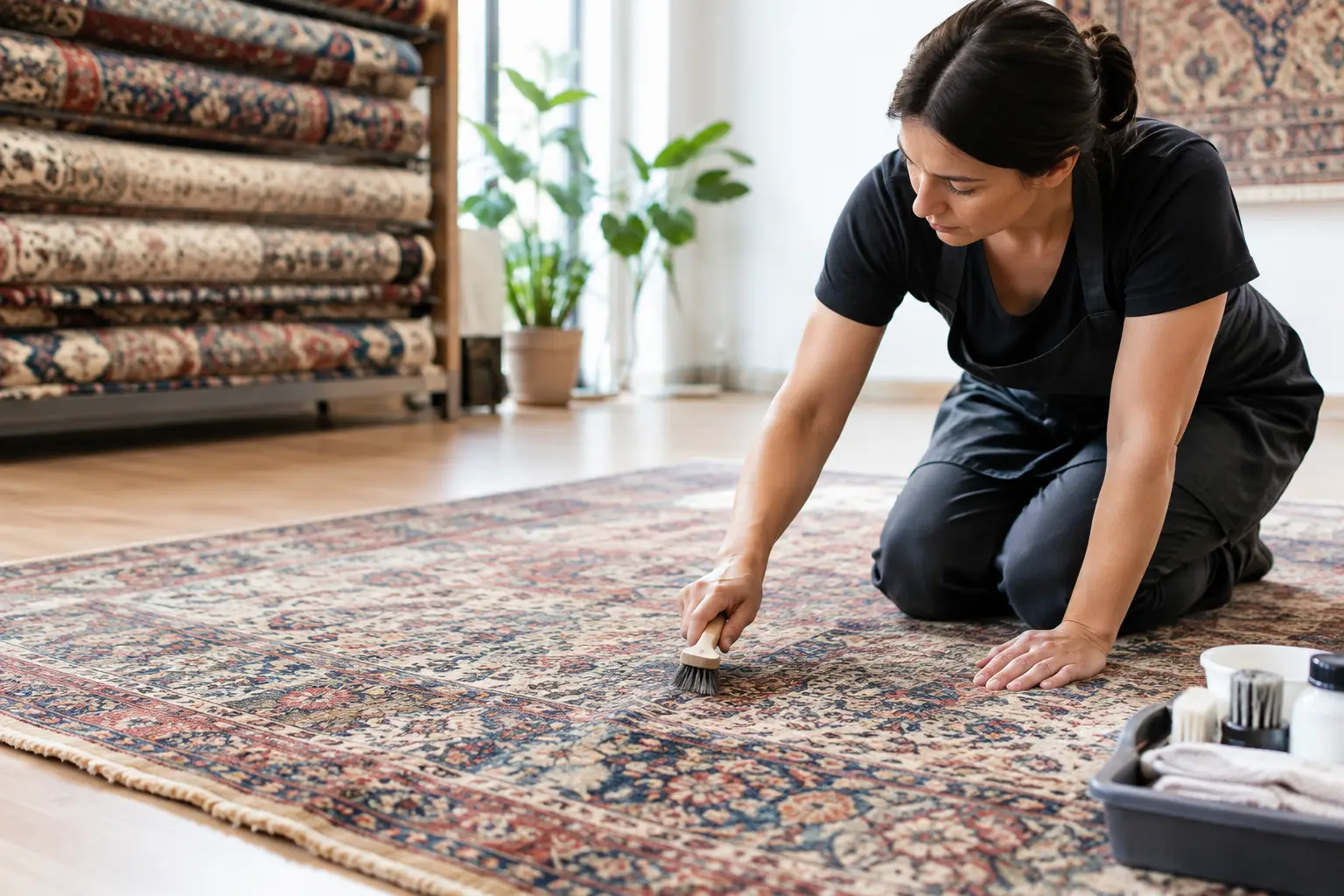
Marietta rug restoration can preserve color, texture, and history. Learn when repair makes sense and how thoughtful care protects a cherished rug at home.
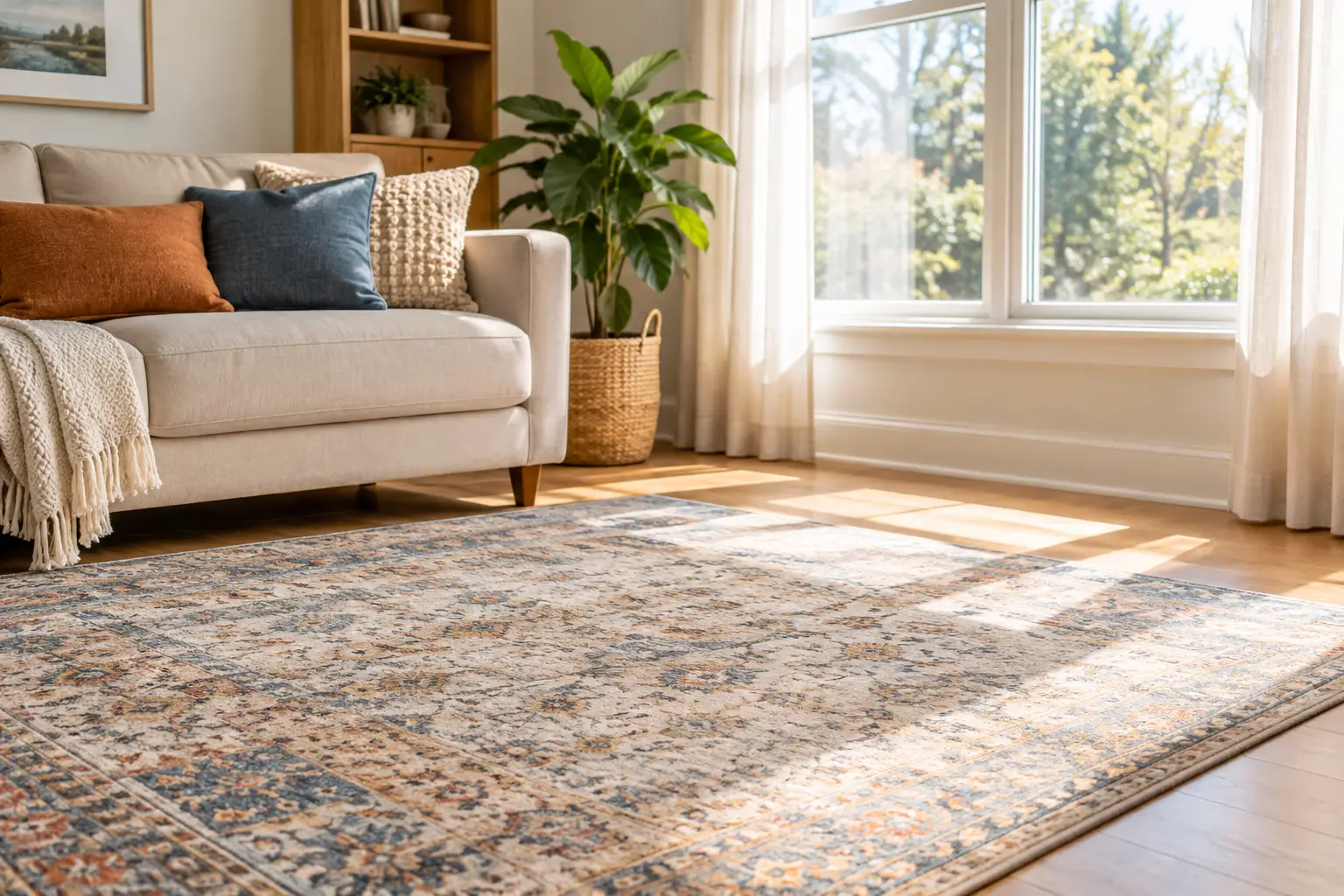
Learn how to protect rugs from sun fading with thoughtful window treatments, rotation, cleaning, and placement tips that preserve color and comfort daily.
From cozy area rugs to statement-making wall décor, our curated categories make it easy to explore what speaks to your space. Whether you’re refreshing a single corner or reimagining your whole home, start here and discover pieces that bring it all together.