

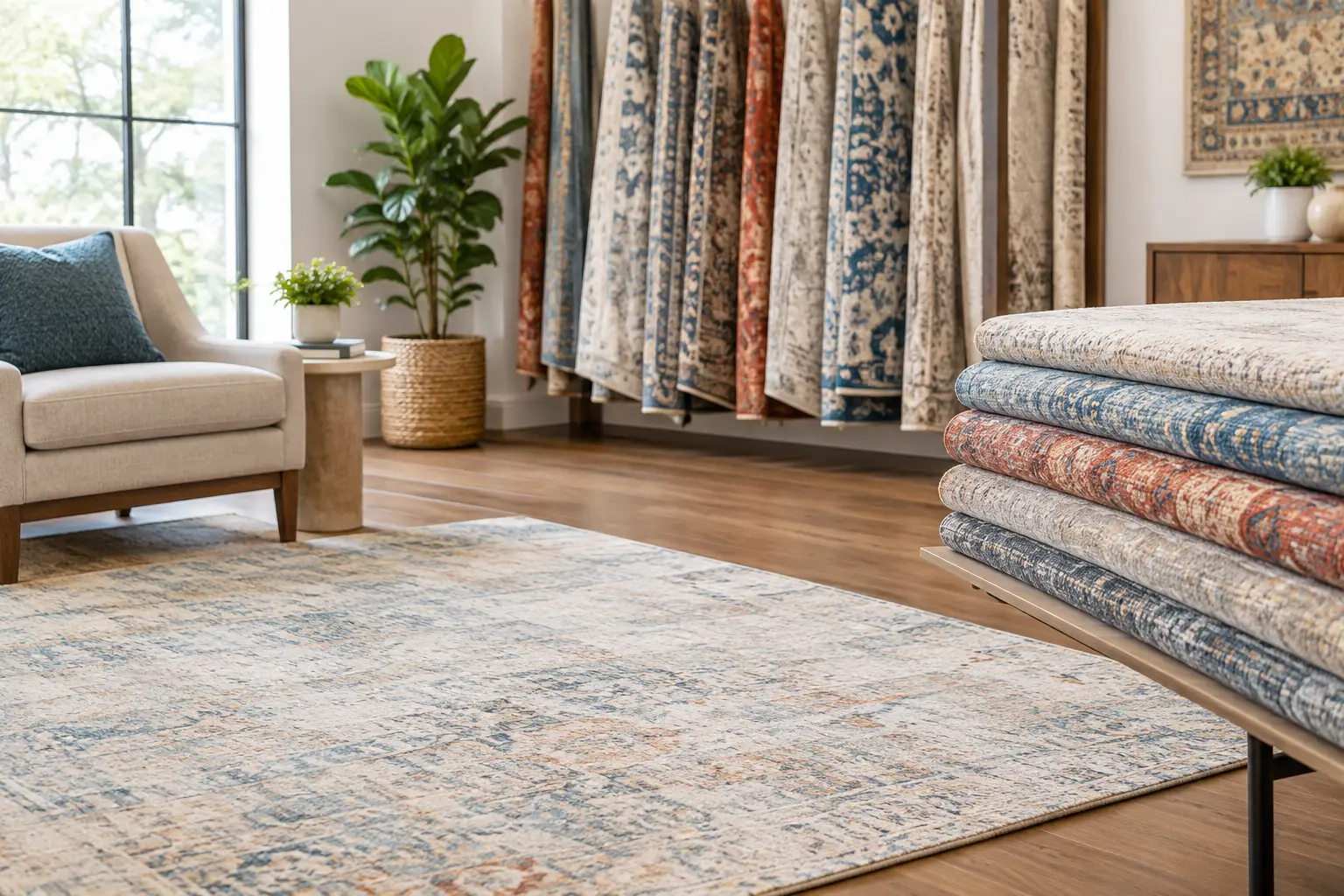
Home Rug Gallery Canton for Size, Color and Style
Visit Home Rug Gallery in Canton to get help choosing the right size, color, and style for your home, then create a room that feels polished and personal.
A rug can make a thoughtfully furnished room feel finished, or make it feel oddly disconnected even when every other piece is beautiful. At Home Rug Gallery in Canton, get help choosing the right size, color, and style for your home by looking beyond a single swatch or product photo. The best choice considers how you live, the scale of the room, the light throughout the day, and the feeling you want guests and family to have when they walk in.
A rug is often one of the largest design elements in a room. It grounds seating, softens hard surfaces, adds warmth underfoot, and gives color and texture a place to gather. Because it does so much visual work, selecting one in person can make all the difference. You can see how fibers catch the light, compare tones side by side, and consider a rug alongside pillows, lighting, and accessories that help the whole room feel intentionally styled.
The most common rug mistake is choosing one that is too small. A small rug can appear like an island in the middle of a living room, leaving furniture floating around its edges. A properly scaled rug creates a defined conversation area and makes the room feel more generous, composed, and comfortable.
In a living room, aim to have at least the front legs of sofas and chairs resting on the rug. In larger rooms, placing all furniture legs on the rug creates an especially tailored, quiet-luxury look. If your seating arrangement is compact, a rug that extends several inches beyond the sofa on each side usually gives the area the breathing room it needs.
Dining rooms require a different calculation. The rug should be large enough for chairs to stay on it when they are pulled back from the table. That means measuring the table at its fully extended size, then allowing room around every side. A rug that only fits beneath the table may look right when the chairs are tucked in but becomes frustrating the moment someone sits down.
For bedrooms, the rug should add softness where bare feet land. A large rug placed beneath the bed and extending beyond both sides can make a primary bedroom feel restful and complete. In a smaller bedroom, runners on each side of the bed or a rug at the foot may be the more practical choice. There is no single rule that suits every floor plan, which is why bringing room measurements to the showroom is so useful.
Wall-to-wall dimensions provide a starting point, but furniture dimensions tell the more important story. Measure your sofa, chairs, dining table, bed, and any piece that needs to sit within the rug’s visual boundary. If you are planning a renovation or waiting on furniture to arrive, painter’s tape can help you mark the rug size on the floor before you shop.
Also consider traffic paths. In a family room, a rug needs to support daily movement without creating a narrow route around the seating area. Near entryways, doors need enough clearance to open easily. A larger rug is often visually stronger, but the right size still has to work with the architecture and the way your household moves through the room.
Color is where personal style becomes visible, but it should not be treated as an isolated decision. The right rug can quietly connect a room’s wood tones, upholstery, artwork, window treatments, and accent pieces. It can also introduce a welcome contrast when a room needs more energy.
Begin by identifying what is staying. Your sofa, floors, cabinetry, and large artwork are usually the fixed elements. A rug does not have to match them exactly. In fact, an exact match can flatten the room. Instead, look for colors that repeat or complement what is already there. A rug with soft ivory, warm taupe, muted blue, or aged terracotta can bring several pieces into conversation without making the room feel overly coordinated.
For rooms with neutral furnishings, a patterned rug can provide depth and personality. The pattern might be traditional, geometric, abstract, or subtly tonal, depending on the architecture and your taste. If your upholstery is already expressive, a more restrained rug can give the room a calm foundation.
Light matters just as much as color. A rug that looks creamy and warm beneath showroom lighting may read differently beside cool natural light, dark floors, or a sun-filled window. Bringing photos of the room is helpful, but paint samples, cabinet finishes, and fabric swatches offer an even more reliable comparison. Seeing materials together gives you a better sense of whether a color feels harmonious, too yellow, too gray, or simply too busy.
A pale rug can be elegant and airy, particularly in a formal sitting room or a bedroom with lighter traffic. In a busy household, though, a rug with variation in color or pattern is often the more forgiving option. It can still feel refined while being better suited to pets, children, entertaining, and everyday living.
Dark rugs can add drama and anchor a bright room, but they may show lint or lighter pet hair. Highly textured rugs feel inviting and dimensional, though they can be less practical beneath dining chairs. There is always a balance between the look you love and the care a room realistically needs. The goal is not to choose the safest option. It is to choose an option you will enjoy living with.
A rug does not need to dictate the design of a room, but it can set its tone. Traditional motifs bring a sense of history and collected character. Contemporary designs can sharpen a clean-lined space. Natural fibers and subtle texture lend an organic, relaxed polish, while a plush pile makes a room feel especially cozy and layered.
The strongest interiors usually avoid treating style as a strict label. A classic patterned rug can look at home beneath a modern sofa. A contemporary abstract design can soften a room with traditional millwork. These combinations often feel more deeply personal than a space where every item comes from the same design category.
Texture deserves the same attention as pattern. In a room with leather seating, smooth wood, and clean walls, a textured rug can add warmth without introducing another bold color. In a room already full of woven shades, nubby upholstery, and detailed accessories, a lower-profile rug may create visual relief. The room needs contrast, but it also needs places for the eye to rest.
Shopping online can be useful for gathering ideas, but a screen cannot reliably show pile height, material softness, color variation, or the scale of a pattern. A rug that appears understated online may be much more dramatic in person. Another that seems neutral may have undertones that do not suit your floors or furnishings.
A local showroom experience gives you the opportunity to compare options at full scale and talk through the details that affect daily use. If you are refreshing one room, you can consider how it connects to nearby spaces. If you are furnishing a new home, you can build a more cohesive plan from the beginning with coordinating pillows, throws, lighting, and décor.
This is especially valuable when a rug has sentimental, functional, or long-term importance. Some rugs are selected for a seasonal refresh, while others are intended to become part of the home for years. Understanding materials, placement, and care needs from the start helps protect that investment and keeps the rug looking its best.
Before you visit, gather a few simple details: room measurements, furniture dimensions, photos taken in natural light, and any paint or fabric samples you can bring. Think about how the room is used most often. Is it the place where children play, where friends linger after dinner, where you begin each morning, or where you want to create a quieter retreat?
Those answers matter as much as a color preference. The right rug should feel beautiful on day one, but it should also make your home easier to enjoy. When size, color, texture, and style work together, the result is not merely a decorated room. It is a room that feels settled, welcoming, and unmistakably yours.
Visit Home Rug Gallery in Canton to get help choosing the right size, color, and style for your home, then create a room that feels polished and personal.
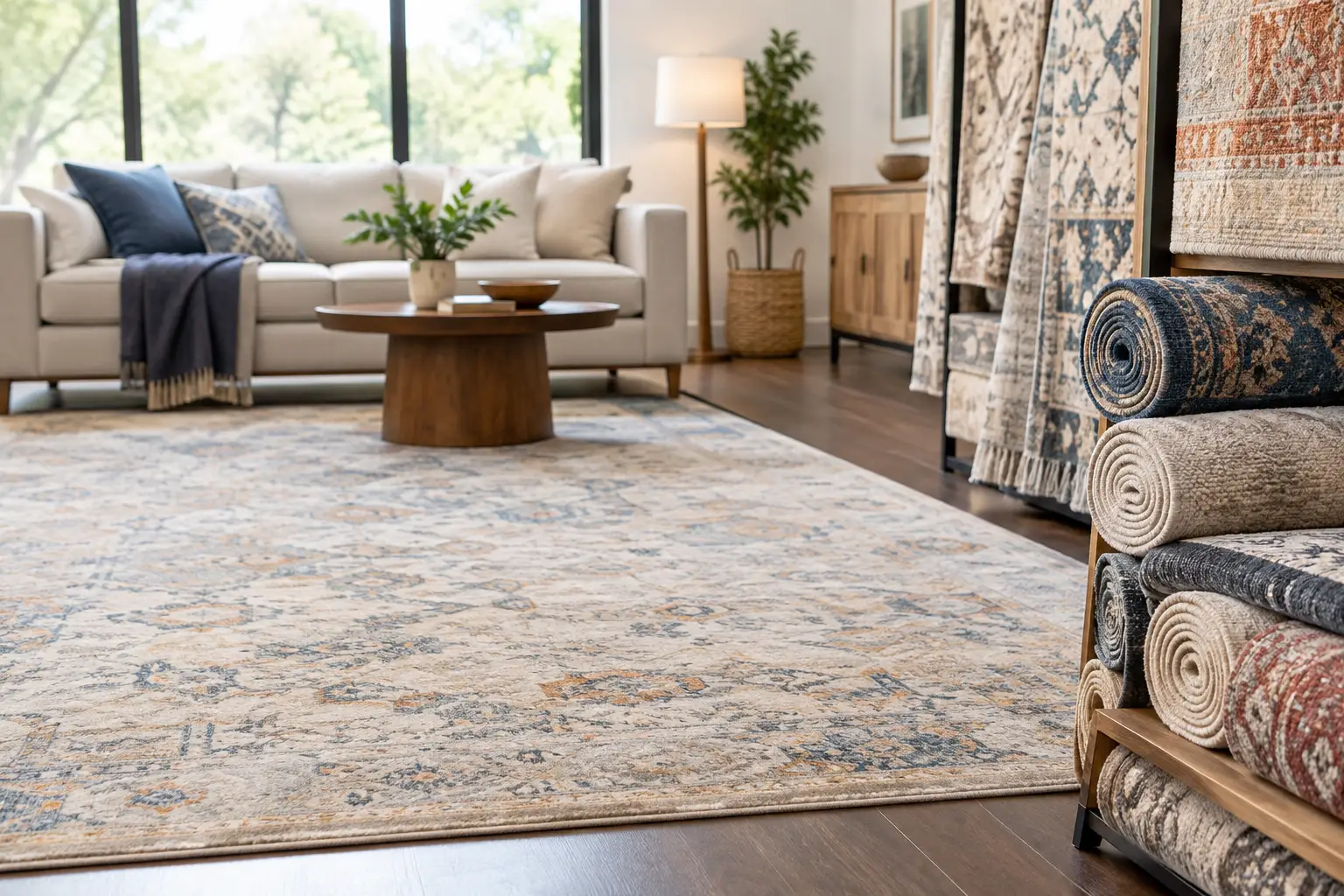
Looking for a rugs store Ball Ground GA homeowners can visit in person? Find room-right rugs, coordinated décor, and thoughtful local design guidance.
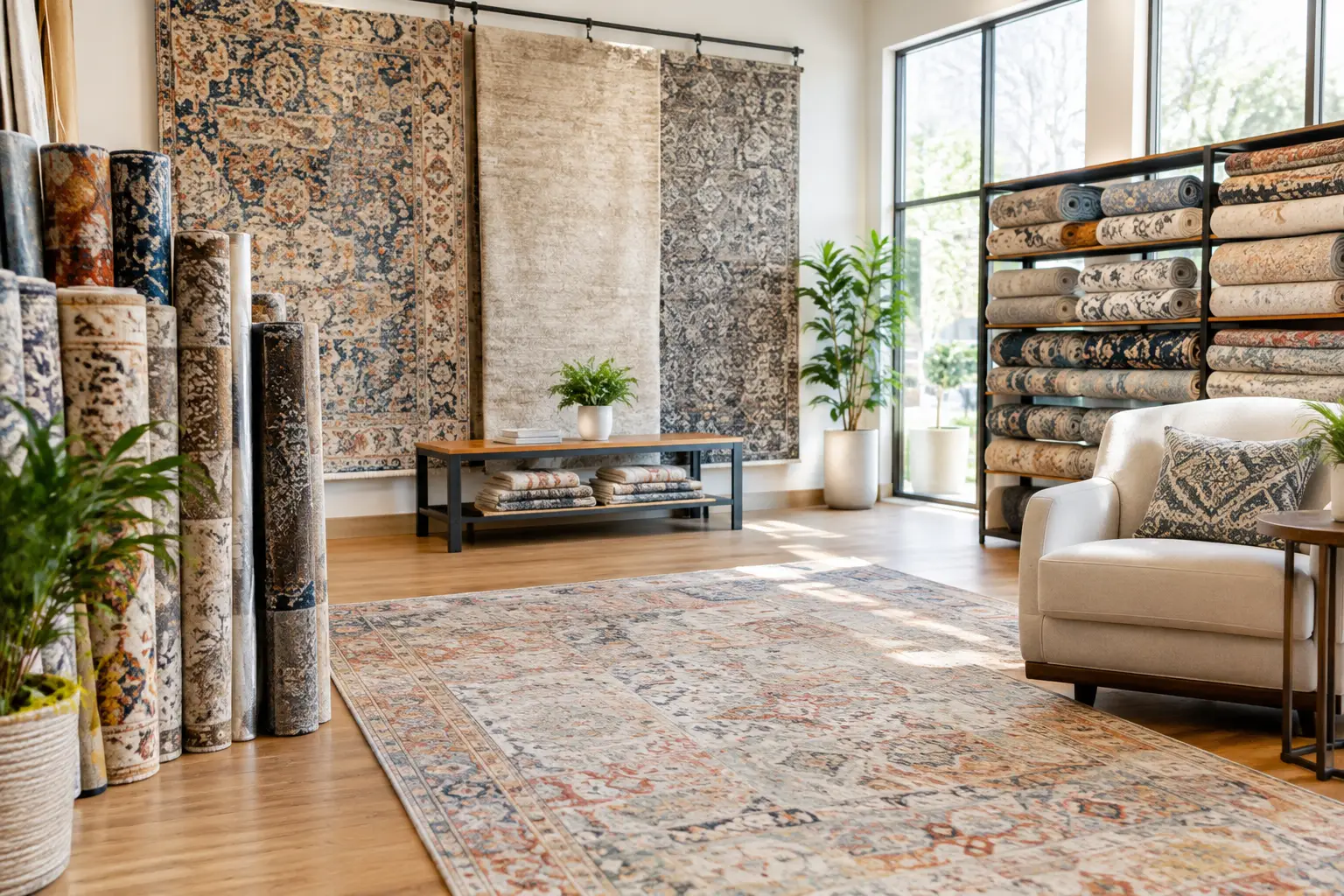
Looking for a rug store Holly Springs GA homeowners can trust? Learn how to choose size, material, and color with a showroom-first approach to design.
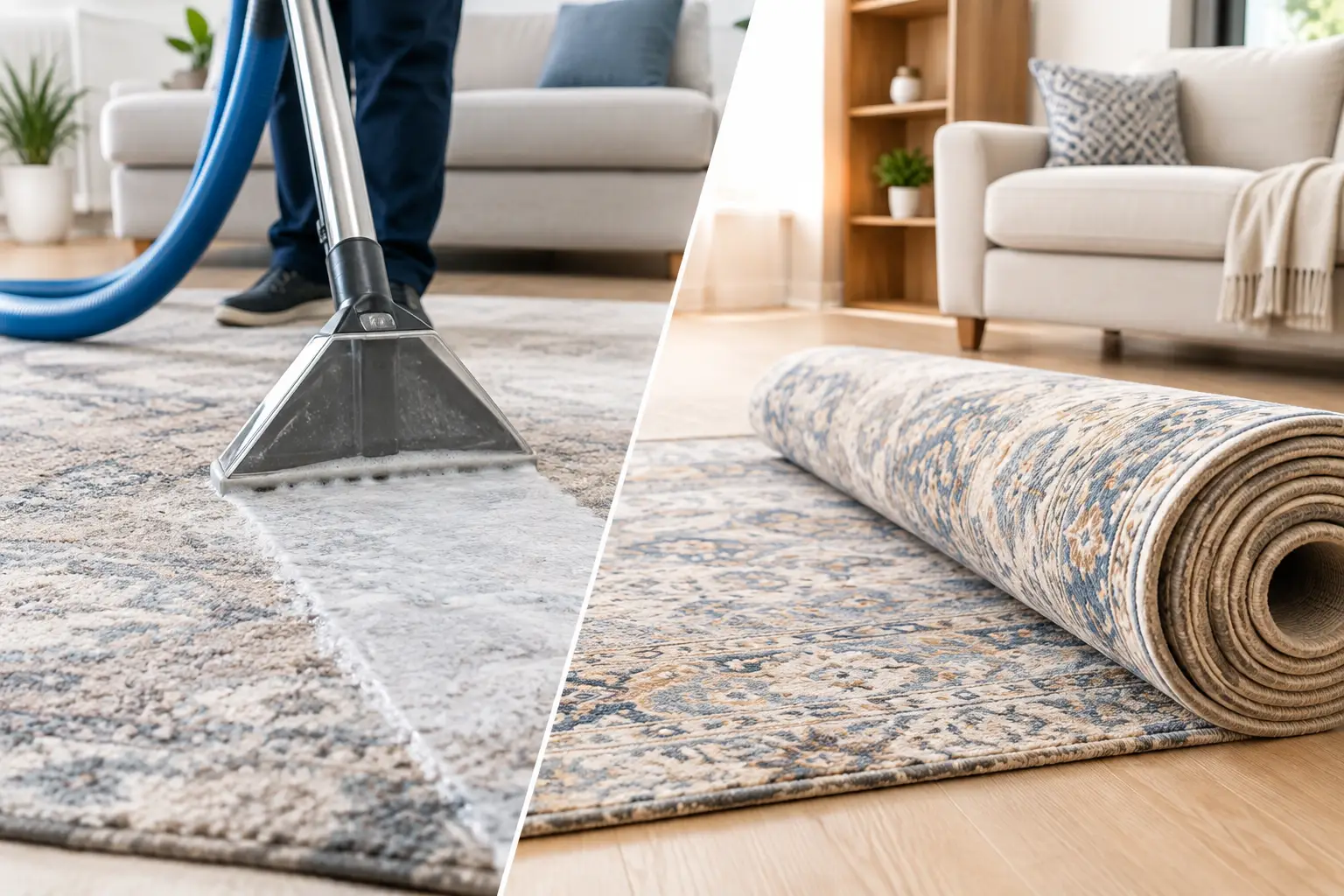
Rug cleaning vs. replacing your rug comes down to fiber, damage, style, and use. Learn which choice protects your home and its finished feel for years.
From cozy area rugs to statement-making wall décor, our curated categories make it easy to explore what speaks to your space. Whether you’re refreshing a single corner or reimagining your whole home, start here and discover pieces that bring it all together.