


How to Remove Pet Odors From Rugs Safely
Learn how to remove pet odors from rugs without harming color or fibers, plus when professional washing is the smarter choice for a fresh home that lasts.
A 9×12 rug is often the piece that makes a living room finally feel finished. It grounds the seating, softens hard flooring, adds color and texture, and gives a larger room the collected warmth that furniture alone cannot create. So, how much should a 9×12 rug cost? The honest answer is that the right investment depends less on one fixed number and more on what the rug is made of, how it is constructed, where it will live, and how long you want to enjoy it.
At this size, a rug is not a small accent purchase. It is a major visual surface in the room, and its quality tends to show. Understanding where value comes from helps you choose a piece that feels beautifully considered without paying for features that do not fit your home or lifestyle.
A well-chosen 9×12 rug should feel appropriate for the room, the traffic level, and the role it plays in your design. A relaxed family room with children, pets, and daily activity calls for a different construction than a formal sitting room or a quietly elegant primary bedroom. Neither choice is automatically better. The best value is the rug that performs well where you place it and still feels like you.
Think of rug pricing as a reflection of material, labor, design, and longevity. A machine-made synthetic rug can be a practical choice when easy care and everyday durability are top priorities. A wool rug may carry a higher investment because of its natural resilience, softness, and rich texture. Hand-knotted and handwoven rugs reflect substantial skilled workmanship, individual character, and often a longer useful life when properly cared for.
The goal is not simply to find the lowest possible price for a large rug. It is to avoid buying twice. A rug that looks thin, loses its shape quickly, or cannot handle the demands of the room may be less satisfying than a more thoughtfully made option that holds its place for years.
The fiber underfoot is one of the clearest reasons two rugs of the same size can be priced very differently. Wool remains a favorite for living rooms, dining rooms, and bedrooms because it has natural texture, warmth, and resilience. Its fibers can bounce back from furniture weight more gracefully than many alternatives, making it especially appealing in rooms designed for long-term comfort.
Synthetic fibers, including polypropylene and polyester, are often selected for their approachable care and performance. They can be an excellent fit for busy households, casual spaces, or homes where a softer budget needs to accommodate a large footprint. The trade-off is that they may not offer the same natural hand, depth of color, or long-term recovery as a quality wool rug.
Natural fibers such as jute, sisal, and seagrass bring organic texture and an effortlessly styled look. They are especially lovely when a room needs warmth without visual heaviness. However, they can feel more textured underfoot and may not be the first choice for every spill-prone or barefoot-focused space. Silk and silk-blend rugs offer luminous detail and softness, but they are generally best reserved for lower-traffic areas where their refined finish can be appreciated.
Construction is where the difference between decorative and enduring becomes especially clear. Machine-made rugs offer consistency, a wide range of patterns, and practical options for homes that need style without excessive fuss. They are often a smart starting point for large rooms, especially when you want to test a new color direction or refresh a space on a shorter timeline.
Hand-tufted rugs can provide a plush, substantial feel and detailed designs. Their longevity varies based on materials and finishing, so it is worth feeling the pile, looking at the backing, and asking how the rug is expected to wear in your room.
Handwoven flatweaves bring texture, flexibility, and a tailored, relaxed look. They can work beautifully in spaces where you want pattern without a thick pile, though a quality rug pad is especially helpful to provide cushioning and stability.
Hand-knotted rugs typically represent the highest level of craftsmanship. Each knot is tied by hand, creating a piece with remarkable detail, depth, and individuality. These rugs are often chosen as lasting furnishings rather than temporary décor, and their construction can make professional repair and restoration more viable over time.
A 9×12 rug covers 108 square feet. That is a meaningful amount of fiber, dye, weaving, and finishing, whether the design is understated or intricate. A minimal solid rug may use fewer colors and a simpler construction, while a detailed traditional, botanical, or geometric pattern can require more complex production.
This is why comparing rugs by size alone can be misleading. Two 9×12 pieces may look similar from across the room, but their density, pile, backing, edge finishing, and fiber quality can be entirely different. Seeing them in person makes those differences much easier to recognize.
The room should guide your priorities. In a living room, a 9×12 rug often works best when the front legs of the main seating rest on the rug, creating a connected conversation area. Because it sits under a large portion of the furniture, it needs enough visual presence and durability to support the entire arrangement.
In a dining room, this size is commonly chosen for a table that seats six to eight, allowing chairs to remain on the rug when pulled back. Here, low to medium pile and easy cleanup may matter more than an exceptionally plush texture. A dining rug should feel polished, but it also has to accommodate real meals and real gatherings.
In a bedroom, a 9×12 can create a soft border around a larger bed and deliver that first comfortable step in the morning. Since the traffic is usually gentler, you may have more freedom to prioritize softness, subtle pattern, or a lighter palette.
Before deciding what to spend, consider these practical questions: Will this rug receive daily traffic? Are pets, children, or frequent guests part of the picture? Does the room need a calm foundation or a statement-making pattern? Are you furnishing for the next few years, or choosing a piece you hope to keep for a decade or more? Your answers create a more useful budget than any generic rule.
A larger rug deserves extra consideration when it anchors the room you use most. In a main living area, investing in a stronger fiber, more comfortable pile, or more refined construction can change the entire feeling of the space. The rug becomes part of the home’s daily experience, not just a background element.
It can also be wise to invest when the design is intentionally timeless. A well-made neutral, a softly layered vintage-inspired pattern, or a quiet tonal texture can move with you through changing paint colors, pillows, and furniture. These rugs support a home that evolves rather than forcing a complete redesign every few years.
That said, not every room needs the same level of investment. A guest room, a temporary furnishing phase, or a space where you expect to change direction soon may call for a more flexible choice. Good design is not about treating every room identically. It is about spending thoughtfully according to how your home is actually lived in.
The rug itself is only part of the decision. A properly sized rug pad protects flooring, adds comfort, helps prevent shifting, and improves the way the rug lies beneath furniture. It can make a flatter weave feel more substantial and help preserve the rug’s structure over time.
Care matters, too. Regular vacuuming suited to the rug’s construction, prompt attention to spills, and professional cleaning when appropriate all protect the investment. If you choose a quality piece with sentimental or long-term value, professional repair and restoration can also help preserve it rather than replacing it prematurely.
For homeowners in Canton, Woodstock, Acworth, Kennesaw, and Marietta, an in-person visit to Home Rug Gallery offers a valuable advantage: you can feel the fibers, compare pile heights, see true color in changing light, and place options alongside coordinating pillows, lighting, and décor. A rug should not only look good in a product photo. It should feel right in the room where your life happens.
The most satisfying 9×12 rug is rarely the one chosen by price alone. It is the one that gives your room proportion, comfort, and a sense of quiet luxury every time you walk in. Bring your room measurements, a few photos, and an honest picture of how the space is used, then let the right combination of material, construction, and personal style lead the way.
Learn how to remove pet odors from rugs without harming color or fibers, plus when professional washing is the smarter choice for a fresh home that lasts.
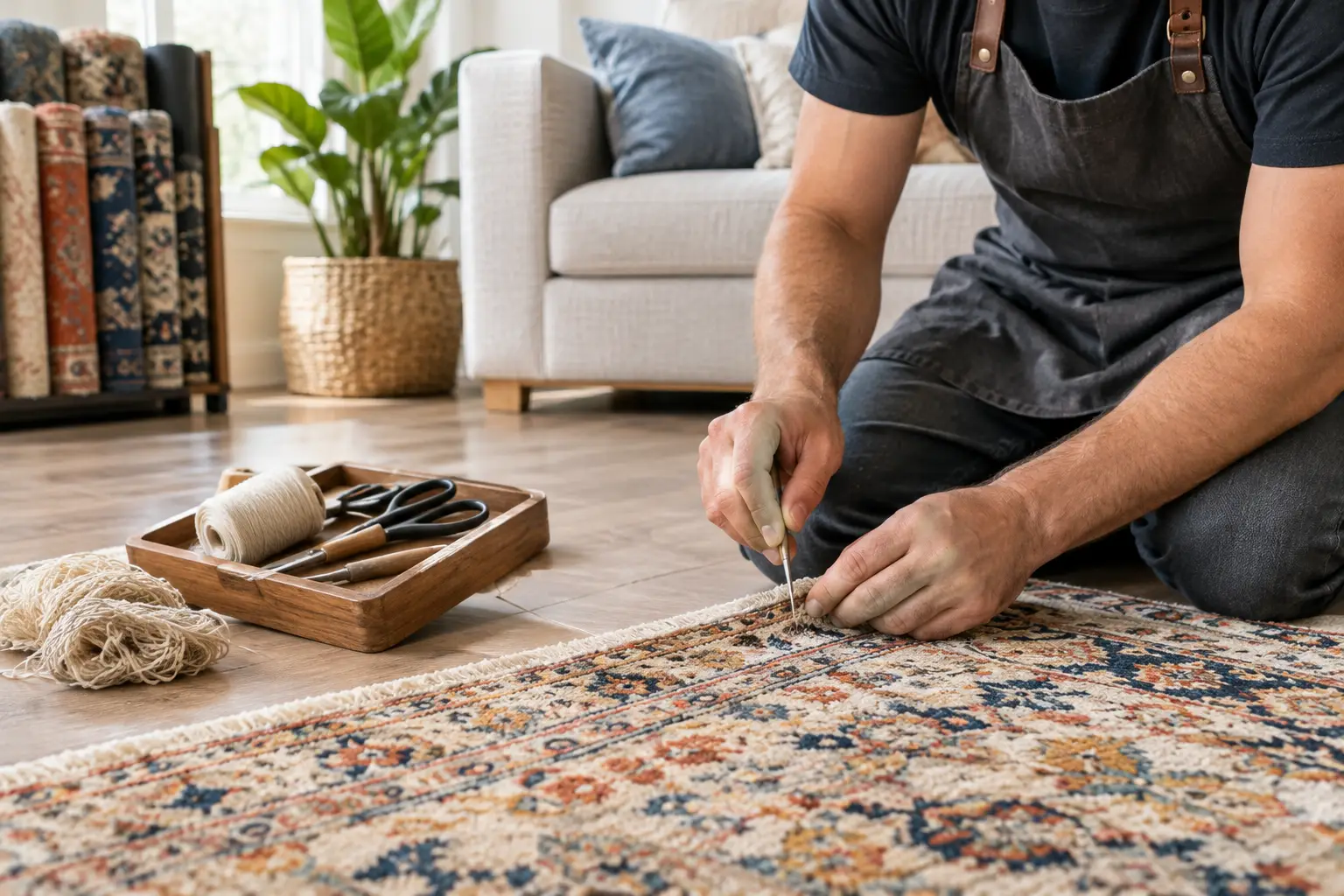
Use this Kennesaw rug repair guide to spot damage early, choose the right restoration, and protect the color, texture, and comfort of your favorite rug.
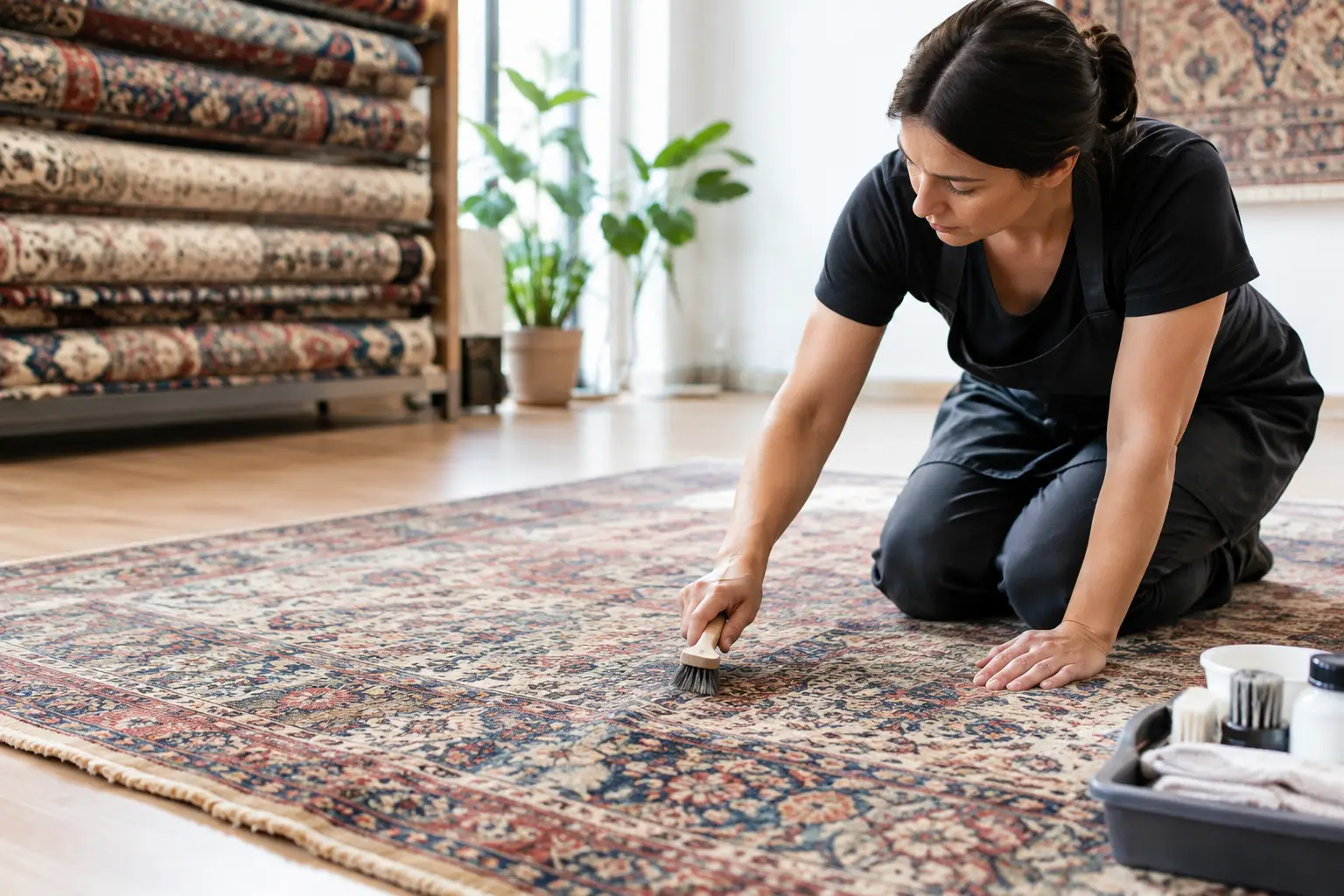
Marietta rug restoration can preserve color, texture, and history. Learn when repair makes sense and how thoughtful care protects a cherished rug at home.
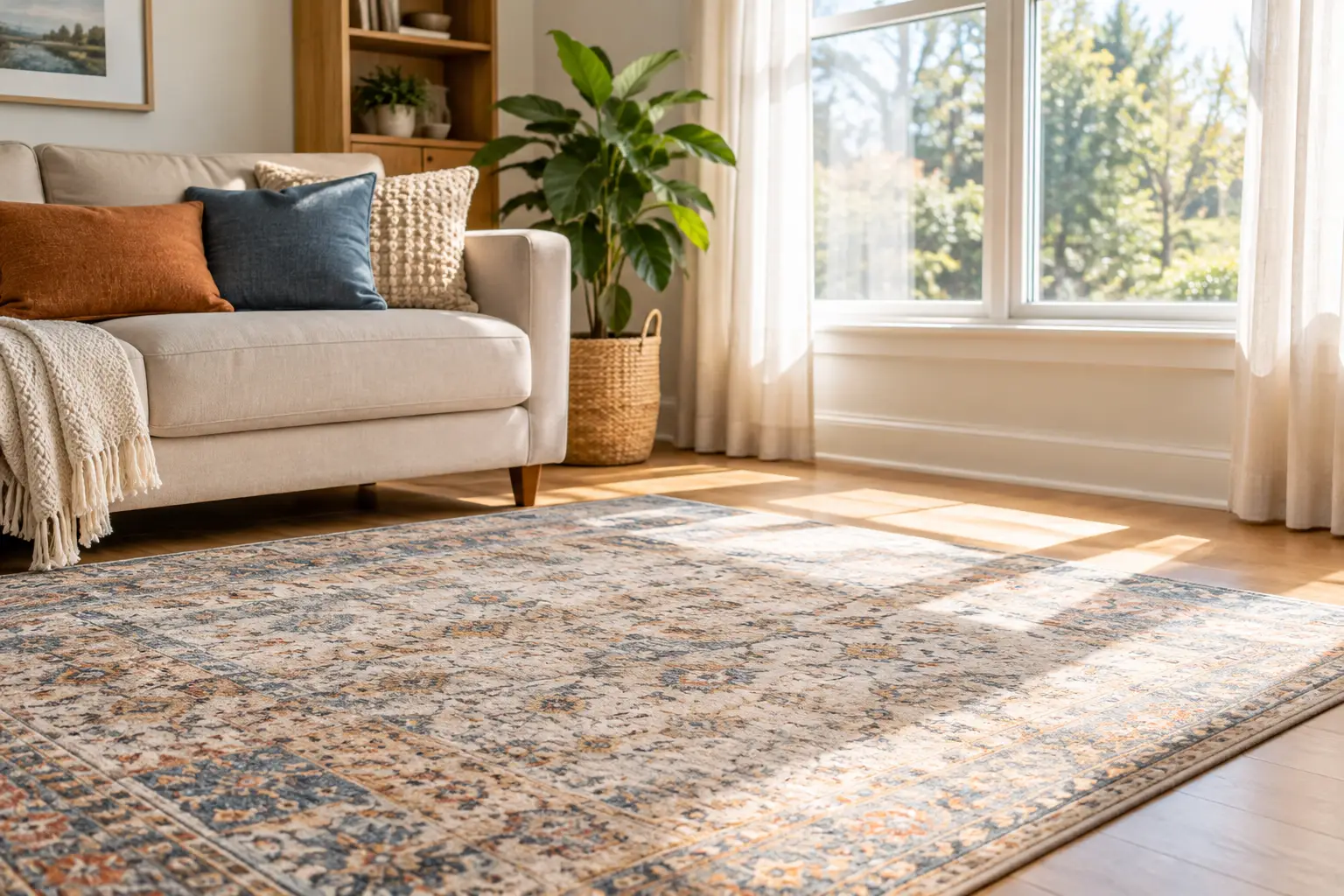
Learn how to protect rugs from sun fading with thoughtful window treatments, rotation, cleaning, and placement tips that preserve color and comfort daily.
From cozy area rugs to statement-making wall décor, our curated categories make it easy to explore what speaks to your space. Whether you’re refreshing a single corner or reimagining your whole home, start here and discover pieces that bring it all together.