

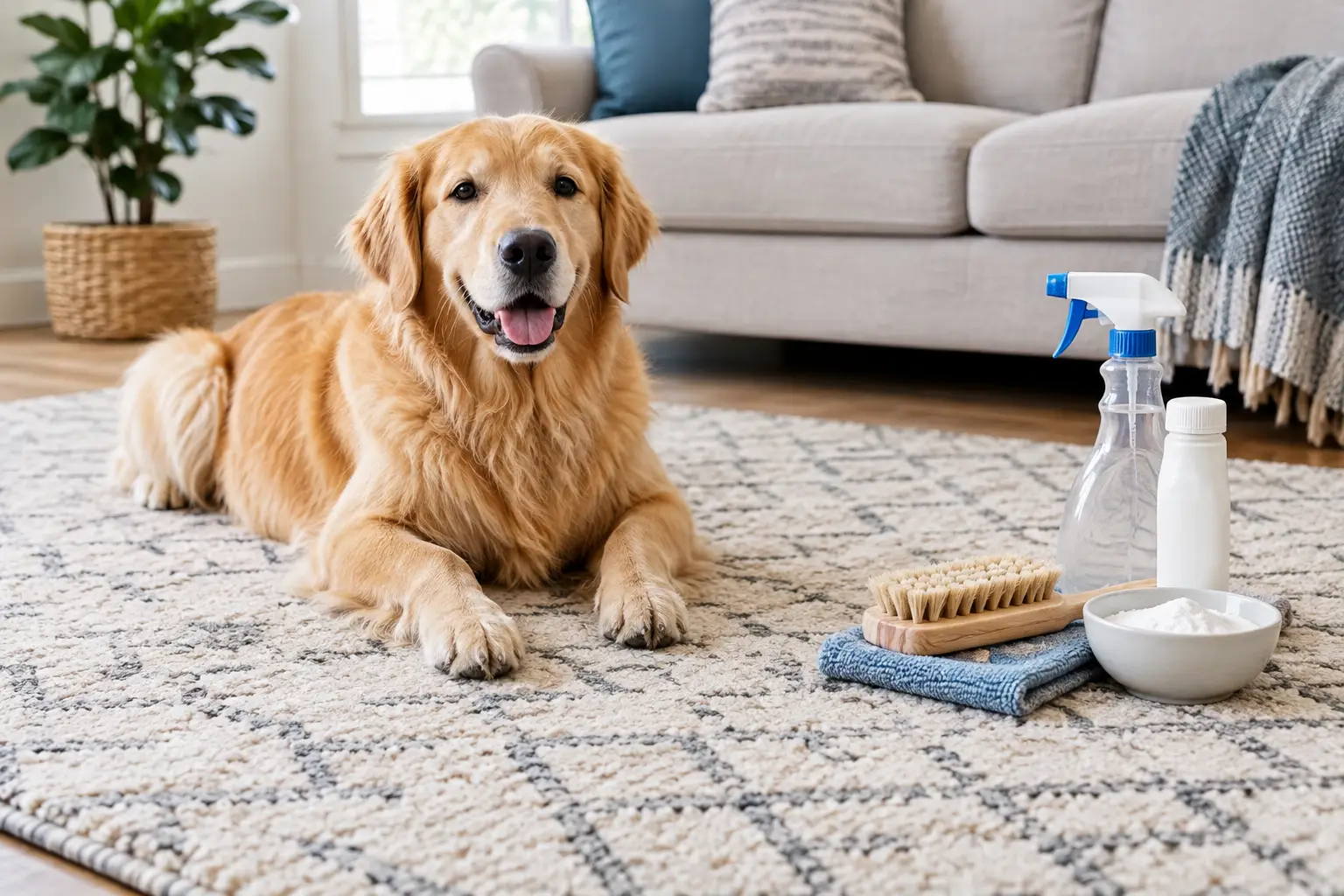
How to Remove Pet Odors From Rugs Safely
Learn how to remove pet odors from rugs without harming color or fibers, plus when professional washing is the smarter choice for a fresh home that lasts.
A room can have the right rug, a beautiful sofa, and thoughtful lighting – and still feel like it is missing something. Often, that missing layer is softness with purpose. If you have been wondering how to decorate with poufs, the answer is less about filling empty space and more about giving a room flexibility, texture, and a more finished point of view.
Poufs work because they do several jobs at once. They can stand in as extra seating, soften hard lines, introduce color or pattern, and make a room feel more collected. The key is using them with intention. A pouf should feel like it belongs to the room, not like an afterthought tucked into a corner.
The most successful rooms treat poufs as part of the layout, not as accessories added at the end. Start by deciding what role the pouf should play. In some spaces, it is a footrest that makes a seating area more inviting. In others, it acts as movable seating for guests or a soft sculptural piece that balances wood, metal, and upholstery.
Scale matters right away. A pouf that is too small can feel visually lost, especially in a room with a large sectional or oversized chairs. One that is too large can interrupt traffic flow and make the room feel crowded. In most living spaces, a pouf should feel substantial enough to hold its own but still easy to move when needed.
Placement is where many people get stuck. Rather than pushing a pouf against the wall, bring it into the conversation area. Position one in front of a chair, pair two beneath a console if you want flexible seating, or place one near the coffee table where it can shift as the room changes throughout the day. The best arrangement usually leaves enough breathing room around it so the pouf feels useful, not squeezed in.
Because poufs sit low to the ground, they naturally interact with the rug more than almost any other accent piece. That makes texture and color coordination especially important. If your rug carries a detailed pattern, a solid or subtly textured pouf often creates the right balance. If the rug is quiet and tonal, a pouf can be the layer that adds interest through stitching, woven detail, leather, or fringe.
This is also where contrast helps a room feel curated. A smooth leather pouf can sharpen a soft wool rug. A nubby fabric pouf can warm up a flatweave. If everything in the room has the same finish, the space can start to feel one-note. A few varied textures make it feel more thoughtful and more lived in.
Color should follow the room’s broader palette rather than match perfectly. Pull a secondary tone from the rug, drapery, or pillows instead of choosing the obvious main color. That approach usually feels more elevated. Exact matching can flatten the room, while coordinated variation gives it depth.
Living rooms are the most natural fit because poufs support the way people actually use the space. They are ideal in seating groups that need flexibility. If you entertain often, a pouf can become casual guest seating without making the room feel overfurnished every day. If your goal is comfort, placing a pouf near a lounge chair instantly makes that corner more inviting.
In family rooms, poufs often outperform more rigid accent furniture because they are easier to move and softer around children. That said, material matters. A highly delicate fabric may not be the best choice in a room with heavy daily use. This is one of those it-depends decisions. A beautiful ivory pouf may be perfect in a formal sitting room and less practical in a high-traffic family space.
Bedrooms benefit from poufs in a quieter way. One placed near a reading chair or at the foot of the bed can make the room feel layered without adding visual heaviness. In a primary bedroom, that small move often adds the sense of a completed retreat rather than simply a place to sleep.
Poufs also work well in bonus rooms, home offices, and dressing areas where you want comfort without committing to another large chair. They are especially useful in spaces that serve more than one purpose. A pouf can shift from decorative accent to practical seating in seconds.
Not every pouf belongs in every interior. Shape, material, and detailing all affect the mood.
A structured leather pouf tends to read a bit more tailored and grounded. It works well in spaces that lean classic, collected, or slightly rustic. Woven and fabric poufs usually feel softer and more relaxed, which suits casual living rooms, bedrooms, and homes where comfort is part of the design language. Patterned poufs can be striking, but they require a bit more restraint elsewhere so the room does not start competing with itself.
Round poufs soften rooms full of straight edges. If your furniture layout includes a rectangular rug, square coffee table, and clean-lined sofa, a round pouf introduces welcome contrast. Cube or square poufs feel a little more architectural and can make sense in transitional or contemporary spaces.
Think about the visual weight of the room too. If your furniture already has substantial presence, a lighter-looking pouf with visible texture may keep things from feeling too heavy. If the room feels airy and under-anchored, a denser material or darker tone can help ground it.
A polished room rarely relies on one statement piece. It feels complete because each layer supports the next. Poufs are especially good at finishing a room that already has the essentials but still feels slightly unfinished.
Try repeating a texture from elsewhere in the room in a quieter way. If your pillows have subtle woven detail, a textured pouf can echo that without repeating it exactly. If the room has warm wood and natural fibers, a pouf in a soft camel, oatmeal, or muted olive can continue that story while keeping the palette calm.
This is where restraint matters. One well-placed pouf can be enough. Two can look beautifully intentional if the room is large enough and the symmetry makes sense. Beyond that, the room can quickly feel over-accessorized. The goal is an effortlessly styled look, not a crowded floor plan.
Layering also means paying attention to height. Because poufs sit low, they pair best with pieces that create variation above them – a chair with a taller back, a side table, a floor lamp, or drapery that draws the eye upward. That mix of low and high elements gives the room movement.
The most common mistake is treating the pouf as purely decorative. If it cannot realistically be used where you place it, it may look nice but it will not improve the room. Function adds credibility to design.
Another mistake is ignoring proportion. A tiny pouf beside deep seating can look accidental, while an oversized one in a compact room may block circulation. Always think about the clear path through the room first.
Too much visual competition can also work against you. If the rug is bold, the pillows are patterned, and the pouf is heavily detailed, the room may lose its sense of calm. One or two focal moments are usually enough. The rest should support them.
Finally, do not forget touch. Poufs are inherently tactile pieces. Seeing them in person, especially alongside rugs and pillows, often makes the decision clearer. Texture, scale, and undertone are much easier to judge when you can compare materials in a real room setting.
The reason poufs remain so useful is simple: they make a room feel more human. They invite people to settle in, shift around, and actually use the space. When chosen with care, they bring in that last layer of comfort that turns a well-furnished room into one that feels deeply personal.
If you are refining a living room, softening a bedroom, or adding flexibility to a gathering space, a pouf can do more than fill an empty spot. It can connect the rug, seating, and accents into a room that feels balanced, warm, and quietly luxurious. Sometimes the finishing touch is not larger furniture at all. It is one versatile piece that makes everything around it feel more complete.
Learn how to remove pet odors from rugs without harming color or fibers, plus when professional washing is the smarter choice for a fresh home that lasts.
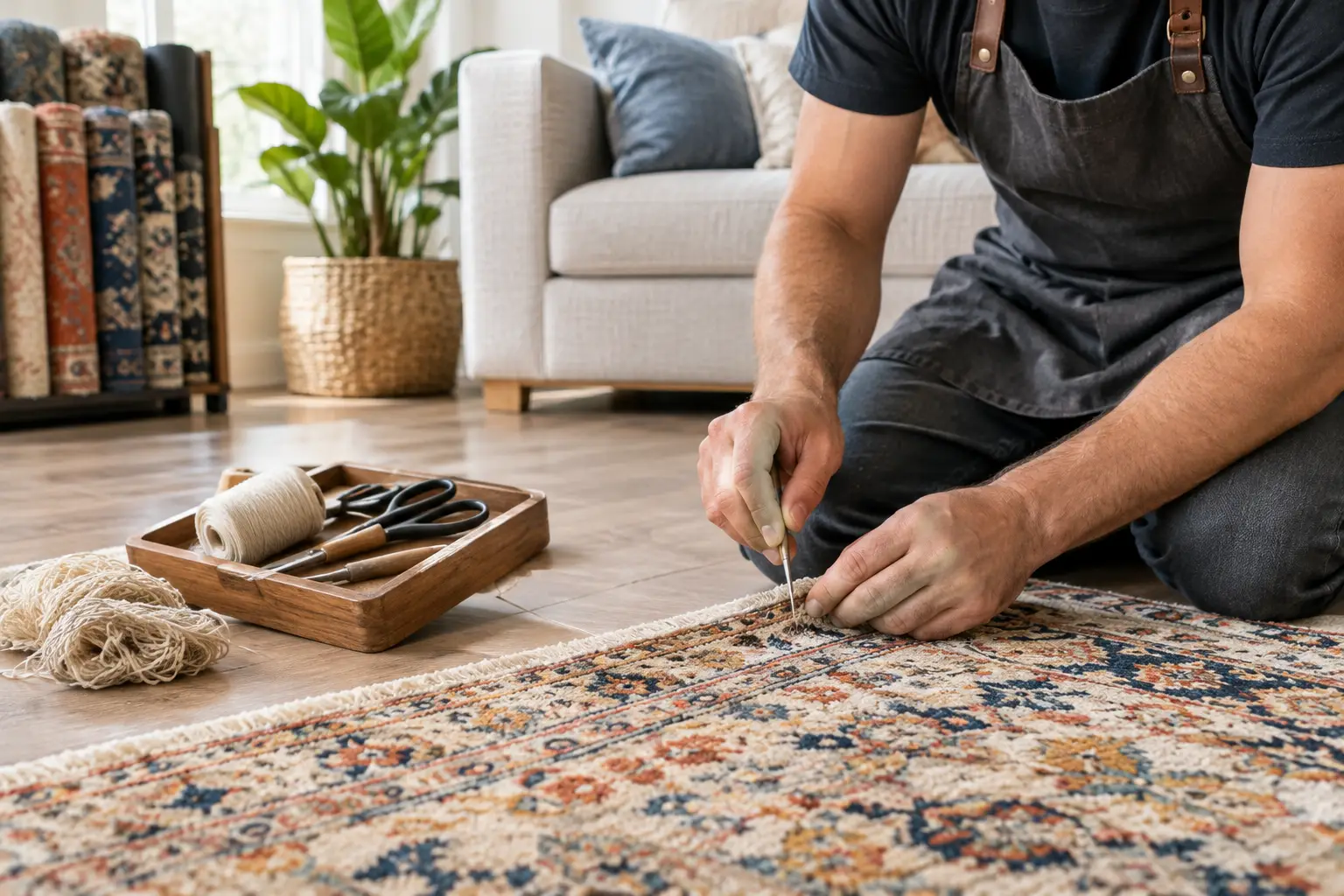
Use this Kennesaw rug repair guide to spot damage early, choose the right restoration, and protect the color, texture, and comfort of your favorite rug.
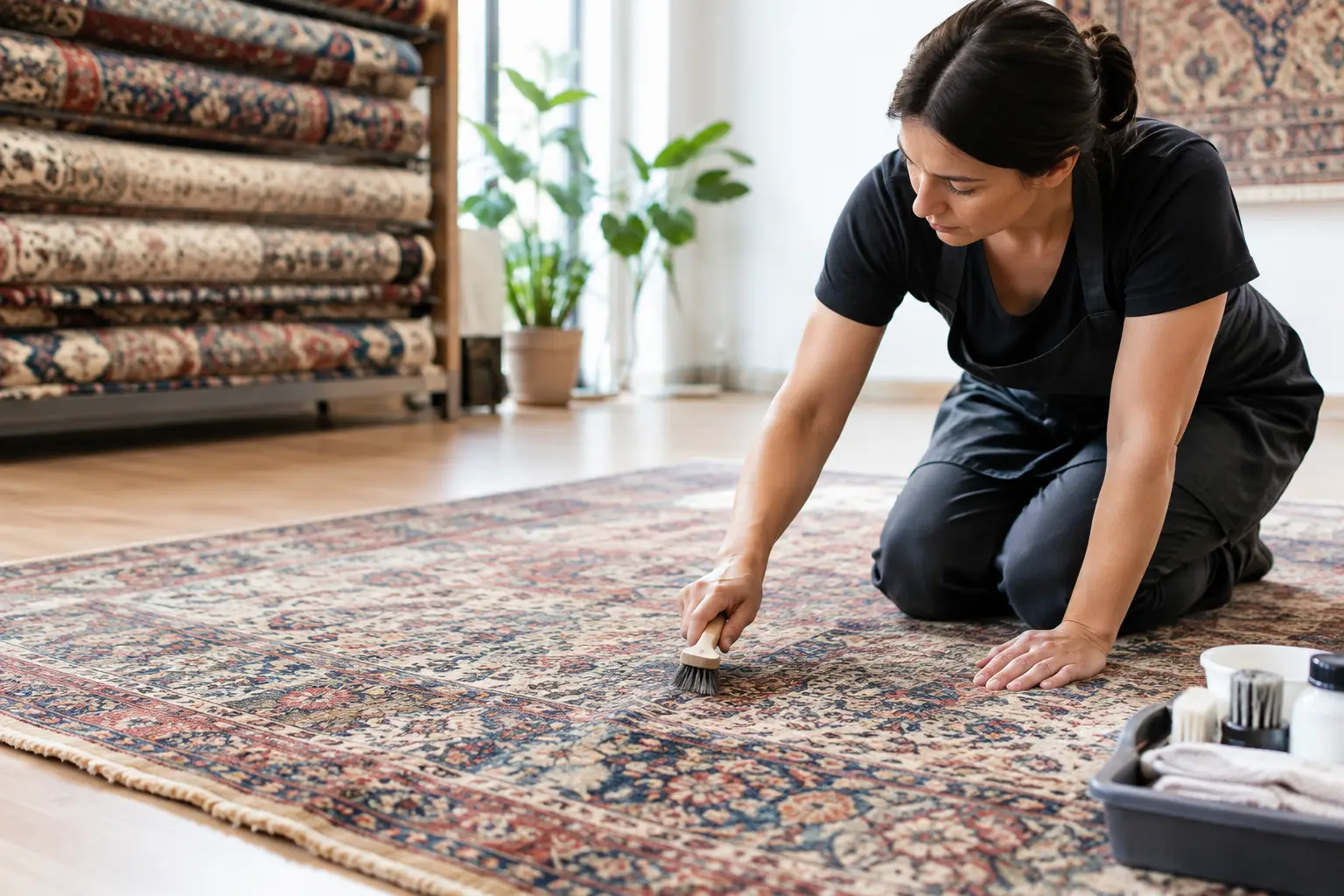
Marietta rug restoration can preserve color, texture, and history. Learn when repair makes sense and how thoughtful care protects a cherished rug at home.
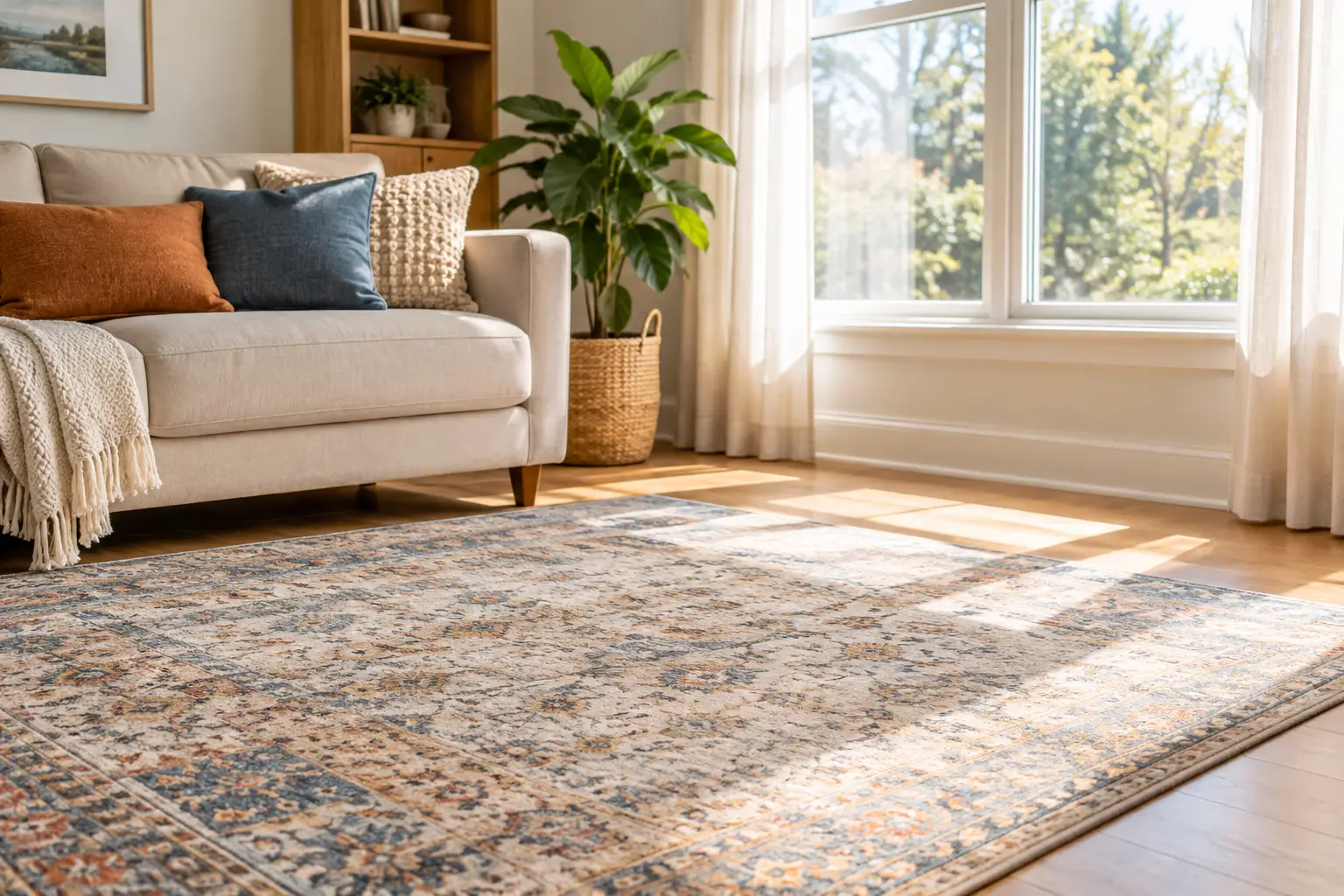
Learn how to protect rugs from sun fading with thoughtful window treatments, rotation, cleaning, and placement tips that preserve color and comfort daily.
From cozy area rugs to statement-making wall décor, our curated categories make it easy to explore what speaks to your space. Whether you’re refreshing a single corner or reimagining your whole home, start here and discover pieces that bring it all together.