


How to Remove Pet Odors From Rugs Safely
Learn how to remove pet odors from rugs without harming color or fibers, plus when professional washing is the smarter choice for a fresh home that lasts.
A room rarely needs a full renovation to feel new again. Often, the furniture you already own has good bones – it simply needs a clearer point of view. Learning how to refresh a room with accessories gives you the freedom to shift the mood, add comfort, and bring the pieces you love back into focus without starting from scratch.
The most successful updates feel intentional rather than busy. A well-chosen rug, a pair of textured pillows, warmer lighting, or a sculptural accent can change how a room feels the moment you walk in. The goal is not to fill every surface. It is to create a room that feels collected, comfortable, and deeply personal.
Before bringing in new accessories, take a quiet look at what is already there. Notice the elements with the most visual weight: flooring, upholstery, wall color, large furniture, window treatments, and the existing rug. These are your foundation, and your accessories should work with them rather than compete for attention.
Choose the feeling you want the room to have. Perhaps your living room needs to feel softer and more relaxed, while a guest bedroom could benefit from a more polished, layered look. A neutral room may need contrast and texture. A colorful room may need a few grounding pieces that give the eye a place to rest.
This is also the time to edit. Remove accessories that are too small, too similar, or no longer suit the direction you want. Clearing a crowded console or coffee table can make the next additions feel more meaningful. Quiet luxury is often less about having fewer things and more about allowing the right things to stand out.
An area rug is more than a finishing touch. It can be the visual anchor that brings a room’s furniture, color palette, and personality together. If a space feels disconnected, undersized, or flat, the rug is often the first place to look.
In a living room, select a size that allows at least the front legs of major seating pieces to rest on the rug. A rug that is too small can make even beautiful furniture feel like it is floating. In a dining room, the rug should extend beyond the table far enough for chairs to remain on it when pulled out. Bedrooms usually feel most inviting when there is a soft landing underfoot beside the bed.
Color and pattern should respond to the room, not overwhelm it. A patterned rug can give a neutral sofa and simple walls a welcome sense of movement. If the room already includes patterned upholstery or wallpaper, a tonal or textured rug may offer balance. Natural fibers, soft neutrals, subtle borders, and muted vintage-inspired designs all create a refined foundation, though the best choice depends on how much daily activity the room sees.
For busy family spaces, consider practical materials and forgiving patterns. For a formal sitting room or low-traffic bedroom, you may have more freedom to prioritize delicate texture or a more expressive design. Seeing rug colors and fibers in person is especially helpful because light, pile height, and texture can look very different in a showroom than they do on a screen.
Pillows are one of the quickest ways to update a sofa, bed, or accent chair, but a matching set can make the result feel overly staged. Instead, work within a connected color story and vary the materials, scale, and shape.
Begin with one or two colors already present in the room, perhaps pulled from artwork, a rug, or the undertone of the upholstery. Then add a complementary accent shade. A camel leather chair may look especially rich with ivory bouclé, muted blue linen, or an understated botanical print. A gray sectional can feel warmer with oatmeal, rust, olive, or soft blush, depending on the overall mood you want to create.
Texture matters as much as color. Combine smoother fabrics with a nubby weave, velvet, knit, fringe, or embroidery. On a larger sofa, try two coordinating pillow pairs with a lumbar pillow in the center. On a bed, keep the arrangement generous but usable. The bed should still be easy to make each morning.
A throw blanket brings softness without requiring a major change. Drape it loosely over a chair arm, fold it across the end of the bed, or keep one within reach in a basket near the sofa. Choose a throw with enough substance to be useful, not just decorative. The rooms that feel most welcoming are designed for real life.
Lighting has an outsized effect on how every color and texture in a room appears. If a space feels tired at night, a new table lamp or floor lamp may do more than another decorative object ever could.
Aim for layers of light. Overhead lighting provides general illumination, but table lamps and floor lamps create warmth at eye level. A lamp beside a reading chair makes that corner feel purposeful. Matching lamps can bring pleasing symmetry to a console or bedside tables, while a single sculptural lamp can give an asymmetrical arrangement more character.
Pay attention to scale. A tiny lamp on a wide console will disappear, while an oversized lamp can crowd a small side table. The shade should relate to the table and surrounding furniture, and the lamp height should support the activity nearby. Beside a sofa, for example, the light should be comfortable for reading without shining directly into someone’s eyes.
Warm bulbs generally make upholstered rooms, wood finishes, and layered textiles feel more inviting. If your room feels clinical or overly cool, lighting may be the issue rather than the furniture.
Coffee tables, consoles, shelves, and nightstands are opportunities to show personality, but they need breathing room. Start with one anchor item, such as a tray, stack of art books, ceramic bowl, or low vase. Add one or two complementary pieces with different heights and materials.
A tray is especially useful because it turns several smaller items into a single visual moment. On a coffee table, it might hold a candle, a small bowl, and a natural object. On an entry console, it can corral everyday essentials while still looking polished. Choose objects you enjoy seeing rather than accessories that exist only to fill a blank spot.
Bring in organic shapes to soften rooms filled with straight-lined furniture. A rounded vase, woven basket, branch arrangement, or handmade ceramic piece adds variation that makes a space feel less rigid. Books, framed photographs, and meaningful finds prevent a room from looking like a catalog, but use restraint. A few personal pieces have greater impact than a surface covered edge to edge.
The secret to an effortlessly styled room is often repetition. Repeat a metal finish, a warm wood tone, a pillow color, or a curved silhouette in two or three places. This does not mean every item must match. It means the room has visual conversations happening across the space.
Varying height keeps those conversations interesting. A room made up entirely of low furniture and tabletop accents can feel flat, so use a floor lamp, tall branch arrangement, substantial mirror, or vertical artwork to draw the eye upward. Conversely, a room with tall ceilings may need lower, softer layers – a fuller rug, ottoman, or generous pillows – to feel grounded.
Texture provides the depth that a single color palette can sometimes lack. Pair a smooth ceramic lamp with a woven shade, a tailored sofa with a plush throw, or a sleek wood table with a hand-finished bowl. The room will feel layered without relying on excessive color or pattern.
Not every refresh calls for several new accessories. Sometimes one generous-scale addition is the answer: a new rug, an oversized mirror, a striking lamp, or a pair of beautiful pillows on a favorite chair. If the room already has strong architectural details or meaningful furnishings, too many competing accents can dilute what makes it special.
When you are unsure, bring fabric samples, paint swatches, and a few room photos when shopping. Comparing pieces in person makes it easier to assess true color, proportion, and texture. At Home Rug Gallery, a coordinated selection of rugs, lighting, pillows, poufs, throws, and décor can help you see how the layers work together before they enter your home.
A refreshed room should not feel like it was finished all at once. Let it evolve. Begin with the piece that solves the biggest problem, live with it for a little while, and add the next layer only when the room asks for it. That patient approach creates a home that feels not merely decorated, but genuinely yours.
Learn how to remove pet odors from rugs without harming color or fibers, plus when professional washing is the smarter choice for a fresh home that lasts.
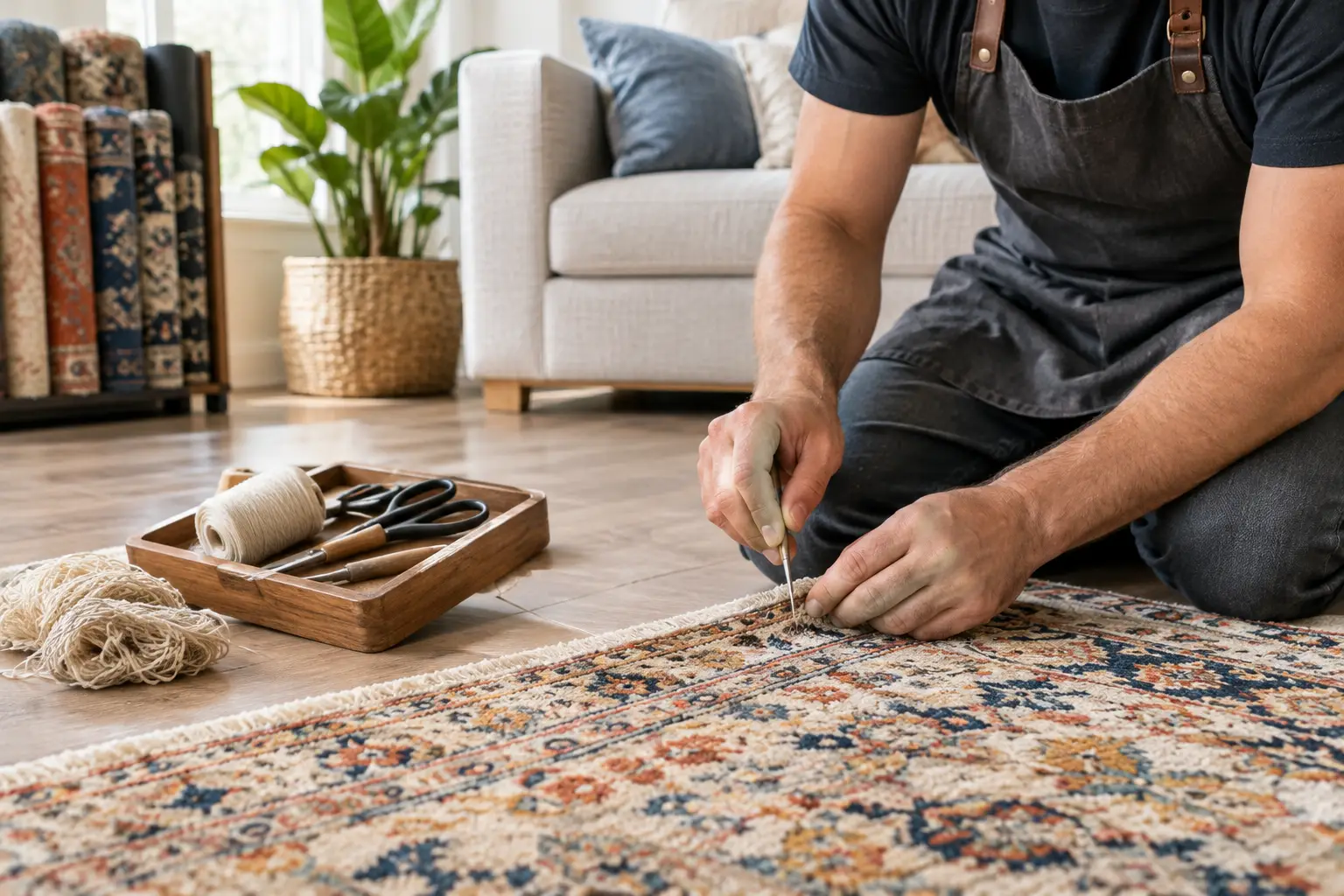
Use this Kennesaw rug repair guide to spot damage early, choose the right restoration, and protect the color, texture, and comfort of your favorite rug.
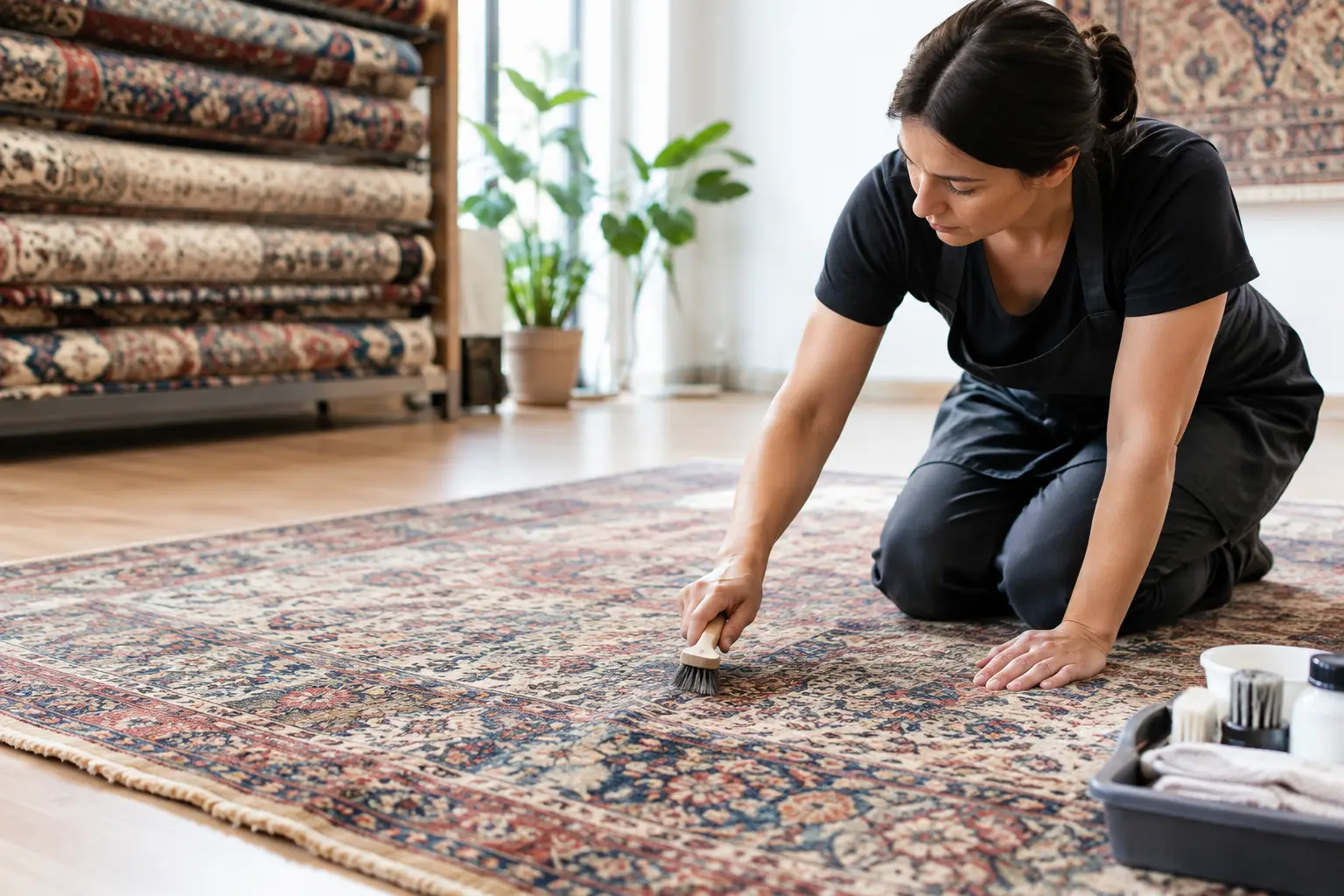
Marietta rug restoration can preserve color, texture, and history. Learn when repair makes sense and how thoughtful care protects a cherished rug at home.
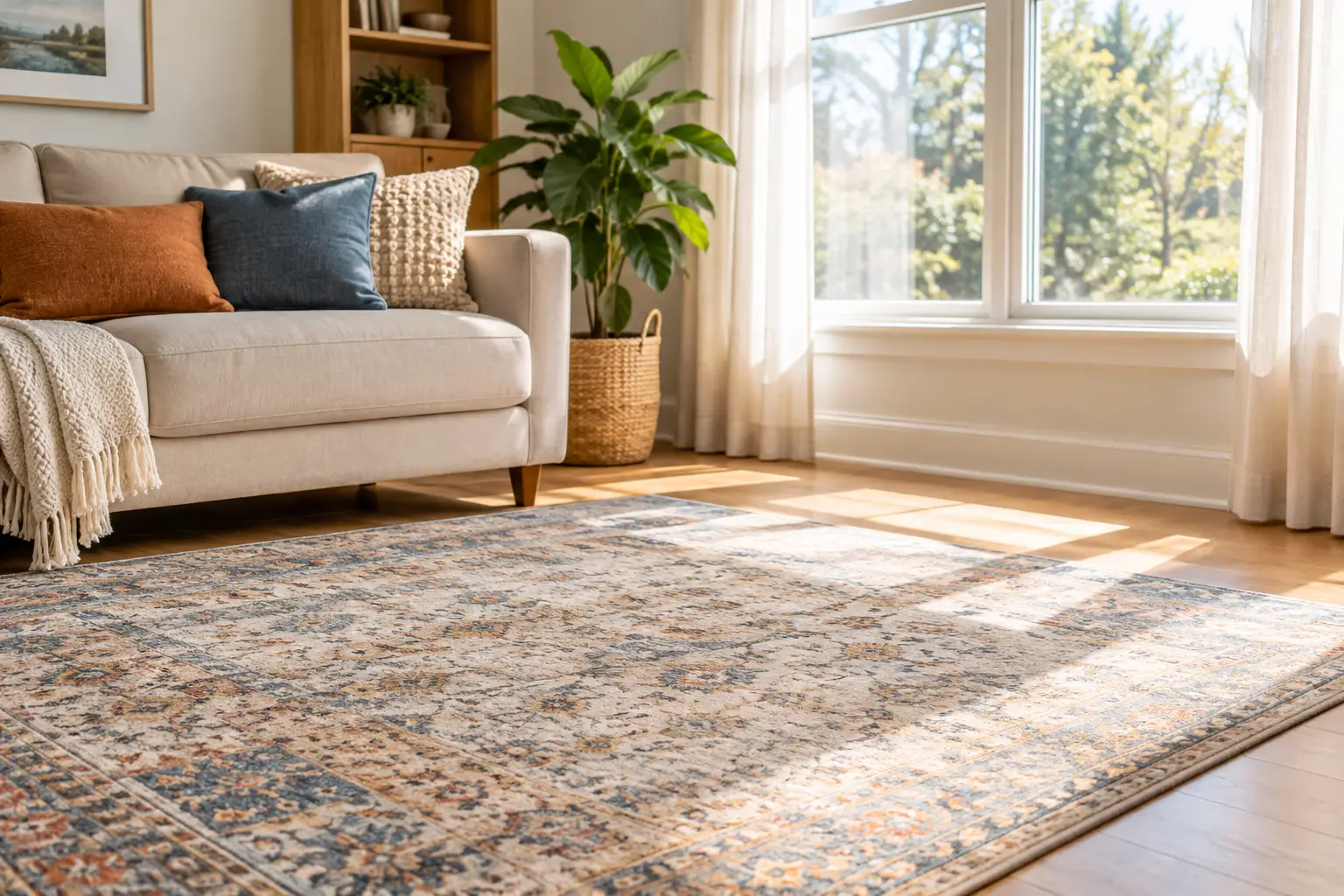
Learn how to protect rugs from sun fading with thoughtful window treatments, rotation, cleaning, and placement tips that preserve color and comfort daily.
From cozy area rugs to statement-making wall décor, our curated categories make it easy to explore what speaks to your space. Whether you’re refreshing a single corner or reimagining your whole home, start here and discover pieces that bring it all together.