

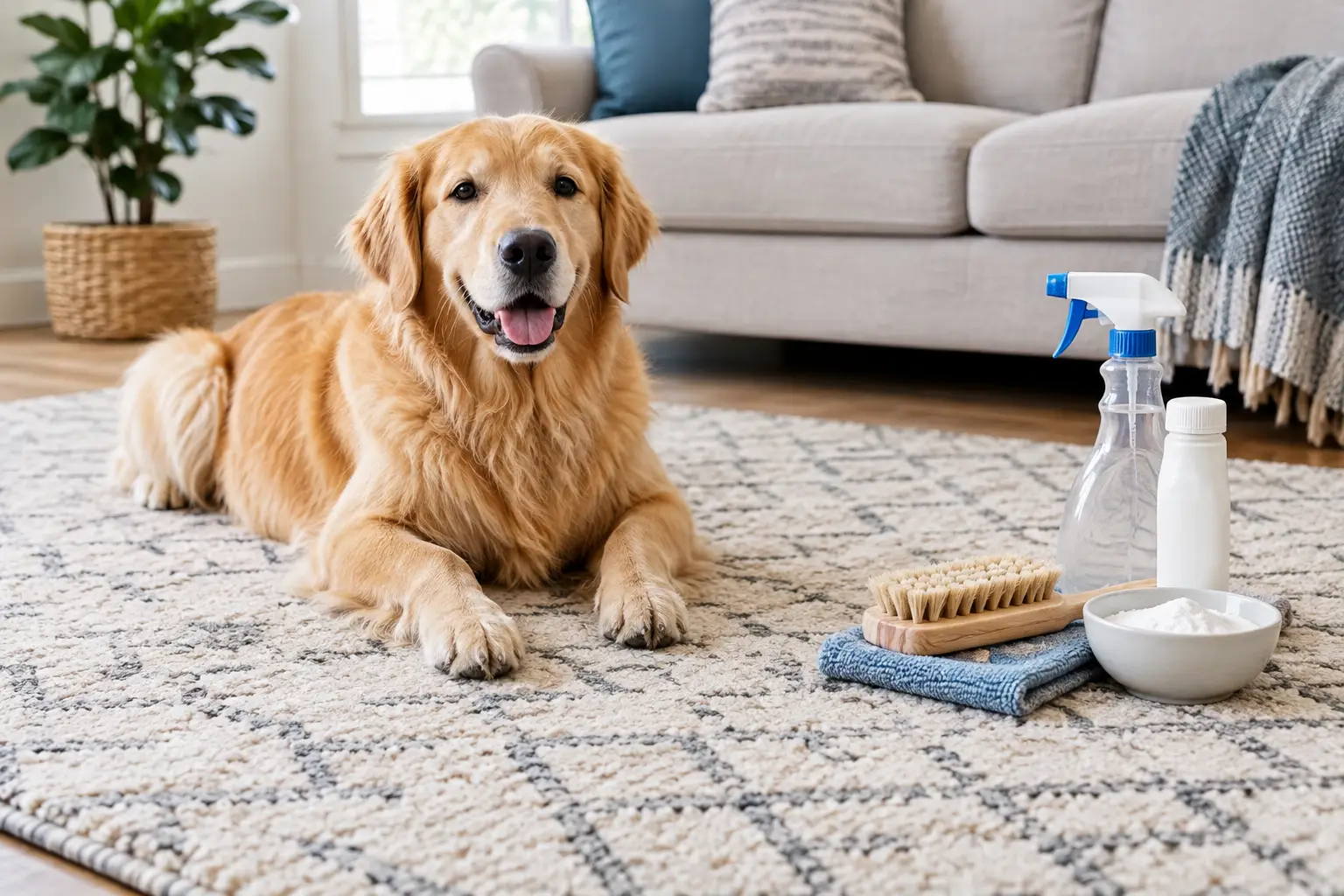
How to Remove Pet Odors From Rugs Safely
Learn how to remove pet odors from rugs without harming color or fibers, plus when professional washing is the smarter choice for a fresh home that lasts.
The moment a rug starts looking dull, holding onto odors, or showing the path of daily life, the question usually comes fast – should you clean it yourself or hand it over to a professional? Rug cleaning versus DIY washing is not simply a matter of effort. It is a decision that affects color, texture, shape, and the overall life of a piece that often anchors the entire room.
A rug is rarely just another household surface. It softens hardwood, frames furniture, adds pattern, and gives a space that layered, collected feeling homeowners work hard to create. When it needs care, the right method depends on what the rug is made of, how it was constructed, and what kind of soil or staining it is holding.
DIY washing sounds practical for obvious reasons. It feels immediate, familiar, and under your control. For a small synthetic rug in a low-risk setting, that can be perfectly reasonable. A gentle wash, careful drying, and light spot treatment may be all it needs.
But many area rugs are more complex than they appear. Wool absorbs moisture differently than polyester. Cotton foundations can shrink. Certain dyes bleed when over-wet. Hand-knotted and hand-tufted rugs react differently to agitation than machine-made styles. Even rugs that look durable on the surface may have delicate fringe, latex backing, or layered construction that does not respond well to household washing methods.
That is why the real comparison is not convenience versus inconvenience. It is surface cleaning versus fiber-deep care, short-term freshness versus long-term preservation, and quick results versus measured results.
There are situations where at-home care makes sense. If you have a washable accent rug designed for utility spaces, or a synthetic rug with a clear care label that supports home washing, DIY methods can be enough. This is especially true when the issue is light dirt rather than set-in grime, odors, or staining.
Routine upkeep is also part of good rug ownership. Regular vacuuming, prompt blotting of spills, and rotating a rug to balance wear all help reduce the need for intensive cleaning. If you catch a spill early and treat it gently, you often prevent a bigger problem later.
The key is restraint. Homeowners tend to over-saturate a rug, scrub too hard, or use cleaning solutions that leave residue behind. That residue attracts more soil, which can make a rug look dirty again surprisingly fast. DIY care works best when it stays light, targeted, and appropriate to the rug.
Machine-made synthetic rugs, low-pile utility rugs, and smaller washable pieces are usually the safest choices. These rugs are generally built for easier maintenance and are less likely to react badly to limited moisture.
Even then, drying matters as much as washing. A rug that stays damp too long can develop odor, backing damage, or distortion. The cleaner the process looks on the front end, the more careful it needs to be on the back end.
The most common problem is assuming all rugs behave the same way. They do not. A neutral rug with subtle variation may hide bleeding until it dries unevenly. A plush wool rug may feel sturdy but can become matted or misshapen with aggressive scrubbing. A rug with a cotton foundation can ripple or shrink after oversaturation.
Household products are another issue. General carpet sprays, dish soap, laundry detergent, and rental machines are often used with good intentions. Yet they can be too harsh, too foamy, or too wet for many rugs. Some products strip natural oils from wool. Others leave behind a sticky film. Some brighteners can alter color in ways that are hard to reverse.
Then there is the problem homeowners do not always see right away: hidden soil. Rugs collect dust, grit, allergens, and oils below the surface. A DIY wash may freshen the top layer while leaving embedded particles behind. Over time, those particles act like fine abrasives inside the pile, slowly wearing fibers down.
If your rug is wool, silk, antique, hand-knotted, hand-tufted, has fringe, has deep staining, or has pet odor that reaches the foundation, it is usually better not to experiment. The same goes for rugs that have sentimental or design value. When a rug helps define a room, replacing it is rarely as simple as buying another one in the same size.
Professional rug cleaning is designed around the rug itself, not just the stain on top of it. That distinction matters. A proper cleaning process considers fiber type, construction, dye stability, pile depth, backing, and the rug’s current condition before any treatment begins.
This approach is especially important for rugs chosen with care as part of a polished interior. When a rug supports the palette of a room or brings in that sense of quiet luxury, preserving texture and tone becomes just as important as removing soil.
Professionals also have the ability to remove contaminants more thoroughly while controlling moisture, agitation, and drying conditions. That means better results with less risk of shrinkage, color migration, or texture damage.
A professionally cleaned rug typically comes back with clearer color, a more balanced hand, and a fresher feel underfoot. Pile that looked flat may recover. Lingering odors often improve because the cleaning reached beyond the visible surface. The room itself can feel lighter once the rug is no longer holding onto months or years of dust and residue.
For design-conscious homeowners, this is often the real value. A well-cared-for rug does not just look cleaner. It helps the whole room feel more intentional and effortlessly styled.
Spills are one category, but everyday living creates several others. Pet accidents, tracked-in red clay, kitchen residue, smoke, and seasonal allergens all interact with rug fibers differently. A light spot-cleaning method may help with a fresh spill, but it will not always solve odor or deep contamination.
Families with children and pets often reach for DIY cleaning because life moves quickly. That is understandable. Still, repeated home washing can shorten the life of the wrong rug. If a favorite living room rug is carrying the weight of daily traffic, movie nights, muddy shoes, and the occasional snack mishap, periodic professional care usually protects that investment better than repeated improvised washing.
This is especially true in homes where rugs are part of a larger, coordinated design story. Once a rug loses shape, softness, or color clarity, the room can feel less cohesive.
Start with three questions. What is the rug made of, what is the problem you are trying to solve, and how important is this rug to the look and function of the room?
If the rug is small, synthetic, clearly labeled as washable, and only lightly soiled, DIY care may be enough. If the rug is larger, older, natural-fiber, finely made, or central to your space, professional cleaning is the safer path.
It also helps to think beyond the immediate mess. If you are cleaning because the rug looks tired, smells off, or feels stiff underfoot, those are signs that buildup has gone deeper than a quick wash can usually fix.
The best rug care is not reactive. It is part of how you maintain a beautiful home over time. Homeowners often spend a great deal of energy choosing the right size, color, and texture for a room because they want the finished space to feel deeply personal. Cleaning should support that same level of care.
A rug does heavy visual and practical work. It grounds the seating area, softens sound, and often ties together furniture, lighting, pillows, and accent pieces. Treating it like a removable utility item can lead to decisions that do not match its role in the home.
For many households in Canton, Woodstock, Acworth, and Kennesaw, the smartest approach is a combination. Handle day-to-day maintenance at home, respond quickly to spills, and reserve washing for rugs that are truly suited to it. For more valuable or more vulnerable pieces, professional rug cleaning is less about formality and more about preserving something that helps your home feel finished.
If you are ever unsure, that uncertainty is useful. It usually means the rug deserves a little more care than a hose, a scrub brush, or a borrowed machine can offer.
Learn how to remove pet odors from rugs without harming color or fibers, plus when professional washing is the smarter choice for a fresh home that lasts.
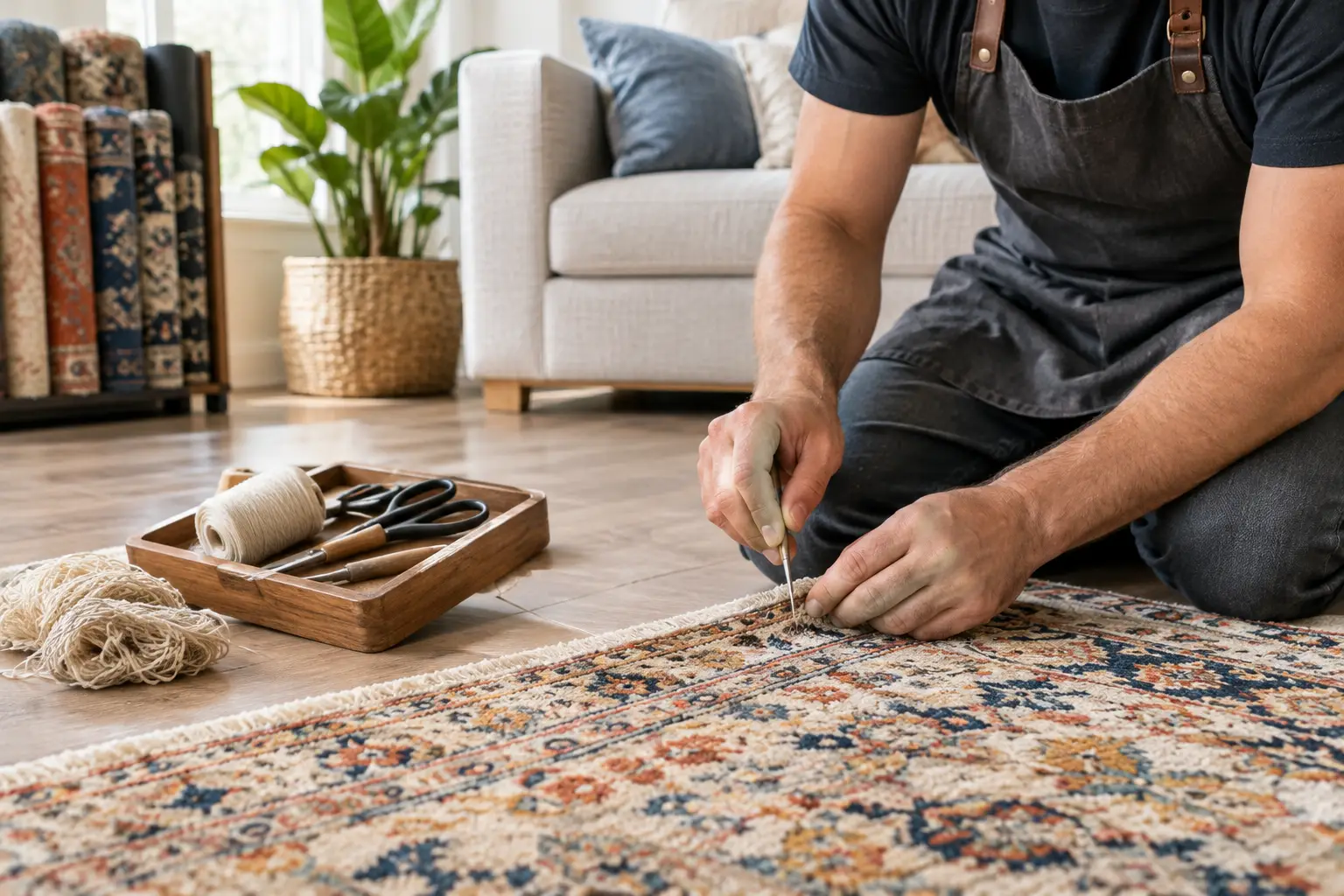
Use this Kennesaw rug repair guide to spot damage early, choose the right restoration, and protect the color, texture, and comfort of your favorite rug.
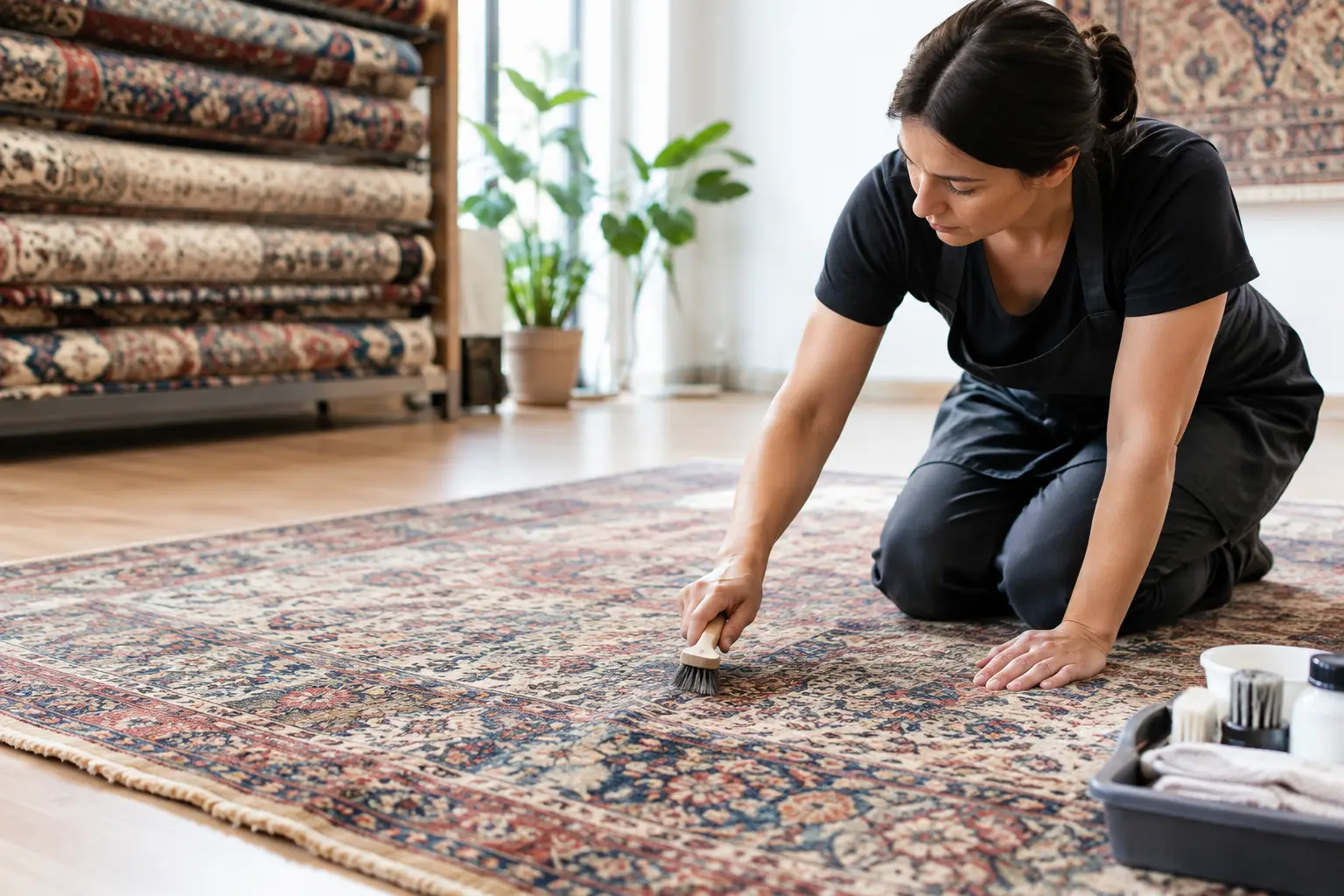
Marietta rug restoration can preserve color, texture, and history. Learn when repair makes sense and how thoughtful care protects a cherished rug at home.

Learn how to protect rugs from sun fading with thoughtful window treatments, rotation, cleaning, and placement tips that preserve color and comfort daily.
From cozy area rugs to statement-making wall décor, our curated categories make it easy to explore what speaks to your space. Whether you’re refreshing a single corner or reimagining your whole home, start here and discover pieces that bring it all together.