

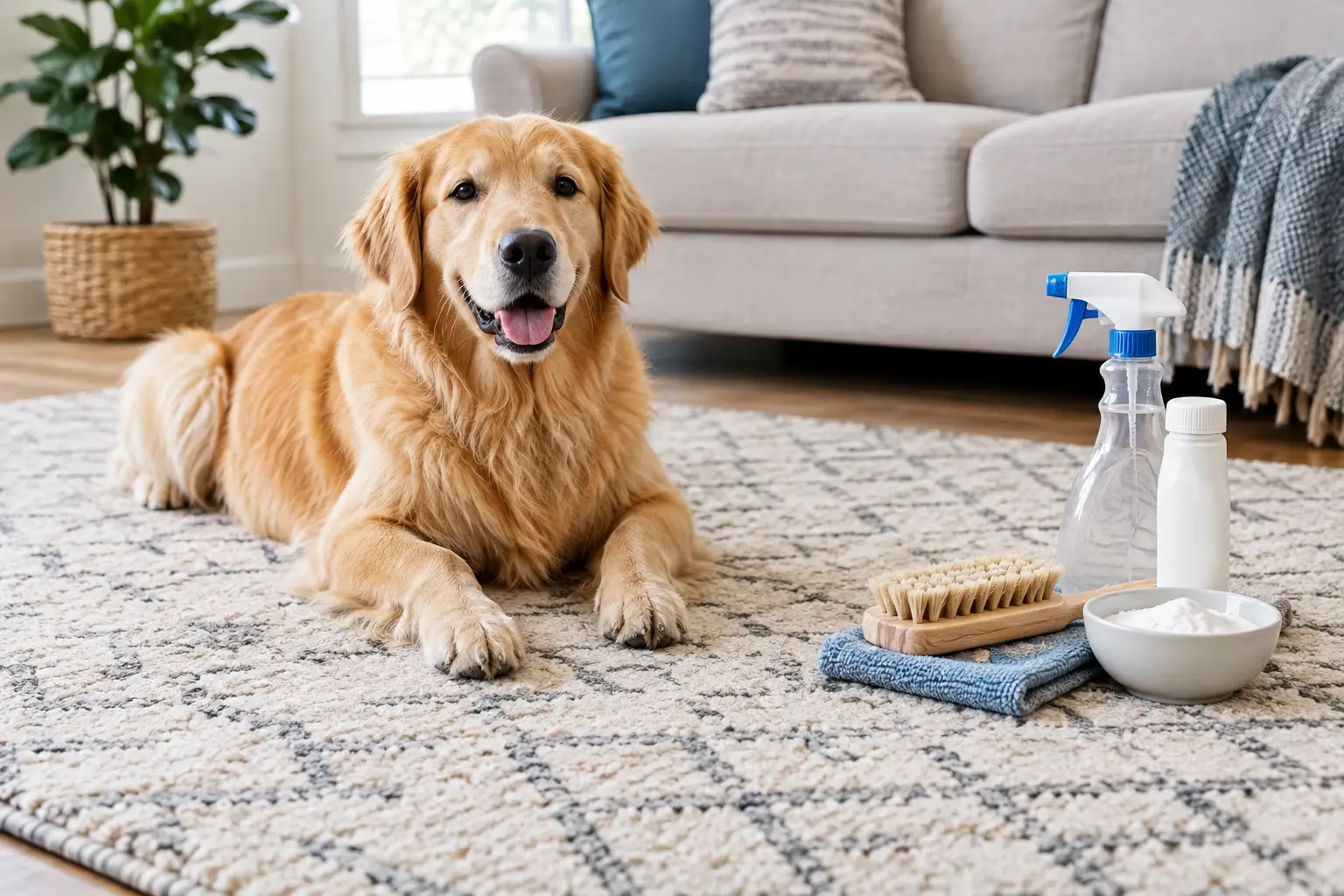
How to Remove Pet Odors From Rugs Safely
Learn how to remove pet odors from rugs without harming color or fibers, plus when professional washing is the smarter choice for a fresh home that lasts.
A beautiful area rug should feel intentional from the moment you step onto it. If it shifts underfoot, curls at the corners, or feels unexpectedly thin, the issue may not be the rug at all. A thoughtful rug pad comparison reveals why this often-overlooked layer makes such a noticeable difference in comfort, safety, and the way a room feels finished.
The right pad is not a one-size-fits-all purchase. Your floor type, rug construction, room traffic, and desired level of cushioning all matter. Think of it as the quiet foundation beneath a well-styled room: rarely seen, but essential to making everything above it look and perform its best.
A rug pad has several jobs. It helps keep the rug in place, reduces bunching and edge curl, adds a layer of comfort, and creates a buffer between the rug backing and the floor beneath it. That buffer can be especially valuable for hardwood, luxury vinyl, laminate, and other finished surfaces that deserve thoughtful protection.
Pads also help a rug hold its shape. In active spaces such as family rooms, hallways, and dining areas, repeated foot traffic can cause an unpadded rug to creep, wrinkle, or wear unevenly. A properly sized pad gives the rug a steadier base, helping it remain beautifully positioned as daily life moves through the room.
There is also a design benefit. A rug with a little added substance feels more luxurious underfoot, even when the rug itself has a low profile. In rooms built around quiet luxury, those small tactile details make the space feel more considered and inviting.
The best material depends on where the rug will live. Rather than choosing a pad based on thickness alone, consider what your floor needs and how the room is used.
Dense felt pads are a lovely choice when comfort is the priority. They bring a soft, cushioned feel to bedrooms, living rooms, and spaces where bare feet are common. Felt also adds insulation and can soften sound, a welcome detail in homes with open floor plans or hard flooring throughout.
On its own, felt is not always the right answer for a rug that tends to slide. A felt pad provides grip through friction, but it does not have the same nonslip hold as a pad with a rubber backing. It works best under heavier rugs or furniture-weighted rugs that are unlikely to move.
For many homes, a felt-and-rubber pad offers the most balanced solution. The felt side supplies cushion and support, while the rubber side is designed to grip the floor. This combination works beautifully beneath area rugs in living rooms, bedrooms, dining rooms, and hallways where both comfort and stability matter.
It is especially useful when a rug has a smooth or flat backing, such as many handwoven, low-pile, or performance styles. The added grip helps the rug stay settled without sacrificing the plush, grounded feeling homeowners want in a finished space.
Natural rubber pads are typically thinner, but they provide excellent traction. They are well suited to entry rugs, runners, kitchen rugs, and other smaller pieces that need to stay firmly in place. Their low profile also makes them practical near doorways, where extra thickness could interfere with clearance.
Not every rubber pad is appropriate for every surface. Some materials can react with certain floor finishes, leaving discoloration or a tacky residue over time. For hardwood, vinyl, laminate, and other finished flooring, choose a pad clearly intended for that floor type and avoid unknown materials that may compromise the finish.
Thin synthetic nonslip pads are often selected for their grip and minimal bulk. They can work in low-profile applications, but quality matters greatly. A lightweight, open-weave pad may not provide much cushioning or long-term support, and some varieties are not suitable for delicate finishes.
If the rug is a meaningful investment or rests on a newer floor, a denser, floor-safe pad is usually the more thoughtful choice. The goal is not simply to stop movement. It is to support the rug and protect the surface below it for years to come.
Thickness changes the feel of a rug, but more is not always better. A thicker pad can make a living room rug feel notably softer and more layered, particularly under a low-pile wool or flatweave rug. It can also make a large bedroom rug feel warmer and more indulgent first thing in the morning.
In high-traffic spaces, though, a very thick pad can create too much movement beneath the rug or make furniture feel less stable. Dining rooms are a good example. A thinner, dense pad often allows chairs to move more naturally while still protecting the floor and helping the rug lie flat.
For runners, entryways, and rugs near doors, low-profile is usually the wiser direction. Measure door clearance before selecting the pad, especially if the rug sits directly inside an exterior door or beside a closet door. A small practical detail like this prevents a lovely design choice from becoming an everyday annoyance.
A room-by-room approach leads to better results than buying the same pad for every rug in the house. In a formal living room, a thicker felt-and-rubber pad can add comfort and help anchor a large rug beneath seating. In a dining room, prioritize density and stability so the rug supports the table and chairs without feeling overly cushioned.
Bedrooms invite a softer choice. If the rug extends generously around the bed, a plush felt pad can make those exposed edges feel especially inviting. In a hallway or entry, grip and a slim profile deserve more attention because these areas experience frequent movement and shifting weight.
For outdoor rugs or rugs in moisture-prone areas, use a pad specifically made for that environment. Standard indoor pads can hold moisture against the surface below, which is not ideal for porches, patios, laundry spaces, or covered outdoor areas.
Beautiful floors and beautiful rugs should work together, not compete. Before placing any pad on hardwood or other finished flooring, check the flooring manufacturer’s care guidance. The safest option is typically a pad identified as non-staining and suitable for the specific surface in your home.
This matters even more with newer luxury vinyl flooring, engineered wood, and sealed hardwood. Certain rubber or synthetic materials may not be compatible with every finish. A quality floor-safe pad creates a protective layer while allowing the rug to stay comfortably in place.
Regular cleaning is part of the equation as well. Dust and grit can settle beneath a rug over time, where they may act like fine abrasives. Lifting the rug periodically, vacuuming the floor and pad, and checking for moisture or residue helps preserve both the rug and the floor.
A pad should sit inside the rug’s perimeter rather than extending to its edge. As a general rule, choose a pad that is about one inch smaller than the rug on all sides. This allows the rug’s edges to taper naturally to the floor and keeps the pad out of view.
For an unusually shaped rug, a custom-cut pad can offer a cleaner, more tailored result. This is particularly helpful for rounds, runners, and rugs with distinctive outlines. The pad should support the full field of the rug without pushing against its borders or creating visible ridges.
If you are styling several layers, such as a smaller accent rug over a larger natural-fiber rug, assess each layer independently. The bottom rug may need a pad for floor protection, while the upper accent rug may need a separate nonslip solution to prevent shifting. Layered rugs can look effortlessly styled, but the foundation needs to be considered just as carefully as the color and texture.
At Home Rug Gallery, seeing rugs and pads in person can make this decision far easier. You can feel the difference in density, consider how the rug will sit in your room, and choose a foundation that supports the way your home actually functions.
The best rug pad does not call attention to itself. It simply lets your rug feel softer, lie flatter, and stay where it belongs, so every step through the room feels a little more settled and a little more like home.
Learn how to remove pet odors from rugs without harming color or fibers, plus when professional washing is the smarter choice for a fresh home that lasts.
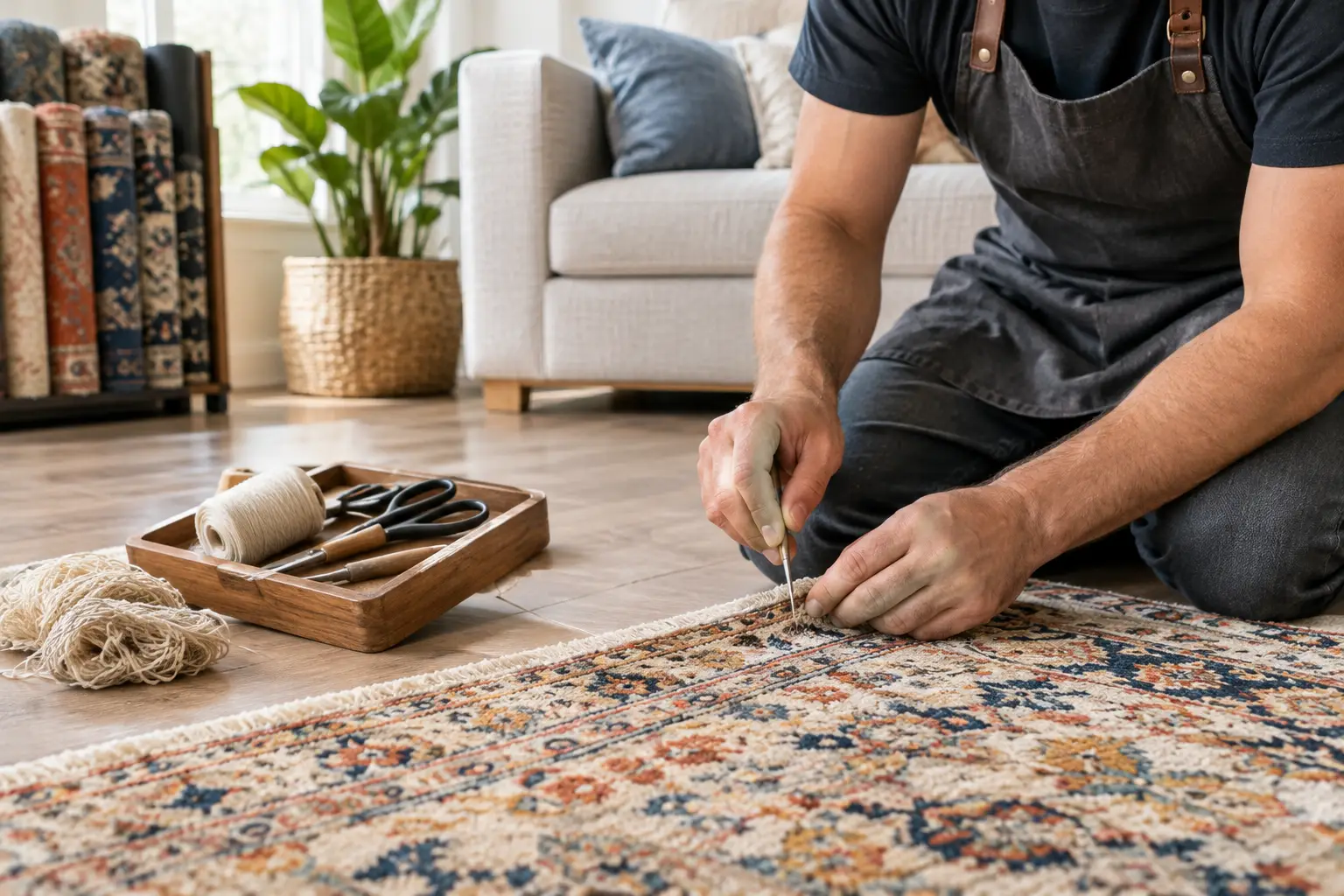
Use this Kennesaw rug repair guide to spot damage early, choose the right restoration, and protect the color, texture, and comfort of your favorite rug.
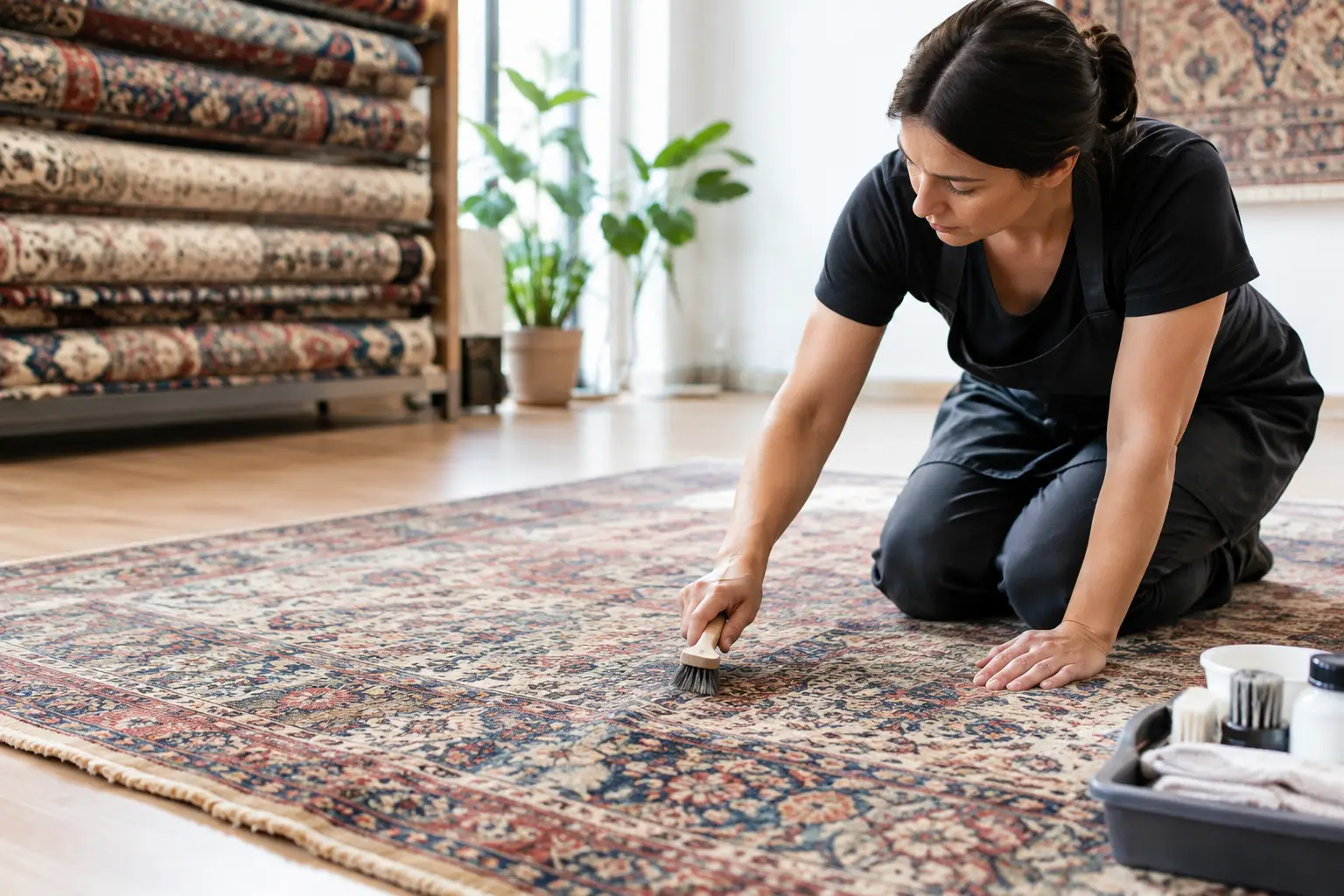
Marietta rug restoration can preserve color, texture, and history. Learn when repair makes sense and how thoughtful care protects a cherished rug at home.
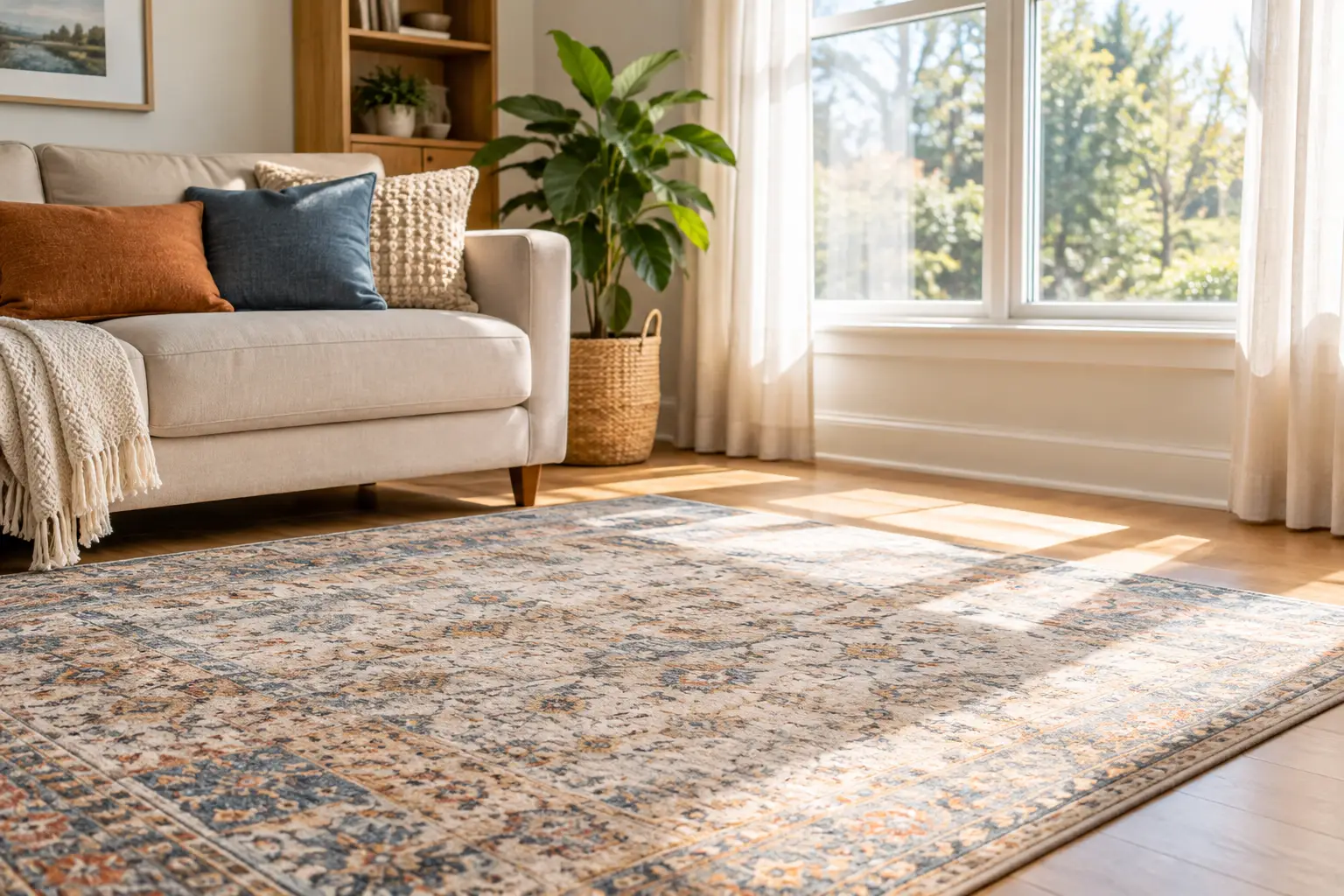
Learn how to protect rugs from sun fading with thoughtful window treatments, rotation, cleaning, and placement tips that preserve color and comfort daily.
From cozy area rugs to statement-making wall décor, our curated categories make it easy to explore what speaks to your space. Whether you’re refreshing a single corner or reimagining your whole home, start here and discover pieces that bring it all together.