

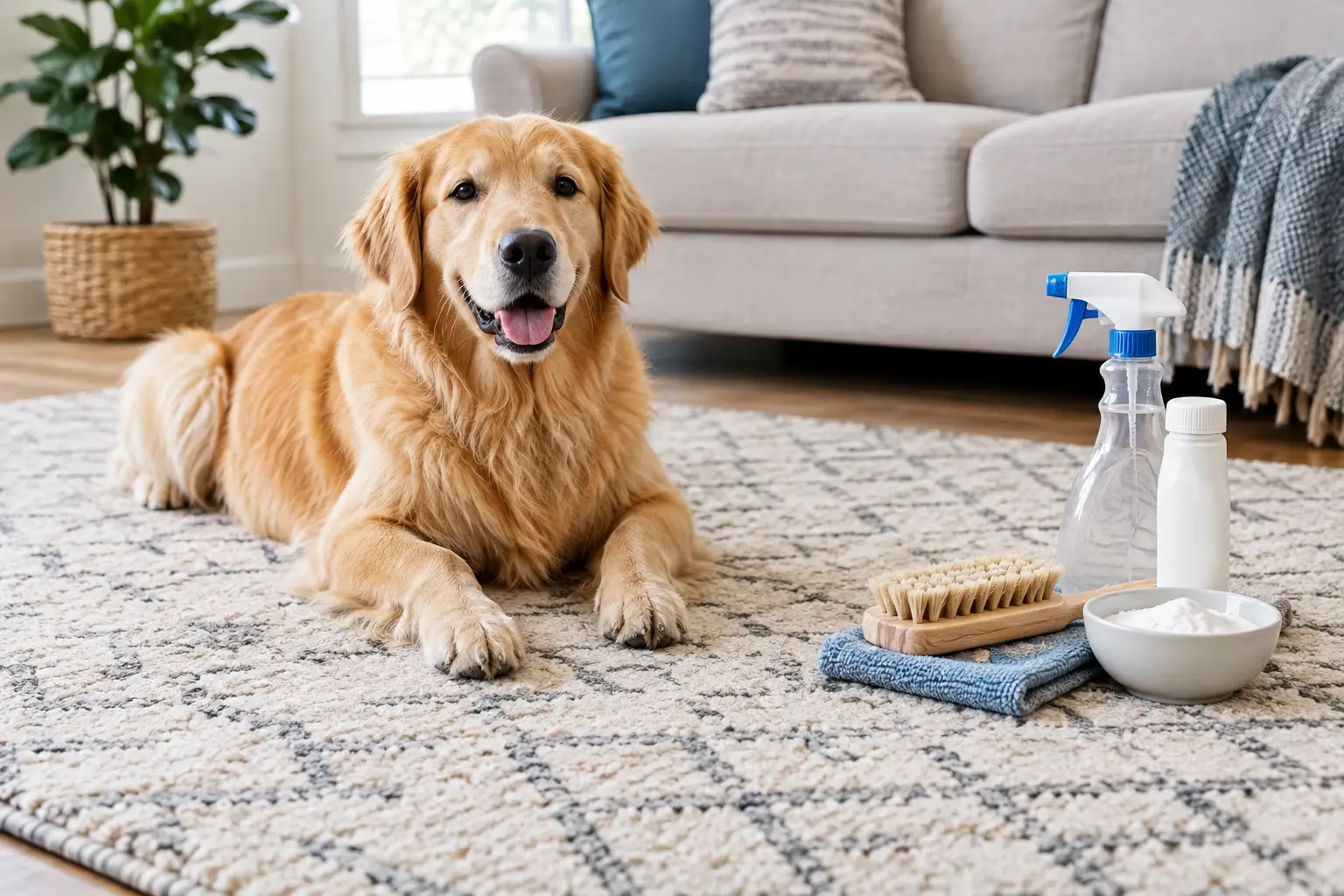
How to Remove Pet Odors From Rugs Safely
Learn how to remove pet odors from rugs without harming color or fibers, plus when professional washing is the smarter choice for a fresh home that lasts.
A beautiful area rug can still feel slightly off if it shifts underfoot, curls at the corners, or looks thin against the floor. That is why rug pad reviews deserve more attention than a quick star rating. The right pad changes how a rug feels, wears, and stays in place – and the wrong one can leave marks on flooring or create a frustrating trip hazard.
For a room that feels thoughtfully finished, treat the pad as part of the rug selection, not an afterthought. Its purpose is practical, but its effect is visible: a rug lies flatter, feels more substantial, and holds its intended shape within the room.
Most reviews focus on whether a pad grips the floor. That matters, but it is only one part of the decision. A useful review should explain the type of floor beneath the rug, the rug material and size, and whether the writer wanted extra cushion, firm support, or both.
A thin synthetic rug in a high-traffic hallway has very different needs than a hand-knotted wool rug beneath a dining table. A reviewer who says a pad is “perfect” may be completely right for their setting and completely wrong for yours.
When reading rug pad reviews, look for details about movement over time. Did the pad keep a large rug from creeping across hardwood? Did it stay flat after furniture was placed on it? Did it leave residue, discoloration, or a grid pattern on the floor? These are the comments that reveal how a product performs beyond the first week.
Also pay attention to comments about odor and shedding. Some materials have a noticeable smell when first unrolled, while lower-quality pads can break down, crumble, or transfer onto the floor as they age. A pad is meant to protect your investment, so a short-lived material is rarely a good trade-off.
The flooring in your home should guide the first decision. Hardwood, luxury vinyl plank, tile, carpet, and natural stone each interact differently with pad materials.
For hardwood, engineered wood, laminate, and many vinyl floors, choose a pad clearly identified as safe for the specific floor finish. Natural rubber is often valued for its grip and durability, particularly when paired with a felt layer for cushioning. Avoid pads made with materials that can react with finishes, leave an imprint, or use aggressive adhesives.
This is an area where vague product descriptions should raise a flag. If a review praises a pad’s stickiness but does not mention the floor beneath it, do not assume it is safe for your own wood floors. Floor protection matters as much as non-slip performance.
Tile and stone are durable, but rugs can slide easily on their smooth surfaces. A low-profile rubber-backed pad can provide reliable grip in entries, kitchens, and bathrooms, where doors and cabinetry may require a thinner profile. In a living room or bedroom, a felt-and-rubber option adds a warmer, more cushioned feel underfoot.
A rug over carpet needs a different kind of support. The goal is usually to keep the rug from bunching and to give it a stable, tailored appearance rather than adding more softness. Look for pads designed specifically for carpet-to-rug use. A standard hard-floor pad may not grip correctly and can allow the rug to ripple.
A rug pad can be made from felt, natural rubber, synthetic rubber, PVC, memory foam, or combinations of these materials. The best choice depends on where the rug lives and how you use the room.
Felt pads are appreciated for cushioning and sound absorption. They can make a flatwoven or low-pile rug feel more luxurious, which is especially appealing in bedrooms and relaxed living spaces. Felt alone, however, may not provide enough grip on a slick surface.
Felt-and-rubber pads are a popular balanced choice. The felt side adds comfort and helps support the rug, while the rubber side anchors it to the floor. They tend to work well under larger area rugs where you want both a grounded look and a softer step.
Thin rubber or mesh-style pads are best when clearance is limited. They are practical beneath a runner near a doorway or under a rug in a compact kitchen. Their trade-off is comfort: they prevent sliding but do little to make a rug feel more substantial.
Very thick foam pads can sound inviting, but more cushioning is not always better. Under dining tables, excessive softness can make chairs less stable and create deep furniture indentations. Under a finely detailed rug, too much loft can also change the way the rug lays and wears. Consider the room’s daily function before choosing thickness.
Thickness is one of the most common sources of disappointment in rug pad reviews. Buyers often choose the thickest option expecting a plush result, then discover that doors scrape, furniture rocks, or the rug sits too high above the surrounding floor.
A thin pad is generally best for runners, entry rugs, kitchens, and dining rooms. It keeps the rug close to the floor while offering grip and modest protection. Medium cushioning works beautifully in many living rooms, where it adds comfort without making the rug feel overly raised.
Bedrooms and lounge spaces can often accommodate a plusher pad, especially beneath a larger rug that extends beyond the bed or seating arrangement. That added softness can make early mornings and quiet evenings feel noticeably more comfortable. Still, measure door clearance and consider any low furniture before committing.
For heavy furniture, a dense felt pad often offers better support than a soft foam product. It helps distribute weight and reduces stress on rug fibers, which can be especially valuable beneath a substantial coffee table, sofa, or bed frame.
A rug pad should usually be slightly smaller than the rug itself, often by a few inches on each side. This allows the rug edge to taper naturally to the floor instead of resting on top of an exposed pad. The result looks cleaner and reduces the chance of the pad showing around the perimeter.
Measure the rug rather than relying only on its labeled dimensions. Handmade rugs, vintage rugs, and even some machine-made styles can vary slightly from their stated size. If a pad is too large, trim it carefully so it remains hidden. If it is too small, the rug may not receive enough support at the edges, where curling and wear often begin.
A pad should also lie completely flat before the rug is placed over it. Let it relax after unrolling, especially in cooler weather, and smooth any folds or raised corners. Installing a rug over a bunched pad can create a problem that no amount of repositioning will fully solve later.
Reviews are most valuable when they identify specific conditions, not when they make broad claims. Be cautious when feedback repeatedly mentions a chemical odor that persists, residue on floors, flaking material, or a pad that loses grip after a short time. Those concerns can indicate a material that is not suited to long-term use.
Similarly, be skeptical of one-size-fits-all language. A pad that performs beautifully under a small washable rug may not support a large wool area rug. A product that grips tile well may not be appropriate for hardwood. The most trustworthy comments are detailed enough to help you recognize a situation similar to your own.
If you are furnishing a room with a valuable, antique, or custom rug, it is wise to prioritize floor-safe materials and proper support over convenience. A good pad helps reduce abrasion between the rug and floor, minimizes movement, and can make routine vacuuming easier because the rug stays in place.
The most polished rooms rarely rely on a single decorative choice. They come together through layers that support one another: the rug’s color and texture, the furniture arrangement, the lighting, and the comfort underfoot. A well-chosen pad belongs in that equation because it allows the rug to perform as beautifully as it looks.
At Home Rug Gallery, seeing rugs and pads in person can make that final decision far more intuitive. You can feel the difference in density, consider the clearance in your home, and choose a foundation that suits both your flooring and your lifestyle. The right pad stays out of sight, but every step across the room reminds you that the details were chosen well.
Learn how to remove pet odors from rugs without harming color or fibers, plus when professional washing is the smarter choice for a fresh home that lasts.
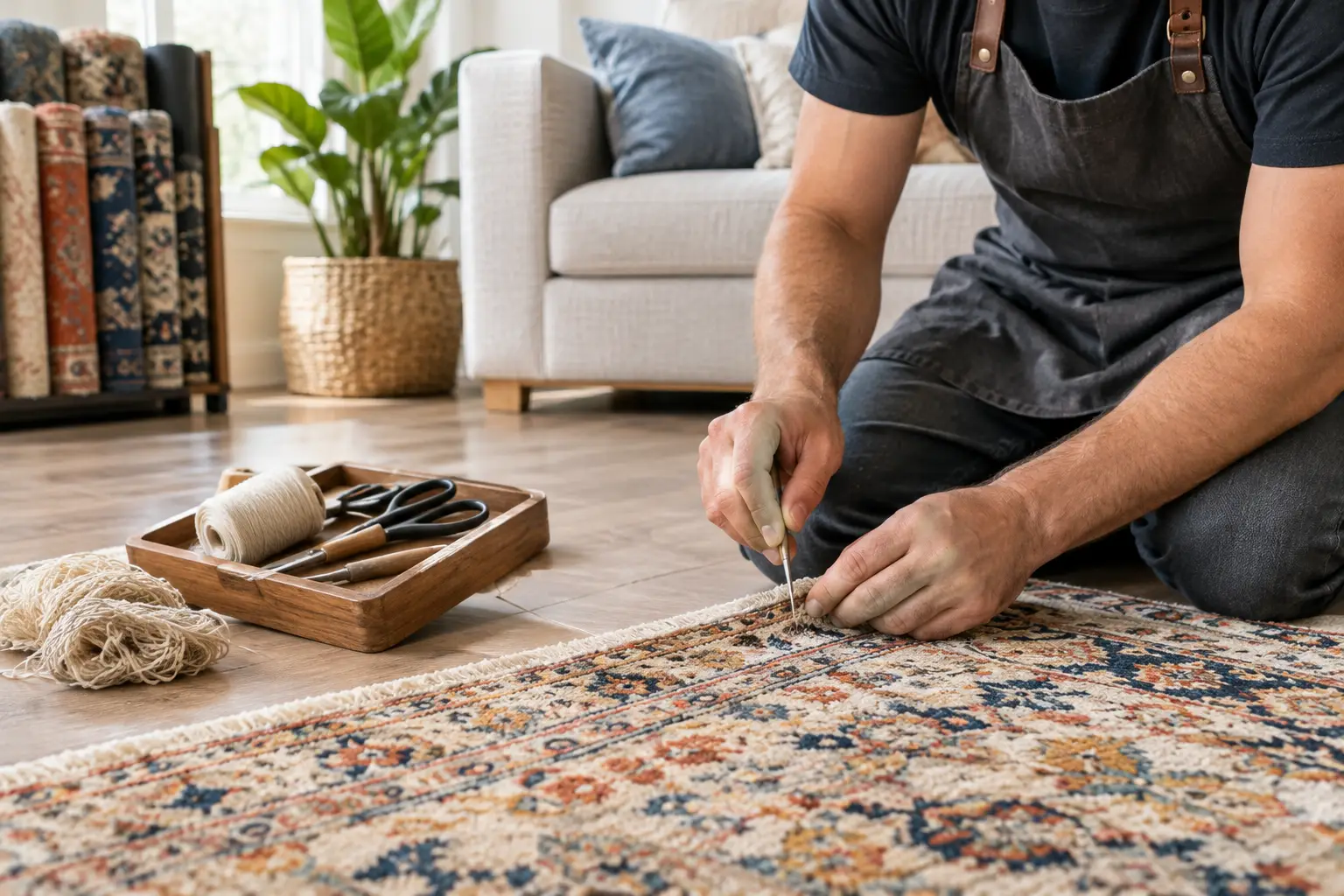
Use this Kennesaw rug repair guide to spot damage early, choose the right restoration, and protect the color, texture, and comfort of your favorite rug.
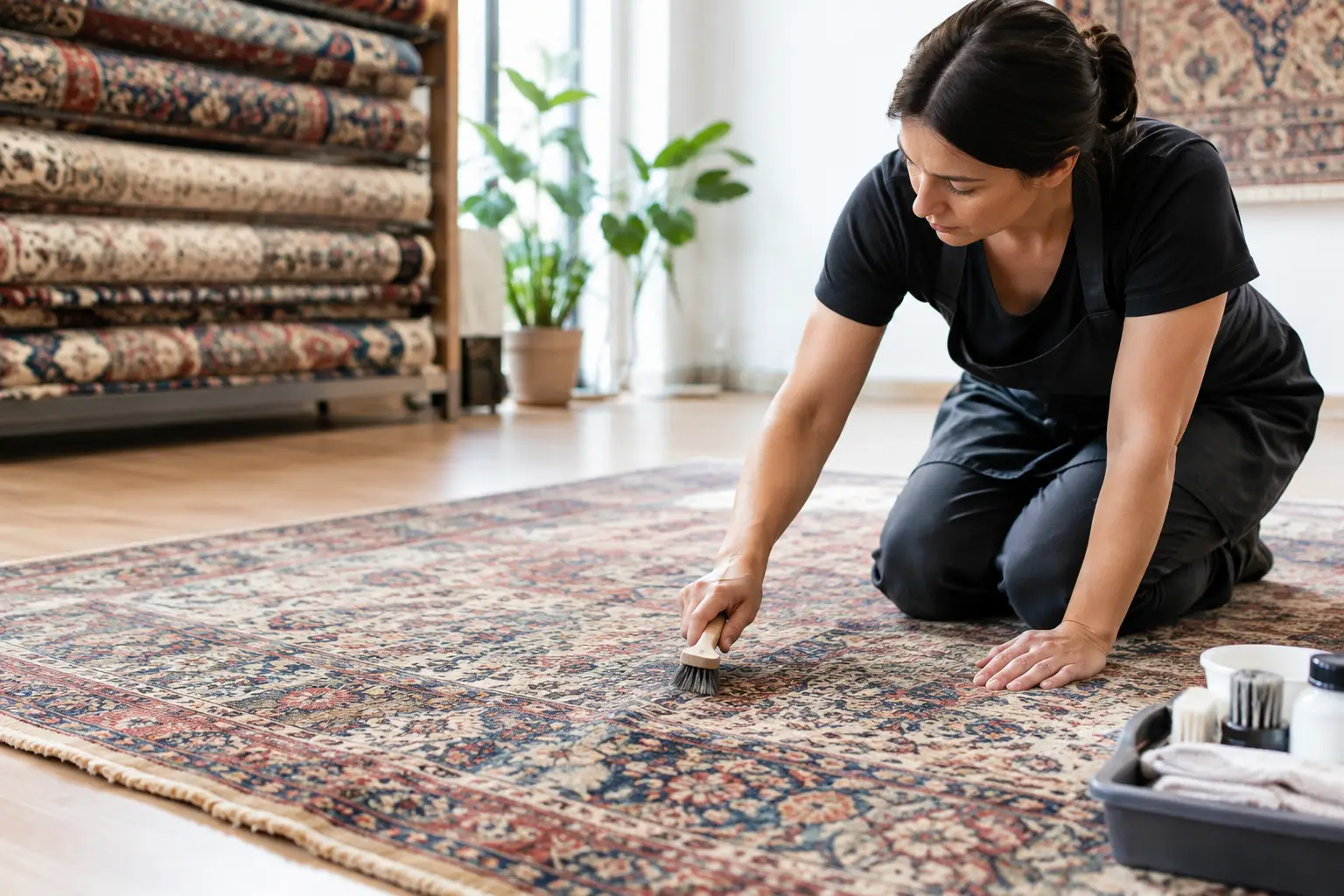
Marietta rug restoration can preserve color, texture, and history. Learn when repair makes sense and how thoughtful care protects a cherished rug at home.
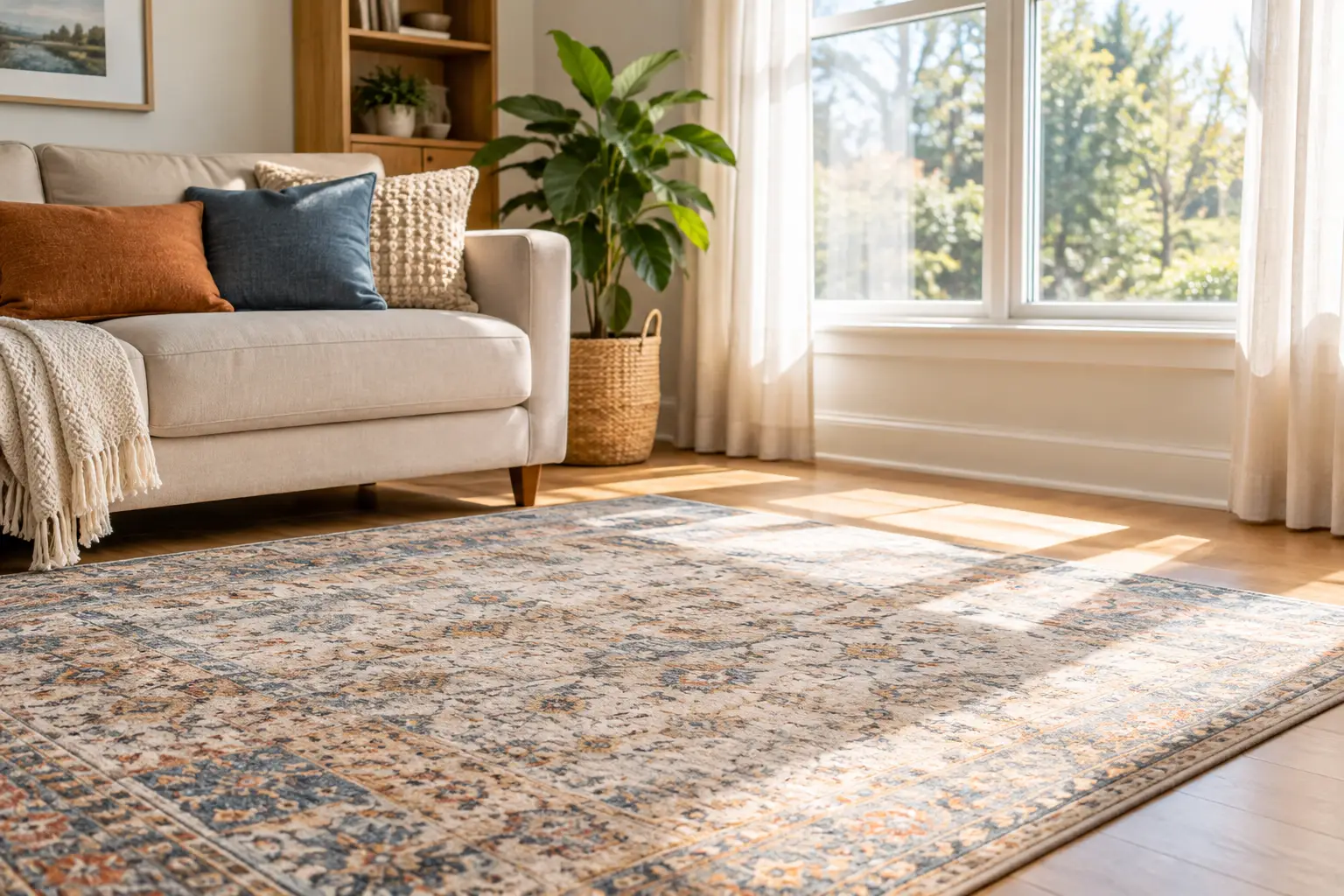
Learn how to protect rugs from sun fading with thoughtful window treatments, rotation, cleaning, and placement tips that preserve color and comfort daily.
From cozy area rugs to statement-making wall décor, our curated categories make it easy to explore what speaks to your space. Whether you’re refreshing a single corner or reimagining your whole home, start here and discover pieces that bring it all together.