A rug can carry more than a pattern. It may be the finishing layer that made a room feel complete, a meaningful piece brought home from a trip, or the soft foundation beneath years of family life. When it becomes worn, torn, faded, or damaged, rug restoration Canton GA homeowners seek out can be a thoughtful alternative to replacing something that still belongs in the home.
The right decision is not always obvious. Some rugs need a careful repair and a deep clean. Others have damage that makes restoration impractical. The difference comes down to the rug’s construction, materials, condition, and the role it plays in your space. A professional assessment brings clarity, protecting both the rug itself and the look you have worked to create.
What Rug Restoration Can Address
Restoration is more involved than routine cleaning. While cleaning removes embedded soil, odors, and surface residue, restoration focuses on repairing the physical condition of the rug and preserving its original character where possible. It is especially valuable for rugs with craftsmanship, sentimental value, or a scale and color story that would be difficult to replace.
Common concerns include fraying along the edges, loose or missing fringe, unraveling ends, small holes, worn traffic paths, pet damage, and stains that have changed the appearance of the fibers. A rug may also need attention after water exposure, especially if it has developed odor, discoloration, or waviness as it dried.
Every issue calls for a different approach. Rebinding an edge is not the same as repairing a handwoven foundation, and a faded wool rug requires different care than a machine-made synthetic design. A careful restoration should respect the rug’s weave, pile, texture, and original proportions rather than simply covering the damage.
When Restoration Is Worth the Investment
A rug does not have to be antique to be worth saving. The best candidates are often pieces that continue to work beautifully within a room but have developed localized damage. Perhaps the scale is exactly right under a dining table, the colors connect the upholstery and artwork, or the texture gives a bedroom its warm, quietly luxurious feel. Replacing it may mean starting the design process again.
Material matters, too. Wool rugs are naturally resilient and often respond well to professional care. Hand-knotted, handwoven, and heirloom-quality rugs may warrant restoration because their construction and visual depth are difficult to replicate. A custom rug is another strong candidate, particularly when it was made for a specific room shape or dimension.
Sentiment can be a meaningful factor as well. A rug inherited from a relative or chosen to mark a milestone has a story that cannot be ordered again. Restoration will not erase every sign of age, nor should it always try to. In some cases, a gentle patina is part of what makes a rug feel collected and deeply personal.
There are situations where replacement is the more sensible choice. Extensive dry rot, widespread fiber loss, severe mold damage, or deterioration across most of a lower-value rug can limit what repair can achieve. A trusted specialist should be candid about those trade-offs, helping you make a decision that feels considered rather than emotional or rushed.
Look Beyond the Visible Damage
What looks like a small problem on the surface may extend farther into the rug’s foundation. A frayed corner, for example, can continue to unravel each time the rug is vacuumed or shifted. A stain may have weakened fibers beneath the pile. Water damage can affect shape and structure long after the rug feels dry to the touch.
Addressing concerns early usually preserves more of the original rug. It also prevents a minor repair from becoming a larger visual interruption in a room that otherwise feels effortlessly styled.
The Role of Cleaning Before Repair
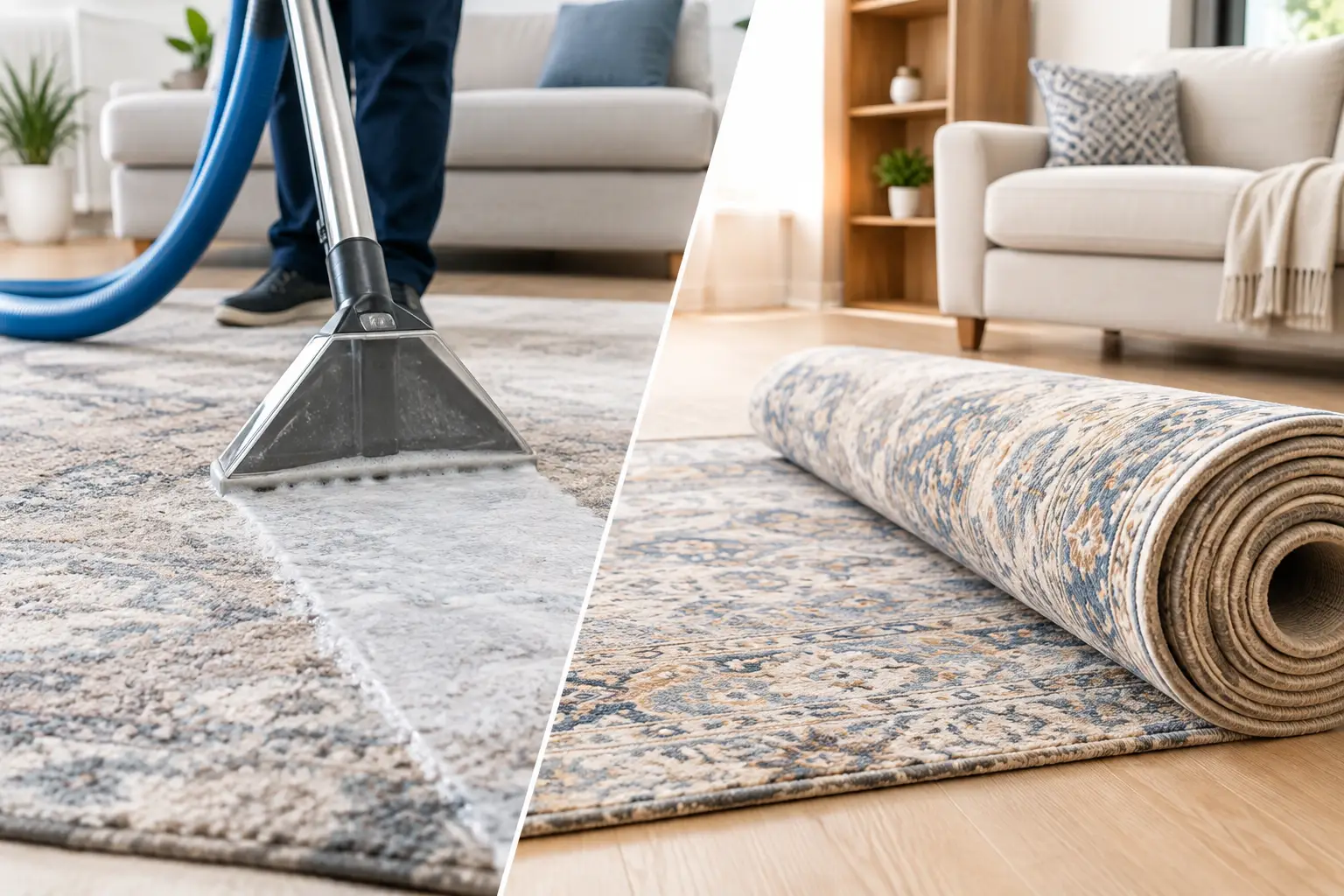
Restoration often begins with understanding what is hiding in the fibers. Soil acts like fine grit, gradually wearing down a rug as people walk across it. Pet residue, spills, and old cleaning products can also alter color or leave the pile feeling stiff. Before repair work is considered, a rug may need specialized cleaning to reveal its true condition.
This step is particularly useful when a rug looks dull rather than obviously damaged. The issue may be accumulated soil rather than permanent fading. Once cleaned, the pattern can appear sharper, the colors more balanced, and the pile more inviting underfoot. That fresh view makes it easier to decide whether a repair is needed and how extensive it should be.
At Home Rug Gallery, rug care is approached with both appearance and long-term use in mind. A restored rug should not only look more polished. It should be prepared to return to the rhythms of everyday living, from busy family rooms to calmer, layered bedrooms.
Rug Restoration in Canton GA Starts With the Right Questions
Before moving forward with restoration, it helps to consider how the rug is used now and how you want it to function going forward. Is it in a high-traffic entry, beneath dining chairs, or at the foot of a bed? Does it need to stand up to pets and children, or is it moving into a lower-traffic room where a delicate repair can be better protected?
It is also worth asking whether the rug’s current placement is contributing to the damage. A rug that slides, bunches, or catches under furniture may experience repeated stress at the edges and corners. The right rug pad can provide cushioning, keep the rug more stable, and reduce everyday wear. Furniture placement matters as well, especially when heavy legs sit directly on a repaired area.
Color and light deserve attention after restoration. If a rug has faded unevenly from direct sunlight, restoring the structure may be possible even if the original color cannot be fully recreated. In that case, repositioning the rug or adding window treatments can help preserve the refreshed look. Thoughtful care after restoration is part of honoring the work that went into the piece.
A Repair Should Still Look Like Your Rug
The goal is not to make every rug look brand new. A well-considered restoration should feel cohesive from across the room and natural when viewed up close. That might mean matching a repaired edge to the existing binding, securing fringe without making it look overly uniform, or stabilizing worn areas while preserving the rug’s character.
This is where a design-aware perspective matters. Rugs anchor a room visually. If a repair changes the rug’s proportions, edge treatment, or texture in a noticeable way, it can affect the balance of the entire space. Restoration should support the room, not introduce a new distraction.
How to Protect a Restored Rug at Home
Once a rug has been repaired, a few simple habits can help extend its life. Rotate it periodically so foot traffic and sunlight do not concentrate in the same areas year after year. Vacuum with care, avoiding aggressive passes over fringe or delicate edges. Blot spills promptly rather than rubbing them deeper into the fibers.
For rugs in active spaces, use a pad that fits the rug correctly and supports the material beneath it. Avoid placing a restored rug where moisture is likely to collect, such as directly outside an exterior door during wet weather. If pets favor one spot, address accidents quickly and consider shifting the rug’s placement if repeated exposure is a concern.
Most of all, give the rug room to be lived with rather than treated as untouchable. A beautiful home is not a museum. With the right care and timely attention, a restored rug can continue to bring comfort, texture, and a sense of history to the rooms where life actually happens.
A rug with a little wear may not be at the end of its story. It may simply need the kind of care that lets its beauty, craftsmanship, and place in your home come forward again.