


How to Remove Pet Odors From Rugs Safely
Learn how to remove pet odors from rugs without harming color or fibers, plus when professional washing is the smarter choice for a fresh home that lasts.
A rug can make a carefully furnished room feel finished – or make the whole space feel slightly off. The difference is often not the rug itself, but its scale, texture, and relationship to the furniture around it. For homeowners searching for a rug store Rome GA shoppers can feel confident visiting, the best experience is one that helps turn a beautiful first impression into a choice that works every day.
A rug is where feet land in the morning, where children play, where pets settle in, and where conversations gather. It deserves more consideration than a quick scroll and a color guess. Seeing options in person gives you the chance to compare fibers, notice undertones, and understand how a piece will support the life of your room.
It is tempting to fall for a pattern first. A rich vintage-inspired design, a soft neutral weave, or a bold contemporary motif can be hard to leave behind. Yet the strongest rooms begin with practical questions: How is the space used? Where does the furniture sit? What should the room feel like when it is complete?
In a formal living room, the rug may establish a calm, grounded foundation beneath the seating arrangement. In a busy family room, it may need to balance softness with the ability to handle daily activity. A bedroom rug can bring welcome warmth underfoot, while a dining room rug needs enough room for chairs to slide back comfortably without catching on the edge.
Bring a few details with you when you shop: room measurements, furniture dimensions, photos in natural light, and a fabric or paint sample when possible. These simple references make it much easier to evaluate whether a rug belongs in your home rather than simply looking beautiful under showroom lighting.
Size has more influence on a room than color, and it is the detail shoppers most often underestimate. A rug that is too small can make substantial furniture seem disconnected and leave a room feeling unfinished. Choosing a slightly larger size usually creates a more intentional, generous effect.
For a living room, aim to place at least the front legs of sofas and chairs on the rug. If the room allows, having all major seating pieces rest on the rug creates an especially tailored look. In an open-concept space, a well-sized rug is also a quiet way to define the living area without adding visual walls.
In a dining room, measure beyond the table itself. The rug should extend far enough that chairs remain on it when pulled out. Bedrooms offer more flexibility: a large rug can sit beneath the bed and reach beyond both sides, while runners placed alongside the bed can create a lighter, more minimal look.
There are exceptions. A smaller accent rug can be exactly right by a sink, beside a reading chair, or in an entry where architectural constraints limit the footprint. The key is to choose a small rug deliberately, not because the larger option felt uncertain.
A rug’s material affects its texture, durability, care needs, and the way its color appears. This is one reason an in-person showroom remains valuable. A photo can suggest softness, but it cannot show how a hand feels across the pile or how a flatweave sits beneath a chair.
Wool remains a favorite for living spaces because it offers natural resilience, comfortable texture, and a refined appearance that suits both traditional and modern interiors. It can be a meaningful investment, particularly in rooms where the rug will anchor the design for years.
Synthetic fibers can be an excellent choice for active households, especially where easy care and everyday durability matter most. Many modern options offer elevated pattern and texture without asking a family to treat the room like a museum. Natural fibers such as jute and sisal add organic character and relaxed warmth, though their texture may not suit every bare foot or every dining chair.
Construction matters, too. A plush pile can make a bedroom or low-traffic sitting room feel particularly inviting. A lower-profile rug is often more practical beneath dining chairs, near doors, or in rooms where doors need clearance. Hand-knotted, hand-tufted, power-loomed, and flatwoven rugs each offer different qualities. Rather than assuming one method is always best, consider where the rug will live and what you expect from it.
The same rug can look entirely different from morning to evening. Sun-facing rooms may bring out warm notes, while shaded spaces can make cool gray or blue undertones more pronounced. This is why photographs of your room and in-person color comparison are so useful.
A rug does not need to match every element in the room. In fact, exact matching can make a space feel overly coordinated. A more polished approach is to repeat a few tones across the room: perhaps the rug picks up the warmth of wood floors, the soft blue in a pillow, or the quiet ivory in drapery. The result feels collected rather than forced.
For rooms with strong existing color, a neutral rug with texture can create breathing room. For a space built around neutral upholstery, a patterned rug may provide the layer of personality the room needs. Darker grounds can be forgiving in high-use areas, while lighter rugs bring an airy quality to bedrooms and quieter rooms. Neither is universally better. It depends on your light, lifestyle, and appetite for maintenance.
A polished interior is rarely made from one texture repeated throughout. If your sofa is smooth leather, a wool rug with visible weave can soften the composition. If the room already has plush upholstery and drapery, a low-pile rug with subtle movement may keep it from feeling too heavy.
Texture also shapes the mood. A softly distressed pattern can bring relaxed character to a newer home. A crisp geometric design can give a traditional room a fresh point of view. Natural fibers feel grounded and casual, while a dense, finely detailed rug often reads as more formal. These choices are deeply personal, but they should also support the architecture and pace of the room.
A knowledgeable showroom team can help you place samples beside one another and notice the details that are easy to miss alone: competing patterns, clashing undertones, or a pile height that may not suit the furniture. That guidance is not about following rigid design rules. It is about making a decision you will still enjoy after the novelty wears off.
The right store offers more than a wall of rugs. Look for a design-oriented experience where you can compare styles at full scale, discuss placement, and coordinate the rug with pillows, lighting, throws, and other finishing layers. A room feels more effortlessly styled when its pieces are considered together.
It is also wise to ask about long-term care before you bring a rug home. Professional cleaning, repair, restoration, and custom rug options can add real value, especially for pieces you intend to keep. A rug may encounter muddy shoes, a spill during a holiday gathering, or years of traffic in a favorite gathering space. Knowing there is knowledgeable support available changes how confidently you can invest in a piece you love.
Home Rug Gallery approaches rug shopping as part of a complete home, pairing curated choices with practical expertise in care, restoration, and personal design direction. That combination is especially helpful when you are building a room around more than one purchase.
Once a rug arrives, give it a little time. Furniture may need a slight adjustment, pillows may need editing, and the room’s balance can shift as the rug becomes part of the landscape. Use a quality rug pad when appropriate to add cushioning, prevent slipping, and help protect both the rug and the floor beneath it.
The best rug does more than fill open floor space. It gives a room a center, makes everyday comfort feel considered, and turns the furnishings you already love into a home that feels deeply personal.
Learn how to remove pet odors from rugs without harming color or fibers, plus when professional washing is the smarter choice for a fresh home that lasts.
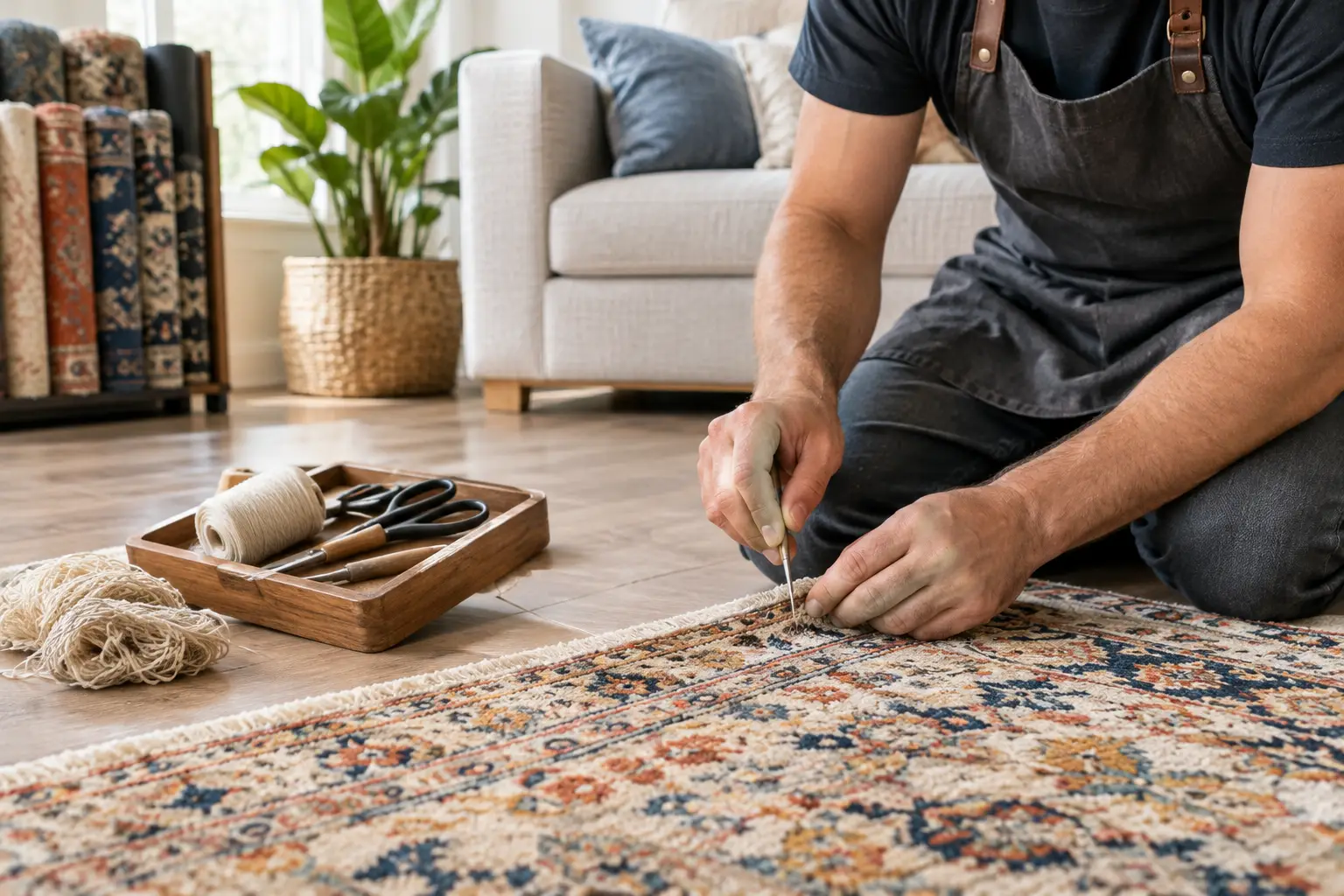
Use this Kennesaw rug repair guide to spot damage early, choose the right restoration, and protect the color, texture, and comfort of your favorite rug.
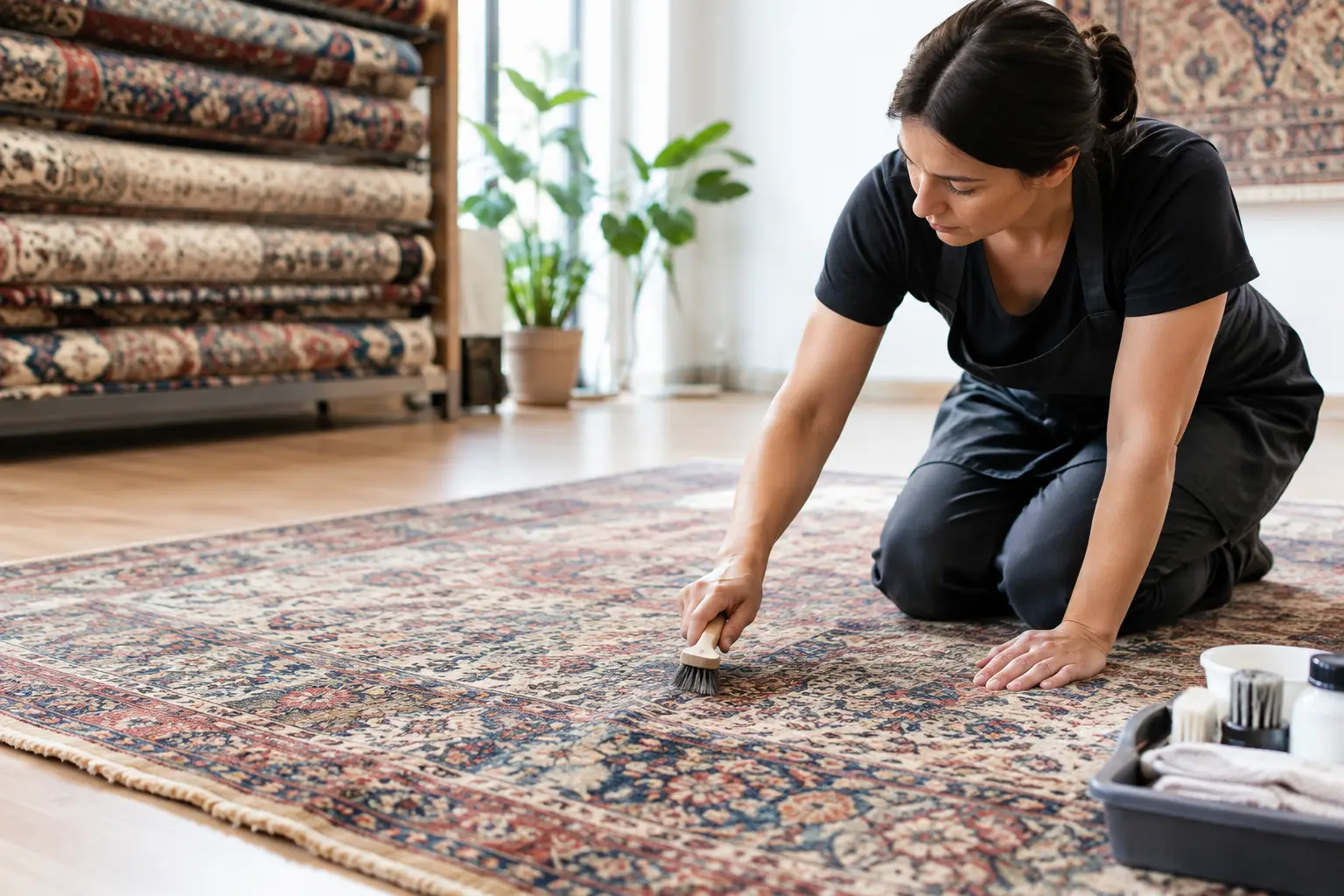
Marietta rug restoration can preserve color, texture, and history. Learn when repair makes sense and how thoughtful care protects a cherished rug at home.
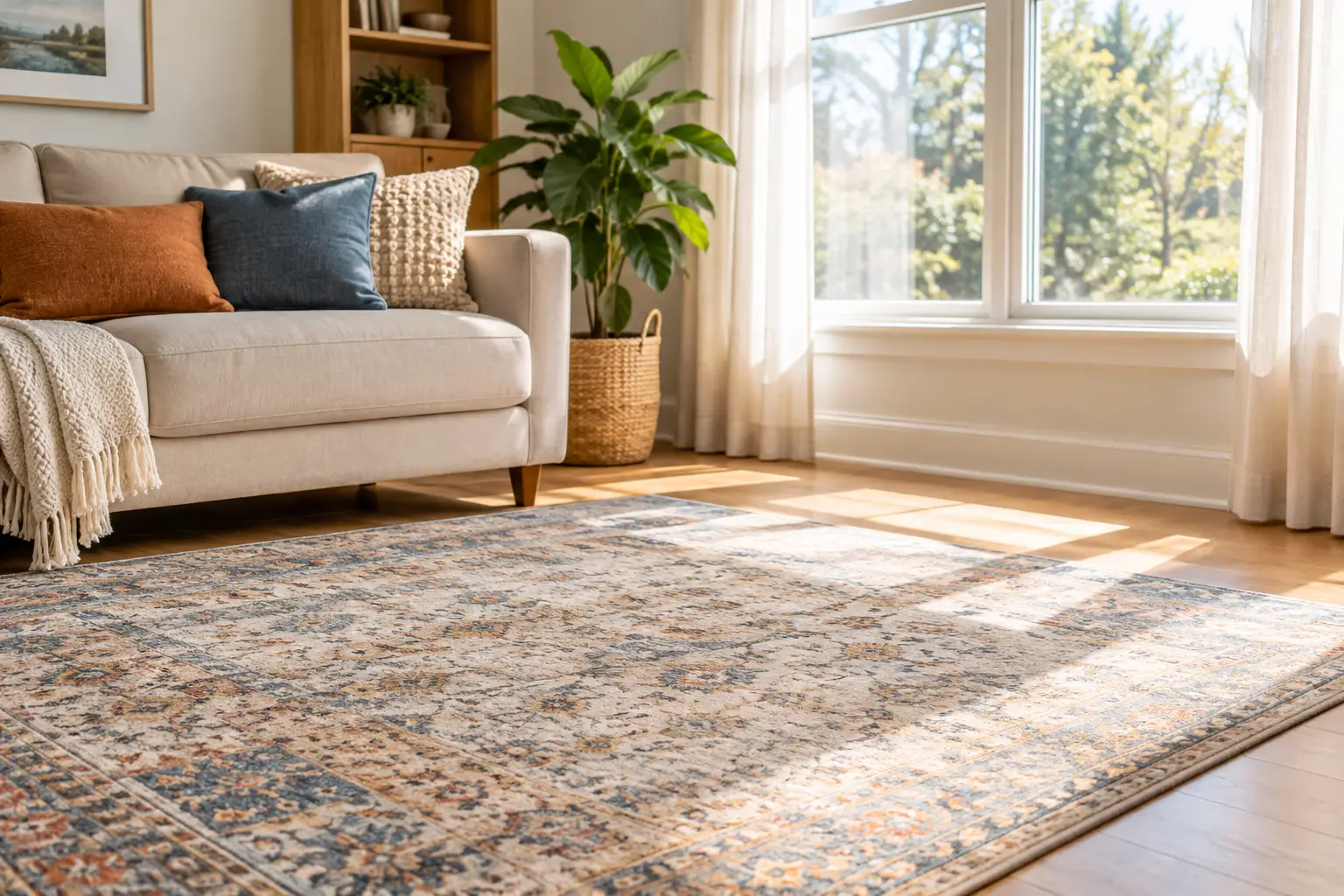
Learn how to protect rugs from sun fading with thoughtful window treatments, rotation, cleaning, and placement tips that preserve color and comfort daily.
From cozy area rugs to statement-making wall décor, our curated categories make it easy to explore what speaks to your space. Whether you’re refreshing a single corner or reimagining your whole home, start here and discover pieces that bring it all together.