


How to Remove Pet Odors From Rugs Safely
Learn how to remove pet odors from rugs without harming color or fibers, plus when professional washing is the smarter choice for a fresh home that lasts.
A rug can make a beautifully furnished room feel finished, or make a well-designed space feel strangely disconnected. For homeowners shopping for rugs Canton GA, the right choice is rarely about choosing a pattern alone. Size, texture, color, durability, and the way a rug relates to your furniture all shape whether a room feels settled, inviting, and effortlessly styled.
A thoughtfully chosen rug brings softness underfoot, defines how a room is used, and gives the rest of the décor something to respond to. It can introduce quiet luxury to a neutral living room, add warmth beneath a dining table, or make a bedroom feel more personal before the first pillow is placed.
It is tempting to fall in love with a design first. That can work, but the most successful rooms begin with a clear understanding of what the space needs. Consider how the room is used, how much natural light it receives, and which furnishings are staying. A busy family room with pets and children needs a different material and construction than a formal sitting room or peaceful primary bedroom.
Think about the visual role the rug should play, too. If your upholstery, drapery, and artwork already have strong color or pattern, a tonal rug with subtle texture may create the balance the room needs. If the furniture is simple and neutral, the rug can carry more personality through a vintage-inspired motif, a geometric design, or a richly layered palette.
The goal is not for every piece to compete for attention. A polished room has a point of view, with each element supporting the next.
Scale is one of the most common reasons a room feels unfinished. A rug that is too small can make furniture appear as though it is floating around the perimeter of the space. In most rooms, a larger rug creates a more grounded, generous look.
For a living room, aim to place at least the front legs of sofas and chairs on the rug. This visually connects the seating arrangement and creates a clear conversation area. If the room allows, placing all furniture legs on the rug offers an especially tailored, spacious appearance.
A smaller rug can be appropriate in a compact room, but it should still relate intentionally to the seating. Rather than centering a small rug in an open expanse of flooring, use it to anchor a defined furniture grouping.
In a dining room, the rug should extend beyond the table far enough that chairs remain on it when pulled back. This is both a visual and practical consideration. A beautiful dining rug loses some of its appeal when chair legs catch on the edge every time someone sits down.
Flatwoven or low-pile options are often a smart choice here because chairs move more easily across the surface. That said, a low-profile rug does not have to feel plain. Texture, color variation, and thoughtful pattern can bring warmth to the dining area without adding visual weight.
A bedroom rug should offer a soft landing when you step out of bed. A large rug can sit beneath the lower two-thirds of the bed and extend beyond the sides, creating a calm foundation for the room. Alternatively, matching runners on each side can work well in smaller spaces or rooms with unusual layouts.
The best bedroom rugs tend to feel inviting rather than overly formal. Plush texture, gentle pattern, and warm undertones can make the room feel more restorative.
A rug should suit your lifestyle as much as your style preferences. Natural fibers, performance-oriented materials, and different pile heights each come with advantages. The right choice depends on where the rug will live and how much activity it will see.
Wool remains a favorite for many homeowners because it has a naturally substantial feel, beautiful color depth, and resilience under regular use. It works beautifully in living rooms, bedrooms, and other spaces where comfort and lasting quality matter. Wool can shed at first, particularly with a new rug, but that generally lessens with routine care.
For high-traffic areas, low-pile rugs and easy-care materials can be a practical fit. They are often easier to vacuum, less likely to trap debris, and well suited to entryways, dining spaces, and active family rooms. A flatweave can offer an understated, tailored look, while a textured low pile provides more softness without becoming difficult to maintain.
Silk or silk-blend rugs offer exceptional sheen and detail, but they are best reserved for lower-traffic rooms where their refined surface can be appreciated. This is a classic example of where the most luxurious-looking option is not always the most practical one. A rug should feel beautiful to live with, not precious to use.
When choosing a rug, look beyond the most obvious color. A rug with multiple subtle tones can connect a room more naturally than one bold shade. For example, a soft blue-gray rug may also include ivory, sand, taupe, and muted charcoal, giving you several directions for pillows, throws, lighting, and accessories.
Bring fabric samples, paint colors, or photos of your furnishings when shopping in person. This helps you see whether undertones truly work together. Two colors can seem similar in isolation but clash once placed in the same room. Warm ivory and cool white, for instance, create very different effects.
A darker or more patterned rug can be especially forgiving in an active home, while a light neutral rug can make a room feel open and airy. Neither is automatically better. It depends on the amount of traffic, the desired mood, and how much contrast the rest of the room already has.
Screens are useful for gathering ideas, but they cannot fully communicate a rug’s texture, density, color movement, or finish. A color that appears warm beige online may read cooler in person. A subtle pattern may have more depth than expected, while a high-pile rug may feel different underfoot than it looks in a photograph.
Seeing rugs in a showroom also makes comparison easier. You can place options side by side, notice how fibers catch the light, and consider whether a rug feels right for the way you want to live. This is where a local design resource can be especially valuable. At Home Rug Gallery, homeowners can explore curated rugs alongside pillows, poufs, throws, lighting, and décor, making it easier to create a cohesive room rather than purchasing isolated pieces.
Design guidance does not mean someone else decides your style. It means having a knowledgeable perspective when you are choosing between two strong options, working around an existing sofa, or trying to make a room feel more complete without starting over.
The right care protects both the appearance and the lifespan of a rug. Regular vacuuming helps remove dirt before it settles into the fibers, although delicate fringes and high-pile pieces may need a gentler approach. Rotate rugs periodically in sunny rooms or high-traffic areas so wear develops more evenly.
Spills should be addressed promptly by blotting, not rubbing. Rubbing can push a stain deeper into the fibers and distort the pile. For valuable, handmade, or heavily soiled rugs, professional rug cleaning is often the safer choice than relying on a household cleaner that may leave residue or affect color.
Repair and restoration can also be worthwhile when a rug has sentimental value, quality construction, or a design that would be difficult to replace. Loose edges, fringe concerns, and small areas of damage are often easier to address early than after they become larger problems.
The best rug is not simply the one that matches the sofa. It is the one that makes the room feel more like yours: comfortable enough for everyday life, considered enough for company, and timeless enough that you will enjoy seeing it year after year. Start with the room you want to create, trust what feels right underfoot, and let the details build from there.
Learn how to remove pet odors from rugs without harming color or fibers, plus when professional washing is the smarter choice for a fresh home that lasts.
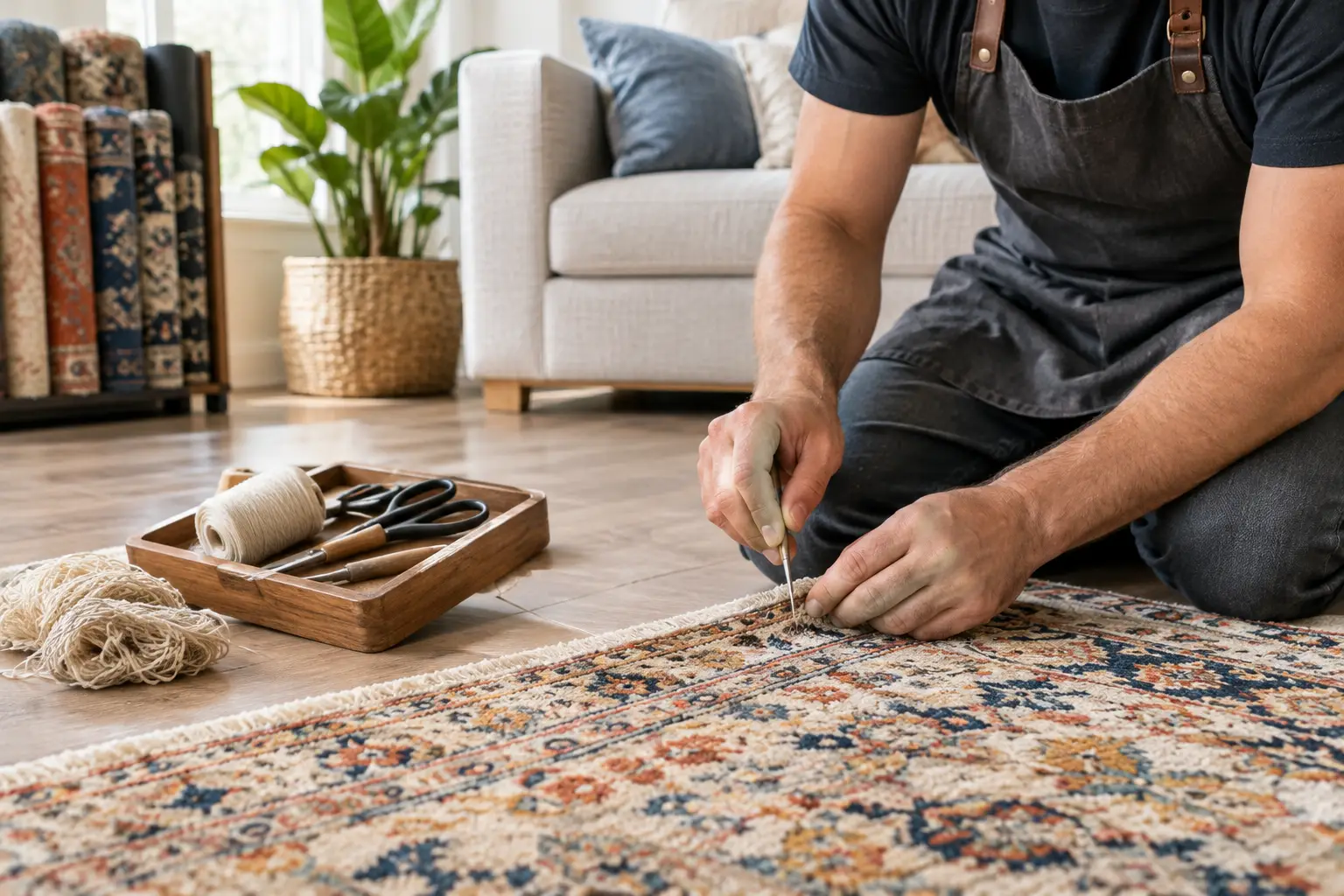
Use this Kennesaw rug repair guide to spot damage early, choose the right restoration, and protect the color, texture, and comfort of your favorite rug.
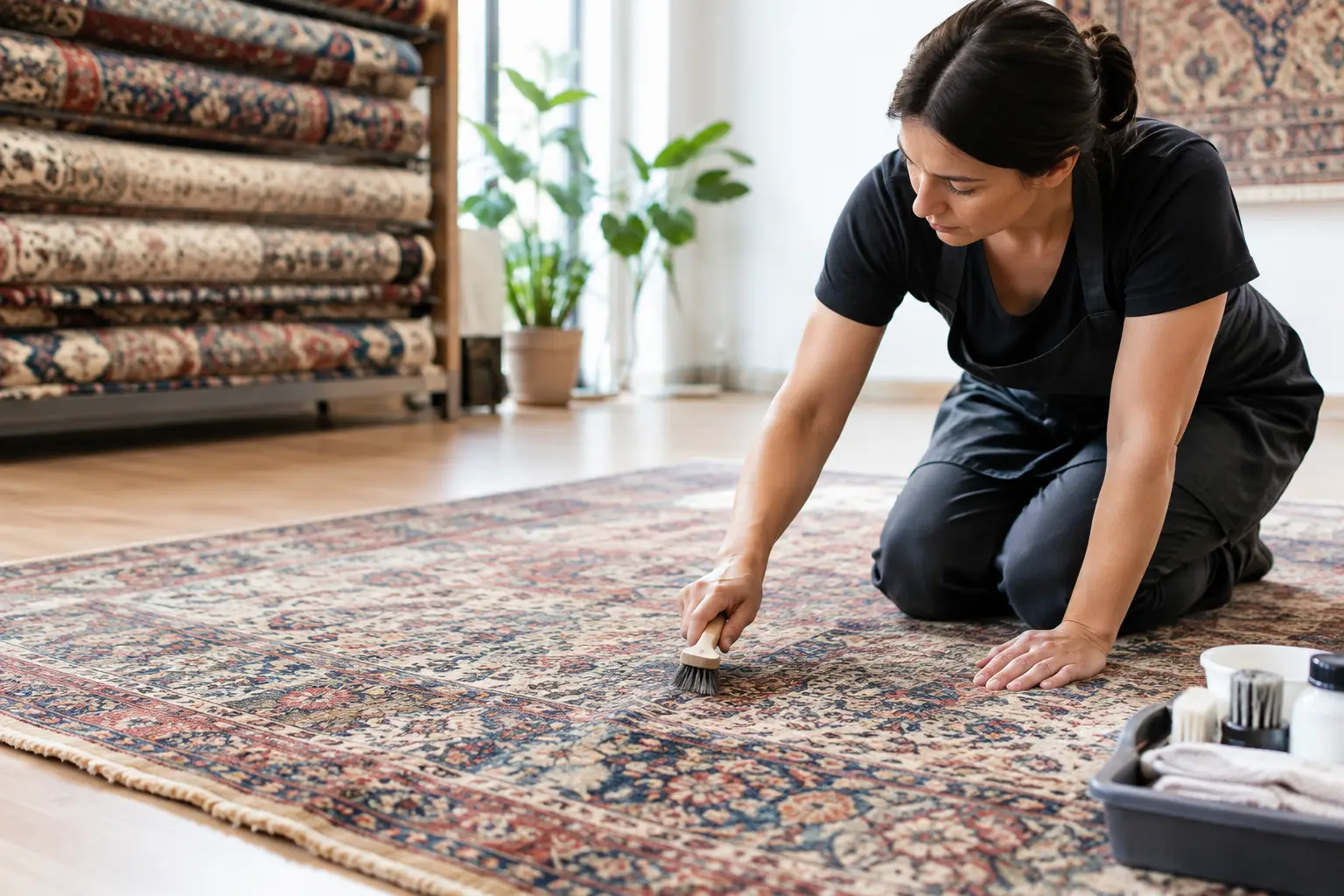
Marietta rug restoration can preserve color, texture, and history. Learn when repair makes sense and how thoughtful care protects a cherished rug at home.
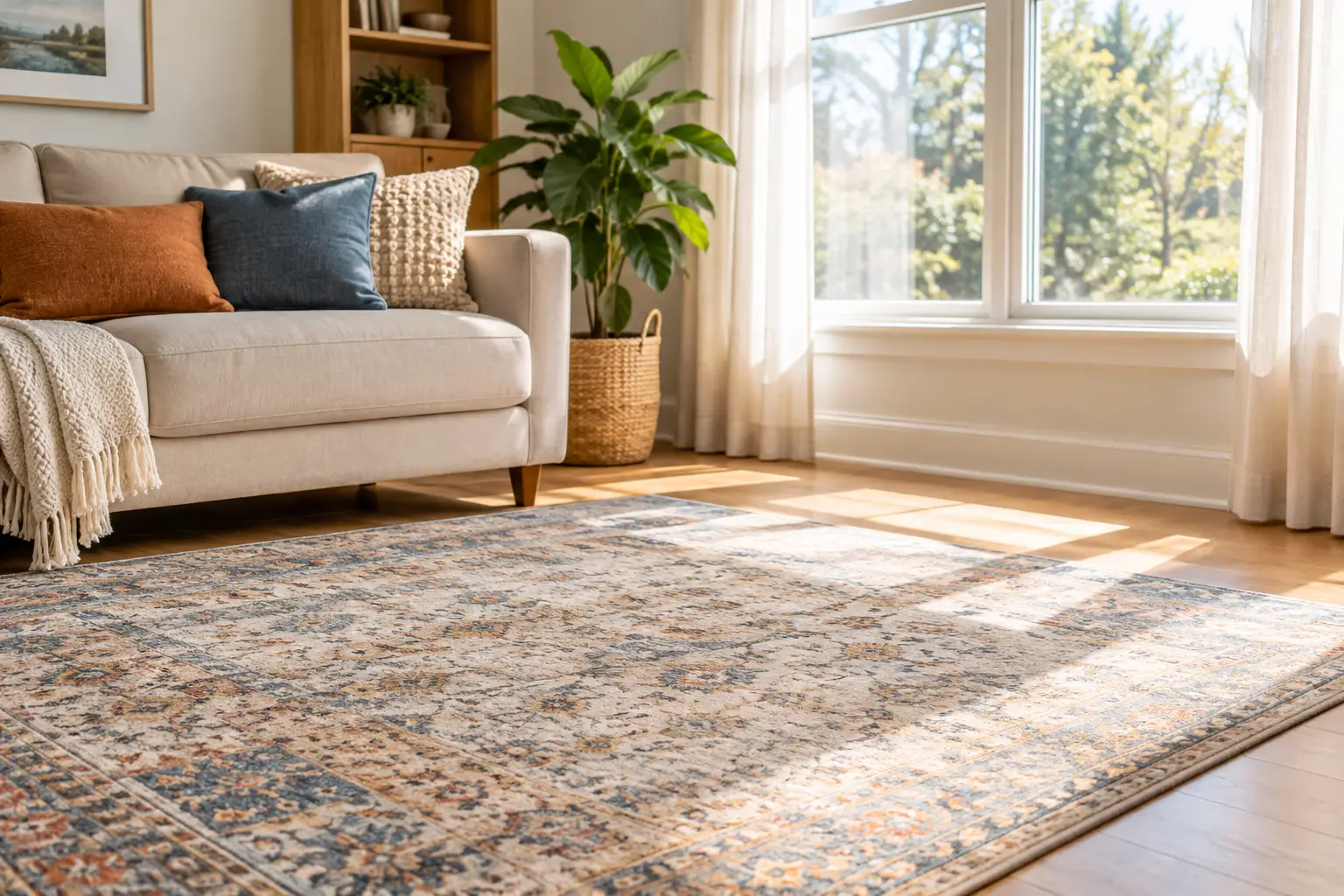
Learn how to protect rugs from sun fading with thoughtful window treatments, rotation, cleaning, and placement tips that preserve color and comfort daily.
From cozy area rugs to statement-making wall décor, our curated categories make it easy to explore what speaks to your space. Whether you’re refreshing a single corner or reimagining your whole home, start here and discover pieces that bring it all together.