


How to Remove Pet Odors From Rugs Safely
Learn how to remove pet odors from rugs without harming color or fibers, plus when professional washing is the smarter choice for a fresh home that lasts.
A rug can look perfect on a screen and still feel entirely wrong once it reaches your living room. The color shifts in your natural light. The pile feels thinner than expected. Or the size leaves too much bare floor around the seating area. When you search for rugs near me, the benefit is not simply finding a nearby place to shop. It is being able to see, touch, compare, and confidently choose the piece that will set the tone for your room.
For homeowners in Canton and surrounding North Georgia communities, a rug is often the element that turns a collection of furniture into a space that feels considered. It adds warmth underfoot, softens acoustics, brings color into a neutral room, and gives even a newly furnished home a more settled, deeply personal feel.
A rug is one of the most tactile design decisions in a home. Its texture affects how a room feels every day, whether you are stepping out of bed in the morning, gathering around the coffee table, or watching children and pets move through a busy family room. Those details are difficult to judge from a thumbnail image.
In a showroom, you can place several options side by side and notice the differences that matter: a soft low pile versus a more dimensional weave, a warm ivory versus a cooler cream, or a pattern that reads quiet and tailored rather than busy. You can also see how a hand-finished edge, layered texture, or subtle variation in color gives a rug presence without demanding all the attention.
There is also a practical advantage. A local design resource can help you work through the questions that tend to surface after you begin shopping. Does the rug need to define an open-concept seating area? Should it accommodate a dining table with chairs pulled back? Is the room asking for contrast, or does it need a softer foundation that lets artwork and upholstery lead? The right answer depends on the room, not a trend cycle.
It is tempting to fall for a pattern first. A beautiful rug can absolutely become the starting point for a room, but its proportions and purpose should guide the decision before its design does.
A living room rug should visually connect the seating, rather than float in the center like a small island. In many rooms, the strongest arrangement allows the front legs of the sofa and chairs to rest on the rug. In a larger space, placing all furniture legs on the rug can create a more expansive, quietly luxurious effect.
Before shopping, measure the full seating area and mark the potential rug dimensions on the floor with painter’s tape. This small step makes scale visible. A rug that is too small can make quality furniture look disconnected, while a properly sized piece makes the same room feel more intentional.
For a dining room, choose a size that extends beyond the table on every side so chairs remain on the rug when pulled out. This protects the visual balance of the room and avoids the frustrating wobble that happens when chair legs catch the edge.
Flatweave and low-pile rugs are often especially practical beneath a table because chairs slide more easily and crumbs are simpler to manage. That does not mean the look has to be plain. A refined geometric, faded traditional motif, or textured neutral can add character while remaining easy to live with.
In a bedroom, a rug should greet you where your feet naturally land. A large rug placed beneath the lower portion of the bed creates a polished, grounded look and offers softness along both sides. In smaller bedrooms, runners or carefully placed accent rugs can still bring that sense of comfort without overwhelming the floor plan.
Consider the mood you want to create. A woolly texture, tonal pattern, or warm neutral can make a bedroom feel restful. A rug with richer color or an artful motif can give a more minimal bedroom the personality it may be missing.
The most beautiful rug is the one that suits the way your household actually lives. A formal sitting room and a high-traffic family room should not necessarily be treated the same way.
Wool remains a favorite for good reason. It offers natural resilience, warmth, and a substantial feel that works beautifully in many spaces. Its fibers can disguise everyday wear well, making it a strong choice for rooms that are used often. Some wool rugs may shed at first, particularly when new, but that typically settles with regular care.
Synthetic fibers can be a sensible option for active homes, entryways, and spaces where easy care is the priority. They can offer strong color retention and practical durability, especially when the room sees frequent foot traffic. Their feel varies widely, which is precisely why seeing them in person is helpful.
Natural fibers such as jute and sisal bring organic texture and an easy, relaxed sophistication. They can be especially appealing in layered, neutral interiors. The trade-off is that their coarse texture may not be ideal for every bare-footed space, and some homes may find them less suited to areas prone to moisture or spills.
For a finely detailed or heirloom-quality piece, construction matters as much as fiber. Hand-knotted, hand-tufted, and machine-made rugs each offer distinct qualities in texture, longevity, and visual character. There is no single best construction. The best choice is the one that aligns with the room’s use, your desired look, and how long you plan to enjoy it.
A rug does not have to match every color in the room. In fact, the most effortlessly styled spaces usually avoid that approach. Instead, look for a rug that relates to the room’s existing elements: the undertone of the flooring, the fabric on the sofa, the finish on the wood furniture, or a color repeated in artwork.
If your furniture is neutral, a rug can introduce muted blues, earth tones, soft greens, or a faded terracotta note without making the room feel overly decorated. If your upholstery already carries a strong pattern or color, a textural solid or low-contrast rug may provide the calm the space needs.
Pay close attention to undertones. Two shades labeled gray, beige, or ivory can look surprisingly different together. One may lean warm and golden, while another reads cool or slightly pink. Looking at options under natural light and alongside a fabric sample can prevent a near-match from becoming a design distraction.
A thoughtfully chosen rug makes coordinating the rest of the room easier. Once its color story and texture are established, pillows, throws, lighting, poufs, and decorative accents can be selected with more direction. The goal is not to make every piece identical. It is to create a conversation among materials and colors.
For example, a vintage-inspired rug with warm rust and faded blue can pair beautifully with linen-toned upholstery, a textured throw, and a ceramic lamp with a warm finish. A contemporary ivory rug with subtle linear texture may call for sculptural lighting, tailored pillows, and natural wood accents. The room begins to feel layered rather than assembled all at once.
At Home Rug Gallery, the showroom experience is designed around that larger picture. Bringing a few photos, room measurements, and fabric or paint samples can make the conversation far more productive. A rug choice becomes easier when you can compare it with coordinating pieces and see how the room might come together.
A quality rug is part of a home’s daily life, which means it will eventually need care. Regular vacuuming suited to the rug’s construction helps manage surface dirt, while prompt attention to spills can reduce the chance of lasting stains. Avoid aggressive scrubbing, which can damage fibers or push a spill deeper into the pile.
For rugs with sentimental or financial value, professional cleaning and repair can be especially worthwhile. Fringe damage, loose edges, worn areas, and discoloration do not always mean a rug has reached the end of its life. Skilled rug cleaning, repair, and restoration can help preserve pieces that still deserve a place in your home.
This is another reason local expertise matters. The relationship does not need to end when the rug leaves the showroom. A well-loved rug may need thoughtful support years later, especially in homes where it has become part of family routines and memories.
Bring measurements, photos, and a sense of how you want the room to feel. That preparation gives you a useful starting point. But allow yourself to respond to what you see in person, too. The rug you expected to choose may not be the one that makes your room feel complete.
Often, the right piece is the one that quietly makes everything else look better: the sofa feels more inviting, the lighting feels warmer, and the room suddenly has a point of view. That is the kind of choice worth taking the time to make.
Learn how to remove pet odors from rugs without harming color or fibers, plus when professional washing is the smarter choice for a fresh home that lasts.
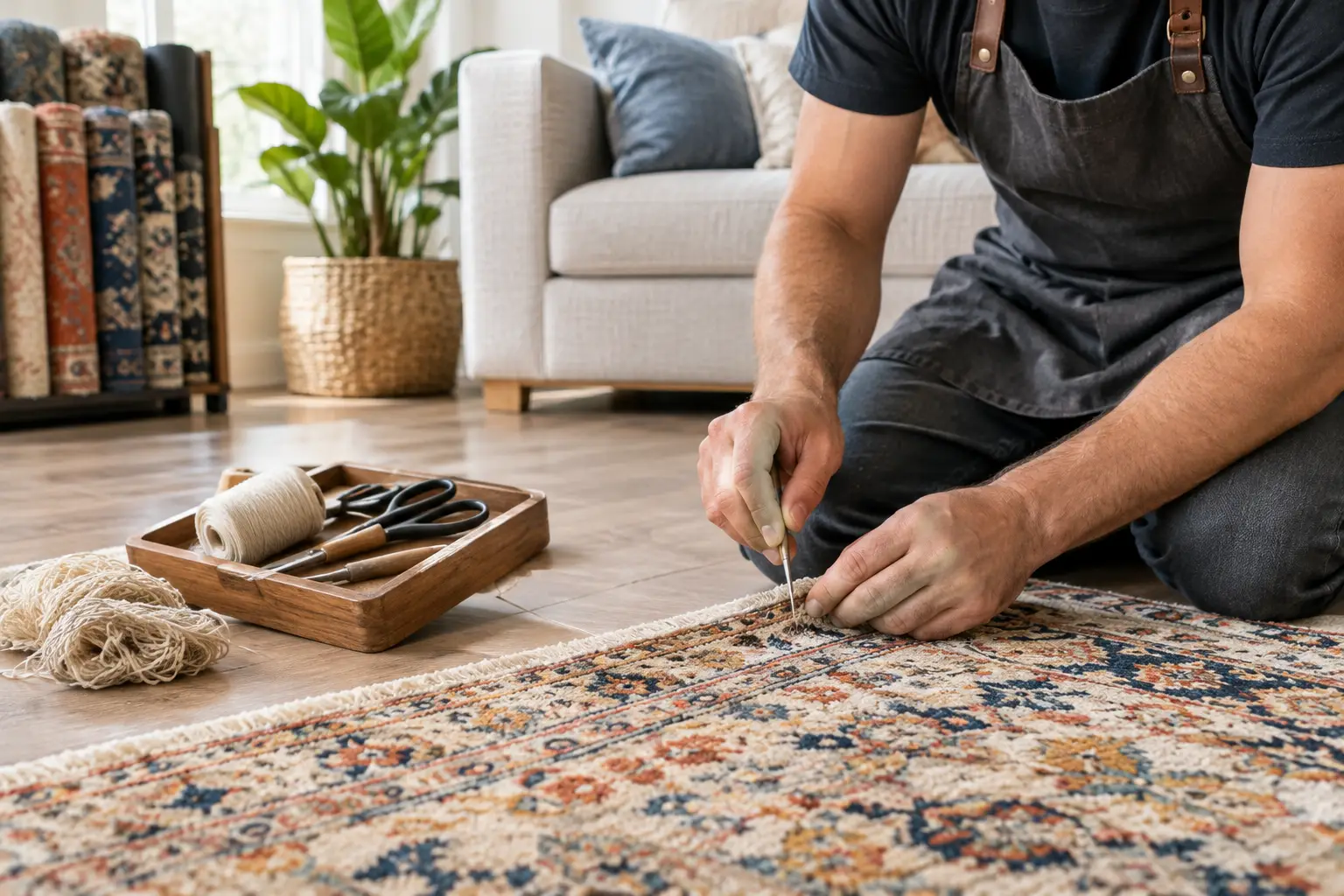
Use this Kennesaw rug repair guide to spot damage early, choose the right restoration, and protect the color, texture, and comfort of your favorite rug.
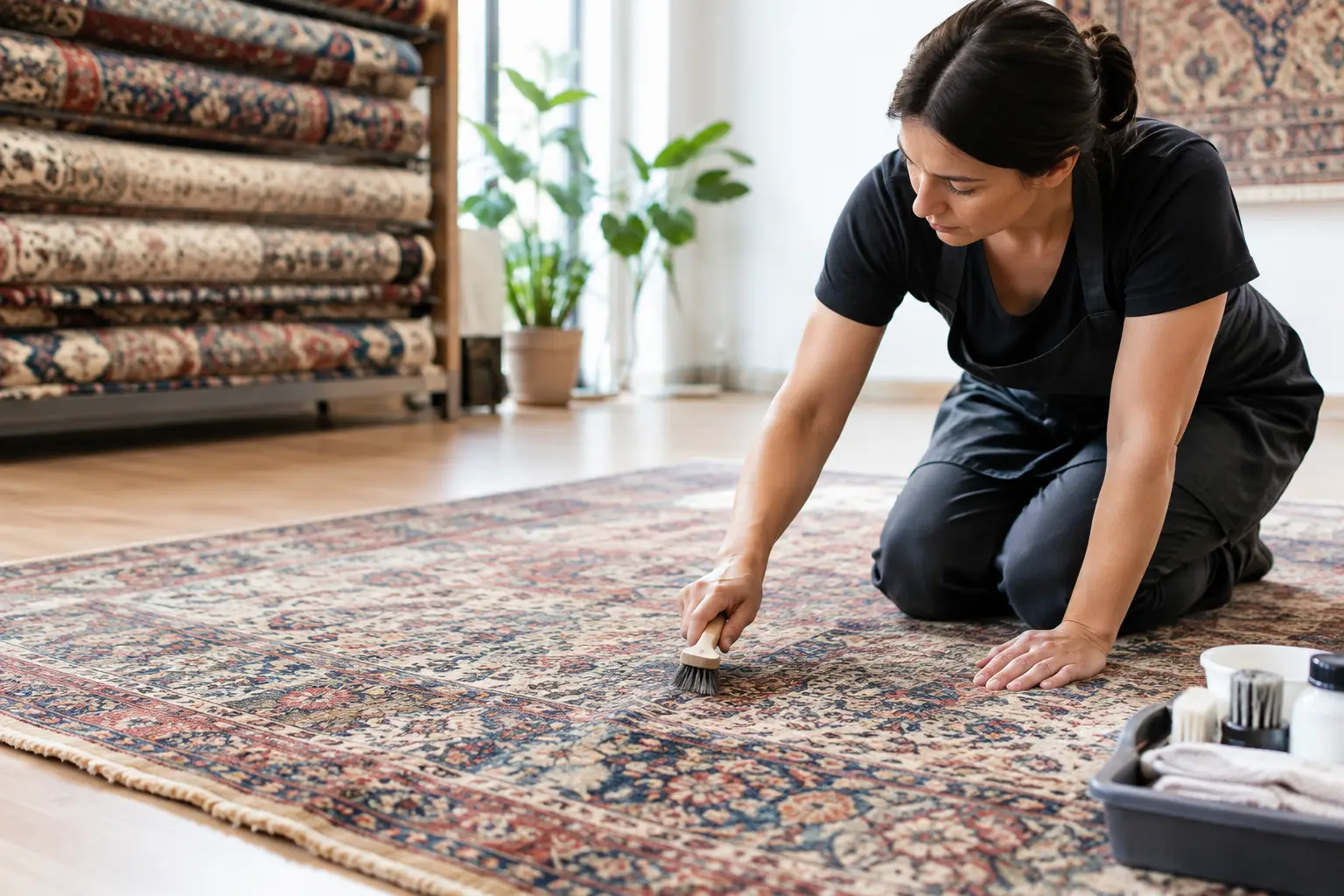
Marietta rug restoration can preserve color, texture, and history. Learn when repair makes sense and how thoughtful care protects a cherished rug at home.
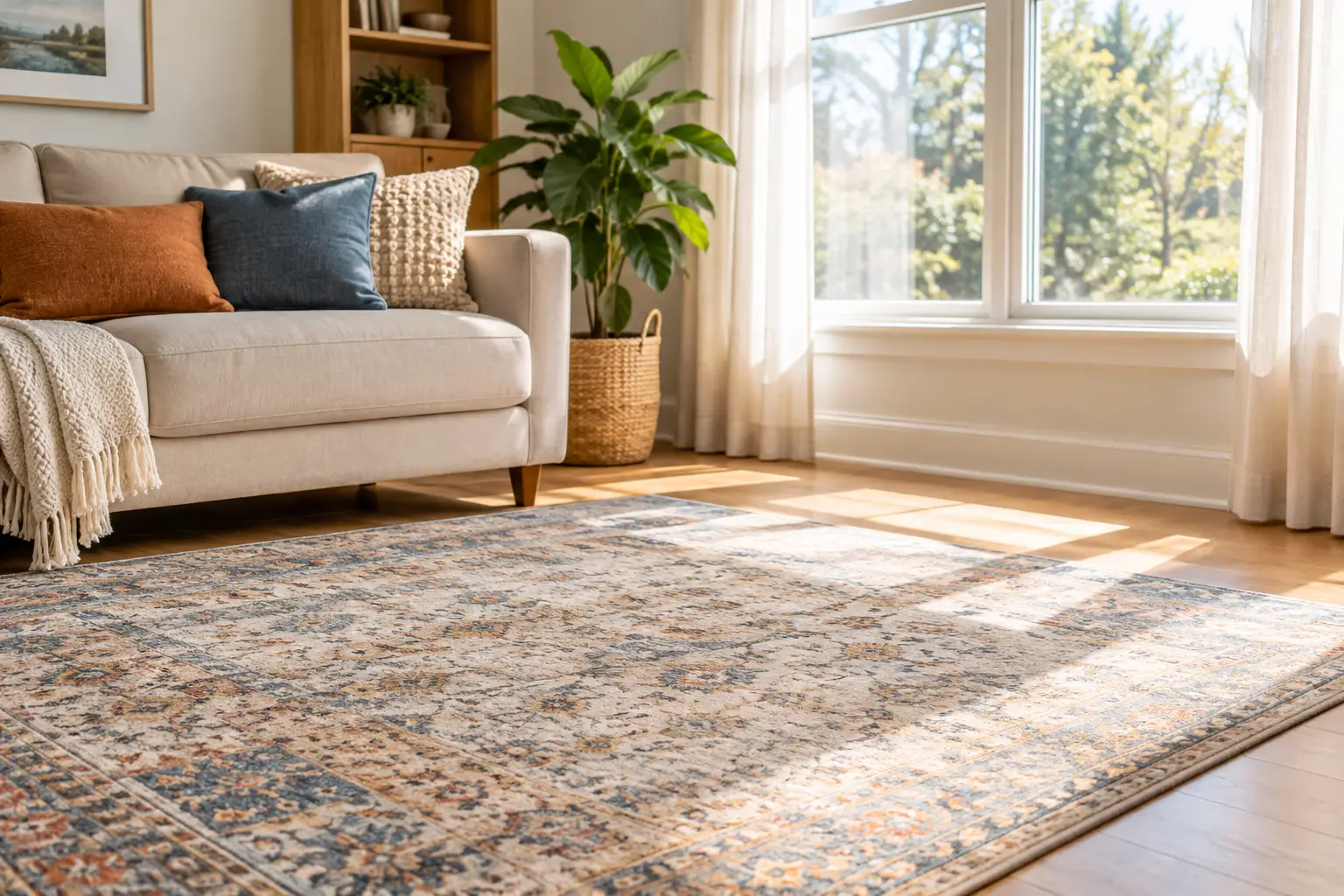
Learn how to protect rugs from sun fading with thoughtful window treatments, rotation, cleaning, and placement tips that preserve color and comfort daily.
From cozy area rugs to statement-making wall décor, our curated categories make it easy to explore what speaks to your space. Whether you’re refreshing a single corner or reimagining your whole home, start here and discover pieces that bring it all together.