

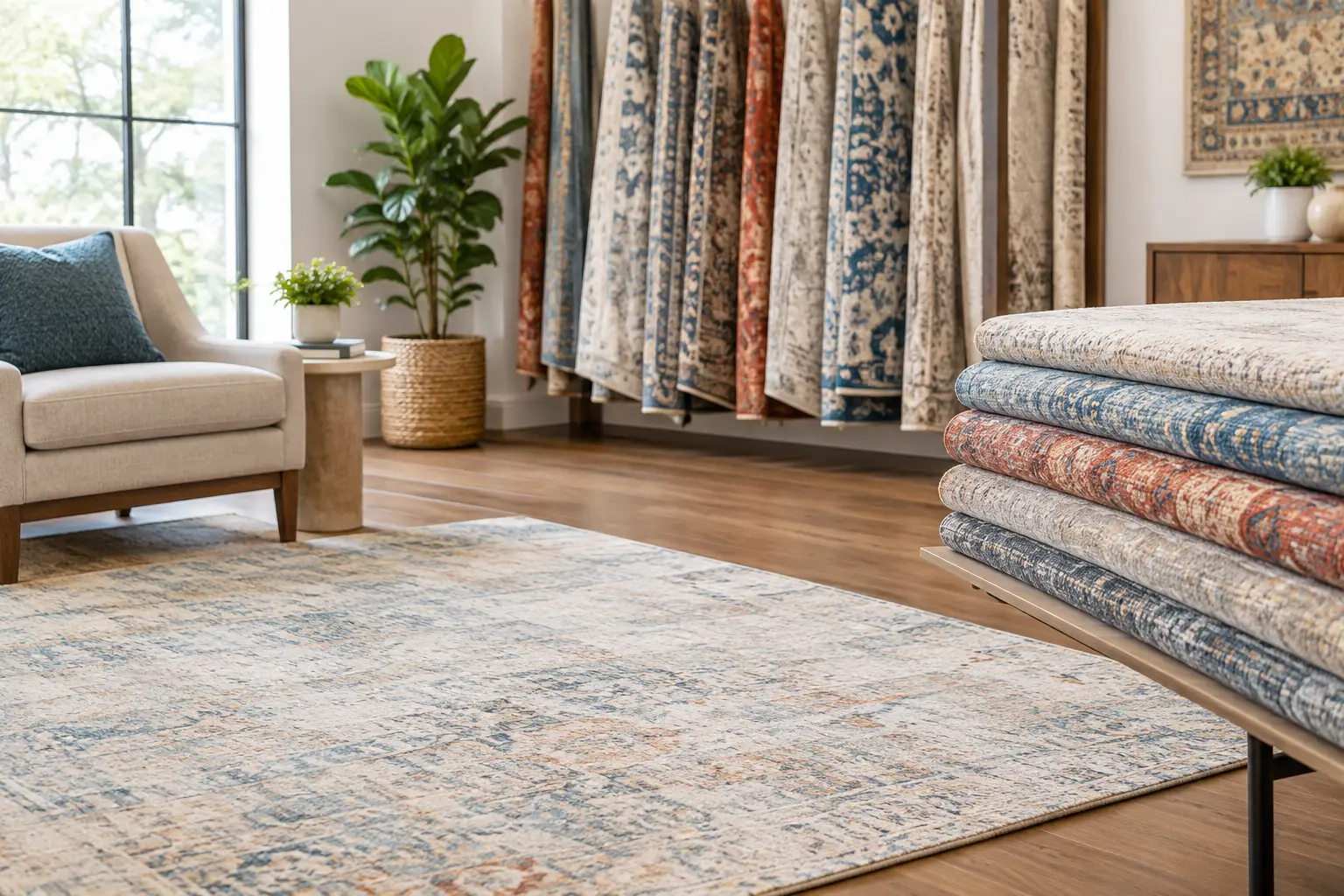
Home Rug Gallery Canton for Size, Color and Style
Visit Home Rug Gallery in Canton to get help choosing the right size, color, and style for your home, then create a room that feels polished and personal.
A runner has a way of changing a hardworking pass-through into a considered part of the home. The right runner rugs Canton GA homeowners choose can soften footsteps in a long hallway, bring warmth to a kitchen, or make the walk from bedroom to bath feel more intentional. It is a narrow piece with an outsized role: protecting floors while carrying color, texture, and personality from one room to the next.
Runner rugs work best when they solve a practical need without looking like an afterthought. In a busy household, that may mean giving children and pets more traction on hardwood floors. In a quieter home, it may mean adding a layer of quiet luxury to a hall that has beautiful architecture but little softness. Either way, a runner should feel connected to the rooms around it.
The first decision is not pattern. It is placement. Consider what the rug will frame, where doors swing, and how people move through the space each day. A hallway runner should create a clear path rather than fill every inch of floor. Leaving a visible border of flooring along each side gives the area breathing room and makes the rug look tailored rather than crowded.
For a traditional hallway, center the runner and leave several inches of bare floor on both sides whenever possible. The exact amount depends on the width of the hall, but balance matters more than a rigid measurement. A rug that is too wide can make a narrow passage feel tighter, while one that is too short or thin can appear disconnected.
Length deserves equal attention. A runner should generally stop before the hall ends, rather than pressing against a doorway or baseboard. If your hallway includes several door openings, choose a size that avoids interfering with door clearance. Low-pile construction is often a smart choice in these areas, especially where doors need to move freely.
A runner in the kitchen adds comfort exactly where it is needed most: along the sink, island, or prep area. Here, material and maintenance should lead the decision. A hand-knotted wool rug may be beautiful, but a busy kitchen with frequent spills may be better served by a durable, easy-care weave with visual variation that disguises everyday crumbs and minor marks.
In laundry rooms and bathrooms, a runner can make a compact utility space feel finished. Choose a piece with enough visual weight to anchor the room, but avoid overly plush piles that can hold moisture or make doors difficult to open. A rug pad can add welcome stability in spaces where smooth floors and damp feet are part of the routine.
A bedroom runner is less about traffic flow and more about comfort. Place one along the side of a bed where you step down in the morning, or use matching runners on both sides in a larger room. This approach is especially effective when a full room-size rug is not the right fit for the layout. It adds softness underfoot while allowing beautiful flooring to remain visible.
The temptation to fall in love with a pattern first is understandable. Still, scale is the foundation of a polished result. Before shopping, measure the available floor space and note obstacles such as vents, furniture legs, door swings, and transitions between flooring materials. Bring those measurements with you, along with a few photos of the room in natural light.
Once the dimensions are clear, style becomes much easier to refine. A runner can quietly support a room or become its most expressive layer. In a home with neutral walls and tailored furnishings, an antique-inspired pattern can introduce depth without making the space feel busy. In a more traditional setting, a softly textured solid or subtle tonal design may bring a welcome sense of restraint.
Color should also be considered as a bridge. A hallway often connects rooms with different palettes, so the runner does not need to match every shade precisely. Instead, look for one or two colors that repeat elsewhere, perhaps a warm ivory from the living room, a muted blue from nearby artwork, or a gentle green found in upholstery. That repetition gives the home a composed, collected feeling.
Pattern scale matters, too. Narrow spaces tend to favor designs with a clear rhythm, whether that is an elongated medallion, a linear motif, or an organic repeat. Very large, dramatic motifs can be stunning in the right space, but they may lose their impact when compressed into a tight corridor. A smaller, detailed pattern often reads better from end to end.
The most beautiful runner is one you can enjoy without constant worry. That does not mean every home needs the same material. It means the fiber, pile, and construction should fit the demands of its location.
Wool remains a favorite for many living spaces because it feels substantial, naturally resilient, and rich in texture. It is well suited to halls, bedrooms, and stairs where comfort and long-term appeal matter. Wool can be a thoughtful choice for families, though like any natural fiber, it benefits from regular care and prompt attention to spills.
Synthetic and performance-focused constructions can make sense in kitchens, entrances, and homes with particularly active pets or children. These options often offer strong stain resistance and a lower-maintenance experience. The trade-off is feel: some homeowners prefer the depth and softness of natural fibers, while others value the confidence of easy cleanup. Seeing both in person is the best way to decide which balance feels right.
Flatweaves are another practical option, especially for door-clearance areas and more casual rooms. Their lower profile can make them easier to place, while their texture brings a relaxed, layered look. A rug pad is especially valuable beneath a flatweave, helping prevent shifting and adding a touch of cushion.
A runner does not need to be an exact miniature version of the area rug in the next room. In fact, rooms often feel more personal when the rugs relate rather than match. Shared tones, similar warmth, or a comparable level of pattern can be enough to create continuity.
If your main living area includes a bold rug, a hall runner in a quieter tonal design can provide contrast and keep the overall look from becoming overly coordinated. If the living room is calm and neutral, the runner may be the right place for a more detailed vintage-inspired pattern or a deeper accent color. Think of it as a transition piece that helps the eye travel naturally through the house.
Texture can provide cohesion as effectively as color. A woven runner can echo linen pillows, natural wood, or a soft throw blanket. A refined low-pile rug can complement polished lighting and tailored furnishings. These small connections are what make a home feel effortlessly styled rather than assembled one purchase at a time.
A photo can show pattern, but it cannot fully convey pile height, texture, edge finishing, or the way a color shifts from daylight to evening lamp light. A runner that appears cool gray online may reveal warm taupe undertones in person. A surface that looks plush may feel too thick for the door clearance in your hall.
Shopping in a showroom also makes it easier to compare several pieces against your paint samples, cabinet finishes, or pillow fabrics. At Home Rug Gallery, homeowners can explore runners alongside coordinating décor and receive design guidance that considers the whole room, not just one strip of floor. That hands-on process often prevents the common mistake of choosing a lovely rug that simply is not right for the space.
Regular vacuuming helps remove the grit that can settle into rug fibers over time, particularly in hallways and entrances. Use the appropriate setting for the rug’s pile, and avoid aggressive brush action on delicate fringe or handwoven pieces. Rotating the runner occasionally can also distribute wear more evenly in a high-traffic path.
For spills, blot promptly with a clean, absorbent cloth rather than rubbing the area. Rubbing can push a stain deeper into the fibers and disturb the pile. When a runner has accumulated soil, developed an odor, or needs attention after a stain, professional rug cleaning can help preserve its color and construction. Repair and restoration services are equally valuable for rugs with loose edges, fringe concerns, or damage that should not be left to worsen.
The right runner should make the daily walk through your home feel a little softer, warmer, and more complete. Choose one that respects the proportions of the space, supports the way your household lives, and gives every in-between room a reason to be noticed.
Visit Home Rug Gallery in Canton to get help choosing the right size, color, and style for your home, then create a room that feels polished and personal.
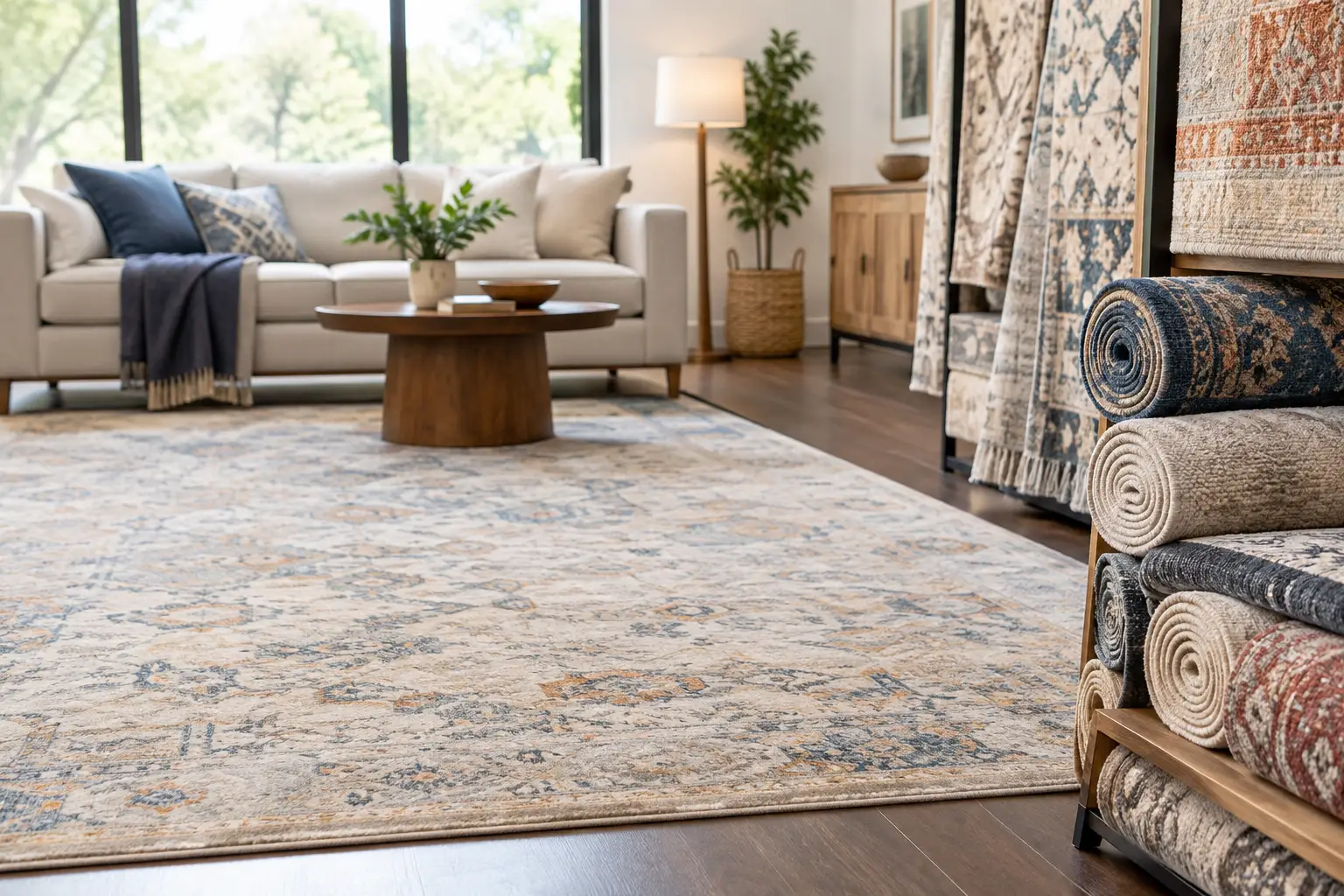
Looking for a rugs store Ball Ground GA homeowners can visit in person? Find room-right rugs, coordinated décor, and thoughtful local design guidance.
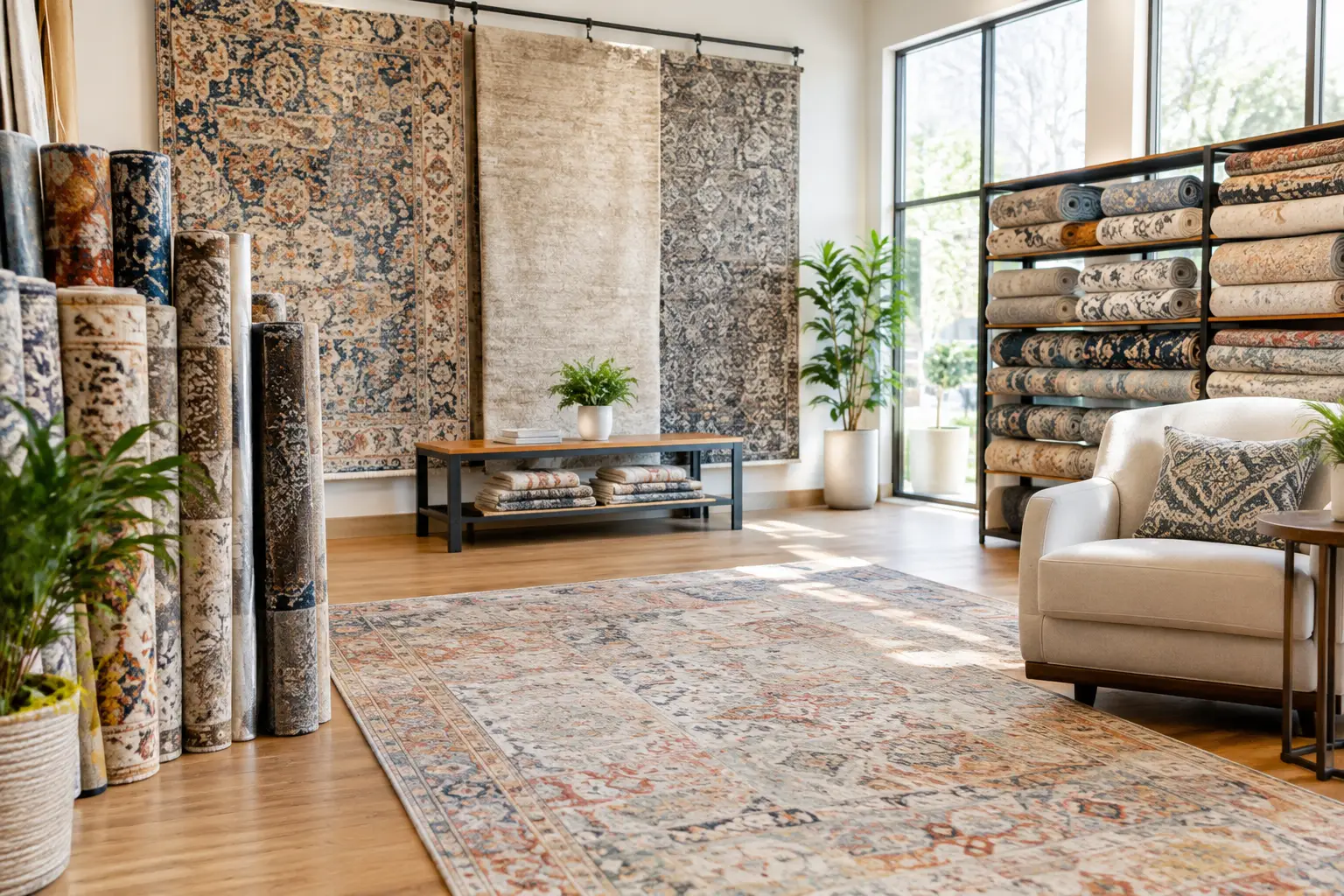
Looking for a rug store Holly Springs GA homeowners can trust? Learn how to choose size, material, and color with a showroom-first approach to design.
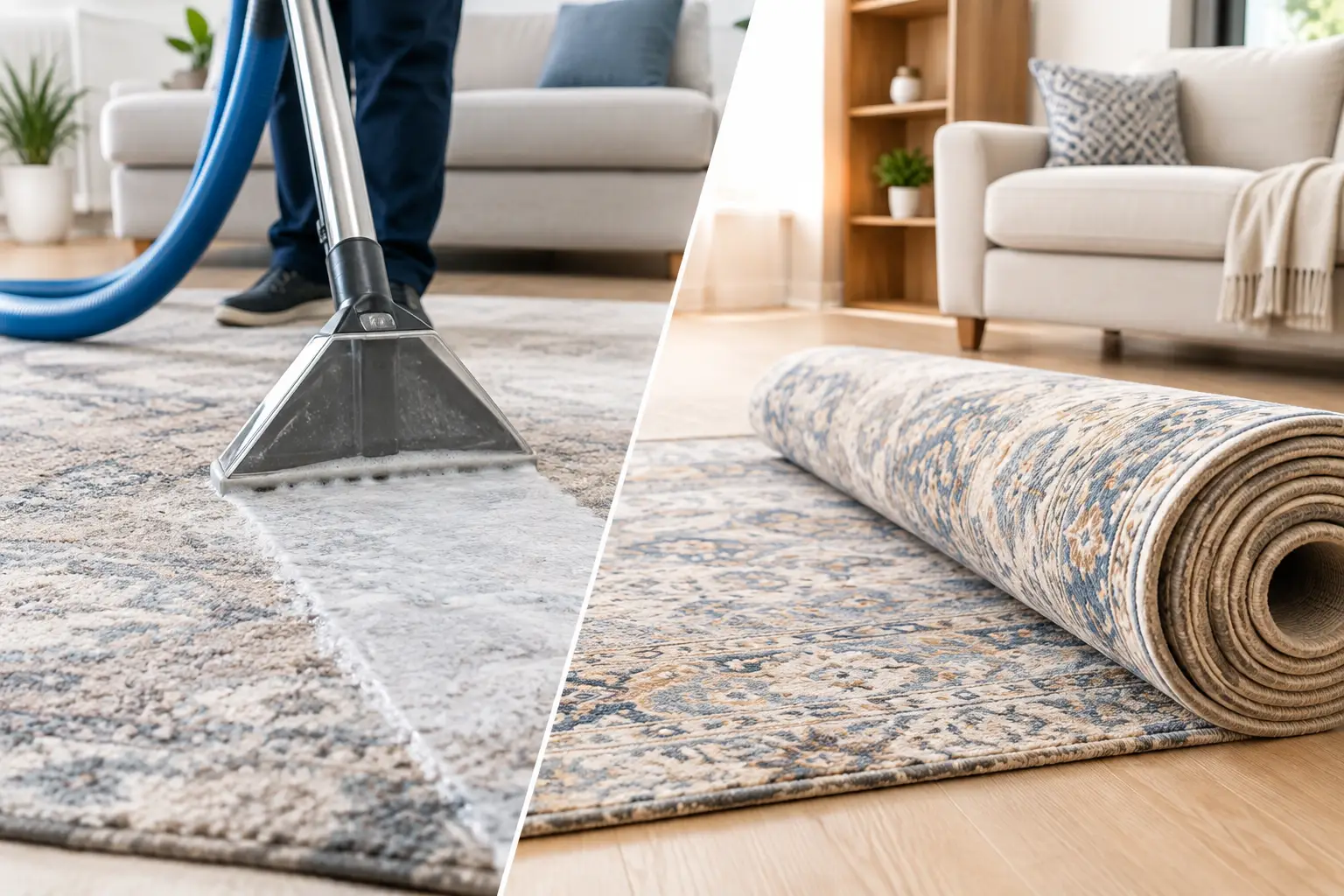
Rug cleaning vs. replacing your rug comes down to fiber, damage, style, and use. Learn which choice protects your home and its finished feel for years.
From cozy area rugs to statement-making wall décor, our curated categories make it easy to explore what speaks to your space. Whether you’re refreshing a single corner or reimagining your whole home, start here and discover pieces that bring it all together.