

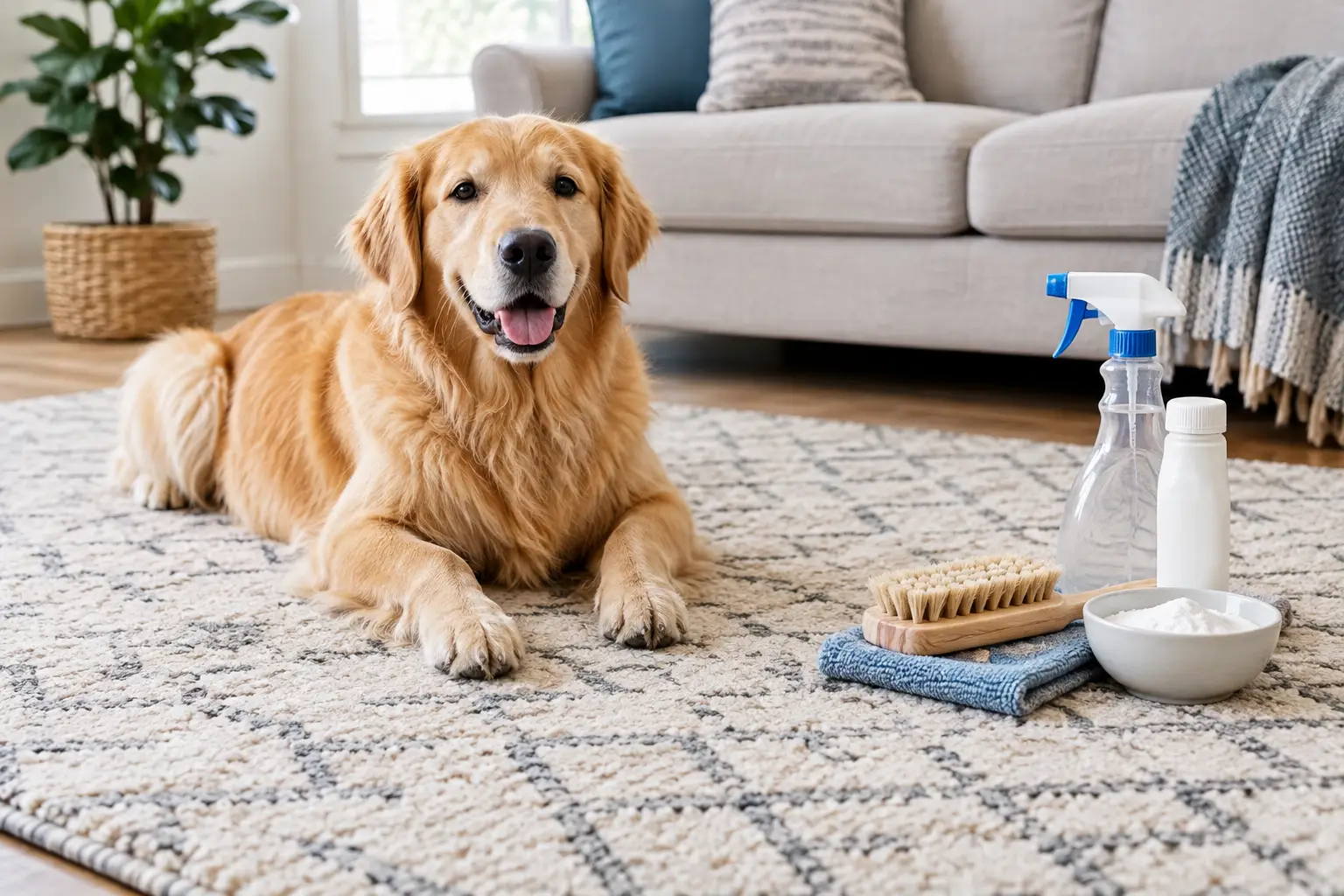
How to Remove Pet Odors From Rugs Safely
Learn how to remove pet odors from rugs without harming color or fibers, plus when professional washing is the smarter choice for a fresh home that lasts.
A rug can make a room feel finished in an instant, but it also collects more of daily life than most homeowners realize. If you have ever wondered when should rugs be cleaned, the real answer is not just once they look dirty. By the time a rug appears dull, matted, or visibly stained, soil has usually been settling into the fibers for quite a while.
That matters for more than appearance. A well-chosen rug adds warmth, softness, and that quietly polished layer that makes a room feel complete. Regular cleaning protects that investment, preserves texture and color, and helps your home feel as fresh as it looks.
For most homes, area rugs benefit from a professional cleaning about every 12 to 18 months. That is a helpful baseline, not a fixed rule. Some rugs need attention sooner, while others in lower-traffic rooms may comfortably go a bit longer.
The biggest factor is use. A rug in a formal sitting room lives a very different life than one in a family room where kids sprawl out for movie night and the dog claims the corner by the sofa. The more a rug anchors everyday living, the more often it should be cleaned.
Material also matters. Wool rugs tend to hide soil better than many synthetic options, which can be a blessing and a trap. They may still need cleaning even when they look presentable. Silk, viscose, antique, and hand-knotted rugs call for an even more thoughtful schedule because their fibers and dyes can be more sensitive.
A calendar reminder is useful, but your rug often tells you what it needs. One of the clearest signs is flattened texture. If the pile looks tired or crushed even after vacuuming, it may be holding onto embedded dirt that is weighing the fibers down.
Odor is another clue. Rugs absorb everyday living – cooking smells, pet scents, humidity, and the kind of lingering mustiness that can settle into busy homes. If a room never quite smells as fresh as it should, the rug may be part of the reason.
Pay attention to color as well. Many rugs do not look dramatically dirty all at once. Instead, the pattern slowly loses contrast, lighter shades start to look muted, and the overall finish feels less crisp. Homeowners often notice it only after furniture is moved and the protected areas underneath look noticeably brighter.
Then there are the more obvious moments: spills, muddy footprints, pet accidents, post-party traffic, or a season of heavy pollen and open windows. Waiting too long after those events makes cleanup harder and can increase the chance of lasting discoloration or odor.
A better question than when should rugs be cleaned is often which rug are we talking about?
These are usually the hardest-working rugs in the house. They collect foot traffic, crumbs, drink drips, pet hair, and everyday dust. In many homes, a living room rug should be professionally cleaned every 9 to 12 months, especially if it is central to daily use.
Dining room rugs deal with a very specific kind of wear: repeated spills, chair movement, and food particles that settle deep into the pile. Even if stains are not obvious, these rugs often benefit from cleaning about once a year.
Bedroom rugs usually see gentler use, so they may only need professional cleaning every 12 to 18 months. If anyone in the home has allergies, you may want to shorten that timeline, since rugs can hold dust and allergens even in quieter spaces.
These areas bring the outdoors in. Dirt, moisture, pollen, and grit arrive here first, which means rugs in these locations can need cleaning every 6 to 12 months. They may also benefit from more frequent vacuuming and prompt spot care between cleanings.
Beautiful homes are meant to be lived in, and that often means a rug has to keep up with more than adult foot traffic. Pets and children change the cleaning rhythm significantly.
Pet owners usually need more frequent professional cleaning because oils, dander, tracked-in debris, and the occasional accident can settle below the surface. Even a rug that looks fine can hold odors that become more noticeable over time.
Families with young children face a similar reality. Snacks happen on the floor, spills happen fast, and rugs become part play space, part soft landing zone. In those homes, every 6 to 12 months is often more realistic for high-use rugs.
This does not mean your home has to feel overly managed. It simply means the cleaning schedule should match the way you actually live, not the way the room looks in a photo.
North Georgia homes often move through distinct seasonal patterns, and your rugs feel those shifts. Spring can bring pollen and extra dust through open doors and windows. Summer often means more indoor-outdoor traffic. Fall and winter can introduce moisture, leaves, and holiday entertaining.
For some households, seasonal cleaning makes more sense than waiting for visible wear. A rug cleaned after winter or after a busy holiday season starts the next stretch of the year feeling lighter, fresher, and more polished. This is especially true for rugs in gathering spaces where you want the whole room to feel effortlessly styled and welcoming.
Routine vacuuming is essential, but it does not replace professional cleaning. Surface dirt is only part of what settles into a rug. Fine grit, oils, allergens, and residue can sink past the top layer and stay trapped near the base of the fibers.
That hidden buildup affects both appearance and longevity. Over time, gritty particles can act almost like sandpaper underfoot, contributing to wear in the rug’s foundation. Professional cleaning is less about making a rug look freshly finished for a week and more about protecting its structure over the long term.
There is a balance here, though. Cleaning too aggressively or using the wrong method can be just as problematic as waiting too long. Delicate fibers, fringe, unstable dyes, and handmade construction all require care that fits the piece.
A few factors should shape your timing. Fiber type is one. Wool, cotton, synthetics, silk blends, and antique textiles all respond differently to wear and cleaning.
Color and pattern matter too. Dark, heavily patterned rugs often disguise soil, while lighter, tonal rugs reveal it sooner. Neither is necessarily cleaner than the other.
Lifestyle matters most. If you entertain often, have indoor-outdoor flow, or simply use your rooms heavily, your rugs are working harder. A thoughtfully designed space still needs practical maintenance behind the scenes.
This is one reason many homeowners appreciate having a local rug resource that understands both styling and care. A statement rug is not just another household textile. It shapes the room visually, softens acoustics, and adds the kind of layered comfort that makes a home feel deeply personal.
Certain situations call for immediate attention rather than a routine appointment months away. Pet accidents should be addressed quickly so odor and staining do not set into the foundation. Water exposure also deserves fast action, since trapped moisture can lead to lasting damage.
You also do not want to wait if fringe is darkening, colors appear to be bleeding, or a rug feels stiff after a spill or spot treatment. Those are signs that residue or damage may be developing below the surface.
If you have inherited a vintage or handmade rug and do not know its last cleaning date, it is smart to have it assessed sooner rather than later. With special pieces, gentle timing and the right care matter.
If your rug is in a main living area, clean it about once a year. If it sees light use, stretch that to 12 to 18 months. If you have pets, children, frequent guests, or an entry rug that catches the day on its surface, move closer to every 6 to 12 months.
And if you are asking the question because the rug looks a little flat, smells a little off, or no longer gives the room that finished feeling, that is usually your answer.
A beautiful rug does quiet work in a home. Keeping it clean is one of the simplest ways to protect both the piece itself and the comfort of the room around it.
Learn how to remove pet odors from rugs without harming color or fibers, plus when professional washing is the smarter choice for a fresh home that lasts.
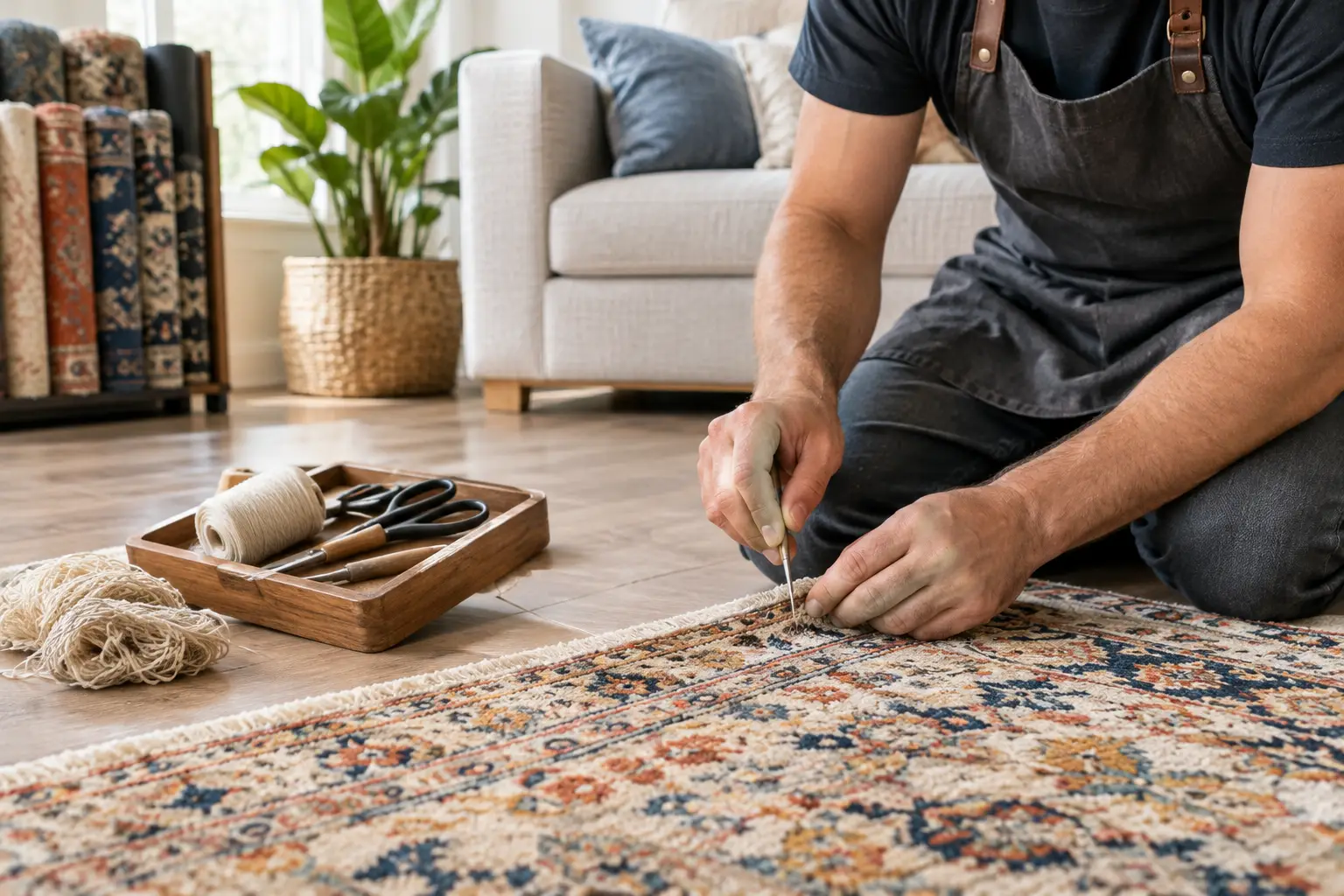
Use this Kennesaw rug repair guide to spot damage early, choose the right restoration, and protect the color, texture, and comfort of your favorite rug.
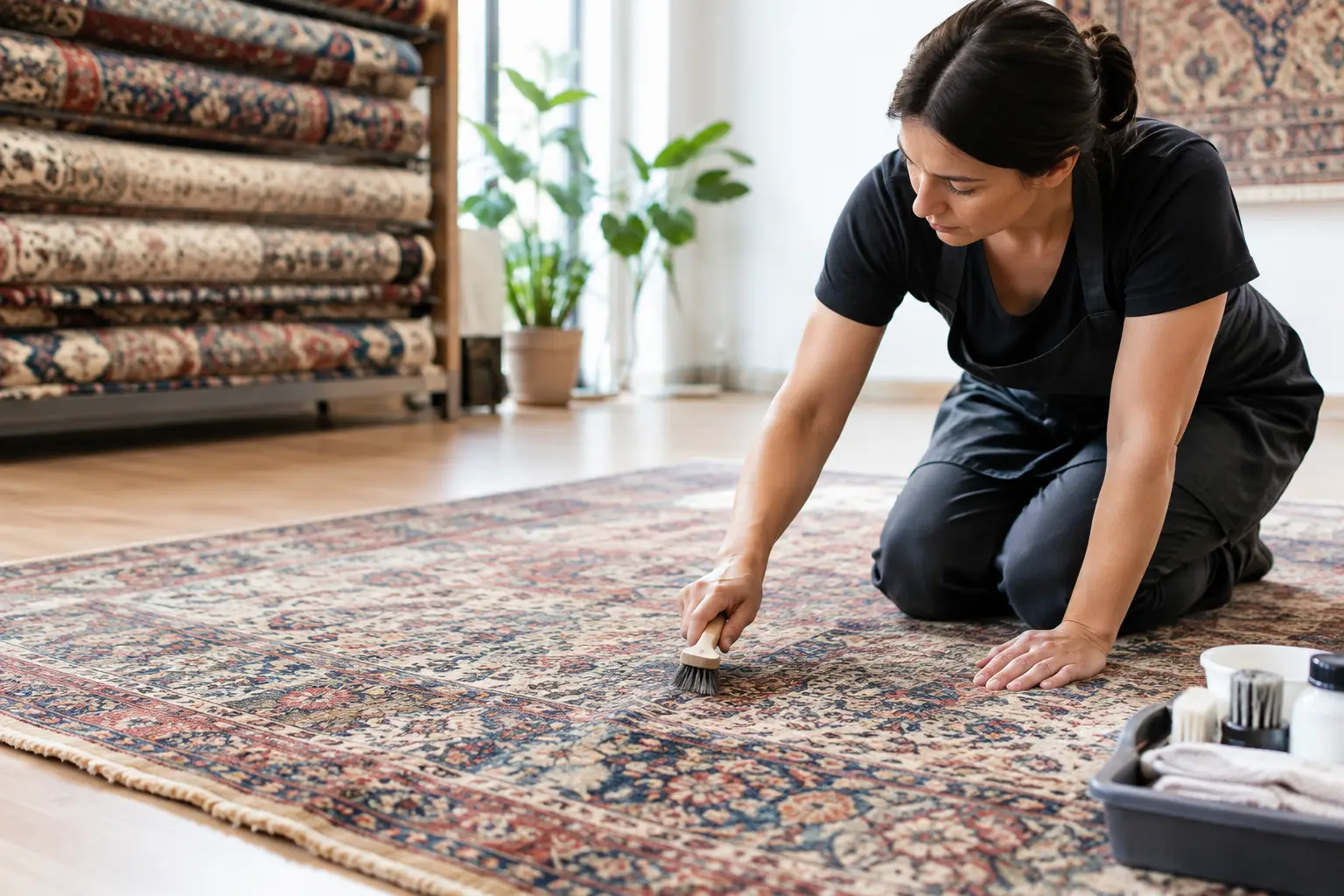
Marietta rug restoration can preserve color, texture, and history. Learn when repair makes sense and how thoughtful care protects a cherished rug at home.
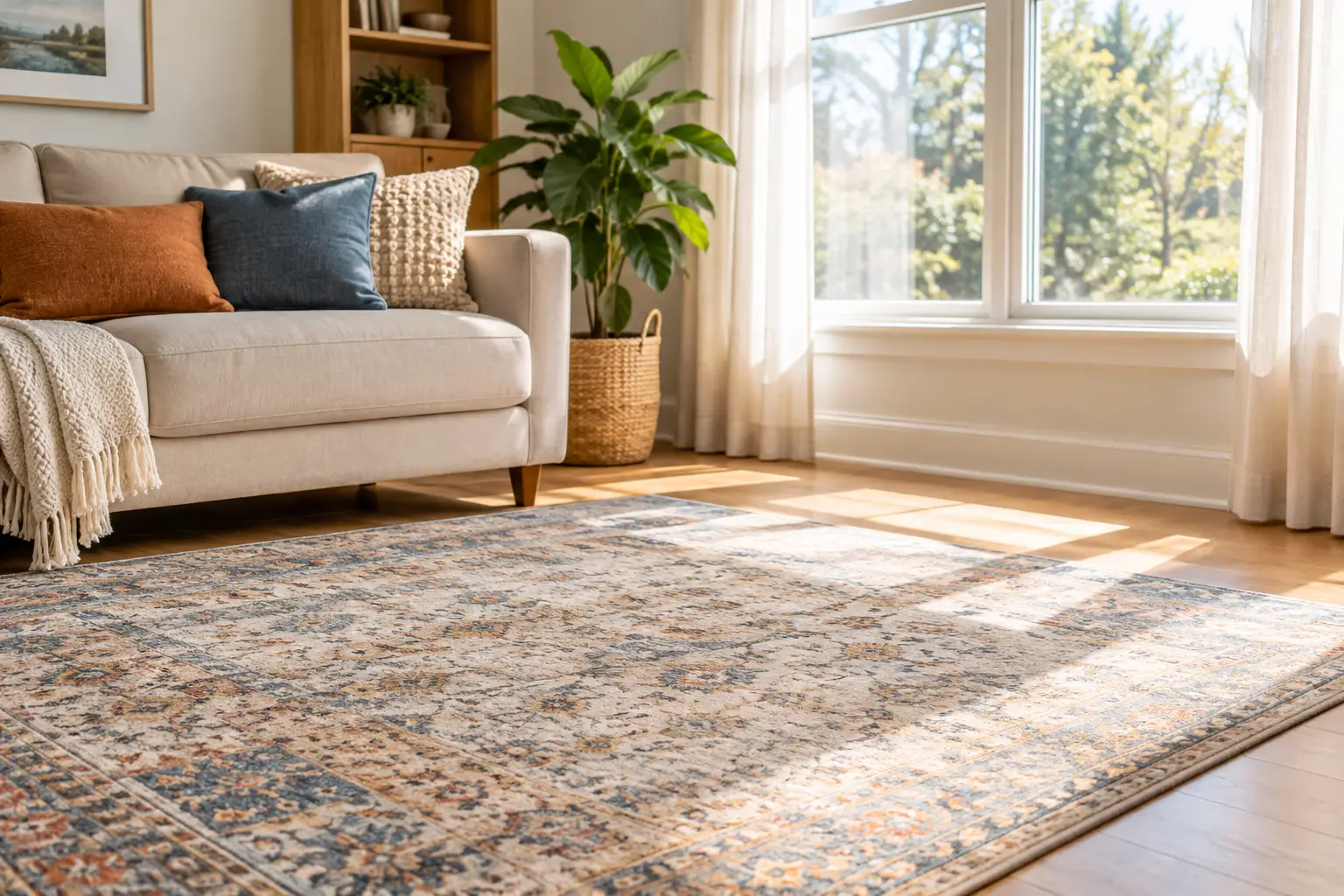
Learn how to protect rugs from sun fading with thoughtful window treatments, rotation, cleaning, and placement tips that preserve color and comfort daily.
From cozy area rugs to statement-making wall décor, our curated categories make it easy to explore what speaks to your space. Whether you’re refreshing a single corner or reimagining your whole home, start here and discover pieces that bring it all together.