

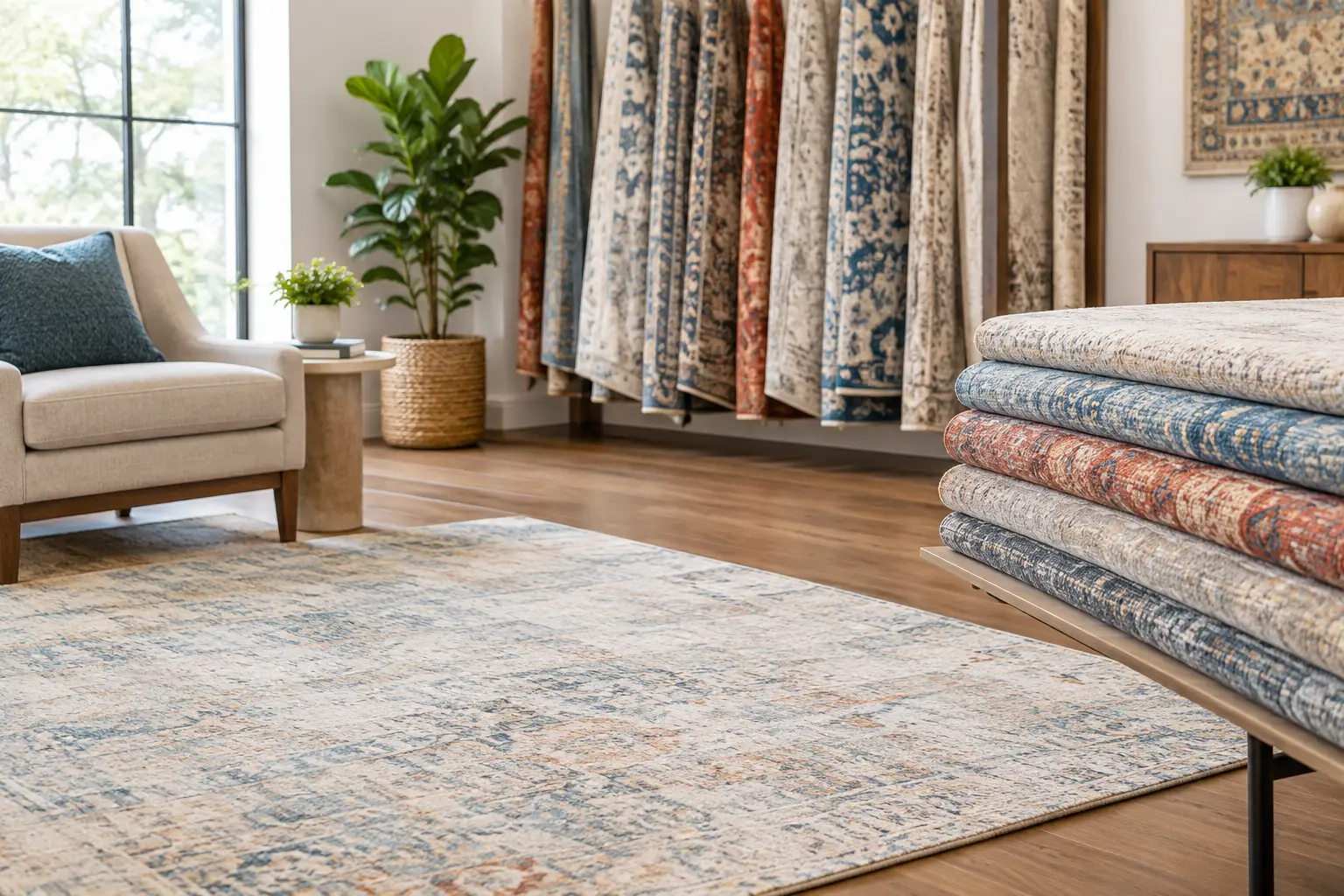
Home Rug Gallery Canton for Size, Color and Style
Visit Home Rug Gallery in Canton to get help choosing the right size, color, and style for your home, then create a room that feels polished and personal.
A runner rug can change the feeling of a narrow space almost instantly. It softens footsteps in a busy hallway, gives a long kitchen more warmth, and makes an entry feel considered before anyone reaches the living room. If you are deciding where to buy runner rugs in Canton, GA, look beyond a quick color match. The best choice should suit the proportions of your home, the pace of your household, and the look you want to carry from room to room.
A well-chosen runner is a small design decision with a noticeable effect. It draws the eye through a space, adds texture where hard flooring can feel stark, and creates a more finished transition between the rooms you use every day. Shopping in person gives you the opportunity to see how color shifts in natural light, feel the pile underfoot, and compare patterns at the scale they will have in your home.
For a runner that feels intentional rather than temporary, a local rug showroom is often the most useful place to begin. You can compare materials, pile heights, colors, and finishes side by side instead of relying on a small screen image. That matters with runners, where a pattern may repeat more frequently and a subtle shade can have a big effect in a tight space.
At Home Rug Gallery, homeowners can explore runners alongside area rugs, pillows, lighting, throws, and other finishing pieces. That broader point of view is helpful when a hallway runner needs to connect an entry with a living room, or when a kitchen runner should complement cabinetry, hardware, and nearby upholstery. The goal is not simply to fill an empty strip of flooring. It is to create a home that feels effortlessly styled and deeply personal.
In-person shopping also makes practical decisions easier. A rug specialist can help you think through whether a low-profile weave is better for a door clearance, whether a washable-feeling performance fiber fits a family kitchen, or whether a softer wool blend belongs in a quieter upstairs hall. Those details are difficult to judge from a product photo alone.
The most beautiful runner can still feel out of place if its size is wrong. Before shopping, measure the full length and width of the open floor area, then note door swings, vents, stair landings, and furniture legs. A runner should look comfortably placed, not squeezed into every available inch.
In a hallway, leave a visible border of flooring on both sides whenever possible. This creates a clean frame around the rug and prevents the passage from feeling narrower. For most homes, runners around 2 to 3 feet wide work well, while the length depends on the hallway. Common lengths include 6, 8, 10, and 12 feet, but the right answer depends on your actual dimensions.
Kitchen runners work best where you stand most often: in front of a sink, along a prep zone, or between an island and perimeter cabinets. In an entry, consider the path from the front door to the next room. The rug should welcome people in without blocking the door or becoming a tripping point. For a long, open corridor, a longer runner often feels more tailored than several smaller mats competing for attention.
Bring your measurements with you, along with a few photos of the room. Images of the floor, wall color, nearby furniture, and window light make it much easier to narrow the selection with confidence.
Runner rugs tend to work hard. They sit in high-traffic paths, collect dust and outdoor debris, and sometimes face spills from pets, children, or everyday cooking. Material selection is just as important as color.
Wool runners offer natural softness, depth, and a quietly luxurious finish. They are especially lovely in hallways, bedrooms, and spaces where comfort and enduring style are the priority. Wool can also hide everyday soil surprisingly well because of its texture, though it benefits from thoughtful care and professional cleaning when needed.
Synthetic and performance-oriented fibers are often a practical choice for kitchens, entries, mudroom-adjacent areas, and homes with active pets or children. Many offer excellent color retention and easier spot care while still providing a polished look. They are not automatically the right fit for every room, however. If your goal is rich texture and an heirloom feel, a natural fiber or wool-forward design may be worth considering for lower-risk areas.
Natural fibers such as jute and sisal bring warmth and organic character, particularly in relaxed, layered interiors. Their texture can be appealing underfoot, but they are less forgiving around moisture. A kitchen or entry with frequent wet shoes may call for a more resilient material. The best runner is not the one that looks perfect on day one. It is the one that continues to suit your life after a busy season of use.
Because runners are narrow and linear, they can direct attention more strongly than larger rugs. Use that visual movement to your advantage. A soft neutral runner can make a compact hall feel calmer and more open, while a grounded pattern can give an all-white kitchen needed definition.
For homes with warm wood floors, look for tones that complement rather than compete with the grain. Cream, muted blue, terracotta, olive, charcoal, and layered taupe often create a collected look, depending on the existing furnishings. In a cool-toned interior, gray-blue, soft sand, and faded botanical patterns can add warmth without disrupting the palette.
Pattern is especially practical in high-traffic areas because it disguises the small marks of real life between cleanings. Traditional motifs bring depth to classic or transitional homes. Geometric patterns can sharpen a more contemporary setting. A subtle stripe can visually lengthen a short passage, while a more organic design softens straight architectural lines.
If your home already has several statement elements, such as dramatic wallpaper, veined stone, or bold artwork, choose a runner with a quieter pattern and tactile interest. If the surrounding finishes are simple, the runner can take on more personality. Balance is what gives a room its sense of quiet luxury.
Not every runner needs the same pile height. In a front hall or near an interior door, a low-profile flatweave or tightly woven rug can be a smart choice because it reduces bulk and allows doors to move freely. It also tends to be easier to vacuum and manage in high-traffic zones.
A plush runner can be inviting in an upstairs hallway, bedroom passage, or dressing area where softness matters more than door clearance. Consider the transition between rug and floor, especially for older family members or anyone who prefers a more stable walking surface. A properly sized rug pad can help reduce shifting, add cushioning, and protect the rug from friction against the floor.
Construction also affects the character of the piece. Hand-knotted rugs often have nuanced color variation and a refined feel, while hand-tufted and machine-made options can offer beautiful design at different levels of texture and durability. Seeing these differences in person helps you decide what feels right for the role the rug needs to play.
A runner does not need to match every rug in the house exactly. In fact, identical rugs from room to room can make an interior feel overly coordinated. Instead, look for connection through a shared color, a related texture, or a similar level of formality.
For example, a vintage-inspired hall runner may pair beautifully with a larger living room rug that repeats one of its muted accent colors. A natural woven runner in the kitchen can feel intentional beside linen pillows, wood accents, and a soft throw in the adjoining room. These subtle threads make the home feel collected over time rather than decorated all at once.
When you shop a curated showroom, ask to compare options with samples or photos of nearby finishes. A runner is often the bridge between spaces, so it deserves the same attention you would give a larger living room rug.
Regular vacuuming, gentle attention to spills, and occasional professional care will help a runner stay beautiful longer. Rotate it periodically when possible, especially in sunlit areas or heavily traveled halls, so wear develops more evenly. Avoid aggressively scrubbing a spill, which can push it deeper into the fibers or disturb the pile.
For rugs with sentimental value, intricate construction, or visible damage, specialized cleaning and repair can be a meaningful way to preserve the piece. A runner earns its place in the home through daily use, and proper care allows its color, texture, and comfort to remain part of that welcome for years.
Take measurements, gather a few room photos, and let yourself feel the materials before making a decision. The right runner will do more than cover a walkway – it will make an ordinary path through your home feel finished, comfortable, and distinctly yours.
Visit Home Rug Gallery in Canton to get help choosing the right size, color, and style for your home, then create a room that feels polished and personal.
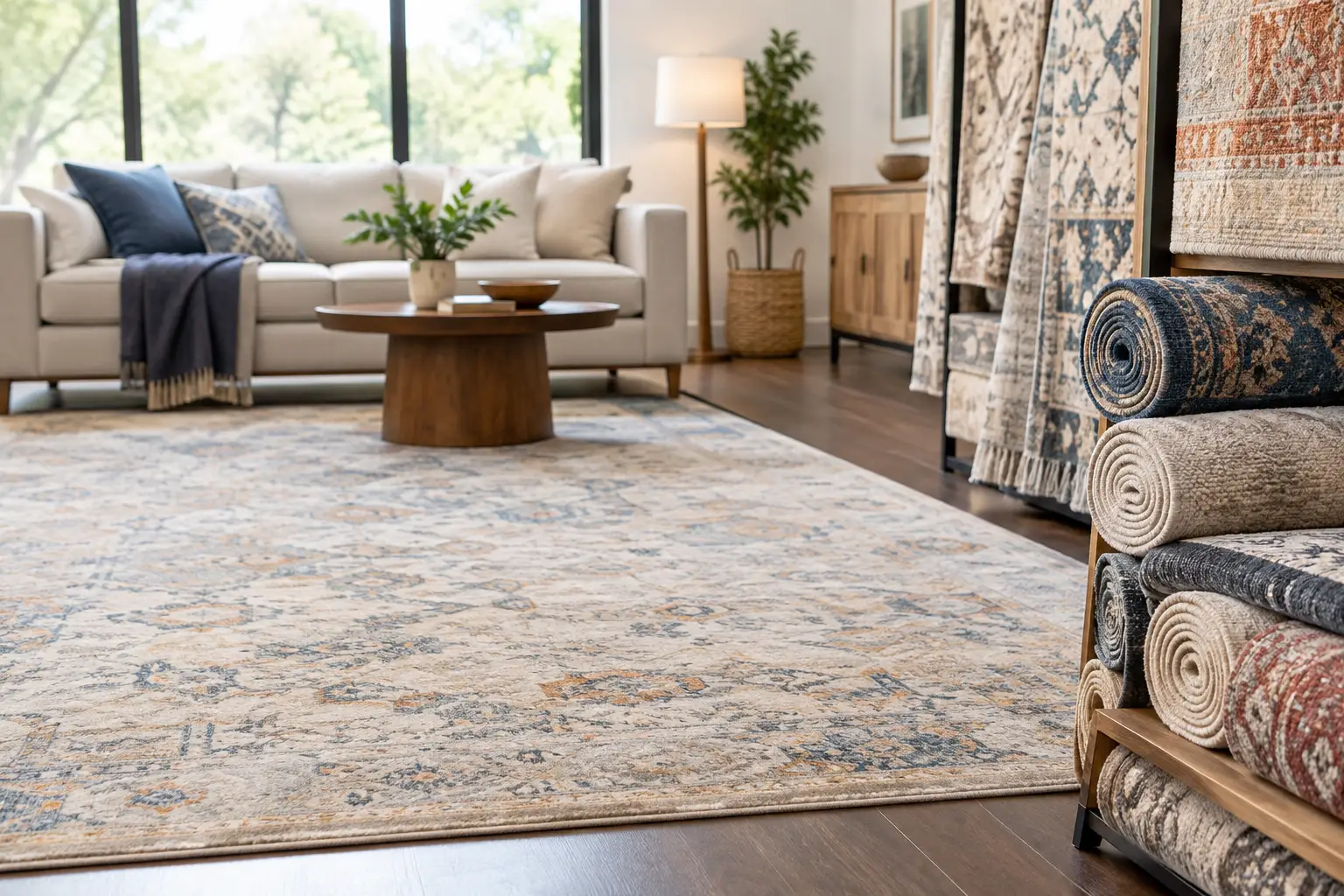
Looking for a rugs store Ball Ground GA homeowners can visit in person? Find room-right rugs, coordinated décor, and thoughtful local design guidance.
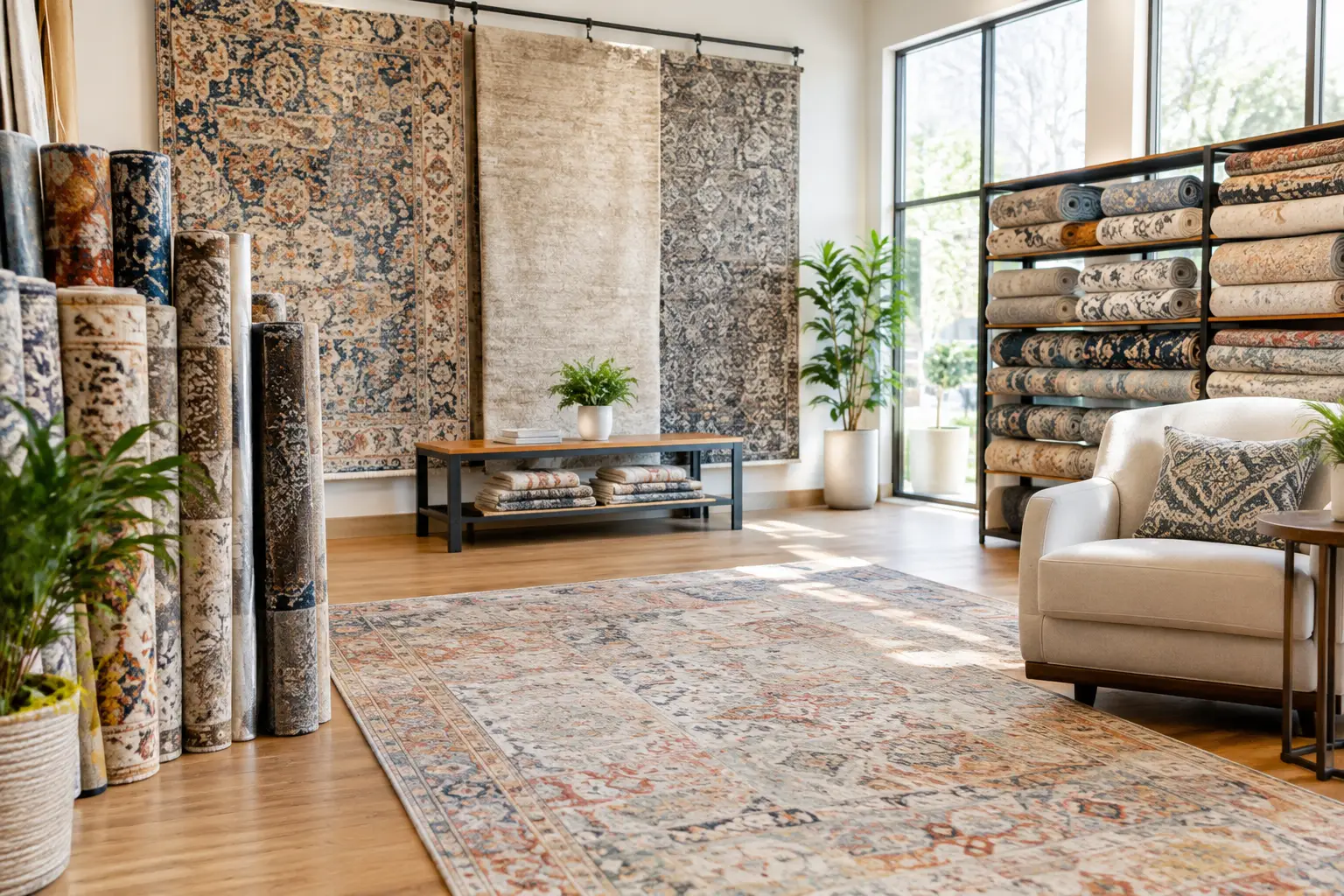
Looking for a rug store Holly Springs GA homeowners can trust? Learn how to choose size, material, and color with a showroom-first approach to design.
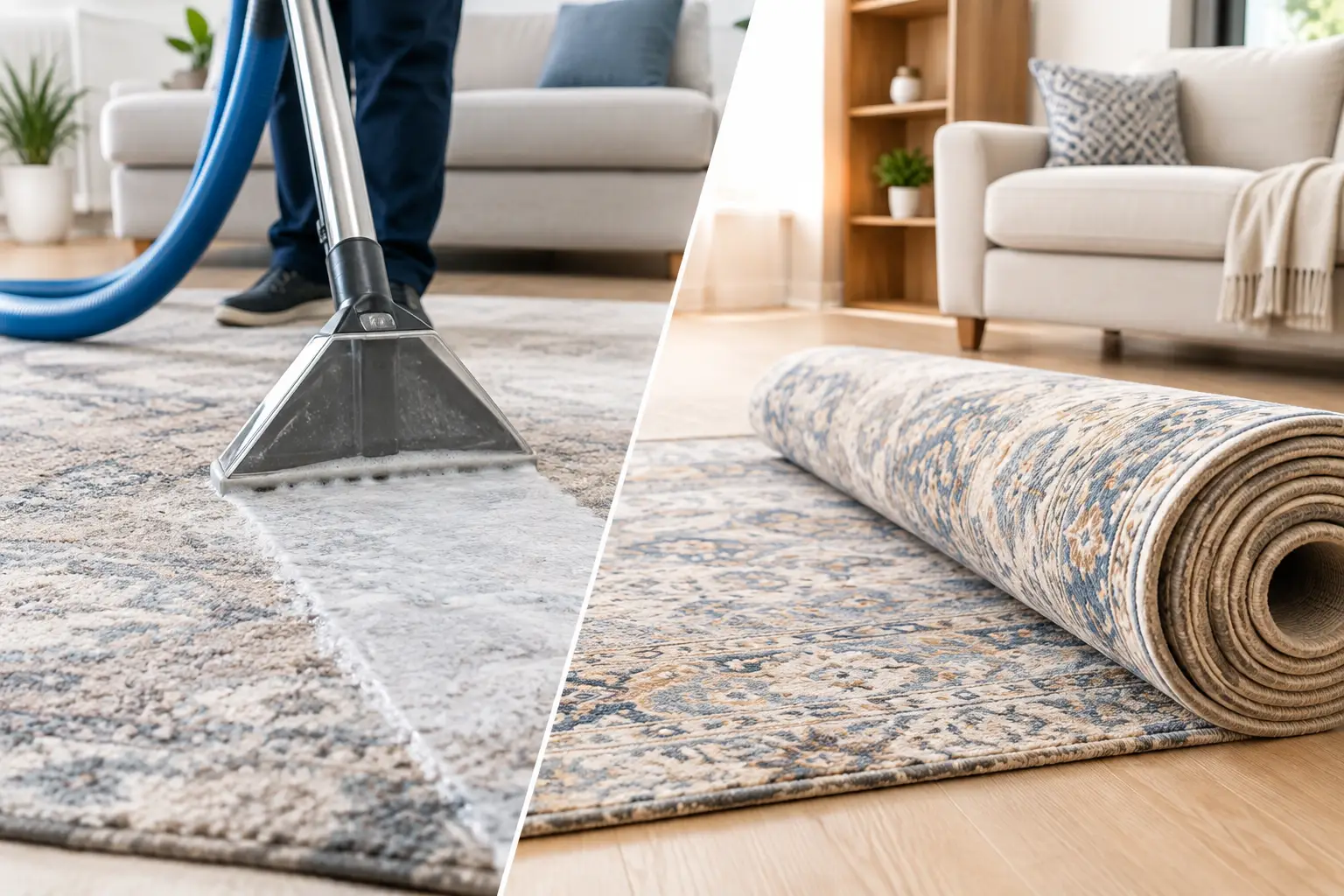
Rug cleaning vs. replacing your rug comes down to fiber, damage, style, and use. Learn which choice protects your home and its finished feel for years.
From cozy area rugs to statement-making wall décor, our curated categories make it easy to explore what speaks to your space. Whether you’re refreshing a single corner or reimagining your whole home, start here and discover pieces that bring it all together.