

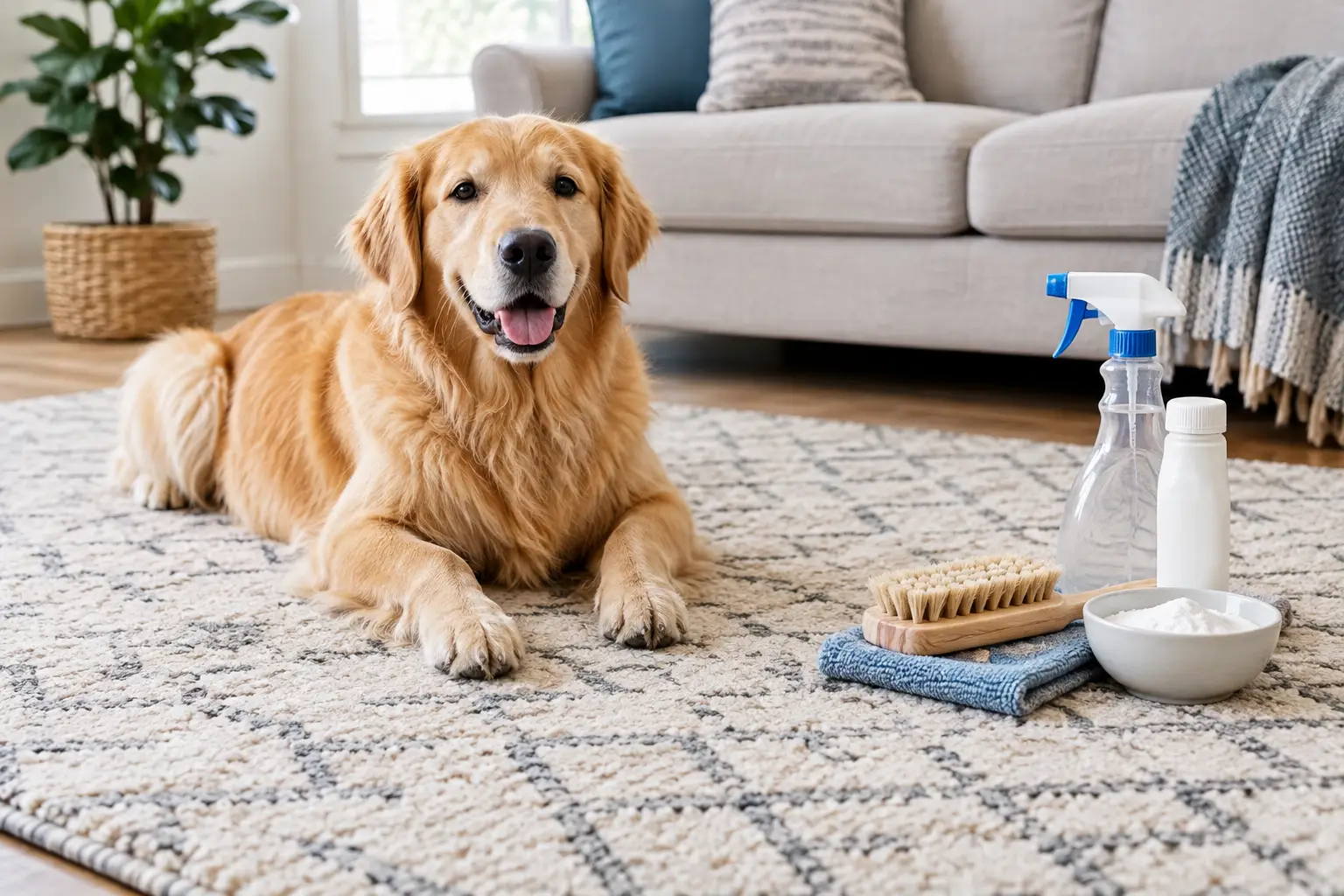
How to Remove Pet Odors From Rugs Safely
Learn how to remove pet odors from rugs without harming color or fibers, plus when professional washing is the smarter choice for a fresh home that lasts.
A new rug can transform a room in an afternoon, then surprise you the next morning with a light dusting of fibers under the coffee table. If you’ve found yourself asking why do rugs shed, the short answer is that many rugs naturally release loose fibers at first, especially when they are new. The more useful answer is that shedding depends on the rug’s material, construction, age, and how it is being used in your home.
Shedding is one of the most common concerns homeowners have when they bring home a beautiful area rug. It can feel frustrating, particularly if you’re trying to create a polished, effortlessly styled room and the rug seems to be leaving fuzz on hardwood, clothing, or upholstery. The good news is that shedding is often normal. The better news is that once you understand what causes it, you can make smarter decisions about what to buy and how to care for it.
Rug shedding happens when loose fibers work their way out of the pile and onto the surface of your floor. In many cases, those fibers were part of the manufacturing process all along. They may have been clipped during finishing, left behind after weaving, or only lightly secured into the pile.
Natural fiber rugs, especially wool rugs, are well known for this. Wool is prized for its softness, resilience, and rich texture, but it can release extra fibers during the early life of the rug. That does not automatically mean the rug is poor quality. In fact, some beautifully made wool rugs shed simply because they contain short natural fibers that gradually loosen before the pile settles.
Construction matters too. A hand-tufted rug is more likely to shed than a hand-knotted rug because of the way the fibers are inserted and secured. Machine-made rugs can shed as well, particularly if they have a plush cut pile or a softer synthetic blend. Shag rugs are another common culprit because their long fibers are more easily disturbed by foot traffic, vacuuming, and furniture movement.
A little nuance helps here. Not all shedding means trouble, and not all shedding should be ignored.
Normal shedding usually happens in the first several weeks or months after a rug is introduced into the home. You may notice loose fibers in your vacuum canister, under furniture, or along the edges of the rug. If the rug still looks full, even, and well structured, that is often just part of the break-in period.
Excessive shedding is different. If the rug looks thinner over time, develops bald areas, or seems to release large clumps every time it is touched, something more serious may be going on. That could point to lower-quality fiber, weak construction, wear damage, or overly aggressive cleaning habits. A rug should not steadily lose its character just because it is being used.
Pets, kids, and busy family life can also make normal shedding feel worse. A rug in a quiet guest room may settle quickly, while the same style in a busy family room may keep releasing loose fibers because it is constantly being compressed, walked on, and vacuumed.
If you’re comparing rugs for a living room, bedroom, or dining area, material is one of the clearest clues.
Wool tends to shed the most at first. That is not necessarily a drawback. Wool remains one of the most desirable rug materials because it feels luxurious underfoot, holds color beautifully, and adds a sense of quiet luxury to a room. Still, if you want a low-maintenance option from day one, wool may require more patience during the early months.
Viscose and art silk rugs may release fibers too, though the issue with those materials is often wear rather than classic shedding. They can look soft and luminous, but they may not perform as well in high-traffic spaces.
Synthetic fibers like polypropylene and polyester usually shed less than wool, but that depends on the construction. A high-pile synthetic rug can still leave fuzz behind. Cotton rugs may lint, especially when they are lightweight or flatwoven.
Hand-knotted rugs generally shed less over time than hand-tufted rugs. That is one reason many homeowners who want longevity and refined texture gravitate toward them for important rooms.
The most effective way to manage shedding is to be gentle and consistent. Many homeowners make the problem worse by over-vacuuming, using the wrong vacuum settings, or trying to pull loose fibers by hand.
Start with regular vacuuming, but keep it measured. For many rugs, especially wool and hand-tufted styles, it helps to vacuum without a rotating beater bar. Strong agitation can tug at the fibers and create more shedding instead of less. Use suction only if possible, and work in the direction of the pile rather than against it.
If you see a loose fiber sticking up, resist the urge to yank it. Trimming it carefully with scissors is usually the safer option. Pulling can disturb the surrounding fibers and enlarge the problem.
Rotating the rug every few months can also help. This allows wear to distribute more evenly, which is especially useful in rooms with a favorite chair, a heavily used walkway, or strong sunlight on one side.
A quality rug pad matters more than many people realize. It cushions the rug, reduces friction against the floor, and helps prevent the kind of movement that causes fibers to loosen prematurely. It also improves the overall feel of the room, which is never a bad thing when you’re trying to create a home that feels both comfortable and thoughtfully finished.
If a rug continues to shed well past the early settling period, there may be a few reasons.
One possibility is the rug’s construction. Hand-tufted rugs are created by punching yarn through a backing and securing it with adhesive. They can be beautiful and soft, but they are more prone to fiber loss than hand-knotted pieces. Over time, as the adhesive and backing age, shedding may persist.
Another factor is cleaning method. Vacuuming too aggressively, using harsh DIY spot treatments, or scrubbing spills can weaken fibers. Even a well-made rug can start looking tired if it has been cleaned in ways that do not suit its material.
Humidity and indoor conditions can play a role too. Dry environments may make natural fibers more brittle, while heavy soil trapped in the pile can act like sandpaper as people walk across the rug. That is one reason professional rug care can be so valuable. A rug is not just décor – it is a textile under daily stress.
This is where homeowners often get mixed messages. Some believe any shedding means a rug is cheap. Others assume shedding proves the rug is made of natural fibers and therefore better. The truth sits somewhere in the middle.
A high-quality wool rug may shed at first and then calm down beautifully. A poorly made rug may also shed, but instead of stabilizing, it keeps losing fibers and structure. Shedding by itself is not the full story. You have to look at the material, construction, finish, and how the rug is performing after some time in the room.
That is one of the advantages of shopping with expert guidance rather than relying on a quick product photo and a short online description. Feeling the pile, comparing constructions, and talking through where the rug will live often leads to a better match. A softly textured wool rug may be perfect in a bedroom but less practical in a heavily used entry. A low-shed construction may make more sense for a family room where ease matters just as much as style.
If you already know that extra fuzz will bother you, be honest about that before you buy. There is no shame in wanting something beautiful that also feels easy to live with.
Look for lower-pile rugs, tightly woven constructions, and materials known for easier maintenance. Ask how the rug is made, not just what color it is. Consider the room’s traffic level, whether pets will lounge on it, and how often you realistically want to vacuum. A rug should support the way you live, not ask you to constantly manage it.
For design-conscious homeowners, this does not mean settling for something flat or uninspired. It simply means balancing texture with practicality. Some of the most timeless rooms are built on pieces that feel edited, durable, and deeply personal rather than overly precious.
If you’re unsure whether what you’re seeing is normal shedding or a sign your rug needs attention, it helps to have a trained eye evaluate it. At Home Rug Gallery, that kind of guidance is part of creating a home that feels polished from the start and cared for over time.
A rug should add comfort, softness, and visual grounding to a room. If it sheds a little at first, that may simply be part of the story. What matters most is knowing the difference between a rug settling in and a rug asking for better care, so your space stays as inviting as it looks.
Learn how to remove pet odors from rugs without harming color or fibers, plus when professional washing is the smarter choice for a fresh home that lasts.
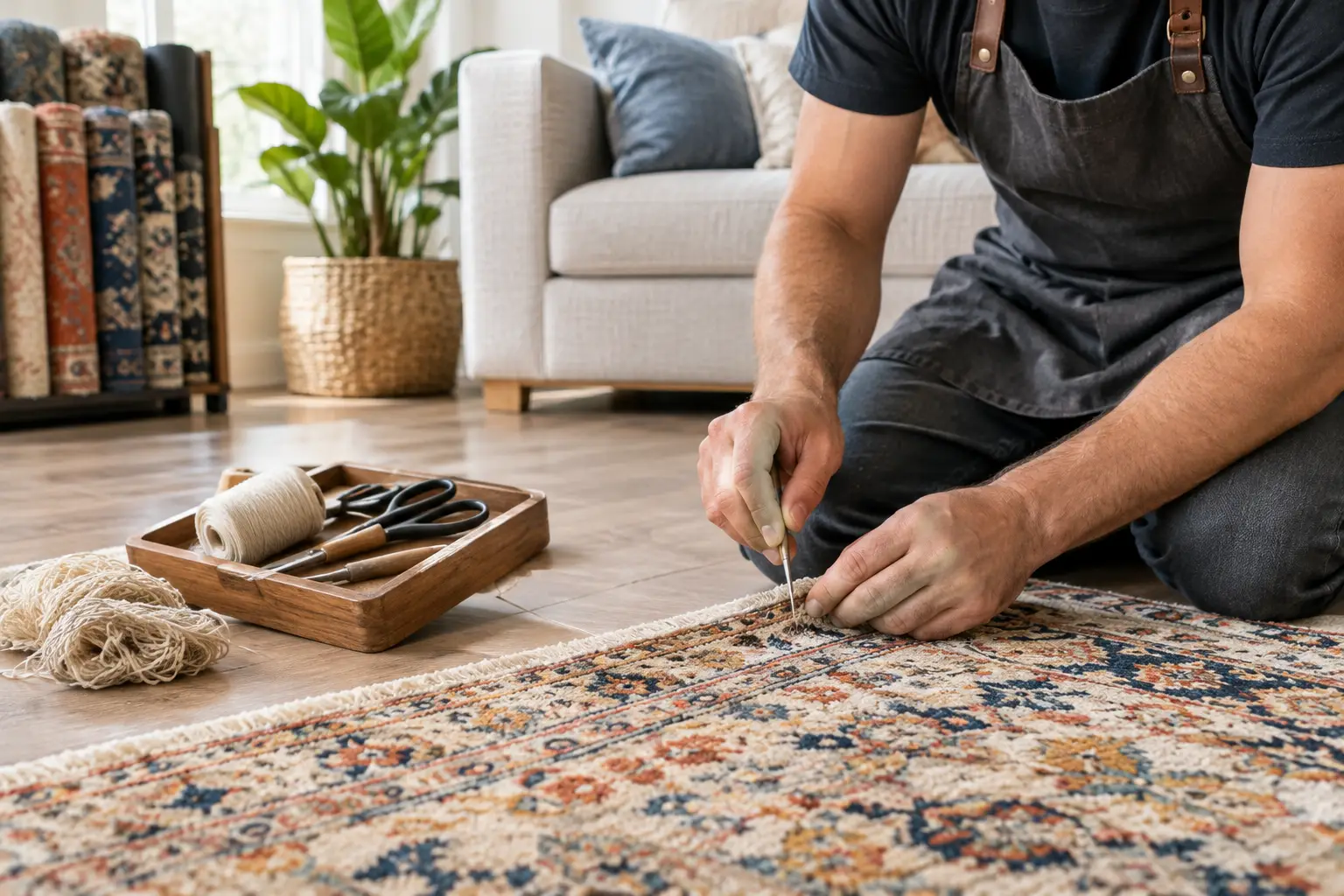
Use this Kennesaw rug repair guide to spot damage early, choose the right restoration, and protect the color, texture, and comfort of your favorite rug.
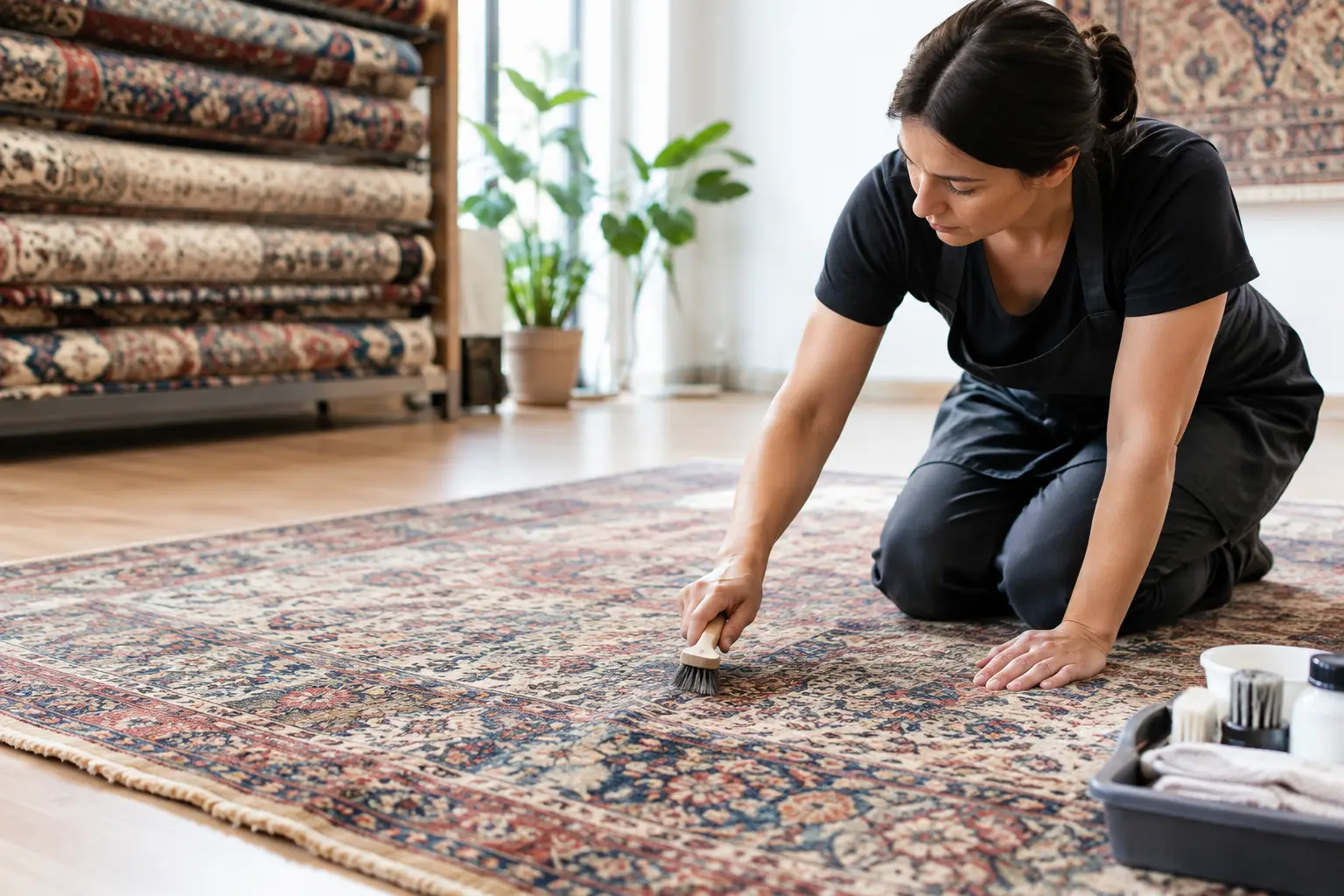
Marietta rug restoration can preserve color, texture, and history. Learn when repair makes sense and how thoughtful care protects a cherished rug at home.
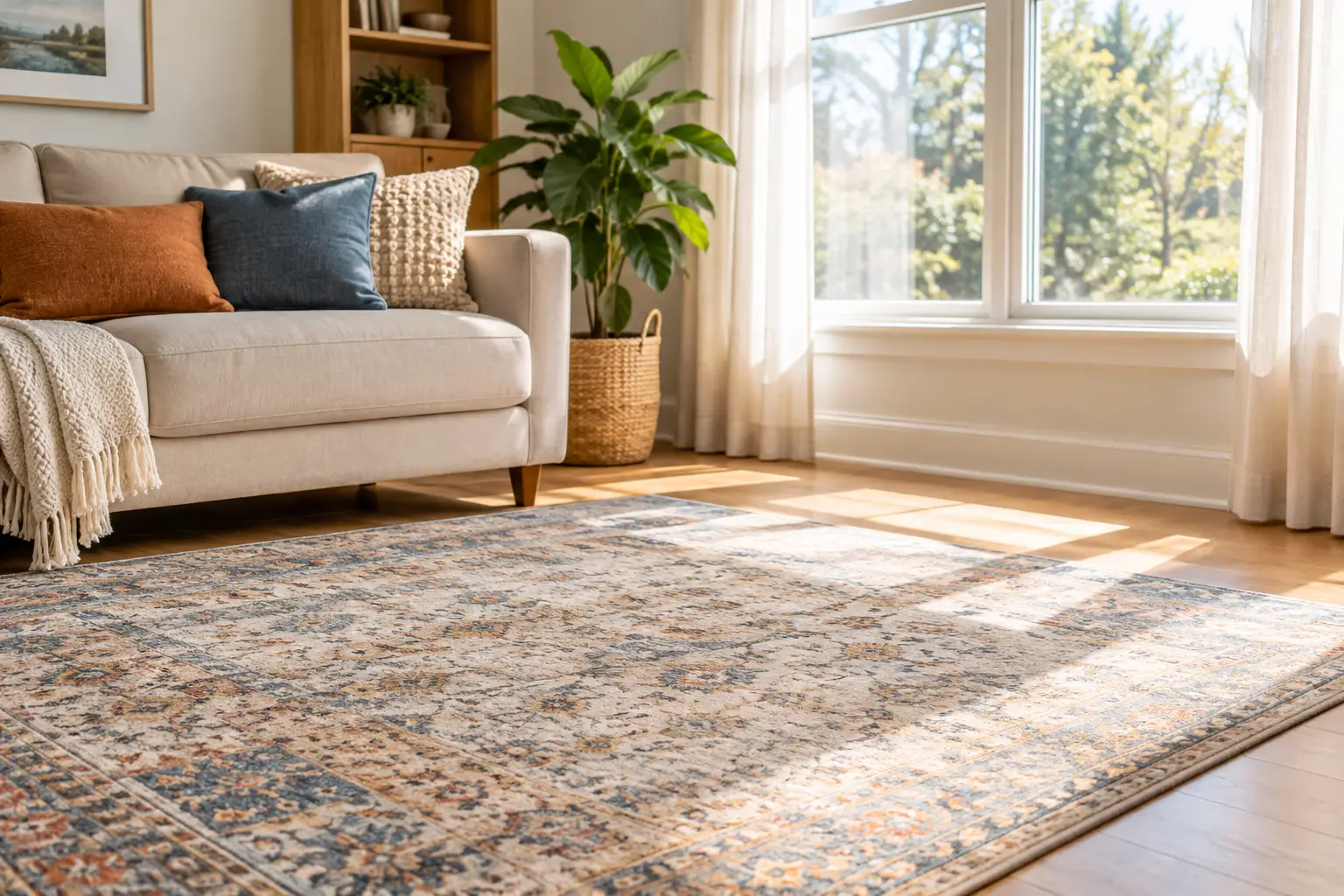
Learn how to protect rugs from sun fading with thoughtful window treatments, rotation, cleaning, and placement tips that preserve color and comfort daily.
From cozy area rugs to statement-making wall décor, our curated categories make it easy to explore what speaks to your space. Whether you’re refreshing a single corner or reimagining your whole home, start here and discover pieces that bring it all together.