


How to Remove Pet Odors From Rugs Safely
Learn how to remove pet odors from rugs without harming color or fibers, plus when professional washing is the smarter choice for a fresh home that lasts.
A covered porch can feel like the most welcoming room in the house – until the floor leaves the seating area looking scattered, bare, or unfinished. Choosing rugs for covered outdoor spaces is about more than finding a pattern you love. The right rug gives an open-air room definition, softness, and a collected sense of comfort while standing up to humidity, pollen, damp shoes, and everyday gatherings.
For homeowners in Canton and across North Georgia, a covered space still experiences changing weather. Rain may blow in from the side, summer humidity can linger for days, and a screened porch can collect as much pollen as an uncovered patio. A beautiful result begins with choosing a rug that suits the conditions, then styling it as thoughtfully as you would a living room.
“Covered” can mean very different things. A fully screened porch with a solid roof offers far more protection than a front porch with open sides. Before falling for a texture or color, consider how often moisture reaches the floor, how much direct sun comes through, and whether the area has steady airflow.
A rug on a deep, screened porch can often accommodate a softer, more elevated indoor-outdoor weave. A rug beneath an open-sided pavilion or near a pool should be made from materials that dry quickly and resist moisture. The more exposed the setting, the more performance should guide the decision.
This distinction matters because a rug does not have to be rained on to develop problems. Morning dampness, humid air, wet paws, and wind-driven rain can leave fibers holding moisture. In a covered setting, the temptation is to treat the space like an interior room. It may look like one, but the rug still needs outdoor-ready practicality.
For most covered outdoor areas, polypropylene is a dependable choice. It is designed to resist moisture, is generally easy to clean, and comes in an impressive range of colors and patterns. Today’s polypropylene rugs can feel far more refined than the stiff, plastic-like options people may remember. Look for a low-profile flatweave or a subtly textured design when you want a relaxed, tailored finish.
Recycled polyester, often called PET, is another appealing option. It can offer a softer hand and a more textile-like appearance, making it especially attractive for screened porches and covered patios meant to feel like an extension of the home. It still needs room to dry after moisture exposure, so it is best suited to spaces with good ventilation rather than areas that stay damp.
Natural fibers such as jute, sisal, seagrass, and wool bring beautiful texture indoors, but they are usually not the right long-term answer outdoors. Even under a roof, humidity and occasional water can cause natural fibers to discolor, weaken, or develop mildew. If you love their organic look, choose an outdoor-friendly rug that mimics that woven texture instead. You will get the warmth without asking delicate fibers to do work they were not made to do.
A low-pile rug is often the most graceful choice for a covered outdoor setting. It allows chairs to slide more easily, does not trap as much debris, and is simpler to shake out or rinse when pollen season arrives. A chunky, plush texture may look inviting in the showroom, but it can hold moisture and take longer to dry.
That does not mean every outdoor rug needs to be flat. A lightly raised pattern can add depth beneath a seating group, especially when the surrounding furniture has clean lines. The key is choosing texture that enhances the space without becoming difficult to maintain.
The most common outdoor rug mistake is choosing a rug that is too small. A small rug placed under only a coffee table tends to make a generous porch feel pieced together. Instead, let the rug create a true conversation area.
For a lounge arrangement, aim to place at least the front legs of sofas and chairs on the rug. If the porch is spacious enough, placing all furniture legs on the rug creates an especially grounded, polished look. Leave a visible border of flooring around the edge so the rug feels intentional rather than wall-to-wall.
A dining area needs a little more clearance. The rug should extend beyond the table enough that chairs remain on it when pulled back. This protects the floor, keeps chair legs from catching on the edge, and makes an outdoor meal feel more considered.
Measure the seating or dining arrangement as it will actually be used, not as it appears when every chair is pushed in. Painter’s tape is useful here. Mark the proposed rug dimensions on the floor, walk through the space, and check that door swings, traffic paths, and furniture placement still feel easy.
A covered outdoor room already has a natural focal point: the yard, garden, pool, or surrounding trees. A rug should frame that view rather than fight for attention. Soft neutrals, earthy greens, warm clay tones, muted blues, and quiet charcoal can make the space feel connected to the landscape while still offering enough visual interest to anchor the furniture.
Pattern is particularly useful outdoors because it disguises everyday dust, pollen, and the occasional spill better than a solid pale field. A small-scale geometric, subtle stripe, or tonal botanical pattern can bring personality without making the porch feel busy. If your cushions are patterned, consider a quieter rug. If the furniture is simple and solid, the rug can carry more of the room’s character.
Also consider what the rug looks like through the glass doors from inside. A porch rug is often visible from a kitchen, family room, or breakfast nook. Selecting a color that echoes an interior accent – perhaps the blue in a nearby pillow or the warm wood tone of a dining table – helps the spaces feel connected without becoming overly matched.
A rug pad can add cushioning, reduce shifting, and help a rug lie flatter. But it must be made for outdoor use and compatible with the flooring beneath it. A pad that holds water against concrete, painted wood, or composite decking can create more trouble than it solves.
On smooth surfaces, a breathable outdoor pad can be worthwhile, particularly in a high-traffic porch seating area. On textured stone or a rug that already stays firmly in place beneath heavy furniture, it may not be necessary. Check beneath the rug periodically, especially after extended wet weather, to make sure the floor and backing can dry fully.
The best outdoor rug is one you can keep looking good without turning maintenance into a weekend project. Regularly sweep or vacuum away pollen, leaves, and grit before they settle into the weave. For most performance rugs, a gentle rinse and mild soap are enough for seasonal refreshes. Always follow the maker’s care instructions, and let the rug dry completely before placing it back on the floor.
During long stretches of rain or winter weather, rolling up the rug and storing it in a dry location can extend its life. If storage is not practical, lift an edge occasionally and check for moisture underneath. This small habit is especially valuable on shaded porches where sun does not quickly dry the floor.
A rug is often the piece that turns outdoor furniture into an actual room. Once it is in place, layer in cushions that repeat one or two rug colors, a side table with a warm finish, and lighting that makes the space useful after sunset. The goal is not to make the porch look like an indoor living room moved outside. It is to create a setting that feels effortlessly styled, comfortable, and appropriate to the way your household gathers.
Seeing rugs in person makes this easier. At Home Rug Gallery, homeowners can compare texture, scale, and color in a way a screen simply cannot replicate, then choose a piece that feels right for both the porch and the rooms it connects to. Bring a photo of the space, a cushion cover, or a paint sample when you shop. The details that make a covered outdoor room feel quietly luxurious are often the details you can see and touch before the rug ever reaches the floor.
Learn how to remove pet odors from rugs without harming color or fibers, plus when professional washing is the smarter choice for a fresh home that lasts.
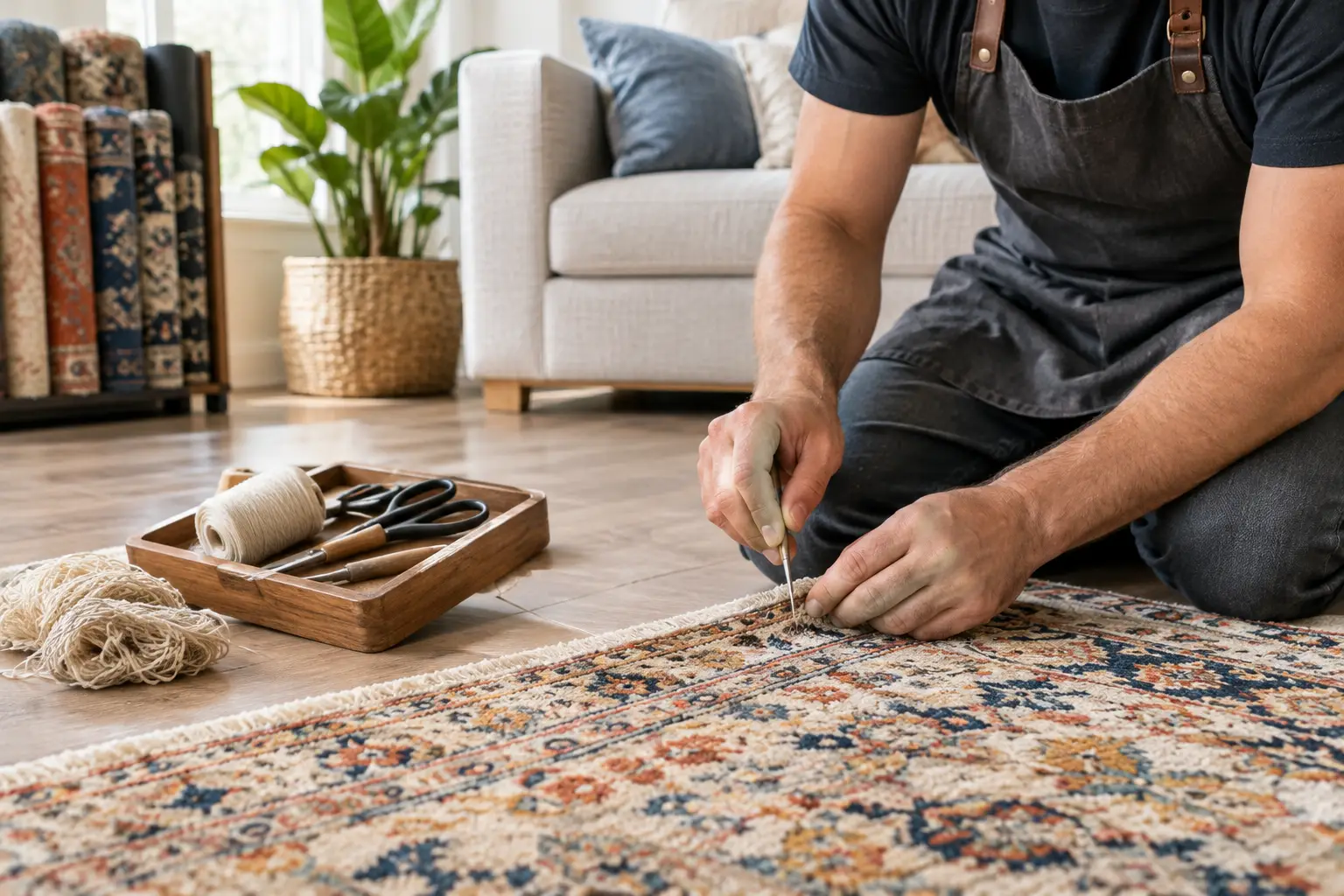
Use this Kennesaw rug repair guide to spot damage early, choose the right restoration, and protect the color, texture, and comfort of your favorite rug.
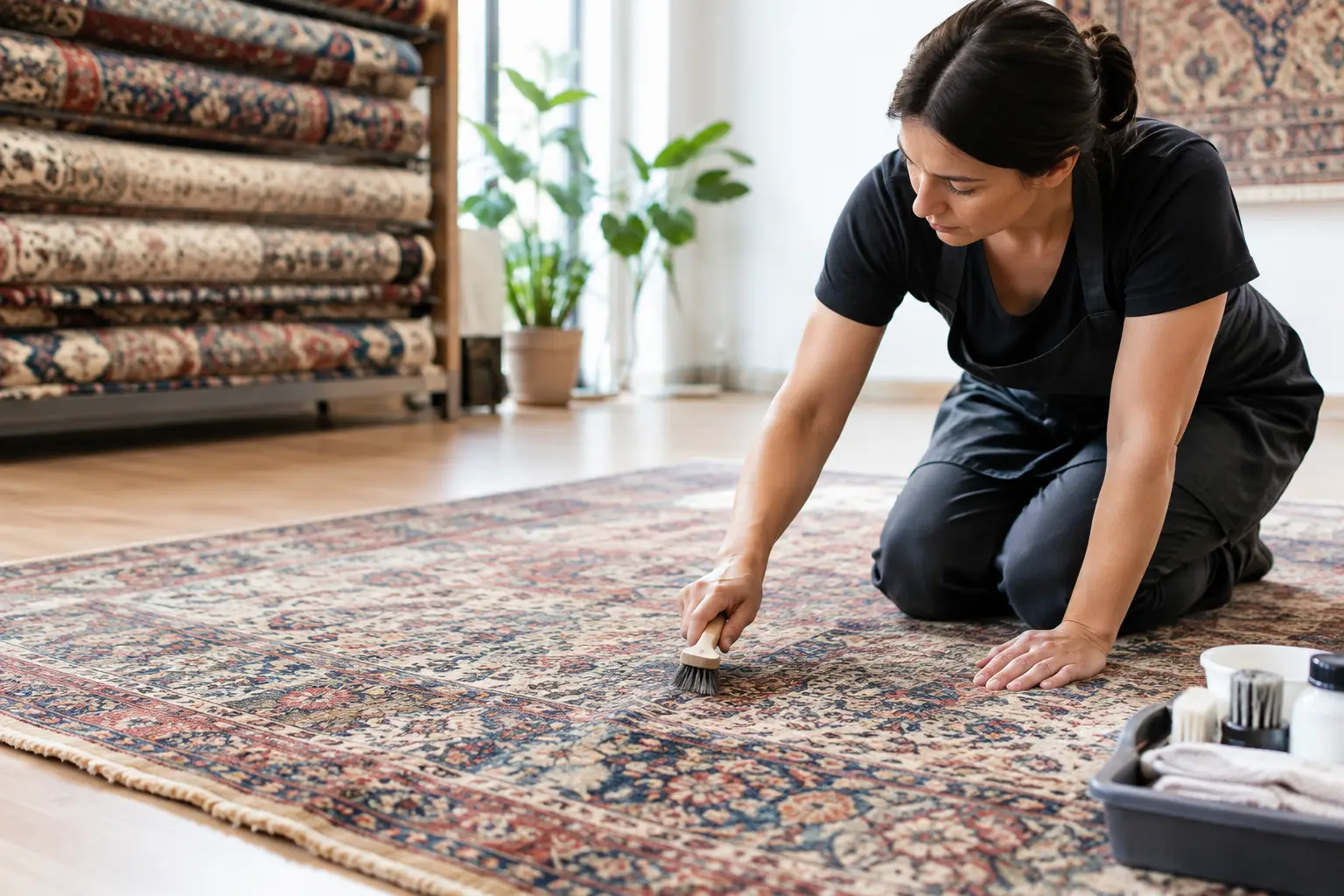
Marietta rug restoration can preserve color, texture, and history. Learn when repair makes sense and how thoughtful care protects a cherished rug at home.
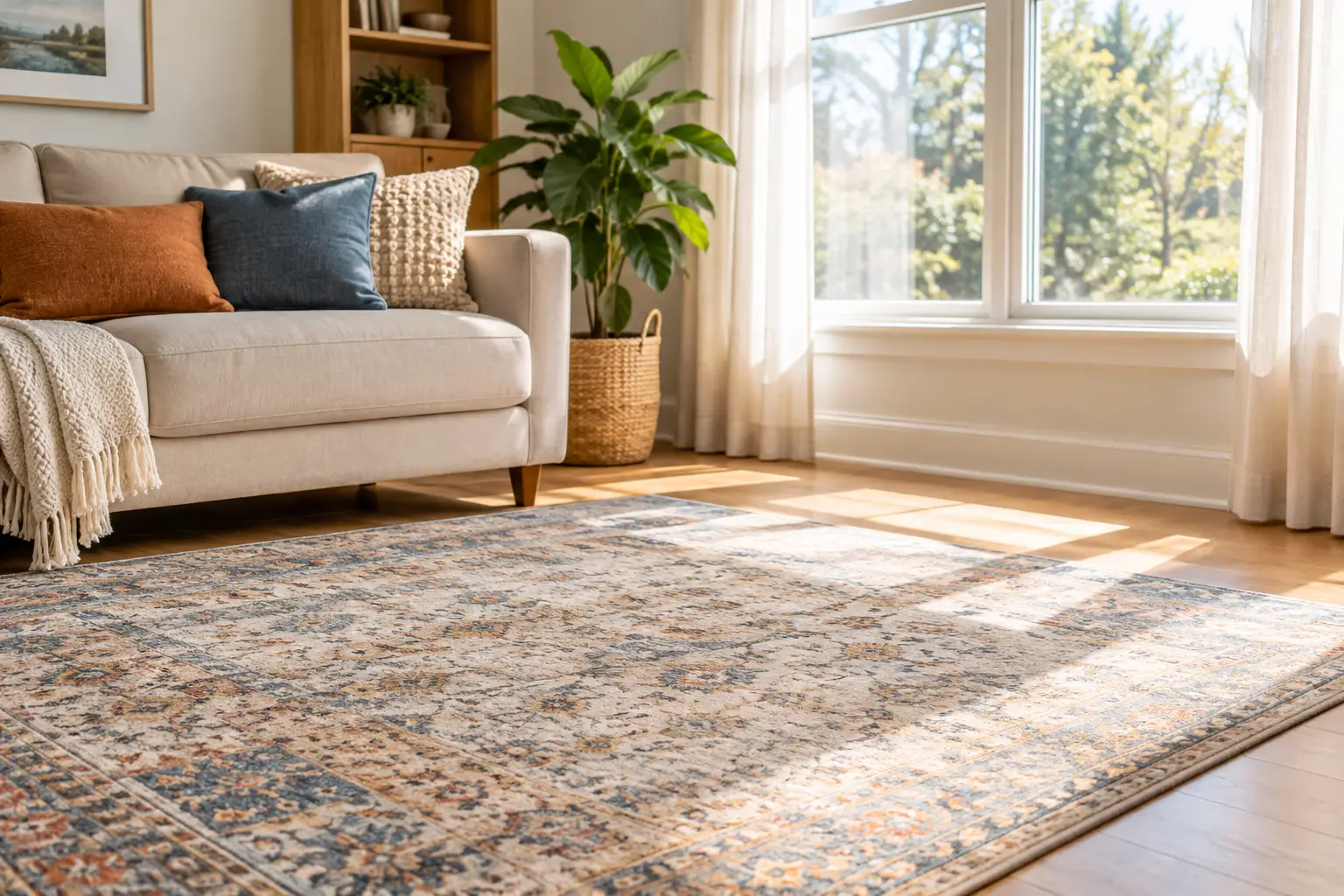
Learn how to protect rugs from sun fading with thoughtful window treatments, rotation, cleaning, and placement tips that preserve color and comfort daily.
From cozy area rugs to statement-making wall décor, our curated categories make it easy to explore what speaks to your space. Whether you’re refreshing a single corner or reimagining your whole home, start here and discover pieces that bring it all together.