


How to Remove Pet Odors From Rugs Safely
Learn how to remove pet odors from rugs without harming color or fibers, plus when professional washing is the smarter choice for a fresh home that lasts.
A rug can be the finishing touch in a room, but when it is made to suit your space, it often becomes the starting point instead. A thoughtful custom rug design review gives you time to look beyond a color swatch and consider how size, texture, construction, and everyday life will come together underfoot. The goal is not simply to order something unique. It is to create a rug that makes the entire room feel considered, comfortable, and deeply personal.
The most successful custom rugs begin with a clear view of the room they will serve. Before choosing a border, pattern, or pile height, consider the furniture layout, sightlines, natural light, and the way people move through the space. A beautiful design can still feel wrong if it is too small for a seating area or interrupts the flow around a dining table.
In a living room, a custom size can solve the familiar problem of a rug that only reaches the front legs of the furniture when the room really calls for a more generous foundation. Ideally, the rug connects the major pieces in the conversation area, giving sofas and chairs a sense of belonging rather than appearing to float apart.
For dining rooms, allow enough room for chairs to remain on the rug when pulled back from the table. In bedrooms, decide whether you want the rug to extend around the bed for a soft first step in the morning or sit beneath the lower portion of the bed as a tailored visual anchor. These details shape the finished feeling more than a pattern ever could.
Bring room measurements, a few photos, and fabric or paint samples when you begin the design conversation. Seeing those elements together makes it easier to assess scale and undertones, especially when a room includes warm woods, cool stone, or changing daylight.
A custom rug is an aesthetic choice, but it also has a job to do. The right construction depends on how the room is used, who uses it, and how much maintenance feels realistic for your household.
A formal sitting room may welcome a more sculptural texture, a refined low pile, or a quiet pattern that rewards a closer look. A busy family room, entry, or home with pets may call for a construction and color story that are more forgiving of daily traffic. This does not mean practical rugs must look ordinary. Rich heathered tones, small-scale pattern, and thoughtfully layered texture can bring softness and character while helping everyday wear recede.
Think carefully about the following design decisions as a group rather than in isolation:
The best choice depends on the setting. A high-contrast cream rug may be exactly right for a low-use retreat, while a similar look in a frequently used den may benefit from warmer, more nuanced color variation. A good review is honest about that distinction, because a rug should be enjoyed rather than constantly protected.
Standard rug sizes work well in many homes, but rooms are not always standard. A long hallway, an angled seating area, a generous primary bedroom, or a dining space with an expanded table can make a made-to-order size especially worthwhile.
Before finalizing dimensions, use painter’s tape or kraft paper to mark the rug’s footprint on the floor. Walk around it. Open the doors nearby. Pull out the dining chairs. This simple exercise reveals whether the rug creates welcome breathing room or crowds the perimeter of the space.
Pay attention to proportion, too. A custom rug does not need to fill every inch of visible floor. Leaving a consistent border of flooring around the edges usually feels calm and intentional. The exception is a room where a nearly wall-to-wall effect is part of the design direction. In that case, the rug can create a cocooning, quiet-luxury feeling, particularly in a bedroom or lounge, as long as the layout still allows doors and furniture to function comfortably.
Custom design offers a wonderful opportunity to coordinate a room without making everything match. A rug can repeat the soft green in a pillow, echo the charcoal veining in a fireplace surround, or introduce a warmer neutral that connects the living room to an adjoining kitchen. The result should feel collected, not overly coordinated.
When reviewing color, look at samples in the actual room whenever possible. Morning light, afternoon sun, and evening lamps can each change the appearance of cream, gray, blue, and beige. What appears crisp in a showroom may read cooler at home, while a warm neutral can look unexpectedly golden beside certain wall colors.
Consider the visual role the rug should play. If your furnishings, art, or drapery already have strong pattern, a tonal custom rug may bring the room into balance. If the furniture is clean-lined and quiet, the rug can carry more of the visual interest through a subtle geometric, an organic motif, or layered texture. Neither approach is more stylish. The right one gives the eye a place to rest while still allowing the room to express personality.
Color is often the first thing people notice, but texture is what makes a custom rug feel memorable. A looped field, hand-finished pile, carved pattern, or blend of flat and raised areas can add depth without relying on bold color. This is especially effective in neutral interiors, where the beauty lies in material, light, and small shifts in tone.
Texture should also support the furniture and architecture around it. A sleek contemporary room may benefit from a crisp linear pattern or a low, tailored surface. A home with softer upholstery, aged wood, and collected accessories may call for a more organic design with gentle movement. The rug does not have to imitate every element in the room. It should simply feel at home among them.
Do not overlook how texture will feel in the places you use most. Run a hand over the sample, stand on it if possible, and picture it near bare feet, dining chairs, or the family coffee table. The tactile experience matters, particularly when you are investing in a piece designed around your home.
Before placing an order, take one final pass through the full design. Confirm dimensions in feet and inches, orientation of the pattern, field color, border color, and any requested texture changes. If the design includes a directional motif, make sure it will face the intended way once the rug is placed in the room.
It also helps to consider future flexibility. A custom rug designed for a specific room can be wonderfully precise, but if you expect to move furniture often or relocate in the near future, a more adaptable size and palette may be the wiser choice. Timeless does not have to mean plain. It means choosing details you will still appreciate after the excitement of a room refresh has settled.
At Home Rug Gallery, seeing samples alongside coordinating pillows, lighting, and décor can make these decisions feel more tangible. That in-person perspective is particularly helpful when you are weighing a subtle difference in ivory, deciding between two textures, or trying to create continuity across connected spaces.
A custom rug is most rewarding when it feels natural in the room from the first day, as though it has always belonged there. Give the design the same care you would give a favorite piece of furniture: consider its scale, its comfort, its relationship to light, and the life that will happen around it. The final choice should not only look beautiful in a sample or a sketch. It should make coming home feel a little more complete.
Learn how to remove pet odors from rugs without harming color or fibers, plus when professional washing is the smarter choice for a fresh home that lasts.
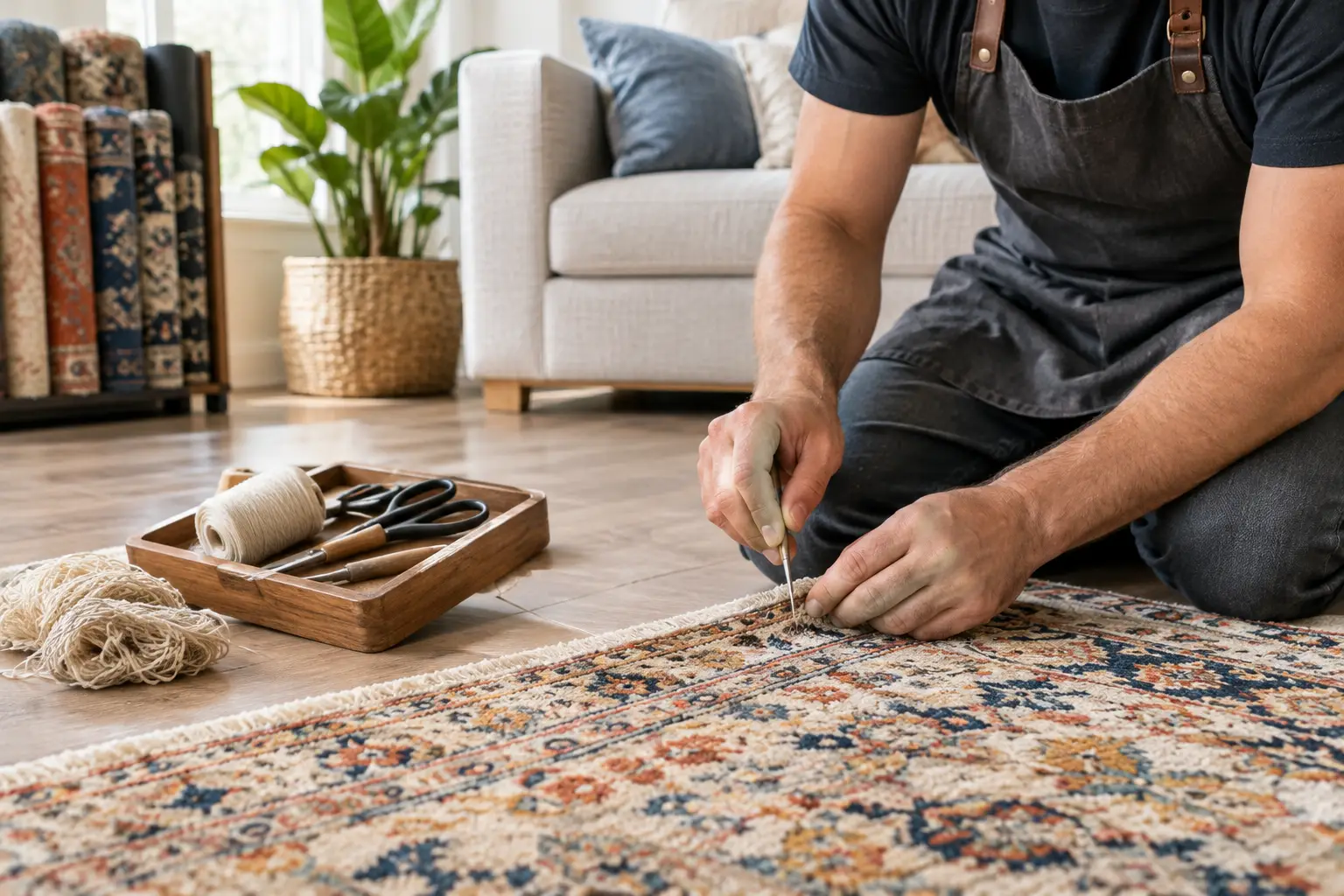
Use this Kennesaw rug repair guide to spot damage early, choose the right restoration, and protect the color, texture, and comfort of your favorite rug.

Marietta rug restoration can preserve color, texture, and history. Learn when repair makes sense and how thoughtful care protects a cherished rug at home.
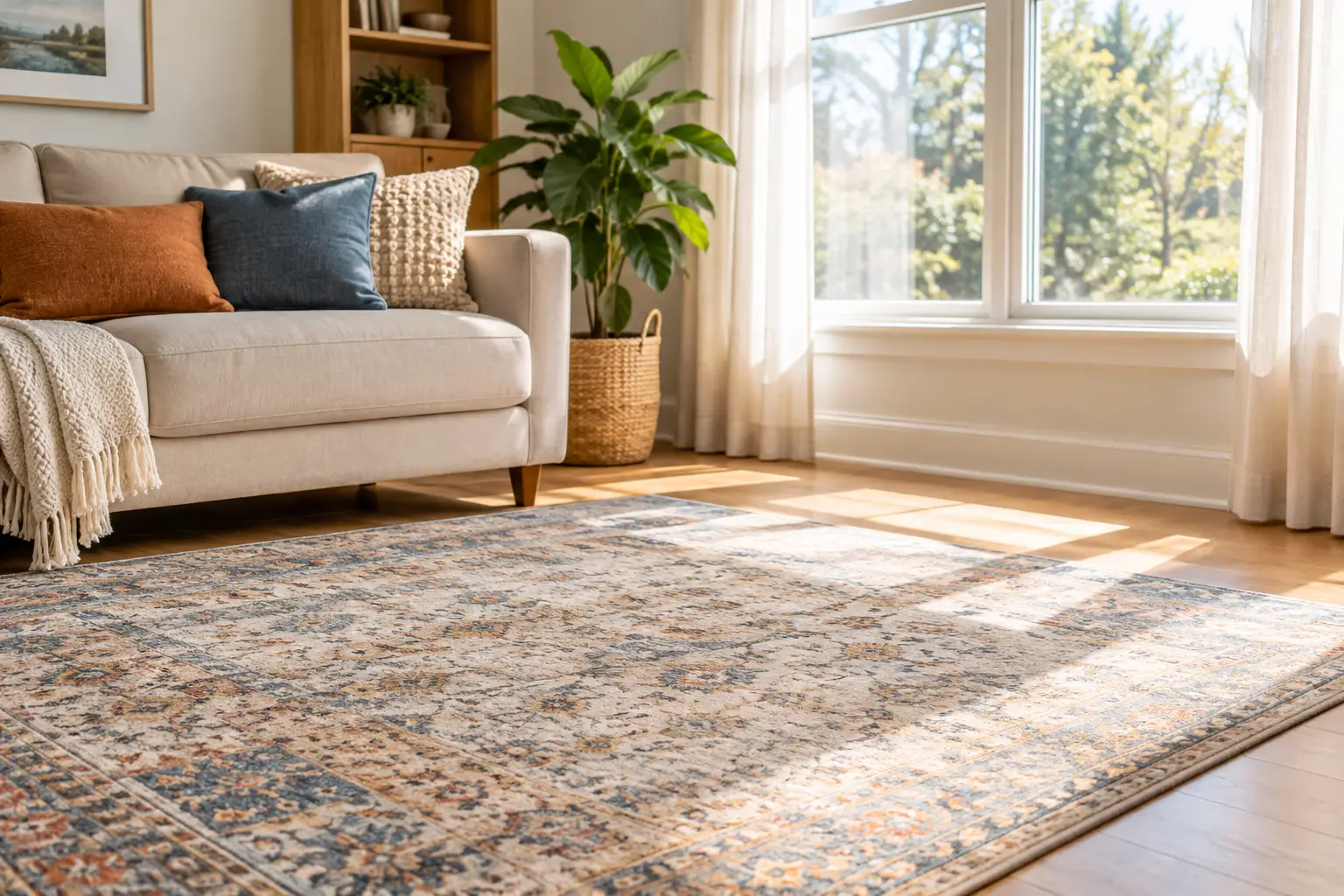
Learn how to protect rugs from sun fading with thoughtful window treatments, rotation, cleaning, and placement tips that preserve color and comfort daily.
From cozy area rugs to statement-making wall décor, our curated categories make it easy to explore what speaks to your space. Whether you’re refreshing a single corner or reimagining your whole home, start here and discover pieces that bring it all together.