How to Remove Pet Odors From Rugs Safely
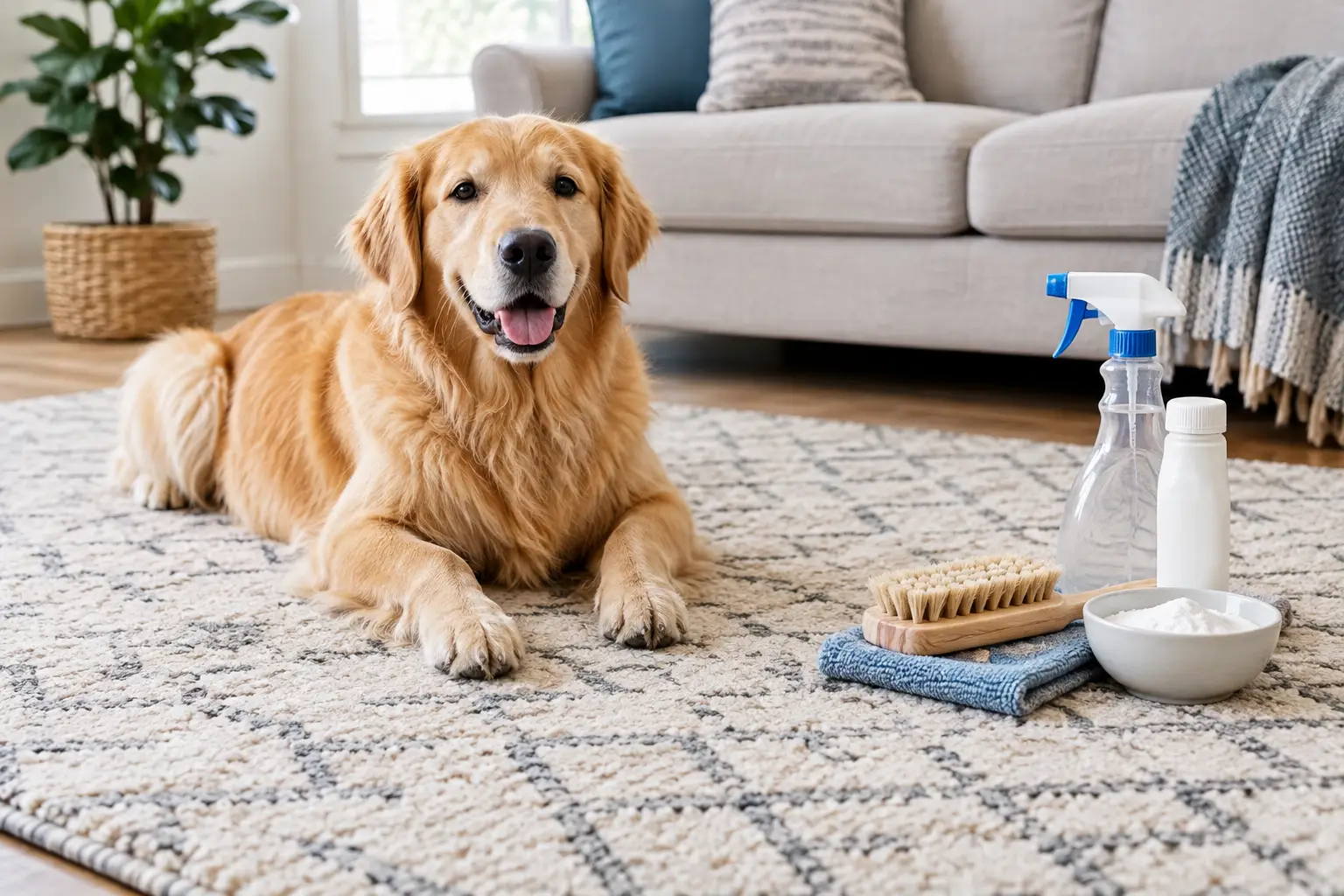
Learn how to remove pet odors from rugs without harming color or fibers, plus when professional washing is the smarter choice for a fresh home that lasts.
A wool rug can make a room feel finished in a way few other pieces can. Its texture softens hard surfaces, its color adds depth, and its presence often anchors the entire furniture plan. That is why a wool rug cleaner review should focus on more than whether a product lifts a visible spot. The right cleaner should preserve the rug’s color, hand feel, shape, and quiet sense of luxury long after the spill is gone.
Wool is naturally resilient, but it is not indestructible. The wrong cleaning approach can leave fibers stiff, create a dull finish, pull color, or cause a spot to reappear as it dries. For homeowners who have chosen wool for its comfort and lasting beauty, the goal is not aggressive cleaning. It is thoughtful care.
Wool has a natural protective coating that helps it resist dirt and liquid better than many synthetic fibers. A fresh spill often stays near the surface briefly, giving you time to blot it before it settles in. Wool also has a naturally rich, slightly irregular texture that contributes to its tailored, collected appearance.
That same fiber structure is sensitive to extremes. High-alkaline cleaners, excessive heat, oversaturation, and rough scrubbing can damage wool. The fibers may felt together, becoming matted and less supple. Dyes, especially in hand-knotted or richly colored rugs, can bleed when too much moisture or the wrong solution is used.
This is where many general-purpose carpet cleaners fall short. A product can be effective on wall-to-wall synthetic carpet and still be a poor match for a wool area rug. The label may promise a bright, fresh result, but wool benefits most from a low-moisture, residue-conscious method that respects the material.
A useful review of wool rug cleaners begins with the formula, not the fragrance or the size of the bottle. The most suitable options are typically made for natural fibers or specifically identified as safe for wool. They should be pH-balanced or close to neutral, gentle enough for dyed fibers, and easy to remove without leaving a sticky film behind.
Residue matters more than many homeowners realize. A cleaner that leaves soap in the fibers can make the area feel crunchy or attract soil quickly. The rug may look clean for a few days, then develop a darker patch where dust and foot traffic cling to the remaining product. For a living room rug that sees daily use, this can make a simple spot treatment feel like a recurring problem.
The best at-home wool cleaners also work with minimal water. Look for products intended for spot cleaning rather than heavy saturation. A light foam, a carefully diluted solution, or a wool-safe powder can be appropriate depending on the issue. Each has trade-offs, and the right choice depends on the stain, the rug’s construction, and how much moisture the rug can tolerate.
For fresh food, drink, or everyday household spots, a wool-safe liquid spot cleaner can be the most practical choice. It gives you targeted control, especially when applied to a white cloth first instead of poured directly onto the rug. This approach lets you work from the outside of the stain toward the center, reducing the chance of spreading it.
The limitation is that even a gentle liquid cleaner can cause trouble when used too freely. If the rug feels wet through the backing, it has received too much moisture. Blot with dry, clean towels and allow air to circulate around the area. Avoid heat, and do not place furniture back over the spot until it is fully dry.
Low-moisture powders and dry-cleaning compounds can be a good option for light soil, oily residue, and routine refreshing. They are appealing for wool because they reduce the risk of overwetting, particularly on a rug with a thick pile or a dense foundation.
Still, dry products are not automatically the best answer. Fine powder can remain trapped deep in the pile if it is not thoroughly removed. On a detailed rug with fringe, layered texture, or a more delicate construction, aggressive brushing and vacuuming may create their own concerns. Choose a gentle formula and follow the directions carefully, then vacuum in the direction of the pile using appropriate suction.
Avoid cleaners that are heavily alkaline, bleach-based, or designed to create a dramatic whitening effect. These may alter wool’s natural feel and can be especially risky for colorful rugs. Strong enzymes, oxygen boosters, and deodorizing chemicals also deserve a careful look. They can be useful on some household textiles, but they are not a universal solution for wool.
Steam cleaning is another common mistake. The combination of high heat and heavy moisture can distort fibers, encourage dye migration, or leave moisture beneath the surface where it is difficult to dry properly. A wool rug should never be treated like a synthetic carpet simply because both happen to sit on the floor.
There is no single bottle that belongs in every wool-rug emergency kit. A water-based spill such as coffee, juice, or a pet accident requires prompt blotting first. Press a clean, white absorbent cloth into the area and replace it as it becomes damp. Rubbing is tempting, but it pushes the spill deeper and can roughen the pile.
For a grease-based stain, blot away any excess material without spreading it. A wool-appropriate dry-cleaning powder or professionally guided treatment is often safer than adding more water. Wax, makeup, ink, and deeply set pet stains are situations where experimentation can turn a small issue into a larger restoration concern.
Before using any cleaner, test it in a hidden area. A corner underneath a console table or the edge beneath a sofa can reveal whether the dye is stable. Apply a small amount, blot gently with a white cloth, and check for color transfer. This simple step is particularly valuable for hand-knotted, vintage, and richly saturated rugs.
Even an excellent wool-safe cleaner can disappoint if it is applied incorrectly. Start by removing dry debris with a gentle vacuum. Then use the smallest amount of product needed, working patiently rather than scrubbing quickly. Blotting lifts soil. Scrubbing can distort the rug’s surface and create a visibly different texture in one area.
Pay attention to the rug’s backing as well. Many area rugs have cotton, wool, or natural-fiber foundations that can shrink, ripple, or hold moisture. If a spill reaches through the pile, the rug may need more than surface cleaning. This is especially true when a rug sits over hardwood, where trapped moisture can affect both the rug and the floor beneath it.
A rug pad is part of the care plan, too. It supports the rug, reduces friction, and allows better airflow. If a spill is substantial, check the pad and the flooring underneath rather than assuming the visible stain tells the whole story.
At-home products are best viewed as first aid for small, fresh incidents. They are not a substitute for periodic, fiber-appropriate washing and inspection. A professional cleaning process can address embedded soil, lingering odor, and buildup that a surface cleaner cannot fully reach while evaluating dye stability, fringe condition, and areas of wear.
This matters for rugs that are central to the home’s design. A large wool rug in a family room, dining room, or entry does more than cover the floor. It carries the room’s color story and absorbs the evidence of daily life. Keeping it clean preserves the way the entire space feels.
For homeowners in Canton, Woodstock, Acworth, Kennesaw, and Marietta, bringing a treasured wool rug to a specialist also provides a helpful second set of eyes. Fading, loose edges, moth activity, and early wear can be identified before they become harder to correct.
The strongest wool rug cleaner is not necessarily the one that promises the fastest transformation. It is the one that removes the immediate problem while protecting the texture, color, and character that made you choose wool in the first place. Keep a gentle, wool-safe spot cleaner on hand for small accidents, use it sparingly, and treat uncertain stains with patience.
A beautiful rug is meant to be lived with, not worried over. With a careful response to spills and professional support when the situation calls for it, your wool rug can remain the warm, effortlessly styled foundation of the room for years to come.
Learn how to remove pet odors from rugs without harming color or fibers, plus when professional washing is the smarter choice for a fresh home that lasts.
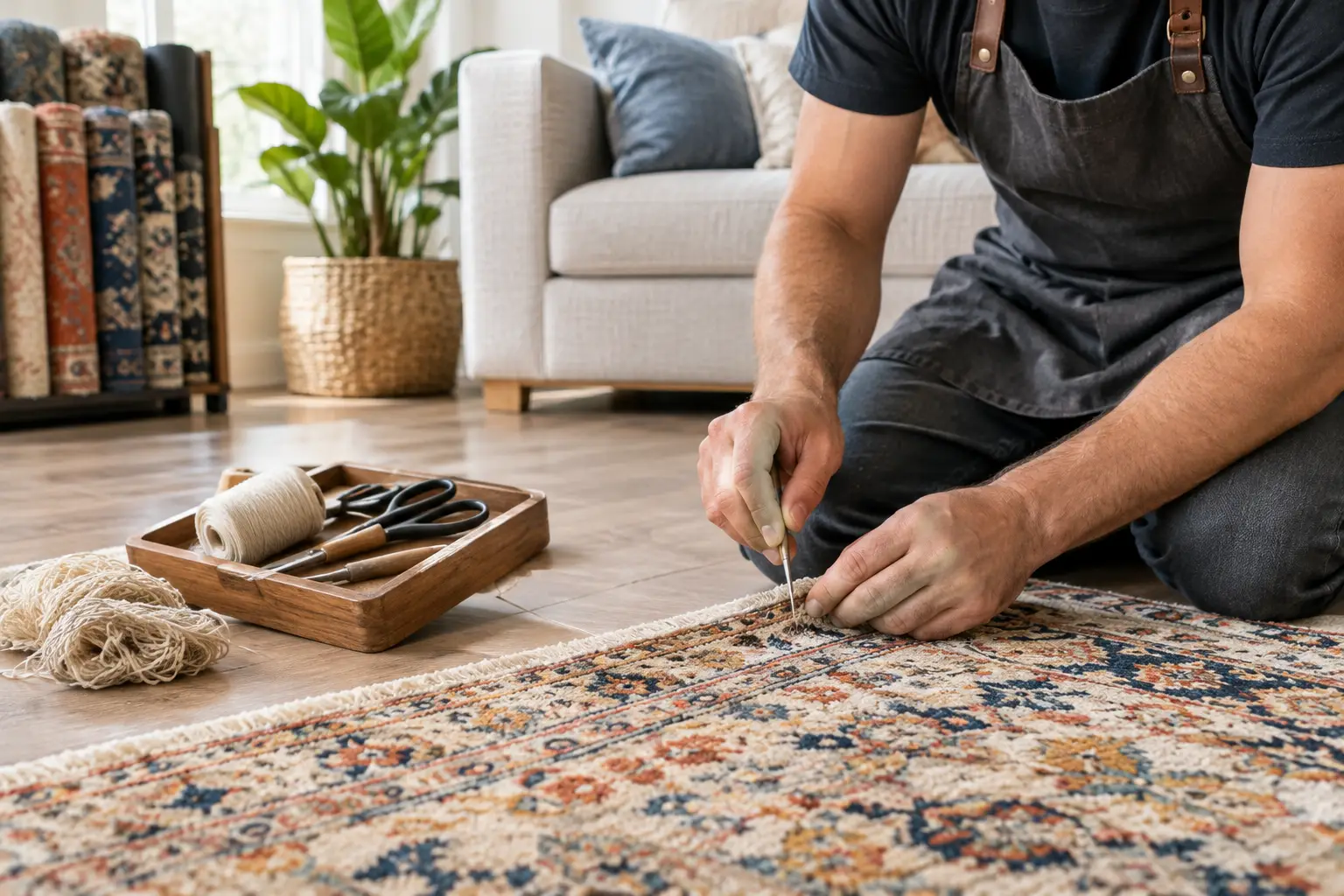
Use this Kennesaw rug repair guide to spot damage early, choose the right restoration, and protect the color, texture, and comfort of your favorite rug.

Marietta rug restoration can preserve color, texture, and history. Learn when repair makes sense and how thoughtful care protects a cherished rug at home.

Learn how to protect rugs from sun fading with thoughtful window treatments, rotation, cleaning, and placement tips that preserve color and comfort daily.
From cozy area rugs to statement-making wall décor, our curated categories make it easy to explore what speaks to your space. Whether you’re refreshing a single corner or reimagining your whole home, start here and discover pieces that bring it all together.