


How to Remove Pet Odors From Rugs Safely
Learn how to remove pet odors from rugs without harming color or fibers, plus when professional washing is the smarter choice for a fresh home that lasts.
A beautiful room can still feel unfinished until the right rug grounds it. For homeowners searching for designer rugs near Kennesaw, the difference is rarely just a pattern on the floor. It is the right scale beneath the furniture, a texture that suits real life, and color that makes every surrounding piece feel more considered.
A designer rug should bring a room together without asking for all the attention. It may introduce soft warmth to an open-concept living area, create definition in a dining room, or give a bedroom the quiet, layered comfort it has been missing. The goal is not to follow a single trend. It is to choose a piece that feels deeply personal and works beautifully with the way your home is lived in.
Online images can be useful for inspiration, but they leave out the details that often determine whether a rug truly works. A warm ivory can lean yellow in one setting and soft gray in another. A weave that looks plush on a screen may feel flatter than expected underfoot. Even dimensions can be difficult to picture until you see a rug in relation to actual furniture.
Seeing designer rugs in person gives you the chance to compare fibers, examine the variation in the pattern, and notice how colors respond under natural and interior lighting. It also makes it easier to consider the surrounding room. Bring a photo of your flooring, upholstery, paint color, or favorite artwork when you shop. Those references can reveal whether a rug creates the calm, contrast, or cohesion you want.
For homes around Kennesaw, where spaces often blend relaxed family living with a more polished look, this tactile approach is especially valuable. The right rug can feel elevated without becoming precious. It should look at home beneath a coffee table, beside a favorite chair, or under the feet of a busy household.
Pattern and color tend to get the first glance, but size is usually the more consequential decision. A rug that is too small can make even thoughtfully chosen furniture feel disconnected. One that is generously scaled gives the room a sense of ease and proportion.
In a living room, the most balanced arrangement generally allows the front legs of sofas and chairs to rest on the rug. In larger rooms, placing all major furniture on the rug can create an especially luxurious, anchored look. A small rug floating in the center may work for a compact seating arrangement, but it needs to feel intentional rather than like an afterthought.
Before shopping, measure the seating area instead of measuring only the open floor. Consider where furniture actually sits, how people walk through the room, and how much border you want visible around the edges. A few inches can change the entire feeling of the layout.
A dining room rug should extend far enough beyond the table that chairs remain on it when pulled out. This is both a visual and practical consideration. When chair legs catch the rug edge every time someone sits down, the room quickly feels less functional.
In a frequently used dining room, a lower-profile construction can be a smart choice. It offers a tailored look and makes chairs easier to move, while still adding softness, color, and definition beneath the table.
A bedroom rug does not have to cover the entire floor to feel generous. It simply needs to provide a comfortable landing place beside the bed. A large rug placed under the lower portion of the bed creates a grounded, hotel-like arrangement, while runners along each side can be an elegant solution when the room layout is more constrained.
The most beautiful rug for your home is one that suits your daily rhythm. A formal sitting room, a sun-filled breakfast area, and a family room with pets do not require the same performance from a floor covering.
Wool remains a favorite for good reason. It has natural resilience, beautiful texture, and an inviting feel underfoot. Its subtle variations often bring depth to neutral interiors, especially when paired with wood, linen, leather, or painted finishes. Wool can be an excellent choice for living rooms, bedrooms, and other spaces where comfort matters.
Synthetic and performance-oriented options can make sense in active areas, particularly where spills, shoes, or pets are part of the routine. Their appeal is practical, but they do not have to look utilitarian. Many offer sophisticated pattern, nuanced color, and the low-profile ease that works well in dining rooms and high-traffic spaces.
Natural-fiber rugs such as jute or sisal bring organic texture and an effortless, collected quality. They can be especially compelling in casual living spaces, entryways, and rooms that need a little visual warmth. The trade-off is feel and maintenance. Their texture is typically firmer, and some constructions are better suited to lower-moisture areas.
The best choice depends on where the rug will live, who will use the room, and how much softness you want beneath your feet. A showroom conversation can help translate those everyday details into a material that feels right long after the first impression.
A rug can either support the room’s existing palette or become the piece that gives it direction. Neither approach is better. It depends on whether you want the rug to settle quietly into the room or provide an artful point of contrast.
For a calm, layered interior, look for tonal designs with gentle movement. Soft sand, mineral gray, muted blue, warm taupe, and faded terracotta can add dimension without making the room feel busy. These rugs are especially effective when a space already has strong architectural features, statement lighting, or colorful artwork.
If a room feels overly neutral or flat, a rug with richer color or a more defined motif can add personality. The key is repetition. Pull one or two smaller colors from the rug into pillows, a throw, decorative accessories, or art. The room does not need to match exactly. It simply needs a visual conversation among its elements.
Consider the undertones already present in the space. Cool gray flooring and creamy white walls call for a different palette than honey-toned hardwoods and warm beige upholstery. This is why samples, photographs, and in-person comparison matter so much. A color that is lovely by itself may not be the color that makes your room feel complete.
Designer rugs do more than cover square footage. They influence the mood of the entire room. A traditional-inspired motif can lend history and softness to newer construction. A geometric design can add structure to a room with rounded furnishings. An abstract pattern can feel modern, painterly, and relaxed without becoming too literal.
Texture plays an equally important role. A low, refined pile can create a tailored look in a dining room or office. A thicker, more tactile rug brings softness to bedrooms and lounge spaces. Hand-finished details, subtle fringe, and varied fibers can add a sense of craftsmanship that makes a room feel collected rather than overly coordinated.
When the furniture is already patterned or visually strong, a quieter rug often brings the right balance. When the furnishings are simple, the rug has more freedom to make a statement. Think of it as setting the room’s volume: some spaces need a whisper, while others benefit from a confident note of color and movement.
Once the rug is chosen, it can guide the rest of the room. A pillow in a related tone, a throw with a complementary texture, or lighting that echoes the rug’s warmth can make the space feel effortlessly styled. The goal is not to buy every accessory from the same collection. In fact, a little variety usually makes a room feel more authentic.
At Home Rug Gallery, the showroom experience is designed around that larger picture. A rug may be the starting point, but coordinating pillows, poufs, throws, lighting, and décor can help homeowners see how individual pieces become a polished whole.
Do not overlook the practical finish, either. A quality rug pad helps provide cushioning, supports the rug’s shape, and can reduce shifting underfoot. It is a small addition that improves both comfort and everyday performance.
A well-chosen rug deserves care that matches its role in the home. Regular vacuuming, prompt attention to spills, and occasional professional cleaning can help preserve color, fibers, and texture. The care approach should match the construction and material, particularly for handmade, wool, antique, or delicate rugs.
If a beloved rug has fringe damage, worn edges, or a stain that will not lift, replacement is not always the only answer. Professional rug repair and restoration can often address issues while preserving the character that made the piece special in the first place. This is particularly meaningful for rugs with family history, distinctive craftsmanship, or a perfect place in the room.
The right rug is not simply something you place under furniture. It is the foundation for the moments that happen there. Take your room measurements, gather a few visual references, and give yourself the chance to see the color, texture, and scale in person. The piece that makes your home feel more like yours is often the one you can truly experience before it comes home.
Learn how to remove pet odors from rugs without harming color or fibers, plus when professional washing is the smarter choice for a fresh home that lasts.
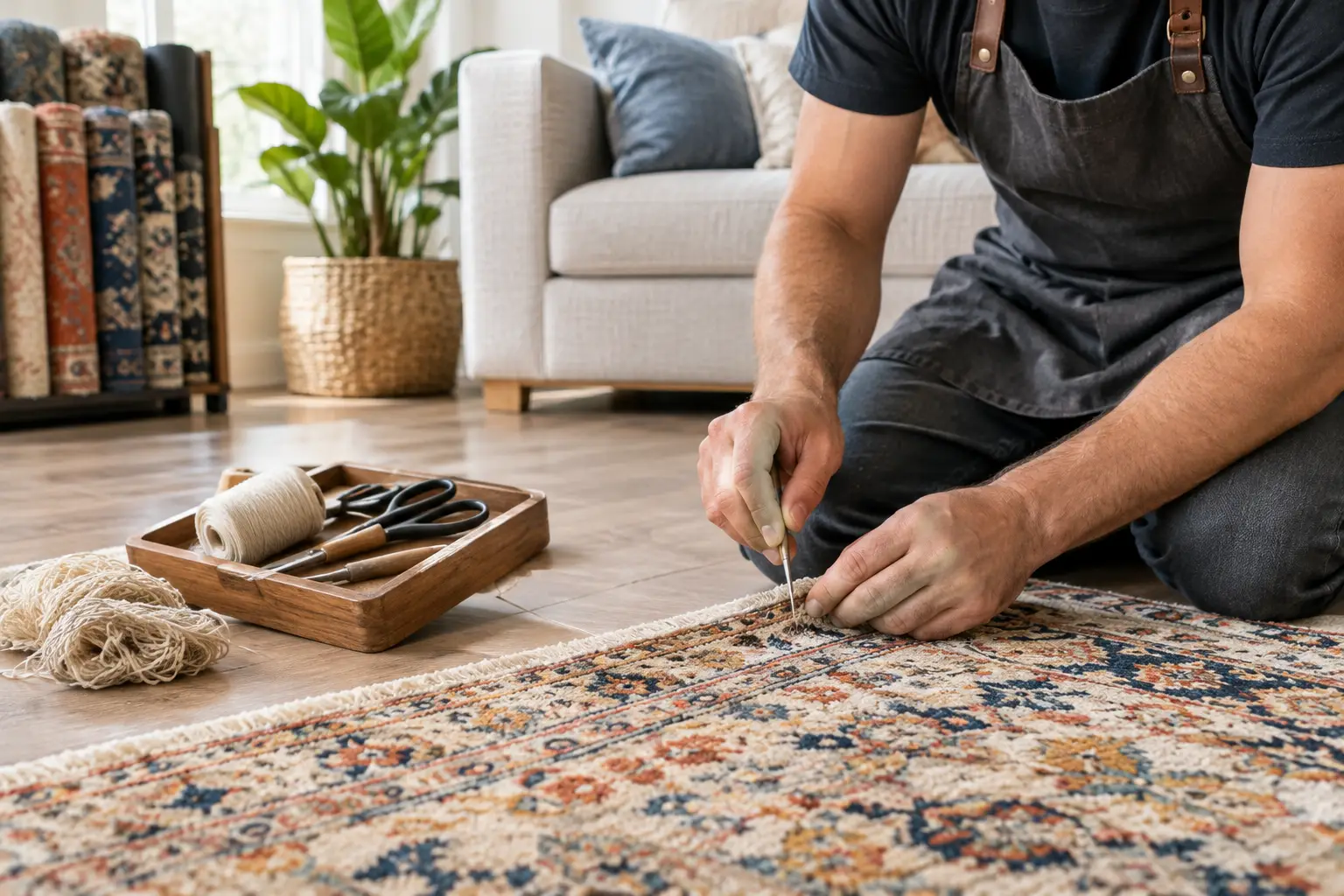
Use this Kennesaw rug repair guide to spot damage early, choose the right restoration, and protect the color, texture, and comfort of your favorite rug.
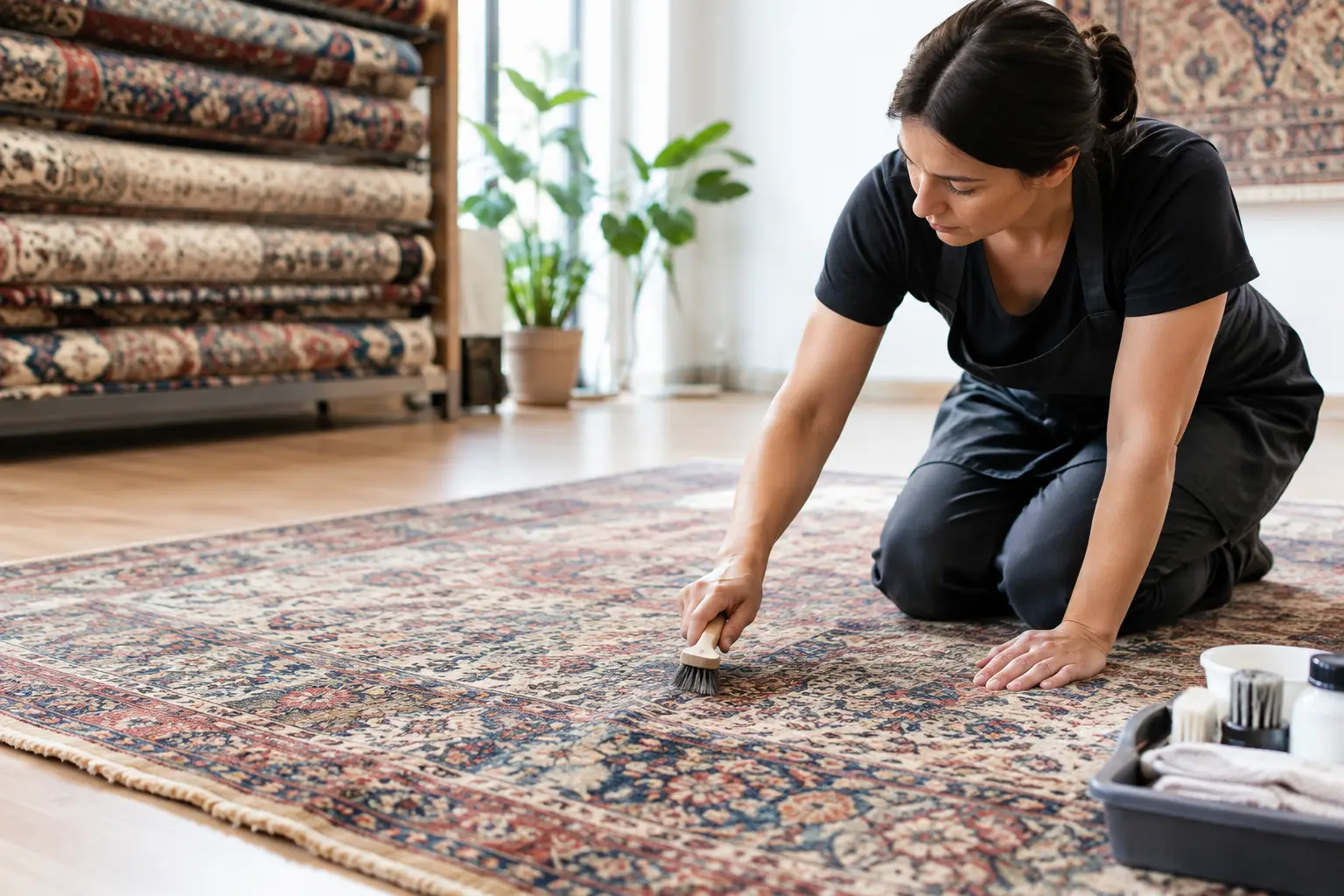
Marietta rug restoration can preserve color, texture, and history. Learn when repair makes sense and how thoughtful care protects a cherished rug at home.
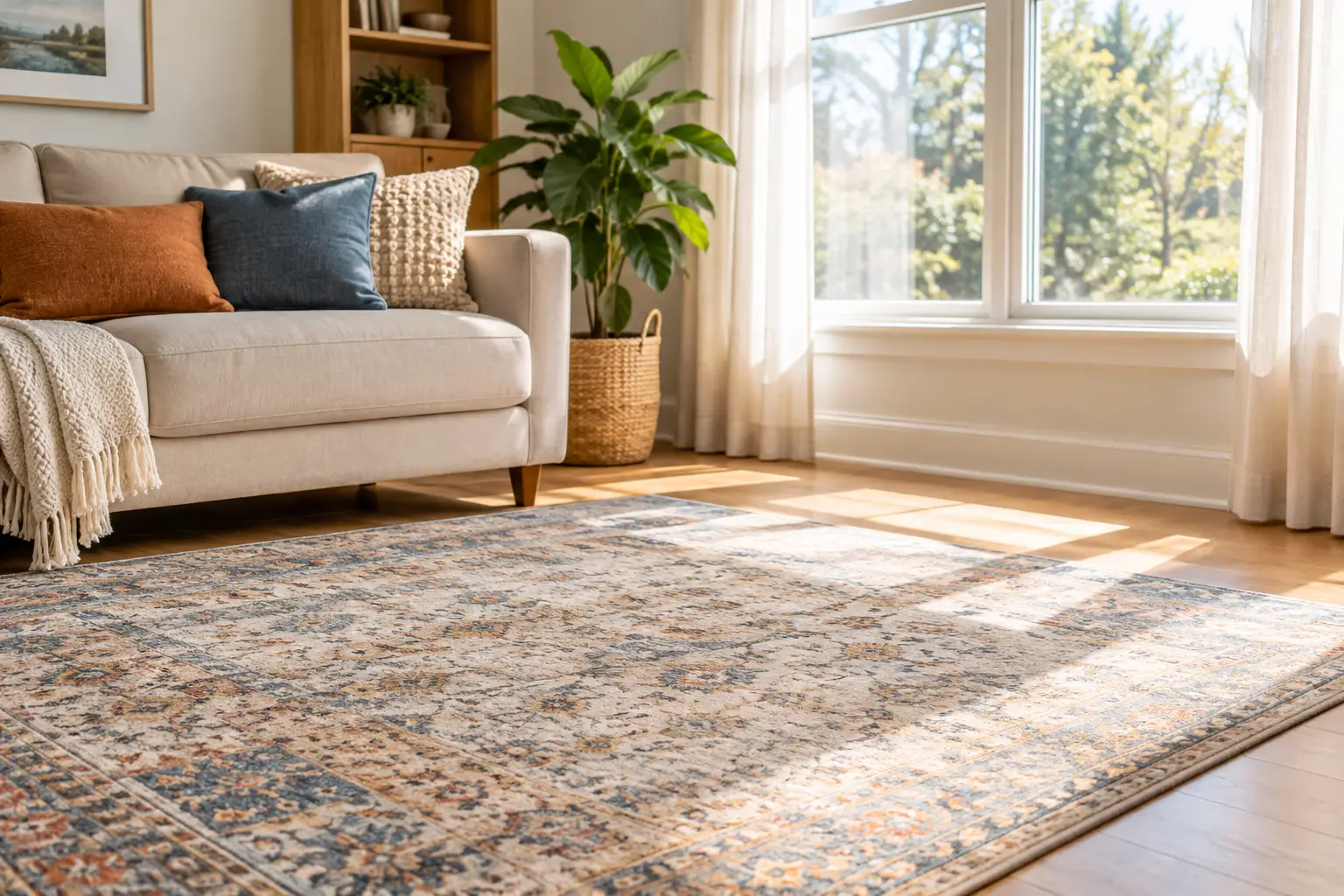
Learn how to protect rugs from sun fading with thoughtful window treatments, rotation, cleaning, and placement tips that preserve color and comfort daily.
From cozy area rugs to statement-making wall décor, our curated categories make it easy to explore what speaks to your space. Whether you’re refreshing a single corner or reimagining your whole home, start here and discover pieces that bring it all together.