

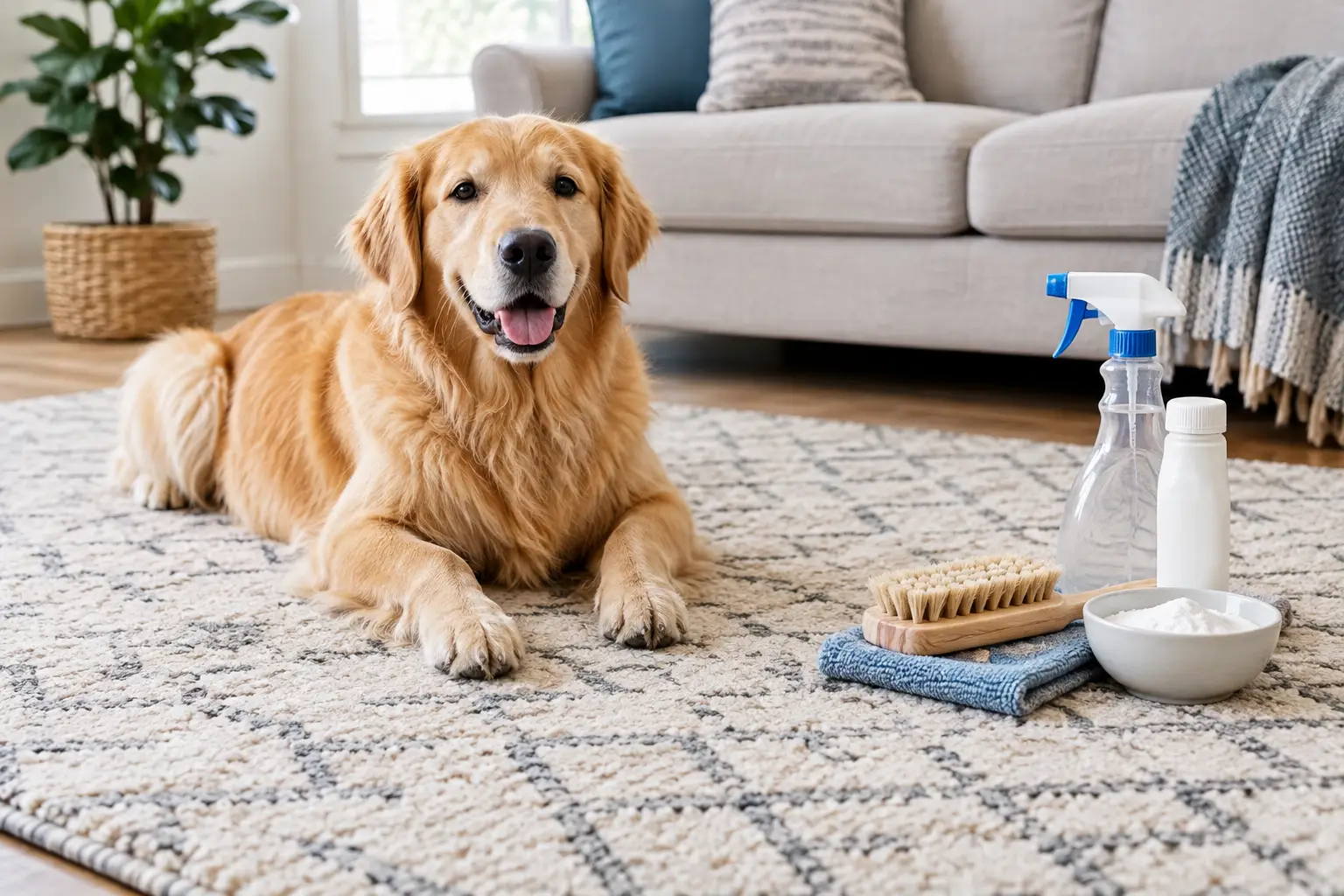
How to Remove Pet Odors From Rugs Safely
Learn how to remove pet odors from rugs without harming color or fibers, plus when professional washing is the smarter choice for a fresh home that lasts.
A rug stain can change the feeling of an entire room faster than most homeowners expect. A bright spot against a quiet neutral palette, a dark ring near the sofa, or a faded patch in a high-traffic hallway can pull attention away from everything you carefully selected. Before and after rug stain removal is about more than a cleaner-looking surface. It is a close look at what can be restored, what may remain, and how thoughtful care protects the texture, color, and character that make a rug feel deeply personal.
The most satisfying transformation is not always a dramatic, instant disappearance. With a washable synthetic rug and a fresh spill, it can be. But many rugs carry a more complicated history: a spill that sat unnoticed, repeated pet accidents in the same area, tracked-in soil, or an old attempt at cleaning that left residue behind.
A true before-and-after comparison reveals several things at once. First, it shows whether the stain has been lifted from the fibers rather than merely lightened at the surface. It also shows whether the surrounding area has been cleaned evenly. A bright, freshly treated spot can look almost as distracting as the original stain if the rest of the rug has accumulated everyday soil.
It can also reveal the rug’s original color. Homeowners sometimes assume a favorite rug has faded beyond repair, when a layer of fine dirt and residue has simply dulled the design. Once properly cleaned, details in the pattern may look sharper, cream tones may read warmer, and the room can regain a more polished, intentionally styled appearance.
That said, restoration has limits. Some stains permanently alter dyes, especially when they involve bleach, harsh chemicals, certain medications, or prolonged moisture. The goal is always to achieve the best possible result while respecting the rug’s construction, fibers, and finish.
Not all stains behave the same way, and treating every spill with the same household cleaner is one of the quickest ways to create a larger problem. The material, the color of the rug, how long the spill has been present, and any products already used all affect the outcome.
Coffee, red wine, juice, sauces, and cooking oils need a quick but measured response. Blotting is better than rubbing because rubbing pushes pigment and liquid deeper into the pile while roughing up the fibers. Start with a clean, white cloth to avoid transferring color. Work from the outer edge toward the center so the stain does not spread.
Water-soluble spills often have the best before-and-after potential when addressed promptly. Oily foods can be more stubborn because they leave a residue that attracts additional dirt, even after the visible color seems gone.
Pet accidents demand attention beyond what is visible. Urine can travel into the backing and, in some cases, the rug pad or flooring beneath it. If only the top fibers are treated, the stain may look better temporarily while odor returns later, particularly in humid conditions.
The before-and-after result for pet stains depends on how deeply the moisture traveled and how quickly it was addressed. Repeated accidents in the same area can also change dyes or weaken fibers over time. Professional assessment is especially valuable for wool, silk, hand-knotted, or antique rugs, where the wrong cleaner may cause color bleeding or texture changes.
The familiar gray-brown pathway near a front door, kitchen, or seating area is often not one stain at all. It is a buildup of grit, oils, dust, and residue from foot traffic. These areas respond best to complete, even cleaning rather than a small spot treatment.
This is where a rug can look unexpectedly transformed after care. Colors feel clearer, pile may stand more naturally, and the room looks lighter without replacing a single furnishing. In a well-designed space, that renewed foundation can make pillows, lighting, and upholstery look more cohesive again.
A rug is not simply a textile on the floor. Its fiber content and construction determine what it can tolerate.
Synthetic rugs made from materials such as polypropylene or polyester are generally more forgiving with common spills and everyday traffic. They are popular in active family spaces because they can offer practical durability without sacrificing pattern or softness. Even so, strong chemicals and excessive scrubbing can leave behind a stiff texture or cause color changes.
Wool rugs require more restraint. Wool naturally repels some soil, but it is sensitive to over-wetting, aggressive agitation, and improper pH levels. A wool rug may also develop browning or texture distortion if it is cleaned incorrectly and dries too slowly. The rich, dimensional look that makes wool beautiful is worth protecting with a fiber-specific approach.
Silk, viscose, and other delicate fibers need particularly careful handling. These rugs often have a luminous finish that catches the light beautifully, but that finish can be altered by water, heat, and many spot cleaners. For a rug with fine fibers, a small stain is rarely the right moment to experiment with a product from under the kitchen sink.
When homeowners are faced with a visible stain, the instinct is understandable: act fast and use whatever seems strongest. Yet the most dramatic damage often comes from the cleanup attempt rather than the spill itself.
Over-saturating a rug is one common issue. Too much water can drive soil deeper, loosen adhesives, encourage mildew, and create a lingering odor. Another is using a colored towel, which can transfer dye onto a light rug. Steam and heat can also set some stains, making them harder to remove later.
Residue is another quiet culprit. Soap, dish liquid, and certain spray cleaners may leave behind a film that feels clean at first but attracts dust and dirt after the rug returns to daily use. A stain that seemed to disappear can gradually reappear as a darker spot because the treated area has become a magnet for soil.
Avoid scrubbing with a brush unless you know the rug can handle it. On looped, low-pile, handwoven, and natural-fiber rugs, aggressive scrubbing can distort the weave, fray the surface, or create a fuzzy patch that remains visible even after the stain is gone.
A calm first response gives your rug the best chance of a clean-looking after. Remove any solids gently with a spoon or dull edge, then blot liquid with a clean white cloth. Continue blotting with a fresh section of cloth until you are no longer lifting moisture.
Do not flood the area, rub in circles, or layer multiple cleaning products onto the stain. If you know the rug is a durable synthetic and the spill is fresh, a very small amount of an appropriate, fiber-safe solution may be suitable. Test it first in an inconspicuous area and use as little moisture as possible.
For an unknown fiber, a delicate rug, a stain with odor, or a spot that has already been treated unsuccessfully, pause before adding anything else. Take note of what caused the stain and which products have been used. That information helps guide the next step and can prevent a well-meaning treatment from becoming permanent damage.
Professional rug cleaning is not just for major accidents. It is often the most sensible choice when a rug is valuable, handmade, delicate, unusually sized, or central to the room’s overall design. It is also wise when the stain has reached the backing, has a persistent odor, or has returned after spot cleaning.
The best approach considers more than stain removal. It looks at fiber type, dye stability, fringe, backing, pile condition, and how the rug should be dried. This kind of tailored care can make the difference between a surface-level improvement and a result that preserves the rug’s integrity.
For homeowners in Canton and nearby North Georgia communities, Home Rug Gallery offers the benefit of a design-minded perspective alongside specialized rug care. A rug should come back clean, certainly, but it should also return ready to support the room: soft underfoot, visually balanced, and true to the style you chose.
After a successful stain removal, a few habits can extend that refreshed look. Use a properly fitted rug pad to reduce shifting and help protect the fibers from friction. Rotate the rug periodically so sunlight and foot traffic do not wear one section more heavily than another. Vacuum according to the rug’s construction, using settings that do not pull at fringe or delicate pile.
In active spaces, address spills early and schedule deeper care before the rug looks visibly dirty. Soil is abrasive, and allowing it to settle into the fibers can slowly diminish softness and color clarity. A rug does not need to look neglected before it deserves attention.
The most beautiful before-and-after result is the one that lets your rug quietly return to its role: grounding the furniture, softening the room, and making home feel considered, comfortable, and unmistakably yours.
Learn how to remove pet odors from rugs without harming color or fibers, plus when professional washing is the smarter choice for a fresh home that lasts.
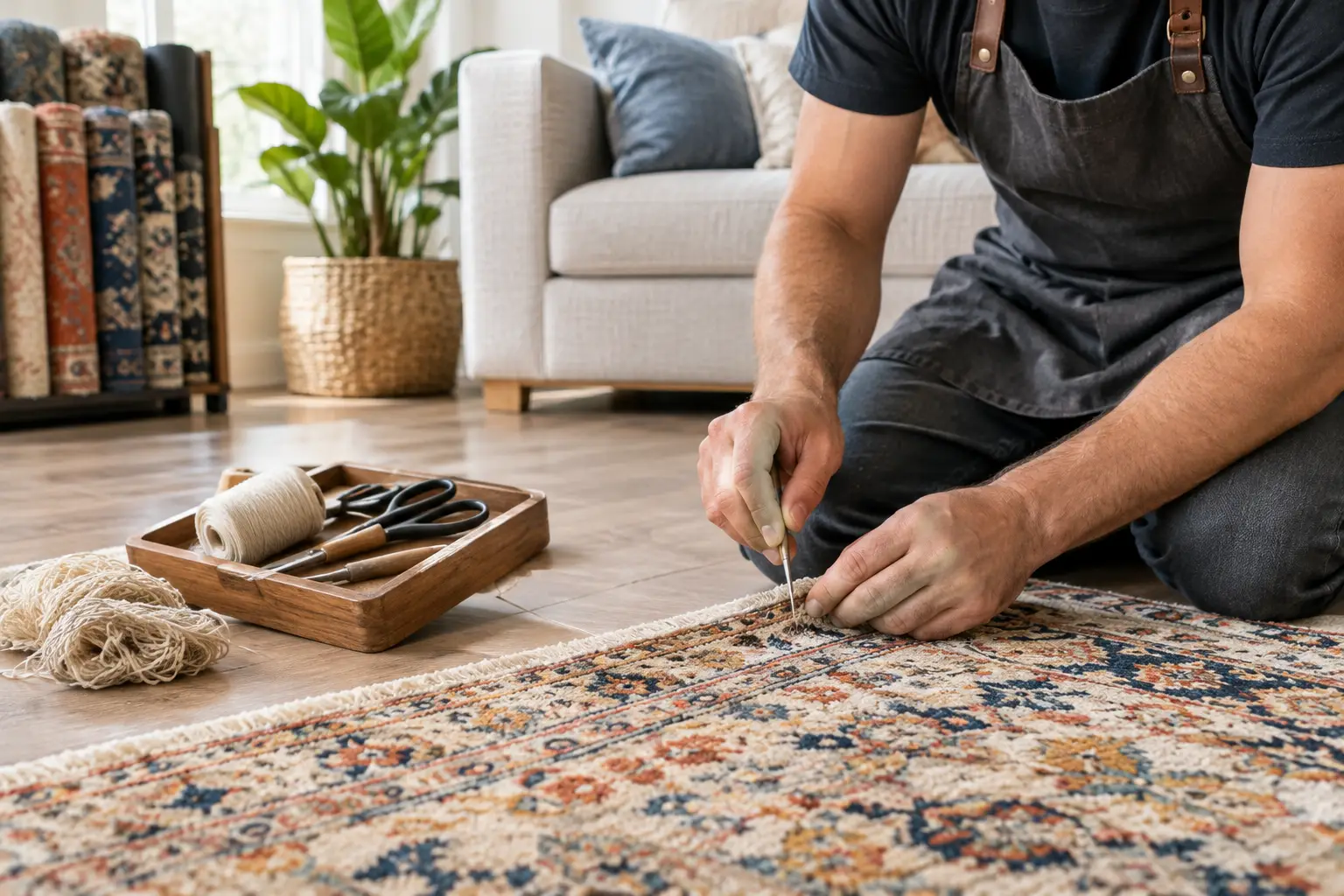
Use this Kennesaw rug repair guide to spot damage early, choose the right restoration, and protect the color, texture, and comfort of your favorite rug.
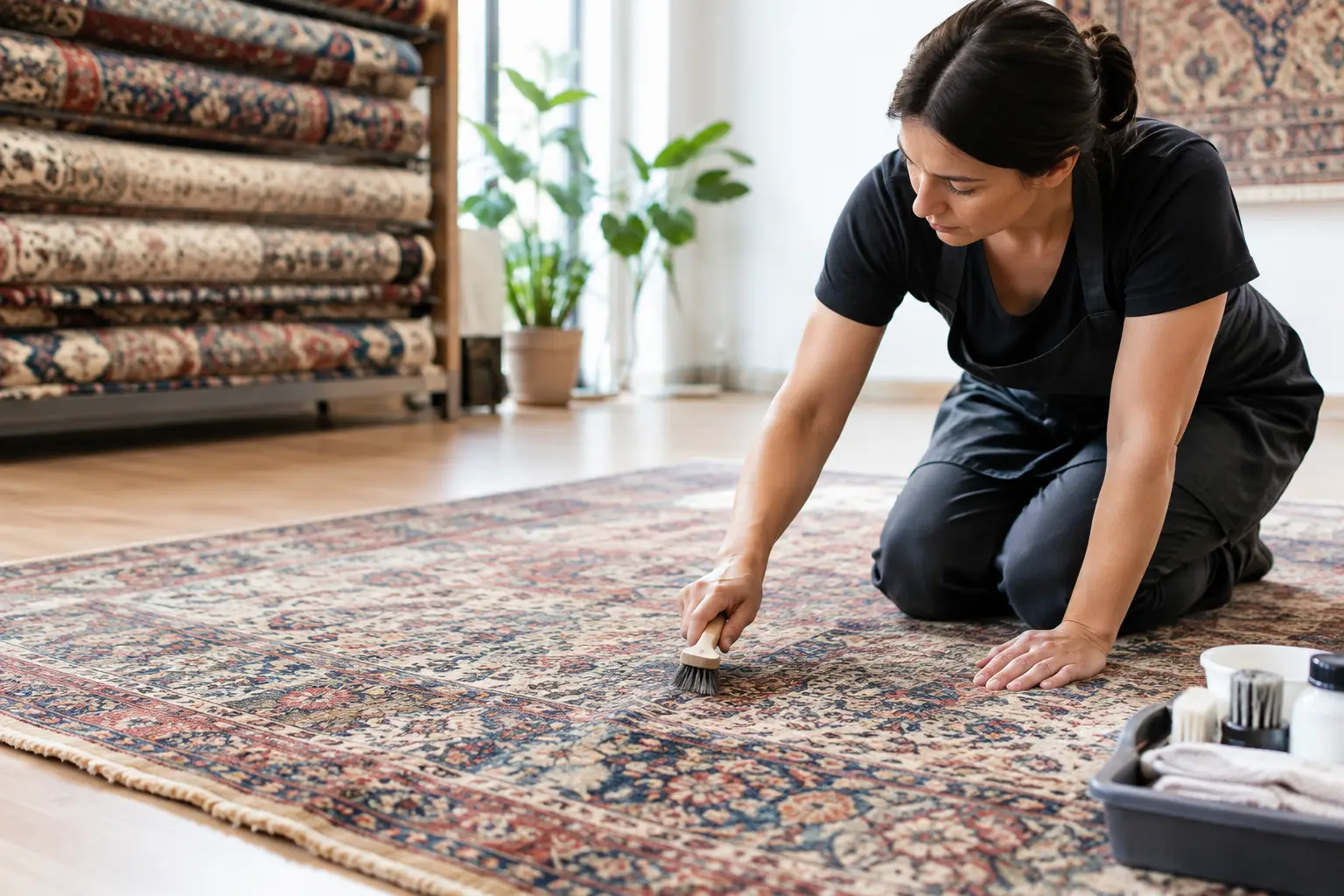
Marietta rug restoration can preserve color, texture, and history. Learn when repair makes sense and how thoughtful care protects a cherished rug at home.

Learn how to protect rugs from sun fading with thoughtful window treatments, rotation, cleaning, and placement tips that preserve color and comfort daily.
From cozy area rugs to statement-making wall décor, our curated categories make it easy to explore what speaks to your space. Whether you’re refreshing a single corner or reimagining your whole home, start here and discover pieces that bring it all together.