
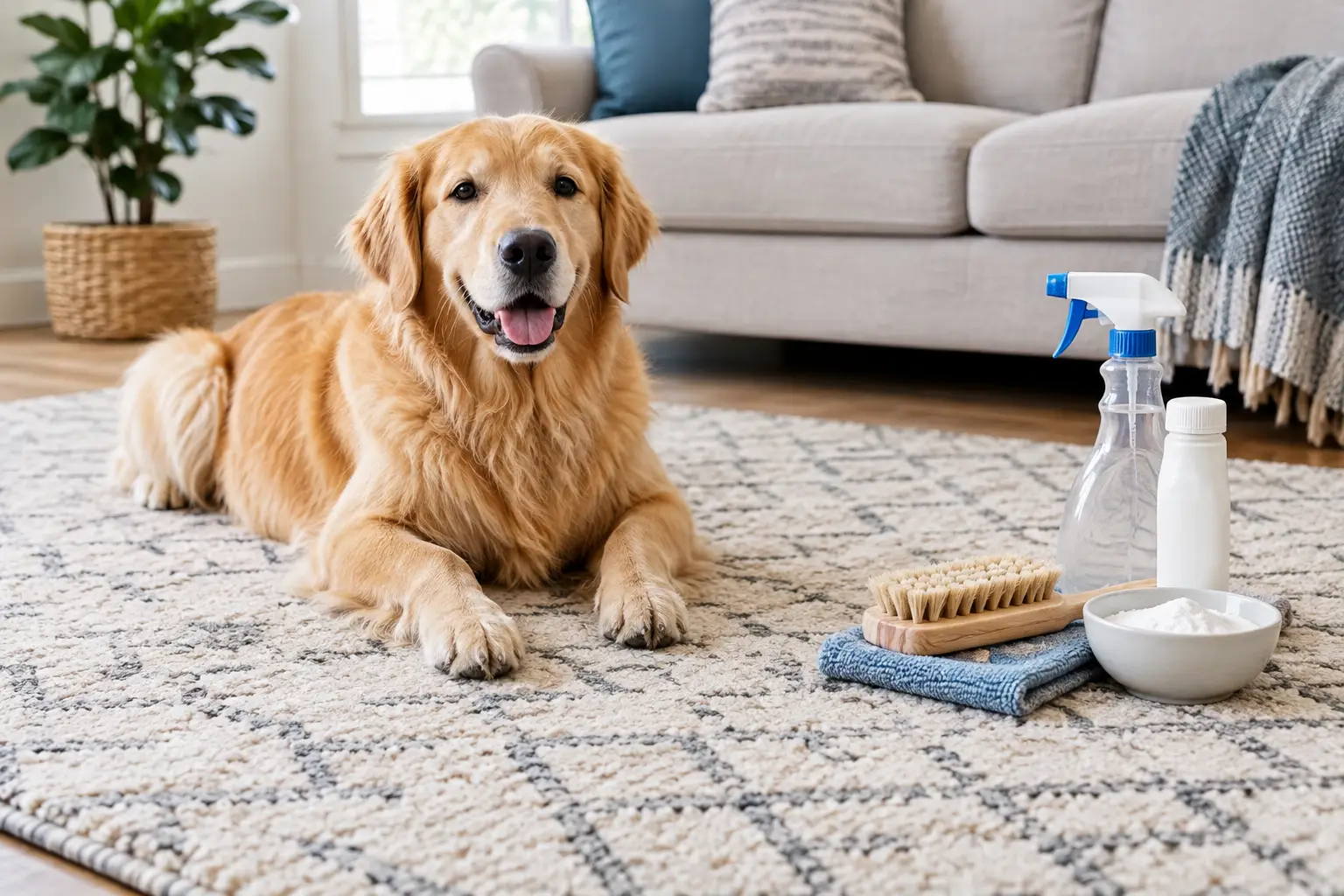
How to Remove Pet Odors From Rugs Safely
Learn how to remove pet odors from rugs without harming color or fibers, plus when professional washing is the smarter choice for a fresh home that lasts.
The first few feet inside your front door do a lot of work. They catch dirt, absorb moisture, soften hard flooring, and set the tone for everything that follows. That is why choosing the best entryway rugs for homes is less about filling an empty spot and more about creating a welcome that feels polished, practical, and deeply personal.
A beautiful entry rug should look intentional, but it also has to live well. Shoes come through, pets rush in, kids drop backpacks, and guests make their first impression before they ever reach the living room. The right rug can make that daily motion feel effortlessly styled. The wrong one can curl, shed, slide, or show every footprint by noon.
An entryway rug has a different job than a rug in a bedroom or formal sitting area. It needs resilience first, then softness, then style. In other words, this is one of the few places in the home where function and beauty have to be equally strong.
Material matters most. Low-pile wool rugs remain a favorite because they offer durability, natural texture, and a refined look that works across traditional, transitional, and modern interiors. Wool also tends to wear gracefully, which is important in an area with repeated foot traffic. If your entry sees constant movement or direct exposure to damp shoes, performance-driven synthetic blends can be a smart choice as well. They are often easier to clean and more forgiving in active family homes.
Pile height is another detail that homeowners often underestimate. Plush rugs may feel luxurious, but they are not always ideal near an exterior door. A lower profile usually performs better because doors can swing freely, debris sits less deeply in the fibers, and the rug is easier to maintain. If your entry opens directly onto hardwood or tile, a flatter weave can also create a crisp, tailored look.
The best options also stay grounded visually. Entryways are transitional spaces, so rugs with subtle pattern, tonal variation, or classic motifs often age better than anything overly trendy. A rug in this spot should quietly support the home around it, not compete with it.
Scale changes everything. Even the most beautiful rug can look awkward if it is too small or too large for the footprint of the space.
In a compact foyer, a smaller rug can define the landing zone without making the area feel crowded. In a wider entry, a generously sized rug often looks more intentional and balanced. You want enough surface area to catch traffic, but not so much that the space feels wall-to-wall by accident. Leaving visible flooring around the rug creates a cleaner frame and helps the entry feel curated.
If your front door swings inward, always account for clearance before falling in love with a thicker rug. This is one of those practical details that affects daily comfort more than people expect. A rug that bunches under the door instantly makes the whole space feel less refined.
For long entry corridors, runners are often the best solution. They bring softness and rhythm to narrow spaces while visually guiding the eye deeper into the home. A runner can also help a hallway feel warmer and more finished, especially when the surrounding flooring is hard or cool in tone.
Not every fiber performs the same way, and entryways are where those differences become obvious fast.
Wool is a strong all-around choice for homeowners who want a classic look with lasting value. It offers natural resilience, rich texture, and a sense of quiet luxury that suits elevated interiors. It does require proper care, especially in busy homes, but it remains one of the most dependable materials for style-conscious spaces.
Indoor-outdoor constructions can also work well in mudroom-style entries or casual family homes. Today’s options are more sophisticated than many homeowners expect, with woven textures and understated patterns that feel design-forward rather than purely utilitarian. If moisture, pets, or frequent cleanup are part of daily life, this category deserves serious consideration.
Natural fibers like jute and sisal bring warmth and organic character, but they come with trade-offs. They can be beautiful in a covered or lightly used entry, especially if you love layered, textural interiors. Still, they are usually less forgiving around water, stains, and heavy wear. They can also feel rougher underfoot, which some homeowners love and others do not.
Synthetic blends offer flexibility. They are often practical for households that need easy upkeep, and they can mimic the appearance of more delicate materials surprisingly well. The best choice depends on how formal your entry feels, how much traffic it handles, and how much maintenance you want to take on.
Entry rugs tend to work hardest when they hide a little life. That does not mean choosing something dark and heavy. It means selecting color and pattern with purpose.
Mid-tones usually outperform very light solids in this part of the home. Soft charcoal, warm taupe, layered ivory with pattern, muted blue, olive, rust, and greige all tend to wear well while still feeling elevated. These shades can disguise everyday dust and shoe traffic better than bright white or very flat beige.
Pattern adds another layer of practicality. A tonal vintage-inspired design, a small geometric repeat, or a softly distressed motif can help the rug maintain a composed appearance between cleanings. If your entry connects directly to open living spaces, repeat a color from nearby décor so the transition feels cohesive rather than abrupt.
This is also a wonderful place to bring in personality. The entry introduces your home, so a rug can hint at your style right away. Maybe that means a classic pattern with traditional roots, a modern neutral with subtle texture, or an earthy woven look that makes the whole house feel relaxed and collected. The best choice is rarely the loudest one. It is the one that feels right the moment you walk in.
A traditional home often benefits from a rug with timeless pattern and soft, layered color. Think heritage-inspired motifs, muted reds, blues, and sand tones, or elegant neutrals that make the space feel established without feeling formal.
In a more modern or transitional home, entryway rugs with geometric structure, tonal texture, or minimal pattern tend to feel clean and current. These styles pair beautifully with streamlined lighting, painted millwork, and simple accessories.
For casual family interiors, the best entryway rugs for homes are often the ones that strike the right balance between softness and resilience. Washable-style constructions, flatweaves, and patterned performance rugs can all work nicely when the goal is an inviting space that does not require constant fussing.
If your home leans organic or layered, natural textures can create a beautiful first impression. Just be honest about how much activity your front entry sees. A textural rug in the wrong environment can become high-maintenance quickly.
A rug should not carry the whole space alone. In a well-styled entry, it works with the surrounding pieces to create a sense of ease.
A bench, console, or small accent table helps anchor the area and makes the rug feel intentional. Lighting matters too. Even a beautiful rug can lose its presence in a dim foyer, while warm lighting brings out texture, color, and pattern in a much more inviting way. A mirror, artwork, or a simple arrangement of accessories can complete the story without making the entry feel crowded.
If you are coordinating with adjacent rooms, think about the entry rug as the opening note rather than a separate design decision. It should relate to the rugs, pillows, and finishes nearby so the home feels thoughtfully connected from the start.
The most common mistake is choosing based only on appearance. An entry rug may look perfect online or in isolation, but if it is too thick, too delicate, or too small, it will not live well. A second mistake is ignoring maintenance. Every rug fiber and weave asks for something different, and entryways do not forgive neglect for long.
Another easy misstep is selecting a rug that is too timid for the scale of the space. In larger foyers, undersized rugs can make the entry feel unfinished. On the other hand, going too bold in a compact area can crowd the eye. This is one reason seeing rugs in person can be so valuable. Texture, weight, color variation, and true scale are much easier to judge when you can compare options side by side.
For homeowners in Canton, Woodstock, Acworth, Kennesaw, and Marietta who want an entry that feels both functional and beautifully considered, that tactile experience often makes all the difference.
The right entryway rug does more than protect the floor. It creates a softer arrival, a stronger sense of home, and a first impression that feels as welcoming as the people who live there.
Learn how to remove pet odors from rugs without harming color or fibers, plus when professional washing is the smarter choice for a fresh home that lasts.
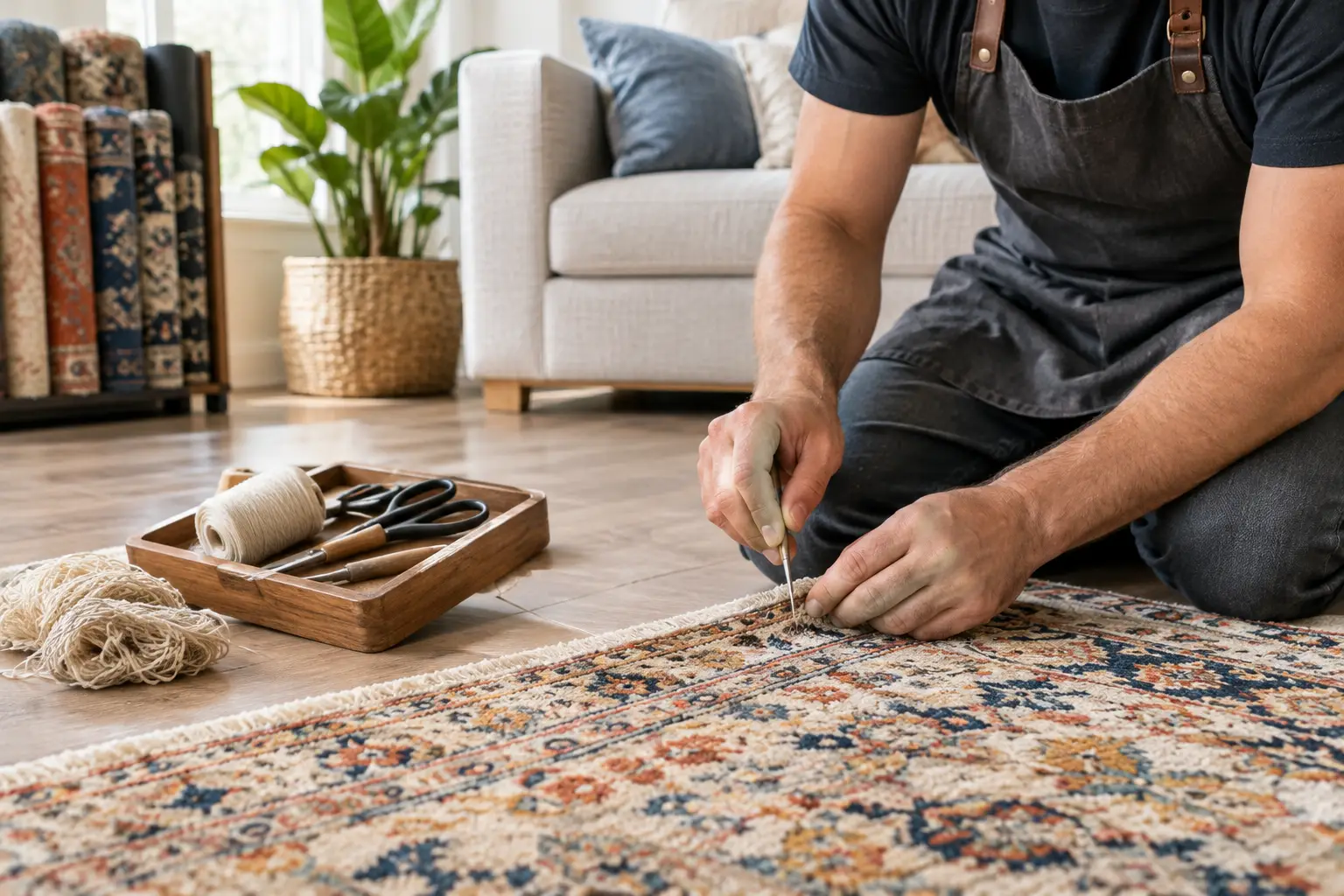
Use this Kennesaw rug repair guide to spot damage early, choose the right restoration, and protect the color, texture, and comfort of your favorite rug.
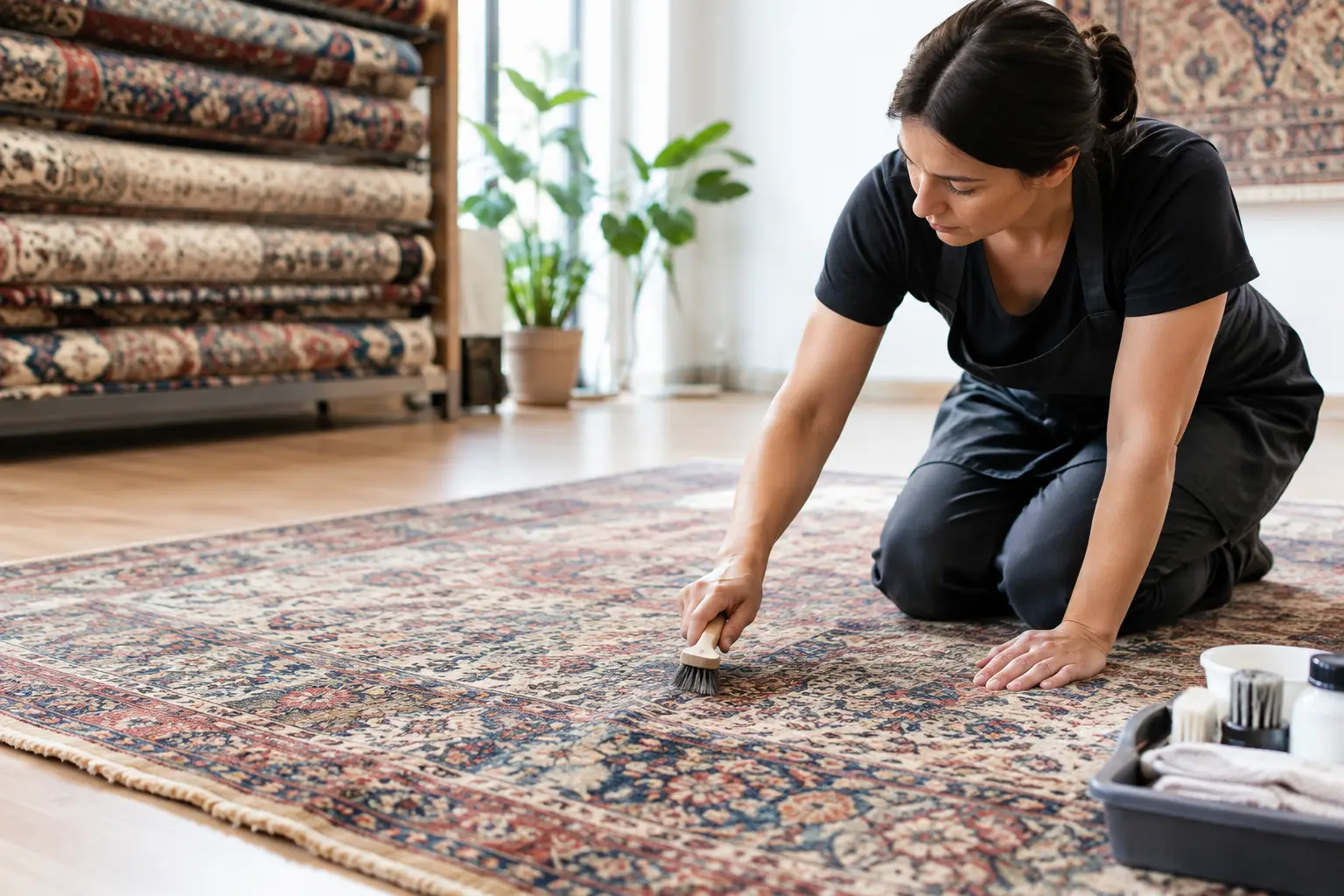
Marietta rug restoration can preserve color, texture, and history. Learn when repair makes sense and how thoughtful care protects a cherished rug at home.
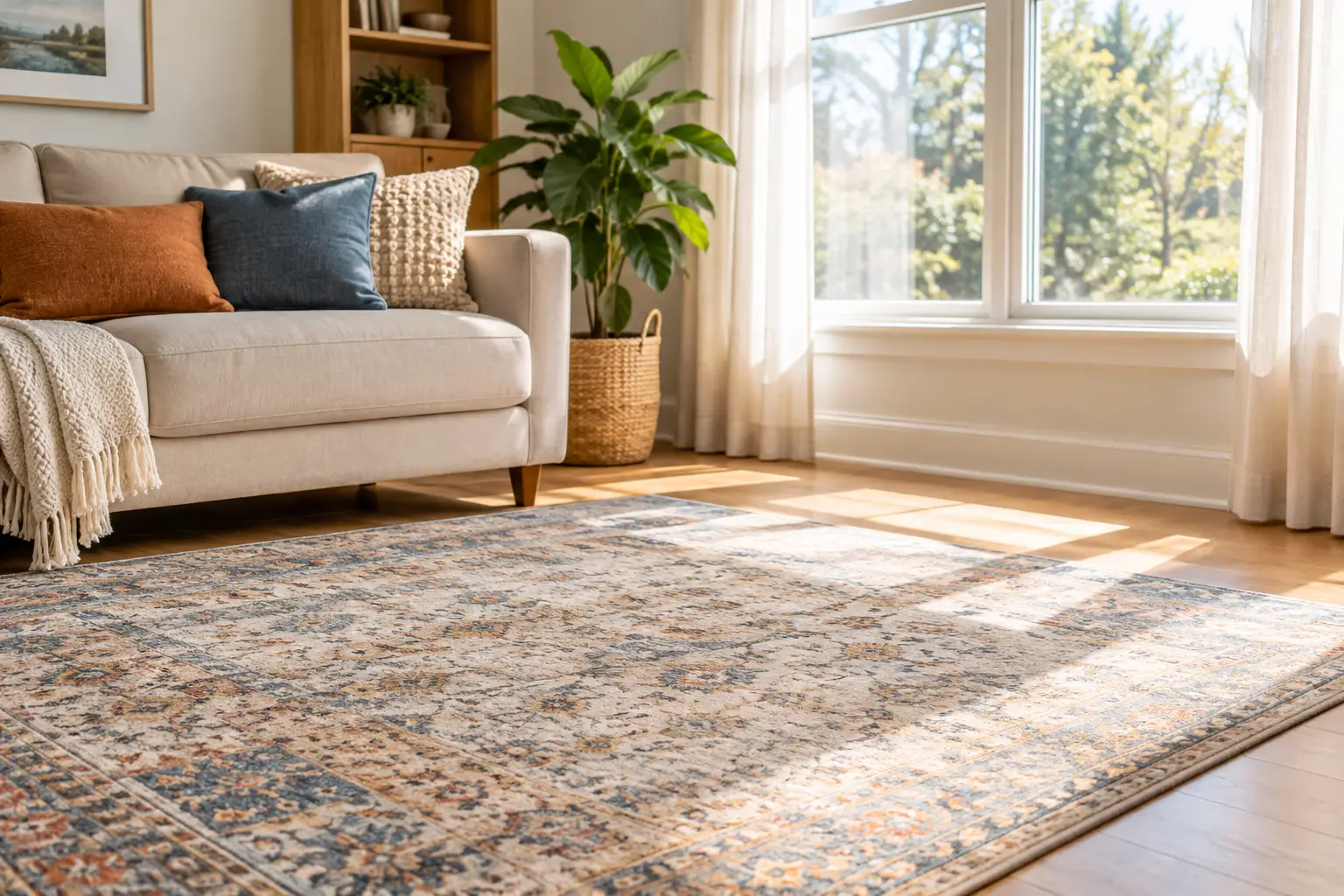
Learn how to protect rugs from sun fading with thoughtful window treatments, rotation, cleaning, and placement tips that preserve color and comfort daily.
From cozy area rugs to statement-making wall décor, our curated categories make it easy to explore what speaks to your space. Whether you’re refreshing a single corner or reimagining your whole home, start here and discover pieces that bring it all together.